
Chevy Antenna
Chevy Antenna Replacement: What Buyers Should Know
Many Chevy owners overlook the importance of their vehicle’s antenna until radio reception falters or a replacement is needed. Understanding how to approach antenna issues can save time and prevent unnecessary costs. This guide walks through what to consider before buying a replacement Chevy antenna, how to evaluate your options, and what evidence-based steps you should follow for a successful repair.
Advertisement


Advertisement
More Chevy Antenna options
Filtering for Chevy • AntennaScan nearby Chevy antenna inventory without leaving this page.
No Data Available
Please check back soon when more inventory is available for this part.
Advertisement
Why Chevy Antennas Deserve a Closer Look
When thinking about vehicle maintenance, the antenna is rarely top of mind for most Chevy owners. Yet, this small component plays a crucial role in daily driving comfort, especially for those who rely on AM/FM radio for news, weather, or entertainment. Ignoring the antenna until it fails can lead to frustrating signal loss or static-filled commutes. It’s easy to underestimate how a simple part like the antenna can impact your overall driving experience. By understanding the antenna’s function and potential issues, you can make better decisions when problems arise.
Antenna problems can sneak up on you. Unlike obvious engine or brake issues, a failing antenna might only show itself through subtle reception changes or intermittent static. These symptoms are often dismissed as poor radio station quality or environmental interference, not as a sign of a deteriorating part. This tendency to overlook antenna health can delay necessary repairs, making it harder to pinpoint the real cause when radio performance drops.
Many drivers are surprised to learn that antennas are not universal—even within the Chevy lineup. Differences in mounting style, electrical connectors, and compatibility with features like satellite radio or GPS mean that choosing the wrong replacement can result in wasted money and continued poor reception. Taking a closer look at your Chevy’s antenna needs before purchase is a step that can prevent headaches and ensure your next replacement is the right fit.

Understanding Antenna Issues in Chevy Vehicles
Antenna failure in Chevy vehicles can manifest in several ways, from complete loss of radio signal to persistent static or weak reception. These issues are often mistaken for external interference or broadcasting problems, but they can also stem from internal faults such as corroded connectors, damaged mast assemblies, or broken wiring. Recognizing the signs of antenna trouble is the first step toward a reliable fix.
Not all antenna problems are immediately obvious. Sometimes, the issue may be intermittent, affecting only certain frequencies or times of day. This can make diagnosis challenging, especially for owners who use their radios sporadically. Environmental factors like car washes, vandalism, or harsh weather can also contribute to antenna damage, further complicating the identification of the root cause.
Chevy antennas come in various designs, including fixed masts, retractable units, and integrated roof or windshield models. Each type has its own set of potential failure points. For example, retractable antennas may seize or break internally, while roof-mounted units can suffer from water ingress. Understanding which type your vehicle uses is essential for troubleshooting and selecting the correct replacement part.
Another overlooked aspect is the impact of antenna faults on other vehicle systems. Some Chevy models use the antenna not only for radio reception but also for GPS navigation or satellite radio. A malfunctioning antenna can therefore affect multiple features, making accurate diagnosis even more important. Owners should be aware that a single faulty component may degrade several functions at once.
It’s also important to consider that not every radio issue is caused by the antenna itself. Problems with the head unit, amplifier, or internal vehicle wiring can mimic antenna-related symptoms. This highlights the need for a systematic approach to diagnosis, rather than immediately assuming the antenna is at fault. Consulting a professional or referring to the vehicle’s service manual can help clarify the source of the problem.
Finally, the process of replacing a Chevy antenna is not always straightforward. Accessing the mounting point may require removal of interior trim or exterior panels, and improper installation can lead to water leaks or electrical issues. For these reasons, understanding the specific challenges associated with your Chevy model’s antenna is crucial before attempting a repair or replacement.
Practical Steps for Diagnosing and Replacing a Chevy Antenna
The first step in addressing any antenna issue is to confirm that the antenna itself is the source of the problem. Start by visually inspecting the antenna mast for obvious signs of damage, such as bends, corrosion, or missing components. If your Chevy uses a retractable or powered antenna, check for smooth operation and listen for unusual noises during extension or retraction. For roof or windshield-integrated antennas, look for cracks or water intrusion around the mounting area.
Next, test radio reception with the vehicle parked in an area known for strong signals. Compare the performance of AM and FM bands—if both are weak or static-filled, the antenna or its connection is a likely culprit. If only one band is affected, the issue may be with the radio head unit or internal circuitry. Swapping in a known-good antenna, if available, can help isolate the problem.
If the visual and functional checks suggest antenna failure, gather your vehicle’s details before shopping for a replacement. You’ll need the year, model, and trim level of your Chevy, as well as information about any special features like satellite radio or GPS. This ensures you select an antenna that matches the original equipment specifications and avoids compatibility issues.
When comparing replacement antennas, pay attention to mounting style and connector type. Chevy vehicles may use threaded, snap-in, or integrated connectors, and choosing the wrong type can result in poor fitment or electrical problems. Consult your owner’s manual or a reputable parts catalog to verify compatibility. If in doubt, bring your old antenna or a clear photograph to the parts counter for comparison.
Before purchasing, ask the seller whether the replacement antenna is new, remanufactured, or a salvage part. According to the Federal Trade Commission, salvage parts come from another vehicle without alteration, while new and remanufactured parts may offer different levels of reliability and warranty coverage FTC: Auto Repair Basics. Understanding these distinctions helps set realistic expectations for part performance and longevity.
Once you have the correct replacement, follow the manufacturer’s recommended procedure for removal and installation. This may involve removing trim panels, disconnecting wiring harnesses, or resealing mounting points to prevent leaks. Take care to avoid damaging surrounding components, and double-check all connections before reassembling the vehicle. If you’re not comfortable performing the work yourself, consider seeking help from a technician experienced with Chevy vehicles.
After installation, test the radio on multiple bands and in different locations to confirm that reception has improved. If problems persist, recheck all connections and consider whether another component—such as the radio head unit or internal wiring—may be at fault. Keep a record of the repair, including the part used and the work performed, for future reference or warranty claims.
Finally, stay proactive by inspecting your antenna periodically, especially after exposure to harsh weather or car washes. Promptly addressing minor damage can prevent more serious issues down the line. By following these practical steps, you can ensure that your Chevy’s antenna remains in top condition and avoid unnecessary replacement costs.
What the Evidence Says About Chevy Antenna Replacement
The Federal Trade Commission’s guidance on auto repair emphasizes the importance of understanding the type of replacement part you’re purchasing. The FTC distinguishes between new, remanufactured, and salvage parts, noting that salvage parts are sourced from another vehicle without alteration. This distinction is crucial for Chevy antenna buyers, as it impacts both reliability and warranty expectations. The FTC also advises consumers to get a written repair estimate, especially for complicated repairs, and to confirm whether the technician has experience with the specific make and model FTC: Auto Repair Basics. While this guidance does not provide technical specifications for Chevy antennas, it offers a framework for making informed decisions and protecting yourself as a buyer.
The FTC further recommends comparing shop recommendations with the manufacturer’s maintenance schedule and asking why any extra service is proposed. This approach is particularly relevant for antenna replacement, as some shops may suggest unnecessary upgrades or additional repairs. By referencing your Chevy owner’s manual and seeking a second opinion for expensive repairs, you can avoid overpaying and ensure that the proposed solution addresses the actual problem. The FTC’s advice is general but applicable to antenna issues, reinforcing the value of due diligence in part selection and repair planning FTC: Auto Repair Basics.
The National Highway Traffic Safety Administration (NHTSA) provides a comprehensive recall lookup tool for consumers concerned about safety-related defects. While searching by year, make, and model can reveal general recall trends, only a VIN-based search will confirm if a specific Chevy vehicle has an open recall affecting its antenna or related equipment. The NHTSA cautions that recall information is updated continuously and that not all issues are covered by safety recalls. Therefore, checking your vehicle’s status before purchasing a replacement antenna is a prudent step, but the absence of a recall does not guarantee that your antenna is problem-free NHTSA: Vehicle Recalls.
NHTSA’s recall process involves several stages, from owner complaints to investigations and, if warranted, manufacturer action to remedy safety defects. For Chevy antenna buyers, this means that widespread antenna failures may eventually prompt a recall, but individual cases are typically addressed through standard repair channels. The NHTSA also notes that manufacturers are required to notify owners of recalls and provide remedies at no charge. However, most antenna issues are not safety-related and may not be covered by recall campaigns NHTSA: Vehicle Recalls.
Neither the FTC nor NHTSA provides technical repair procedures or specific failure rates for Chevy antennas. Instead, they offer consumer protection advice and access to public databases. For buyers, this means that evidence-based decisions rely on comparing part types, verifying compatibility, and consulting professional repair resources when needed. If technical documentation is unavailable, requesting a clear explanation from the seller or technician—and retaining all repair records—remains best practice.
The absence of a documented recall for Chevy antennas does not imply universal reliability. Instead, it underscores the need for buyers to perform their own inspections and research. By using the NHTSA’s VIN lookup tool and following the FTC’s recommendations on repair documentation and part selection, Chevy owners can minimize the risk of purchasing an incompatible or subpar antenna. These steps are especially important for models with integrated or multifunction antennas, where improper replacement can affect multiple vehicle systems.
In summary, while no official source provides a comprehensive list of Chevy antenna failures or guaranteed solutions, the published guidance from the FTC and NHTSA supports a careful, evidence-based approach to diagnosis and repair. By combining visual inspection, compatibility checks, and diligent record-keeping, Chevy owners can confidently address antenna issues and avoid unnecessary expenses. When in doubt, consulting a professional with experience in Chevy vehicles remains the most reliable path to a successful outcome.
Take the Next Step Toward Reliable Reception
If you’re experiencing radio issues or suspect your Chevy antenna needs replacement, start by gathering your vehicle’s details and inspecting the antenna for visible damage. Use the NHTSA recall lookup to check for any open recalls affecting your model, and consult the FTC’s advice on repair documentation and part selection. When ready, compare available antennas by mounting style and compatibility, and don’t hesitate to seek professional help for installation if needed. Taking these steps ensures you get the right part and restore your Chevy’s reception with confidence.
References
- NHTSA: Vehicle Recalls
- FTC: Auto Repair Basics
References
- NHTSA: Vehicle Recalls - NHTSA, accessed 2026-11-01
- FTC: Auto Repair Basics - FTC, accessed 2026-11-01
Related Guides & Articles

How to Spot Counterfeit Chevy Parts
Counterfeit Chevy parts can jeopardize your vehicle's safety, reliability, and performance. Whether you're shopping for a replacement alternator, brake pads, or sensors, identifying fakes before you buy is crucial. This guide delivers immediate visual clues, packaging tips, and real-world examples to help you confidently distinguish genuine from counterfeit Chevy components—protecting both your investment and your safety.
Read More
Chevy Service Intervals Explained
Build a Chevrolet maintenance plan from the correct owner’s manual, service history and dashboard messages. Learn how oil-life reminders differ from oil-pressure warnings, how mileage and elapsed time affect a service decision, and why gasoline and electric vehicles need different schedules. Use the checklist to discuss a clear, itemized plan with your repairer.
View Guide
Antenna Installation Tips
Classic AMC Ambassador owners know: a properly functioning antenna is critical for both period-correct restoration and reliable radio reception. Whether you’re troubleshooting poor signal, sourcing a replacement, or installing a new mast, getting your antenna right preserves authenticity and maximizes your driving enjoyment. This comprehensive guide delivers practical, step-by-step advice for diagnosing, sourcing, and installing antennas on vintage AMC Ambassadors, with a focus on safety, fitment, and long-term reliability.
Read More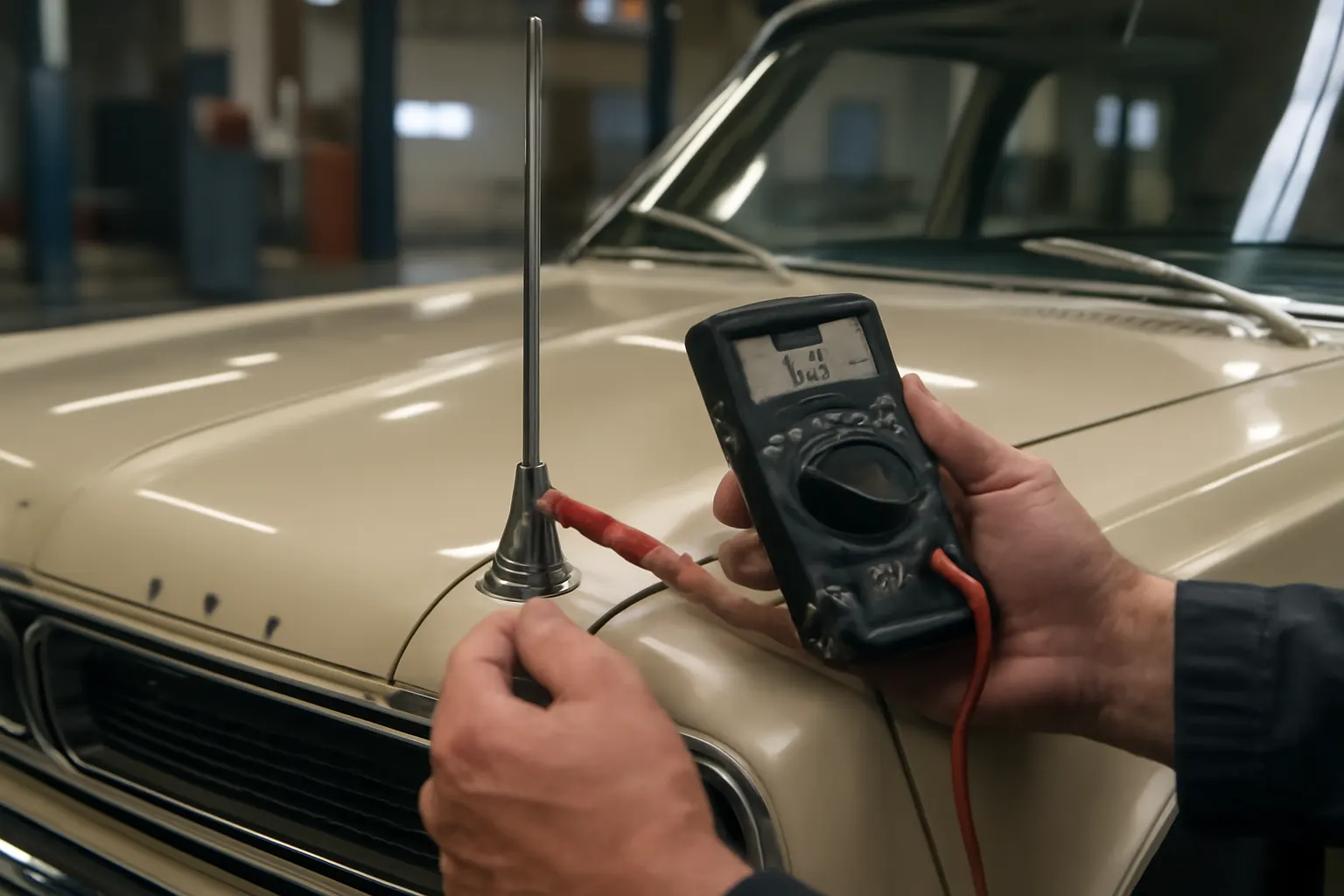
Ambassador Antenna Issues
The AMC Ambassador’s antenna system, especially on models from the late 1960s through the early 1970s, is prone to several well-known issues. The most common complaints from owners include: Difficulty finding original or compatible replacement antennas Persistent poor radio reception despite new installations Physical damage or corrosion to the fender mount and mast Complications with retractable (power) antennas not functioning Challenges aligning aftermarket parts with factory mounting points At first glance, replacing an antenna may seem like a straightforward task.
Read More