
Chevy AC Condenser
Chevy AC Condenser: Inspection, Issues, and Reliable Replacement
Many Chevy owners overlook the AC condenser when troubleshooting weak air conditioning, yet this component plays a crucial role in cooling performance. Understanding how debris, airflow, and even minor accidents can impact your Chevy’s AC system is essential for effective repairs. This guide explores practical steps, evidence-backed diagnostics, and reliable replacement advice for Chevy AC condensers, helping you make informed decisions and restore comfort to your drive.
Advertisement
Showing 1–8 of 251 Chevy ac condenser parts


Advertisement
More Chevy AC Condenser options
Filtering for Chevy • AC CondenserScan nearby Chevy ac condenser inventory without leaving this page.
No Data Available
Please check back soon when more inventory is available for this part.
Advertisement
Why Chevy AC Cooling Issues Often Go Unnoticed
When your Chevy’s air conditioning starts blowing warm air, it’s tempting to blame the refrigerant or the compressor. However, one often-overlooked culprit is the AC condenser. Many drivers don’t realize that the condenser’s health is directly tied to the system’s ability to cool the cabin effectively. This component sits at the front of the vehicle, exposed to debris and potential damage, yet rarely receives attention until a problem becomes severe. By focusing on more obvious parts, owners may miss subtle signs that their condenser is struggling.
It’s easy to underestimate how quickly the performance of an AC system can degrade due to issues at the condenser. For example, even a small buildup of leaves or road debris can restrict airflow, causing the system to lose efficiency. Because these changes often occur gradually, drivers may acclimate to reduced cooling without realizing a problem is developing. This slow decline can mask the need for timely inspection and maintenance of the AC condenser, leading to more complex repairs down the line.
Another overlooked consideration is the impact of minor accidents or parking mishaps. The AC condenser is vulnerable to even low-speed fender benders, which can cause damage that isn’t immediately obvious. Without a thorough inspection, small leaks or dents may go undetected, slowly compromising the system’s performance. Recognizing these less apparent risks is the first step toward maintaining reliable air conditioning in your Chevy, especially as temperatures rise.

Understanding the Real Issues Behind Chevy AC Condenser Failure
The AC condenser in your Chevy serves a critical function: it cools the compressed refrigerant, allowing the system to deliver cold air inside the cabin. When this component is compromised, the entire AC system can underperform or stop working altogether. Owners might notice symptoms such as warm air blowing from the vents, reduced cooling capacity, or unusual noises when the AC is running. These signs often point to deeper issues within the condenser that require prompt attention.
One of the main technical challenges with AC condensers is their reliance on unobstructed airflow. According to 1A Auto, the condenser needs a steady stream of air to dissipate heat from the refrigerant effectively. If airflow is blocked by debris or if the vehicle’s cooling fans are not functioning, the condenser cannot perform its job, resulting in poor cooling performance. This dependency makes the condenser particularly sensitive to environmental factors and routine maintenance lapses AC is On But Its Still HOT Diagnosing Air Conditioning in Your Car or Truck | 1A Auto.
Physical damage is another common cause of condenser failure. Even a seemingly minor collision can dent or puncture the condenser, leading to refrigerant leaks or internal blockages. The 1A Auto blog highlights that fender benders are a frequent source of such damage, which may not be immediately visible but can have long-term effects on the AC system’s reliability AC Stops Blowing Cold Air? - Diagnose a Bad AC Condenser - 1A Auto.
Leaks are a critical issue to watch for. Stains or oily residue on the condenser’s surface often indicate refrigerant escaping from the system. These leaks not only reduce cooling efficiency but can also allow moisture and contaminants to enter, further degrading performance. Over time, unchecked leaks may cause other AC components to fail, compounding repair costs and downtime Car AC Not Blowing Cold Air? - Diagnose and Fix - Expert Tips - 1A Auto.
Environmental factors, such as road salt, dirt, and insects, can also contribute to condenser problems. These elements may corrode or clog the condenser fins, restricting airflow and reducing heat exchange efficiency. In regions with harsh winters or dusty roads, Chevy owners should be especially vigilant about inspecting the condenser for buildup and corrosion. Regular cleaning and visual checks can help prevent these issues from escalating.
Finally, it’s important to recognize that not all AC problems originate with the condenser. Issues with the compressor, refrigerant levels, or electrical controls can produce similar symptoms. This overlap can make accurate diagnosis challenging, emphasizing the need for a systematic approach to troubleshooting. By understanding the specific vulnerabilities of the AC condenser, Chevy owners can better distinguish between condenser-related failures and other system faults.
Practical Steps to Diagnose and Address Chevy AC Condenser Issues
The first step in resolving Chevy AC condenser problems is a thorough visual inspection. Begin by examining the front of the condenser, which is usually visible through the vehicle’s grille. Look for signs of physical damage, such as bent fins, punctures, or stains that might indicate a refrigerant leak. Pay close attention to any oily spots or discoloration, as these often signal escaping refrigerant and the need for further investigation Car AC Not Blowing Cold Air? - Diagnose and Fix - Expert Tips - 1A Auto.
Next, check for debris accumulation. Leaves, dirt, and even plastic bags can become lodged in front of the condenser, restricting airflow and reducing cooling efficiency. According to 1A Auto, such obstructions are a common cause of poor AC performance. Remove any visible debris and consider using compressed air or a soft brush to clean the condenser fins gently. This simple maintenance step can often restore lost performance without the need for replacement Car AC Not Blowing Cold Air? - Diagnose and Fix - Expert Tips - 1A Auto.
After ensuring the condenser is physically intact and free of debris, verify that the cooling fans are operating correctly. The condenser relies on these fans to maintain proper airflow, especially at low speeds or when the vehicle is stationary. If the fans fail to engage when the AC is on, the system will struggle to cool the refrigerant, leading to warm air from the vents. Test the fans by running the AC and observing their operation; if they do not turn on, electrical diagnostics may be required AC is On But Its Still HOT Diagnosing Air Conditioning in Your Car or Truck | 1A Auto.
If you discover physical damage or evidence of a leak, replacement of the AC condenser is typically necessary. The 1A Auto blog notes that damaged or leaking condensers can be replaced by a competent DIYer with the right tools and safety precautions. Before beginning, consult your Chevy’s service manual for model-specific instructions and ensure you have the proper replacement part. Always recover refrigerant professionally before disconnecting any AC lines to comply with environmental regulations AC Stops Blowing Cold Air? - Diagnose a Bad AC Condenser - 1A Auto.
For those less comfortable with DIY repairs, seeking professional help is advisable. The Federal Trade Commission recommends obtaining a written repair estimate detailing the condition to be repaired, the required parts, and anticipated labor charges. For complex or expensive repairs, consider getting a second opinion and ask whether the technician has experience with Chevy vehicles. This approach helps ensure accurate diagnosis and fair pricing FTC: Auto Repair Basics.
When selecting a replacement condenser, compare options from reputable sellers. Salvage parts, remanufactured units, and new OEM or aftermarket condensers each have pros and cons. Salvage parts may offer cost savings but come with unknown wear, while new parts provide peace of mind but at a higher price. The FTC advises understanding the part’s origin and any warranty coverage before purchase. Always verify compatibility with your Chevy’s year, model, and engine configuration FTC: Auto Repair Basics.
Once the new condenser is installed, ensure the system is properly evacuated and recharged with the correct type and amount of refrigerant. Improper charging can lead to subpar performance or even damage other AC components. After reassembly, test the system thoroughly for leaks and cooling efficiency. Document the repair, including parts used, costs, and odometer readings, as recommended by the FTC. This record can be valuable for future maintenance or resale.
Finally, adopt a proactive maintenance routine to extend the life of your new AC condenser. Regularly inspect for debris, monitor for signs of leaks, and check that cooling fans operate as intended. Follow Chevy’s recommended service intervals and compare shop recommendations with your owner’s manual. By staying vigilant, you can prevent many common AC condenser issues and enjoy reliable cooling throughout your vehicle’s life.
What the Evidence Says About Chevy AC Condenser Problems and Solutions
A key piece of evidence comes from 1A Auto’s expert video, which explains the fundamental role of the condenser in the AC system. The video states, “How the condenser actually works is compressed refrigerant comes into the condenser, the air cools it off, and then the cooler refrigerant leaves the condenser.” This description applies broadly to automotive AC systems, including Chevy vehicles. It establishes that any interruption in airflow or condenser function can directly impact the system’s ability to produce cold air. For Chevy owners, this means that maintaining a clear, undamaged condenser is essential for optimal AC performance AC is On But Its Still HOT Diagnosing Air Conditioning in Your Car or Truck | 1A Auto.
The same 1A Auto resource emphasizes the importance of airflow, stating, “Sticking with the fact that we need airflow going through the condenser, you need to make sure your cooling fans are working.” This evidence highlights that even a fully intact condenser cannot function properly if the vehicle’s cooling fans are inoperative. While this applies to all vehicles, it is particularly relevant for Chevys with electric fans that may fail due to age or electrical issues. Owners should therefore check fan operation as part of any AC diagnostic process to avoid misdiagnosing a condenser issue AC is On But Its Still HOT Diagnosing Air Conditioning in Your Car or Truck | 1A Auto.
Another evidence-based point is the impact of debris on condenser performance. The 1A Auto blog notes, “Debris like leaves in front of the condenser or cooling fans will affect the AC system’s ability to work.” This statement, while general, is directly applicable to Chevy vehicles given the condenser’s exposed location. It supports the recommendation for regular inspection and cleaning of the condenser area to prevent airflow restrictions and maintain efficient cooling Car AC Not Blowing Cold Air? - Diagnose and Fix - Expert Tips - 1A Auto.
Physical damage from accidents is another documented cause of condenser failure. According to the 1A Auto blog, “Getting in a car accident like a fender bender, for example, can easily damage this part.” This evidence does not specify Chevy models but confirms that even minor collisions can compromise the condenser. Owners who have experienced front-end impacts should inspect the condenser for hidden damage, as leaks or deformation may not be immediately apparent but can degrade AC performance over time AC Stops Blowing Cold Air? - Diagnose a Bad AC Condenser - 1A Auto.
The presence of stains on the condenser is another evidence-backed diagnostic tip. The 1A Auto blog advises, “Check the condenser for stains, which is a sign of a leak.” This practical guidance applies to any vehicle, including Chevys, and underscores the value of a careful visual inspection. Identifying leaks early can prevent further system contamination and avoid more costly repairs down the road Car AC Not Blowing Cold Air? - Diagnose and Fix - Expert Tips - 1A Auto.
Regarding repair and replacement, the 1A Auto blog states, “If you find damage to the condenser or signs of a leak, you can replace it yourself.” This advice is aimed at DIYers comfortable with automotive repairs and does not guarantee a simple process for every Chevy model. It does, however, support the feasibility of owner-performed condenser replacement when equipped with the proper tools and safety knowledge. Always consult your vehicle’s service documentation for model-specific procedures AC Stops Blowing Cold Air? - Diagnose a Bad AC Condenser - 1A Auto.
Finally, the Federal Trade Commission provides general consumer guidance for auto repairs, recommending a written repair estimate, understanding parts origin, and verifying technician experience. While this advice is not specific to Chevy AC condensers, it is relevant for anyone seeking professional service or comparing replacement options. The FTC also clarifies that there is no standard warranty on repairs, so buyers should request written documentation and clarify coverage terms before proceeding FTC: Auto Repair Basics.
Take the Next Step Toward Reliable Chevy AC Performance
If your Chevy’s AC isn’t keeping you cool, don’t overlook the condenser as a potential source of trouble. Start with a careful inspection for debris, damage, or leaks, and verify that your cooling fans are working as intended. Use the evidence-based steps and consumer guidance outlined above to make informed decisions about repair or replacement. Whether you choose a DIY approach or professional service, ensuring your AC condenser is in top condition will help you enjoy comfortable drives all season long. For more information or to explore replacement options, visit our dedicated Chevy AC Condenser page.
References
- AC is On But Its Still HOT Diagnosing Air Conditioning in Your Car or Truck | 1A Auto
- Car AC Not Blowing Cold Air? - Diagnose and Fix - Expert Tips - 1A Auto
- AC Stops Blowing Cold Air? - Diagnose a Bad AC Condenser - 1A Auto
- FTC: Auto Repair Basics
References
- AC is On But Its Still HOT Diagnosing Air Conditioning in Your Car or Truck | 1A Auto - AC is On But Its Still HOT Diagnosing Air Conditioning in Your Car or Truck | 1A Auto, accessed 2026-11-01
- Car AC Not Blowing Cold Air? - Diagnose and Fix - Expert Tips - 1A Auto - Car AC Not Blowing Cold Air? - Diagnose and Fix - Expert Tips - 1A Auto, accessed 2026-11-01
- AC Stops Blowing Cold Air? - Diagnose a Bad AC Condenser - 1A Auto - AC Stops Blowing Cold Air? - Diagnose a Bad AC Condenser - 1A Auto, accessed 2026-11-01
- FTC: Auto Repair Basics - FTC, accessed 2026-11-01
Related Guides & Articles

How to Spot Counterfeit Chevy Parts
Counterfeit Chevy parts can jeopardize your vehicle's safety, reliability, and performance. Whether you're shopping for a replacement alternator, brake pads, or sensors, identifying fakes before you buy is crucial. This guide delivers immediate visual clues, packaging tips, and real-world examples to help you confidently distinguish genuine from counterfeit Chevy components—protecting both your investment and your safety.
Read More
Chevy Service Intervals Explained
Build a Chevrolet maintenance plan from the correct owner’s manual, service history and dashboard messages. Learn how oil-life reminders differ from oil-pressure warnings, how mileage and elapsed time affect a service decision, and why gasoline and electric vehicles need different schedules. Use the checklist to discuss a clear, itemized plan with your repairer.
View Guide
Amc Ambassador Ac Condenser Installation
If your AMC Ambassador’s AC isn’t cooling or you’ve diagnosed a leaking or clogged condenser, replacement is the direct solution. The process involves safely discharging the system, removing the old condenser (typically mounted in front of the radiator), and installing a new unit with fresh seals and refrigerant. With proper tools and a methodical approach, even an intermediate DIYer can achieve a factory-quality result.
Read More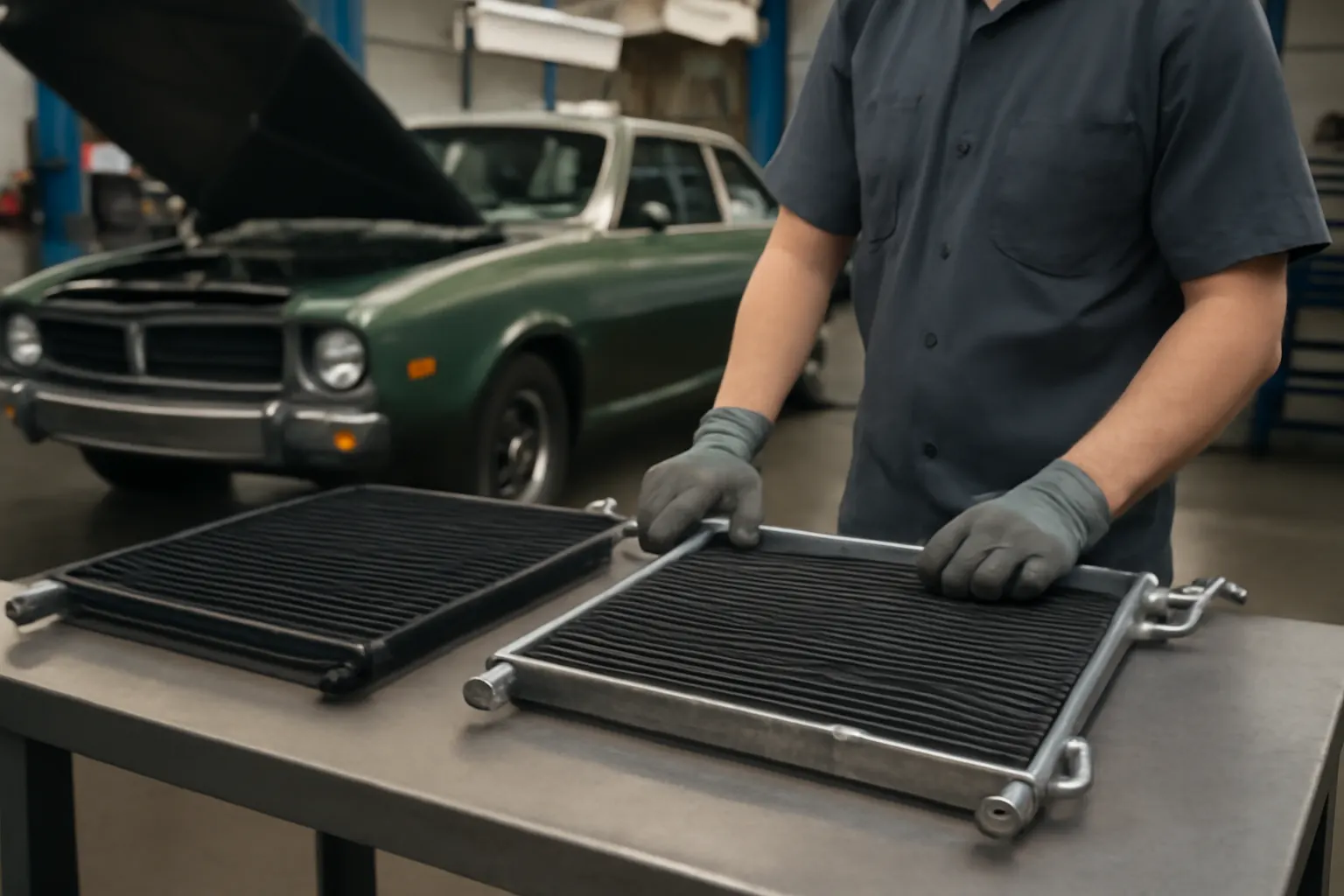
Amc Ac Condenser Aftermarket Vs Reconditioned
When restoring or maintaining a vintage AMC vehicle, few decisions are as vital to comfort and reliability as choosing the right AC condenser. The big question facing AMC owners is whether to opt for an aftermarket replacement or a reconditioned original condenser. The answer: for most AMC enthusiasts seeking long-term reliability, aftermarket AC condensers offer consistent performance and modern materials, while reconditioned originals may suit those prioritizing authenticity and period-correct restoration. However, the choice isn’t as simple as “new vs.
Read More