Advertisement
Rear visibility is not just a matter of comfort—it's a fundamental element of road safety, accident prevention, and vehicle maintenance. Clear rear windows and a properly functioning rear window washer system are essential for every driver, regardless of vehicle make or model. This comprehensive guide explores why rear window clarity is critical, the consequences of poor rearward vision, and how routine washer system maintenance can help you avoid costly accidents and repairs. For a deeper dive into the mechanics and replacement of rear washer systems, see our Rear Window Washer Motor: Complete Technical Guide & Replacement Insights.
The Immediate Answer: Rear Visibility Saves Lives
Rear visibility is directly tied to safe driving. Being able to see clearly out of your rear window allows you to:
- Monitor traffic and obstacles behind you
- Safely reverse and park
- Change lanes with confidence
- React to sudden hazards
A dirty or obscured rear window, often the result of a malfunctioning washer system, sharply reduces your reaction time and increases the likelihood of collisions. According to the National Highway Traffic Safety Administration (NHTSA), inadequate visibility is a significant contributing factor in rear-end and backing accidents[^1]. Ensuring your rear window washer motor and system are fully functional is not just about convenience—it's about keeping you, your passengers, and others on the road safe.
The Hidden Problem: Rear Washer System Neglect
While many drivers regularly check their front windshield wipers and fluid, the rear washer system is often overlooked—especially in hatchbacks, SUVs, and wagons where rear visibility is most critical. Over time, neglecting rear washer system maintenance can result in:
- Clogged nozzles
- Faulty washer motors
- Empty or contaminated washer fluid reservoirs
- Damaged wiring or connectors
These issues may seem minor, but they can quickly escalate into serious visibility hazards. A rear window that can't be cleaned on demand is a safety liability, particularly in adverse weather or on dirty roads.
The Technical Side: How Rear Washer Systems Work
Understanding the rear washer system's components and operation is the first step toward effective maintenance and troubleshooting. The typical rear washer system consists of:
- Washer Motor: An electric motor that pumps washer fluid from the reservoir to the rear nozzle.
- Washer Fluid Reservoir: Stores the cleaning fluid, sometimes shared with the front system, but often separate.
- Washer Nozzle: Directs the fluid onto the rear window.
- Wiring and Switches: Allow driver control from the dashboard.
- Hoses and Connectors: Carry fluid from the reservoir to the nozzle.
When you activate the rear washer, the motor engages, drawing fluid through hoses to the nozzle. The system must be sealed and free of blockages to function correctly. Even minor faults—such as a partially clogged nozzle or a weak motor—can reduce cleaning effectiveness and compromise visibility.
The Consequences: Poor Rear Visibility and Accident Risk
The real-world impact of a neglected rear washer system is often underestimated. Reduced rear visibility can lead to:
- Backing Accidents: Failing to see pedestrians, obstacles, or other vehicles when reversing.
- Lane Change Collisions: Missing fast-approaching vehicles in adjacent lanes due to a dirty rear window.
- Parking Lot Scrapes: Misjudging distances when maneuvering in tight spaces.
- Increased Reaction Times: Delayed responses to sudden hazards, especially in rain, snow, or dusty conditions.
NHTSA data underscores that visibility-related issues are a major factor in a significant percentage of non-fatal and fatal crashes[^1]. Even in vehicles equipped with backup cameras, a dirty lens—often caused by a malfunctioning rear washer—can render the system useless.
Advertisement
Diagnosing Rear Washer System Failures
If your rear washer system isn't working as expected, a systematic diagnostic approach is essential. Common symptoms include:
- No fluid spraying from the rear nozzle
- Weak or intermittent spray
- Washer motor noise but no fluid delivery
- Fluid leaks near the rear hatch
Rear Washer System Diagnostic Checklist
Use this step-by-step checklist to isolate the problem:
- Check Washer Fluid Level
- Confirm the reservoir is filled with the appropriate washer fluid.
- Inspect for Leaks
- Look for fluid pooling under the rear of the vehicle or inside the hatch.
- Test the Washer Motor
- Listen for motor operation when the switch is activated.
- Examine the Nozzle
- Remove and clean the nozzle to clear blockages.
- Inspect Hoses and Connectors
- Check for cracks, disconnections, or pinched lines.
- Check Electrical Connections
- Ensure wiring and switches are intact and functioning.
If you need detailed troubleshooting steps, refer to our Diagnosing Rear Washer System Failures guide.
The Role of the Rear Washer Motor
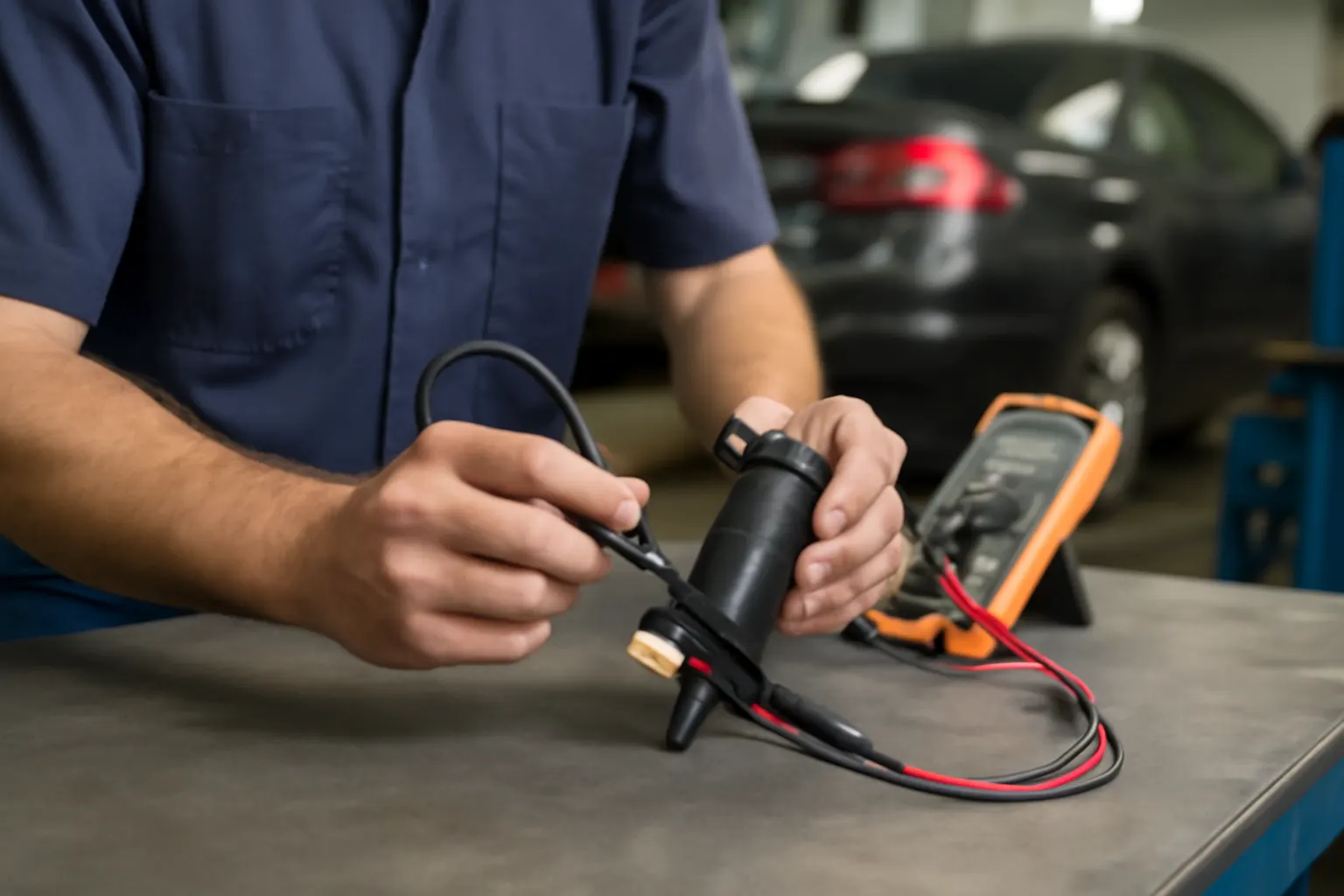
The rear washer motor is the heart of the system. This compact electric pump must generate enough pressure to deliver a strong, consistent spray. Over time, motors can fail due to:
- Electrical wear (brushes, windings)
- Fluid contamination
- Corrosion from leaks or poor seals
- Overheating caused by running dry
A failing washer motor often presents as a weak spray, no spray, or unusual noises during operation. Replacement is typically straightforward, but choosing the right motor—OEM or quality aftermarket—is critical to long-term reliability.
Maintenance: Keeping Your Rear Window Washer System in Top Shape
Routine maintenance of the rear washer system is as important as any other safety feature. A proactive maintenance routine includes:
- Monthly Fluid Level Checks: Use washer-specific fluid, not plain water, to prevent freezing and improve cleaning.
- Seasonal Nozzle Cleaning: Remove mineral deposits and road grime with a fine needle or compressed air.
- Quarterly System Inspections: Check hoses, connectors, and the reservoir for leaks or deterioration.
- Annual Electrical Testing: Ensure the washer motor receives adequate voltage and the switch functions correctly.
For all-season strategies and fluid recommendations, see Washer Fluid System Maintenance for All Seasons.
Environmental and Efficiency Considerations
Maintaining clear rear visibility isn't just about safety—it's also tied to vehicle efficiency and environmental responsibility. The United States Department of Energy notes that proper vehicle maintenance, including visibility systems, can indirectly contribute to improved fuel efficiency by reducing the need for abrupt maneuvers and braking[^2]. Additionally, using the correct washer fluid reduces environmental impact and prevents damage to paint and trim.
Choosing the Right Replacement Parts
When a rear washer motor or related component fails, selecting the appropriate replacement is crucial. Considerations include:
- Compatibility: Ensure the motor matches your vehicle's make, model, and year.
- Quality: OEM parts guarantee fit and performance, but high-quality aftermarket options may offer cost savings.
- Warranty and Support: Choose reputable brands with solid warranty coverage and technical support.
For a detailed comparison of OEM vs. aftermarket rear washer motors, read OEM vs Aftermarket Rear Washer Motors: Which Should You Choose?.
Installation Guidance: Replacing a Rear Washer Motor
Replacing a rear washer motor is a manageable DIY project for most vehicle owners with basic tools. The general steps are:
Advertisement
- Disconnect Battery: Prevent electrical shorts.
- Access the Rear Hatch Panel: Remove trim panels to expose the washer motor.
- Disconnect Wiring and Hoses: Unclip the electrical connector and fluid hose.
- Remove the Old Motor: Unscrew the mounting bolts and extract the motor.
- Install the New Motor: Reverse the removal steps, ensuring a snug fit and leak-free connections.
- Test the System: Reconnect the battery and verify proper operation.
Always consult your vehicle's service manual for specific instructions and torque specifications.
Preventative Measures: Extending the Life of Your Rear Washer System
To maximize the lifespan of your rear washer system and maintain optimal rear visibility, adopt these preventative measures:
- Use Only Recommended Fluids: Avoid household detergents or plain water.
- Operate the System Regularly: Prevent nozzle and hose clogs from inactivity.
- Protect Electrical Connections: Use dielectric grease on connectors to guard against corrosion.
- Replace Worn Components Promptly: Address weak motors, cracked hoses, or damaged nozzles as soon as issues arise.
Preventative care reduces the risk of sudden failures and ensures your rear visibility is never compromised.
Rear Visibility and Modern Safety Technology
Many modern vehicles are equipped with rear-view cameras, parking sensors, and advanced driver assistance systems (ADAS). However, these technologies are only as effective as the clarity of the rear window and camera lens. A dirty or streaked rear window can:
- Obstruct camera views, triggering error messages
- Cause ADAS to malfunction or provide false readings
- Lead to unsafe reliance on partially obscured visual aids
Maintaining your rear washer system is essential even in the era of digital safety features.
Regulatory and Inspection Considerations
In many regions, vehicle safety inspections include checks for washer and wiper operation. A malfunctioning rear washer system can result in:
- Failed safety inspections
- Tickets or fines for defective equipment
- Increased liability in the event of an accident
The NHTSA emphasizes the importance of functional visibility equipment as part of overall vehicle safety standards1. Regular maintenance and prompt repairs help ensure compliance and peace of mind.
Rear Washer System Recalls and Common Issues
Manufacturers occasionally issue recalls for rear washer motors and related components due to design flaws, premature wear, or safety concerns. It's important to:
- Check for open recalls affecting your vehicle model
- Address recall-related repairs promptly at authorized service centers
You can verify recall information through the NHTSA Recalls Database2.
AutoPartEx: Your Partner in Rear Visibility and Safety
At AutoPartEx, we understand that every component—no matter how small—plays a vital role in your vehicle's safety system. Our extensive catalog of rear window washer motors and related parts is engineered for reliability and performance. Whether you're searching for OEM replacements or high-quality aftermarket solutions, we offer expert guidance, detailed fitment information, and technical support.
Explore our Rear Window Washer Motor: Complete Technical Guide & Replacement Insights for in-depth technical resources and the right parts for your vehicle. For drivers seeking additional support, our technical team is ready to assist with diagnostics, part selection, and installation tips.
Conclusion: Make Rear Visibility a Non-Negotiable Priority
Rear visibility is a critical, yet often underappreciated, aspect of vehicle safety. A clear rear window—powered by a reliable washer system—enables safer driving, reduces accident risk, and ensures compliance with safety regulations. By maintaining your rear washer system and promptly addressing issues, you invest in your safety, your vehicle's longevity, and the well-being of everyone on the road.
Don't wait for a rainy day or a close call to realize the importance of rear visibility. Make rear window clarity a routine part of your vehicle maintenance schedule, and trust AutoPartEx for the expertise and parts you need to keep your vision clear, mile after mile.
References
- Vehicle Safety and Equipment – National Highway Traffic Safety Administration
- Fuel Efficiency – United States Department of Energy
- Vehicle, Car Seat, Tire, and Equipment Recalls – National Highway Traffic Safety Administration
Footnotes
Advertisement