
Advertisement
Selecting the correct washer motor for your vehicle—especially for the rear window—can make the difference between clear visibility and a frustrating, potentially unsafe driving experience. This comprehensive AutoPartEx guide will walk you through the essential factors to consider, including compatibility, quality, diagnostics, and installation. Whether you’re a DIY enthusiast or a professional technician, this resource ensures you choose the right motor and maximize your vehicle’s safety and performance. For further details on compatible parts, you can always browse our Rear Window Washer Motor Replacement & Technical Guide.
Immediate Answer: How to Choose the Right Washer Motor
To choose the right washer motor for your vehicle, you must:
- Identify your vehicle’s make, model, and year—washer motors are rarely universal.
- Check compatibility with your specific rear window washer system.
- Verify electrical connector type and mounting configuration.
- Evaluate build quality and materials for durability and performance.
- Confirm installation requirements—some motors require modifications or specific tools.
- Consult trusted sources for part numbers, technical specs, and safety standards.
The correct washer motor ensures reliable operation, maintains clear rear visibility, and supports your vehicle’s overall safety—especially during adverse weather conditions.
The Hidden Problem: Why Washer Motor Selection Often Goes Wrong
Many vehicle owners and even some technicians underestimate the complexity of washer motor selection. The rear window washer motor is a small but critical component—choosing the wrong type can lead to:
- Poor washer performance or complete inoperability.
- Electrical incompatibility that may damage the vehicle’s wiring.
- Premature failure due to substandard materials.
- Fitment issues that require time-consuming returns or modifications.
- Non-compliance with safety standards, potentially affecting vehicle inspection results.
The National Highway Traffic Safety Administration (NHTSA) emphasizes that all vehicle safety equipment—including washer systems—must function correctly to maintain driver visibility and meet road safety standards [^1]. Overlooking compatibility or quality can result in costly mistakes and reduce your vehicle’s safety margin.
Why the Right Washer Motor Matters: Technical and Safety Implications
Washer motors are more than simple pumps. They are engineered to deliver precise fluid pressure, withstand temperature extremes, and integrate seamlessly with your vehicle’s electrical system. A mismatched or low-quality washer motor can:
- Fail to provide sufficient pressure, leaving streaks or grime on your rear window.
- Draw incorrect current, tripping fuses or damaging switches.
- Suffer from rapid corrosion or seal failure, especially if made from inferior materials.
- Compromise safety, as a dirty rear window reduces your field of vision.
In many modern vehicles, the rear window washer motor is also integrated with advanced driver-assistance systems (ADAS), rear cameras, and rain sensors. Faulty operation may affect these systems, leading to broader safety and drivability concerns.
Understanding Rear Window Washer Motor Types and Specifications
Before purchasing a washer motor, understand the key technical specifications:
- Voltage: Most passenger vehicles use 12V systems, but always confirm.
- Flow Rate: Measured in liters per minute (L/min), this affects cleaning performance.
- Mounting Style: Some motors are integrated into the washer reservoir, while others are externally mounted.
- Connector Type: Electrical plugs vary—OEM-style connectors prevent wiring errors.
- Material Construction: Motors with high-quality seals and corrosion-resistant plastics last longer.
Advertisement
Refer to your vehicle’s service manual or the wiper and washer system parts page for OEM specifications.
The Compatibility Checklist: Ensuring a Perfect Fit
Use this checklist to avoid the most common washer motor selection mistakes:
Rear Washer Motor Compatibility Checklist
| Step | What to Check | Why It Matters |
|---|---|---|
| 1 | Vehicle Make/Model/Year | Ensures correct fit and function. |
| 2 | OEM Part Number | Matches specs to original equipment. |
| 3 | Electrical Connector | Prevents wiring errors. |
| 4 | Reservoir Shape/Size | Confirms physical fit. |
| 5 | Mounting Points | Avoids modification or drilling. |
| 6 | Voltage & Flow Rate | Maintains system performance. |
| 7 | Material Quality | Increases longevity and resistance to chemicals. |
| 8 | Warranty/Certification | Indicates manufacturer confidence and regulatory compliance. |
Check each point before purchasing to guarantee a smooth installation.
Sourcing a Quality Washer Motor: OEM vs. Aftermarket
When selecting a washer motor, you’ll encounter both Original Equipment Manufacturer (OEM) and aftermarket options. Here’s how they compare:
OEM Washer Motors
- Pros: Guaranteed fit, exact specifications, reliable performance, often come with a warranty.
- Cons: Higher price, sometimes limited availability.
Aftermarket Washer Motors
- Pros: Lower cost, wider selection, sometimes improved materials or design.
- Cons: Quality varies significantly; fitment and longevity may not match OEM standards.
Tip: Look for aftermarket brands that meet or exceed SAE standards and have positive user reviews. Always check for certifications or compliance with standards set by organizations like SAE International [^2].
Diagnosing Rear Washer Motor Failure
Before replacing your washer motor, confirm that it is indeed the source of the problem. Common symptoms of rear washer motor failure include:
- No fluid spray when activating the rear washer.
- Audible clicking or humming but no fluid movement.
- Blown fuse or tripped circuit when activating the washer.
- Fluid leaks around the motor or reservoir.
Diagnostic Steps:
- Check the washer fluid level—an empty reservoir is a common oversight.
- Inspect fuses and relays for signs of electrical faults.
- Listen for the motor—no sound may indicate electrical failure.
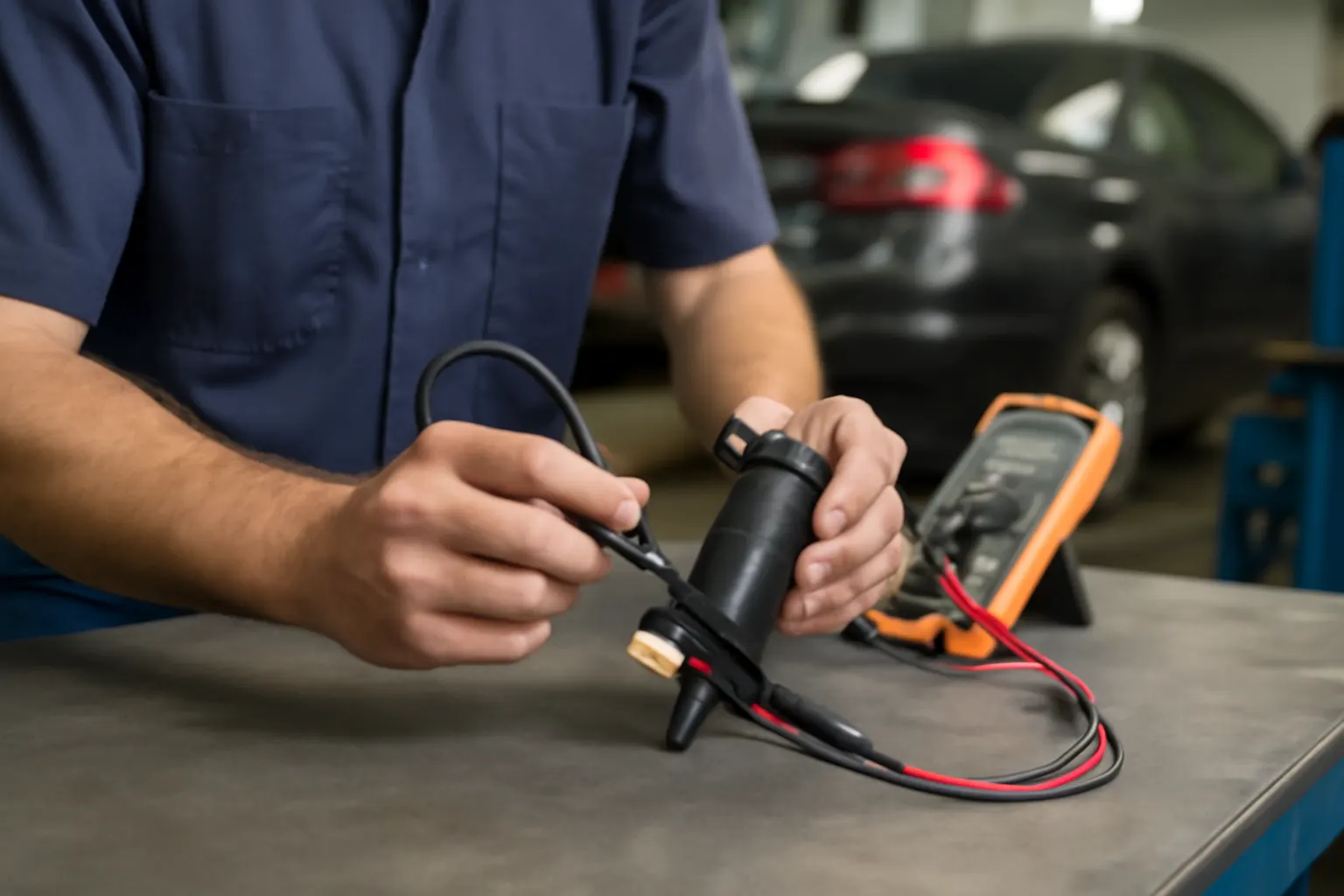
- Test voltage at the connector using a multimeter.
- Check for clogged nozzles or hoses—these can mimic motor failure.
If you need step-by-step guidance, see our How to Diagnose and Replace a Rear Window Washer Motor tutorial.
Installation Considerations: What to Expect
Installing a rear window washer motor is typically straightforward, but each vehicle presents unique challenges. Key considerations include:
- Accessing the Motor: Some motors are housed inside the rear hatch or tailgate, requiring trim removal.
- Reservoir Removal: Motors integrated with the washer reservoir may require draining and removing the tank.
- Electrical Connections: Always disconnect the battery before handling electrical components.
- Seal Integrity: Replace any worn grommets or seals to prevent fluid leaks.
- Testing: Run the system after installation to check for leaks and proper operation.
A detailed installation guide is available in our Complete Rear Wiper and Washer System Maintenance article.
Quality and Materials: What Sets a Good Washer Motor Apart
The United States Department of Energy highlights the importance of advanced materials in automotive components for durability, weight reduction, and performance [^3]. When evaluating washer motors, consider:
- Sealing and Waterproofing: Look for robust seals that prevent fluid ingress into the motor.
- Corrosion Resistance: Quality plastics or treated metals resist degradation from washer fluid and environmental exposure.
- Motor Windings: Copper windings and high-quality brushes ensure reliable operation.
Cheap, poorly made motors may fail prematurely, leading to repeat replacements and additional labor costs.
Advertisement
Safety and Regulatory Standards
Washer motors are considered essential safety equipment, as impaired rear visibility can increase accident risk. The NHTSA mandates that all safety equipment, including rear window washers, meet stringent operational standards 1. Key points:
- Certification: Choose motors certified to meet or exceed OEM and SAE standards.
- Recalls: Check the NHTSA recall database to avoid known defective parts 2.
- Documentation: Keep receipts and installation records for inspection or warranty purposes.
Proper washer system operation is a requirement for vehicle inspections in many regions.
Common Pitfalls and How to Avoid Them
Even experienced DIYers and technicians can make mistakes when replacing a washer motor. Common pitfalls include:
- Assuming Universality: Not all washer motors are interchangeable—even among similar models.
- Ignoring Subtle Differences: Small changes in connector shape or mounting points can prevent installation.
- Overlooking Fluid Compatibility: Some motors are sensitive to specific washer fluids (especially those with additives).
- Skipping System Flush: Old fluid or debris can contaminate the new motor or clog nozzles.
Always double-check part numbers, and if in doubt, consult a parts specialist or your vehicle’s service manual.
Maintenance Tips for Long Washer Motor Life
Proper maintenance extends the life of your rear washer motor and ensures reliable operation:
- Use Recommended Washer Fluid: Avoid homemade mixtures that may corrode seals or pump internals.
- Flush the System: Periodically run clean water through the system to remove debris.
- Inspect Hoses and Nozzles: Blockages can strain the motor and reduce performance.
- Check for Leaks: Early detection prevents electrical damage and fluid loss.
- Operate the System Regularly: Infrequent use can allow fluid to stagnate and clog the pump.
For a full maintenance schedule, visit Complete Rear Wiper and Washer System Maintenance.
When to Replace: Recognizing Failure Signs
Don’t wait for complete failure before acting. Key signs your rear washer motor may need replacement include:
- Intermittent operation—motor works sporadically or only in certain conditions.
- Unusual noises—grinding, squealing, or excessive buzzing.
- Weak spray—reduced pressure or uneven fluid distribution.
- Visible corrosion—around motor housing or electrical connectors.
For a deeper dive into symptoms and troubleshooting, see our Top 5 Signs Your Rear Washer Motor Needs Replacement.
The AutoPartEx Advantage: Trusted Guidance and Quality Parts
At AutoPartEx, we combine technical expertise with a vast inventory of quality washer motors for all major vehicle makes and models. Our guides, such as this Rear Window Washer Motor Replacement & Technical Guide, are designed to help you make informed, confident decisions—whether you’re sourcing for a daily driver or a specialty vehicle.
With AutoPartEx, you benefit from:
- Expert-vetted part listings—ensuring compatibility and quality.
- Comprehensive technical resources—from diagnostics to installation.
- Responsive support—our team is ready to help with any washer motor question.
When you need reliable rear window washer motor parts, trust AutoPartEx for the right fit, every time.
Conclusion: Make the Right Choice for Safety and Performance
Choosing the right washer motor for your vehicle is more than a simple replacement—it’s an investment in your safety, visibility, and driving comfort. By following this guide, checking compatibility, prioritizing quality, and using trusted sources, you can avoid common pitfalls and ensure your rear washer system works flawlessly when you need it most.
For further support, browse our wiper and washer system parts or consult our editorial guides for diagnostics, replacement, and maintenance.
References
- Vehicle Safety and Equipment — National Highway Traffic Safety Administration
- SAE Standards — SAE International
- Materials Technologies — United States Department of Energy
- Vehicle, Car Seat, Tire, and Equipment Recalls — NHTSA
Footnotes
Advertisement


