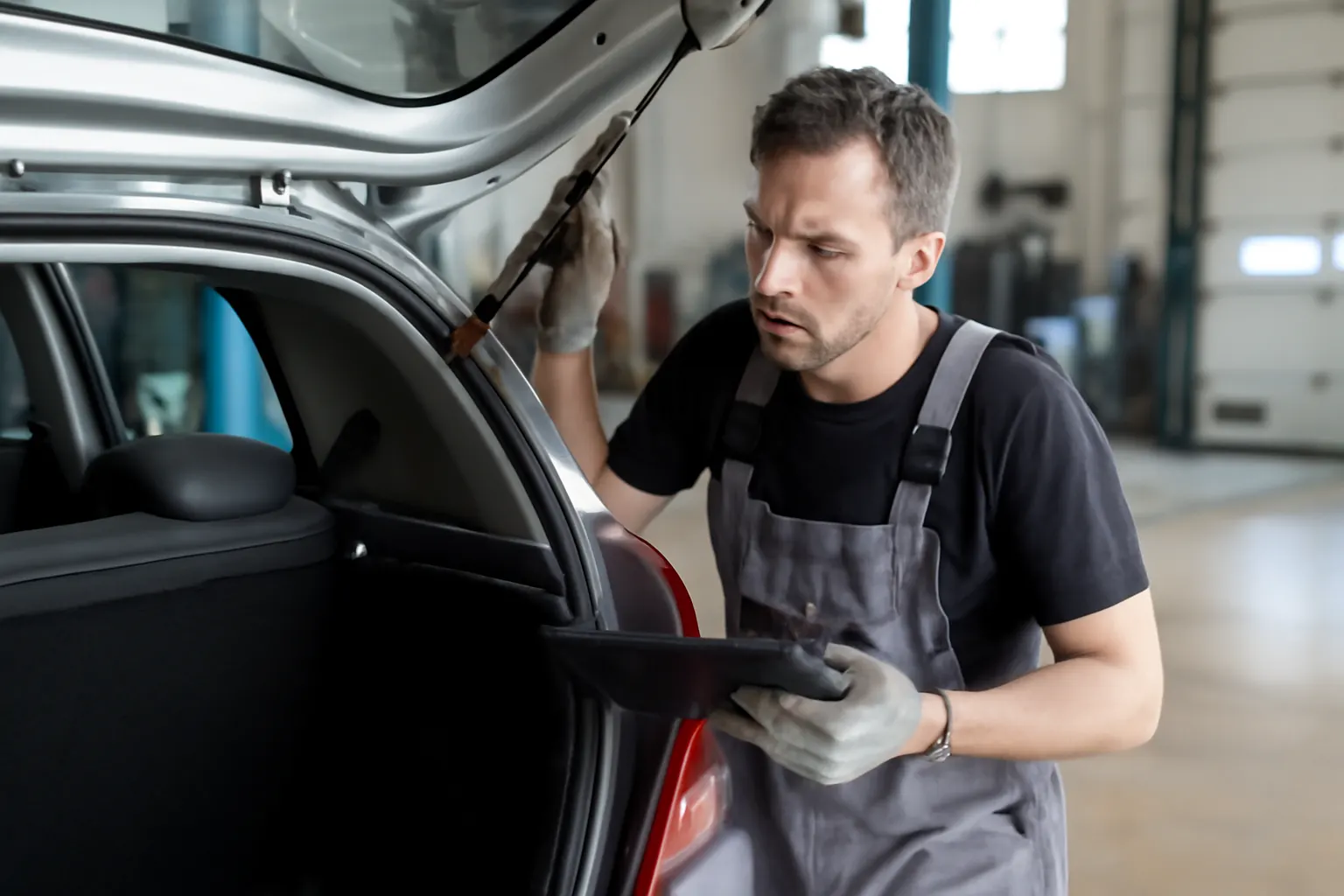
Weatherproofing Your Cargo Area: The Importance of Trunk Seals
When it comes to protecting your vehicle’s cargo area, few components are as crucial yet overlooked as the trunk lid seal. A properly functioning trunk seal is your car’s first line of defense against water ingress, dust, noise, and even the subtle but destructive effects of corrosion and mold. Whether you drive a modern hatchback, a traditional sedan, or a rugged SUV, understanding the importance of trunk seals and how to maintain them is essential for the longevity of your vehicle and the safety of your belongings.
For a deeper dive into structural and access solutions for modern vehicles, visit our Hatch and Trunk Lid: Structural, Security, and Access Solutions for Modern Vehicles category page, where you’ll find a wealth of information on related parts and maintenance strategies.
The Immediate Answer: Why Trunk Seals Matter
Trunk seals—sometimes called weatherstripping or hatch seals—are engineered rubber or synthetic gaskets that run along the perimeter of your trunk opening. Their primary purpose is to create a watertight and airtight barrier when the trunk lid is closed. This seemingly simple component prevents rain, road spray, and dust from entering your cargo area, protecting both your vehicle’s structure and the items you store within.
Without an effective trunk seal, water can easily seep into the cargo area, leading to immediate and long-term issues such as:
- Water-damaged upholstery and carpeting
- Mold and mildew growth
- Corrosion of metal components
- Electrical system failures from moisture intrusion
- Compromised safety and security
A reliable trunk seal ensures your vehicle remains comfortable, clean, and protected—making it a critical maintenance point for all vehicle owners.
The Hidden Problem: Trunk Seal Failure Is More Common Than You Think
Many vehicle owners don’t realize their trunk seal is failing until visible water damage or a persistent musty odor appears. Trunk seals are subjected to constant compression, temperature variations, UV exposure, and the chemical effects of road salts and pollutants. Over time, these factors cause the seal material to degrade—hardening, cracking, or losing its elasticity.
The consequences of trunk seal neglect are often hidden until the damage becomes costly or irreversible. Moisture that enters through a compromised seal can migrate into the vehicle’s body structure, accelerating rust and corroding critical components. Even a small gap can allow enough water to cause significant problems over time.
Problem Expansion: How Water Ingress Leads to Mold, Corrosion, and More
The Domino Effect of a Leaking Trunk
A leaking trunk is more than a minor inconvenience. When water enters the cargo area, it can saturate the carpet, sound deadening, and insulation materials. These damp environments are ideal breeding grounds for mold and mildew, which not only produce unpleasant odors but can also pose health risks to occupants.
But the problem doesn’t stop there. Water trapped beneath the carpet or inside body cavities can:
- Promote rapid rusting of the trunk floor, wheel wells, and rear body panels
- Accelerate electrical connector corrosion, leading to intermittent faults or system failures
- Damage sensitive electronics—especially in modern vehicles with rear-mounted control modules or sensors
- Freeze in cold climates, causing expansion damage or trunk latch malfunctions
Over time, these issues can undermine your vehicle’s safety, resale value, and overall reliability.
Real-World Examples
Numerous vehicle recalls and technical service bulletins have been issued due to trunk seal failures and the resulting water damage. Even luxury vehicles are not immune—making regular inspection and maintenance vital for all car owners.
Technical Deep Dive: Trunk Seal Design and Material Science
How Trunk Seals Are Engineered
Trunk seals are designed to withstand repeated cycles of compression and decompression every time the lid is opened or closed. They are typically constructed from EPDM (ethylene propylene diene monomer) rubber, a material prized for its weather resistance, flexibility, and durability. Some modern vehicles use multi-lip or foam-core seals for enhanced sealing performance.
Key engineering considerations include:
- Compression Set Resistance: The ability of the seal to return to its original shape after being compressed.
- UV and Ozone Resistance: Protection against sunlight and atmospheric degradation.
- Chemical Resistance: Ability to withstand road salts, fuels, and cleaning chemicals.
- Noise Isolation: Seals also serve as a barrier to reduce road and wind noise entering the cabin.
Standards and Testing
Trunk seals must meet stringent industry standards for durability, fit, and performance. Organizations such as SAE International publish guidelines for automotive weatherstripping design and testing to ensure reliability across a range of environmental conditions[^1].
Recognizing the Signs of a Failing Trunk Seal
Early detection of trunk seal problems can save you from costly repairs. Here are the most common indicators that your trunk seal needs attention:
- Visible cracks, splits, or hardening of the rubber
- Water stains or dampness in the cargo area
- Persistent musty or moldy odors
- Noticeable drafts or dust accumulation in the trunk
- Increased road noise from the rear of the vehicle
- Difficulty closing the trunk lid or inconsistent latch engagement
If you notice any of these symptoms, it’s time to inspect your trunk seal and consider repair or replacement.
Diagnostic Checklist: Trunk Seal Inspection
Use this step-by-step checklist to evaluate the condition of your trunk seal:
| Step | Action | What to Look For |
|---|---|---|
| 1 | Visual Inspection | Examine the entire length of the seal for cracks, tears, or missing sections. |
| 2 | Touch Test | Press along the seal to check for hard, brittle, or flattened areas. Healthy seals should feel flexible and springy. |
| 3 | Water Test | With the trunk closed, spray water along the seal perimeter. Check inside for leaks or dampness. |
| 4 | Paper Test | Place a strip of paper between the seal and trunk lid, then close the trunk. If the paper slides out easily, the seal may not be making proper contact. |
| 5 | Odor Check | Smell the trunk area for musty or moldy odors, which indicate moisture intrusion. |
| 6 | Debris Removal | Clean any leaves, dirt, or road debris from the seal groove—blockages can compromise sealing. |
Perform this inspection at least twice a year, or more often if you live in an area with harsh weather or salted winter roads.
The Cost of Neglect: Water Damage, Mold, and Corrosion
Water Damage
Water entering through a failed trunk seal can ruin more than just your groceries. Over time, it can:
- Soak insulation and carpet, leading to persistent dampness
- Cause adhesive failure and material delamination
- Create ideal conditions for rust to take hold
Mold and Mildew
Once mold begins growing in your cargo area, it can be extremely difficult to remove. Mold spores can infiltrate the vehicle’s HVAC system, causing odors throughout the cabin and potentially triggering allergies or respiratory issues.
Corrosion
Modern vehicles use advanced materials and coatings to resist corrosion, but water intrusion bypasses these defenses. Rust can quickly spread from the trunk floor to structural components, weakening the body and potentially compromising crash safety[^2].
The Impact on Vehicle Safety and Resale Value
Trunk seal failure isn’t just a cosmetic issue—it can directly affect your vehicle’s safety systems and resale value.
- Safety: Water can corrode wiring harnesses, sensors, and even rear-mounted safety equipment, leading to system malfunctions[^3].
- Resale Value: Used car buyers and dealers look for signs of water damage and rust. A history of trunk leaks can significantly lower your vehicle’s market value.
- Insurance Claims: Some insurance policies may not cover water damage resulting from neglected maintenance.
Maintaining a proper seal is a small investment that pays off in preserved vehicle integrity and peace of mind.
Sourcing the Right Replacement Trunk Seal
When replacement is necessary, sourcing a high-quality trunk seal is crucial. Here’s what to consider:
- OEM vs. Aftermarket: OEM (Original Equipment Manufacturer) seals are guaranteed to fit but can be more expensive. High-quality aftermarket seals may offer improved materials or designs but require careful selection.
- Fitment: Always verify the seal is compatible with your vehicle’s make, model, and year. Even minor differences in trunk design can affect fit.
- Material Quality: Look for EPDM rubber or equivalent materials that meet or exceed OEM specifications.
- Warranty: Reputable suppliers offer warranties against premature failure or defects.
For guidance on choosing and upgrading trunk and hatch components, see our editorial: Upgrading Your Hatchback: Choosing the Right Lid and Accessories.
Installation Guidance: How to Replace a Trunk Seal
Replacing a trunk seal is a straightforward DIY project for most vehicle owners. Here’s a step-by-step overview:
- Remove the Old Seal: Gently pull the old seal away from the trunk flange. Use a plastic trim tool to avoid scratching the paint.
- Clean the Surface: Remove all residue, dirt, and adhesive from the mounting surface. A mild solvent and clean rag work well.
- Test Fit the New Seal: Dry-fit the new seal to ensure correct length and alignment. Some seals are directional—follow manufacturer instructions.
- Apply Adhesive (if required): Some seals require adhesive. Apply a thin, even bead and press the seal into place.
- Install the Seal: Work slowly, pressing the seal firmly onto the flange. Ensure it is seated evenly and no gaps remain.
- Final Inspection: Once installed, close the trunk and check for proper compression and alignment. Perform a water test to confirm a watertight seal.
For a detailed, illustrated guide, see How to Replace a Trunk Lid: Step-by-Step Guide.
Maintenance Tips for Long-Lasting Trunk Seals
Proper care can extend the life of your trunk seal and prevent premature failure:
- Regular Cleaning: Wipe the seal and surrounding area with a damp cloth to remove dirt and debris.
- Lubrication: Apply a silicone-based rubber conditioner every few months to maintain flexibility and prevent drying or cracking.
- Inspect After Severe Weather: After heavy rain or snow, check for water intrusion or damage.
- Avoid Harsh Chemicals: Do not use petroleum-based cleaners or solvents, which can degrade rubber.
- Check Alignment: Ensure the trunk lid closes evenly and does not pinch or misalign the seal.
Routine maintenance is especially important for vehicles frequently exposed to extreme temperatures or road salt.
Frequently Asked Questions About Trunk Seals
Can I repair a damaged trunk seal, or should I replace it?
Minor nicks or small cracks can sometimes be repaired with automotive weatherstrip adhesive or rubber patch kits. However, if the seal is hardened, significantly cracked, or missing sections, replacement is the only reliable solution.
How often should trunk seals be replaced?
There is no fixed interval, as lifespan depends on climate, usage, and exposure. Inspect your trunk seal at least twice a year and replace it at the first sign of failure.
Are aftermarket trunk seals as good as OEM?
High-quality aftermarket seals can perform as well as or better than OEM, provided they are made from suitable materials and designed for your specific vehicle. Always purchase from reputable suppliers.
Will replacing my trunk seal improve cabin noise levels?
Yes, a new, properly fitted trunk seal can reduce rear cabin noise by blocking road and wind noise from entering through the trunk area.
AutoPartEx: Your Partner in Trunk and Hatch Solutions
At AutoPartEx, we understand that maintaining your vehicle’s weatherproofing is about more than comfort—it’s about preserving value, safety, and peace of mind. Our extensive selection of Hatch and Trunk Lid components, including premium trunk seals, ensures you’ll find the right fit for your vehicle. We provide technical guidance, product reviews, and expert support to empower DIYers and professionals alike.
Whether you’re sourcing a new seal, upgrading your trunk lid, or troubleshooting a persistent leak, AutoPartEx is your trusted resource for high-quality parts and reliable advice.
Related Reading and Next Steps
- Common Causes of Trunk Lid Failure and How to Prevent Them
- Upgrading Your Hatchback: Choosing the Right Lid and Accessories
Explore these resources to deepen your understanding of trunk and hatch maintenance, upgrade options, and preventative strategies.