
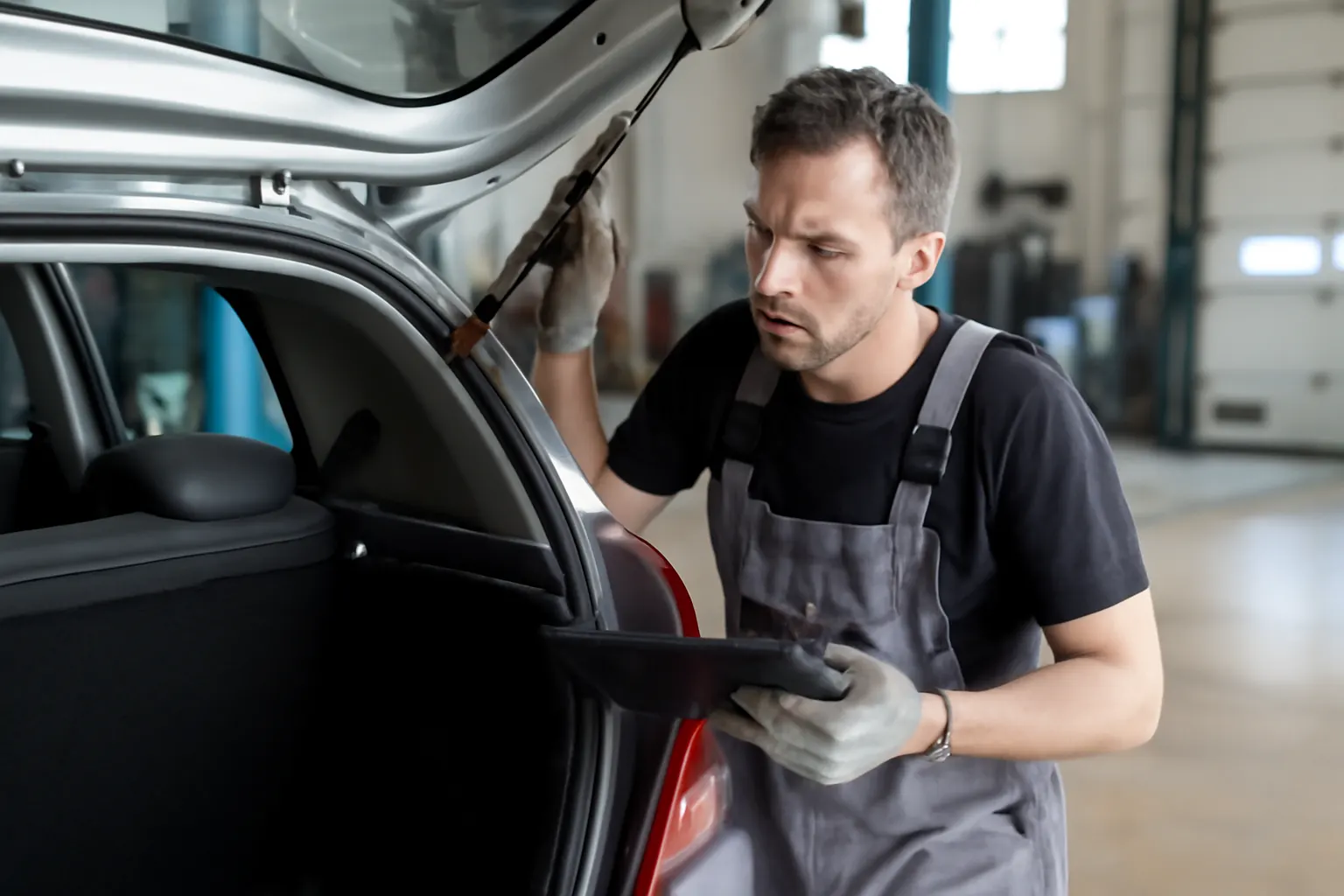
Common Causes of Trunk Lid Failure and How to Prevent Them
A malfunctioning trunk or hatch lid is more than a nuisance—it can compromise security, vehicle structure, and even fuel efficiency. Whether you drive a sedan, hatchback, or SUV, understanding the most common causes of trunk lid failure is essential for avoiding costly repairs and ensuring safe, reliable access to your cargo space. This guide explains why trunk and hatch lids fail, how to spot early warning signs, and what you can do to prevent problems before they start. For a broader look at trunk and hatch lid technologies and solutions, see our Hatch and Trunk Lid: Structural, Security, and Access Solutions for Modern Vehicles category page.
Why Trunk Lid Failures Matter More Than You Think
At first glance, a sticky or misaligned trunk lid may seem like a minor inconvenience. However, trunk lid failures can lead to water ingress, rust, electrical faults, reduced structural integrity, and even safety risks if the trunk pops open while driving. Modern vehicles rely on the trunk or hatch area for structural reinforcement, energy absorption in collisions, and secure storage. Unresolved lid issues can escalate quickly, affecting everything from theft prevention to weatherproofing and even fuel economy due to increased drag from poor sealing (DOE Fuel Efficiency).
The Hidden Problem: Overlooked Causes and Escalating Costs
Many drivers ignore early symptoms of trunk lid trouble, assuming a stiff latch or slow lift is merely an annoyance. In reality, these are often the first signs of deeper issues—corrosion, worn-out struts, electrical faults, or misaligned hinges. Left unaddressed, minor trunk lid problems can snowball into major repairs, such as full panel replacements, bodywork, or water damage to the interior. The cost and complexity of these repairs can far exceed the price of simple maintenance or early intervention.
Anatomy of a Trunk or Hatch Lid: Key Components and Failure Points
To understand trunk lid failures, it's important to know how these systems are built. Most modern trunk or hatch lids consist of:
- Outer panel: Usually steel, aluminum, or composite material for strength and weight reduction (DOE Materials Technologies).
- Inner frame: Provides rigidity and mounting points for hardware.
- Hinges: Attach the lid to the vehicle body, allowing for smooth opening/closing.
- Latch and lock mechanism: Secures the lid and often integrates with central locking or electronic release systems.
- Lift supports (struts): Gas or spring-loaded devices that hold the lid open.
- Weather seals: Rubber gaskets to keep out water, dust, and noise.
- Wiring harnesses: For trunk lights, release buttons, rear cameras, and sensors.
Failures can occur in any of these areas, but some are more prone than others due to wear, environmental exposure, or design.
Most Common Causes of Trunk Lid Failure
1. Corrosion and Rust
Why it happens: Trunk and hatch lids are exposed to the elements. Chips in paint, clogged drain channels, or worn weather seals allow water and road salt to reach bare metal, triggering rust. Over time, corrosion can eat through the lid, hinges, or latch mounting points.
Warning signs:
- Bubbling paint or visible rust spots around the trunk edge, latch, or hinges
- Water leaks in the trunk area
- Difficulty closing or latching the lid
2. Latch and Lock Malfunctions
Why it happens: Mechanical latches wear out or become misaligned. Electronic releases may fail due to wiring issues, failed actuators, or moisture ingress.
Warning signs:
- Trunk won’t stay closed or pops open unexpectedly
- Key or button fails to release the latch
- Clicking sounds from the latch area without release
3. Worn or Failed Lift Supports (Struts)
Why it happens: Gas-charged struts lose pressure over time, especially in cold climates or with heavy use.
Warning signs:
- Trunk lid slams shut or won’t stay open
- Lid feels unusually heavy to lift
- Hissing or oil leaks from the strut body
4. Hinge Wear and Misalignment
Why it happens: Hinges can bend, seize, or wear out, especially if the trunk is used as a seat, overloaded, or forced open in icy conditions.
Warning signs:
- Trunk lid sits unevenly or rubs against the body
- Creaking or grinding noises when opening/closing
- Increased resistance or binding
5. Weather Seal Deterioration
Why it happens: Exposure to UV, ozone, and temperature swings causes rubber seals to crack, shrink, or lose flexibility.
Warning signs:
- Water in the trunk after rain or car washes
- Musty odors or visible mold
- Excessive wind noise from the rear of the car
6. Electrical Faults and Wiring Damage
Why it happens: Moving wires (for trunk lights, cameras, or release switches) can chafe, break, or corrode at hinge points.
Warning signs:
- Trunk light or rear camera malfunctions
- Intermittent or nonfunctional electronic trunk release
- Dashboard warning lights
7. Impact and Accident Damage
Why it happens: Even minor rear-end collisions can bend trunk lids, hinges, or latches, leading to persistent alignment and sealing issues.
Warning signs:
- Visible dents, misalignment, or gaps
- Difficulty closing the lid
- New noises or water leaks after an accident
Diagnostic Checklist: Spotting Trunk Lid Issues Early
Early detection is the best way to avoid expensive repairs. Use this checklist during routine maintenance or when you notice changes in trunk operation:
| Symptom | Likely Cause | Immediate Action |
|---|---|---|
| Lid won’t stay open | Worn/failing struts | Replace struts |
| Hard to latch/close | Misaligned hinges/latch, corrosion | Inspect alignment, check for rust |
| Water in trunk | Failed weather seal, rust holes | Inspect/replace seals, check for rust |
| Popping open | Latch misalignment or failure | Inspect/replace latch, realign |
| Electrical issues | Wiring harness damage | Inspect wiring, repair/replace as needed |
| Rust spots | Paint chips, clogged drains | Treat rust, touch up paint, clear drains |
Preventing Trunk Lid Failures: Proactive Maintenance Strategies
Regular Cleaning and Inspection
- Wash trunk seams and hinges: Remove road salt, dirt, and debris to prevent corrosion.
- Inspect weather seals: Look for cracks, gaps, or hardening. Replace as needed.
- Check for proper drainage: Ensure trunk channels and drain holes are clear.
Lubrication and Adjustment
- Lubricate hinges and latch: Use a silicone-based spray or white lithium grease on moving parts every 6-12 months.
- Adjust alignment: If the lid sits unevenly, have a professional adjust the hinges and latch for smooth operation.
Weatherproofing
Proper weatherproofing not only prevents water damage but also helps maintain structural integrity and fuel efficiency by reducing drag from poorly sealed trunk lids. Learn more about the importance of trunk seals in our Weatherproofing Your Cargo Area: The Importance of Trunk Seals guide.
Replace Worn Parts Promptly
- Struts: Replace both struts at the first sign of weakness to prevent sudden lid drops.
- Seals: Don’t delay replacing cracked or flattened weather seals.
- Latch components: If the latch sticks or fails intermittently, address the issue before it becomes a lockout or safety hazard.
Protect Against Rust
- Touch up paint chips: Use manufacturer-approved touch-up paint on any bare metal.
- Apply rust inhibitors: Especially in areas prone to road salt.
- Store indoors when possible: Reduces exposure to moisture and corrosive elements.
When to Replace vs. Repair: Making the Right Call
Some trunk lid issues can be repaired with simple adjustments or part replacements. Others, such as severe rust-through or accident damage, may require a full lid replacement. Signs that replacement is the best option include:
- Extensive rust or structural weakening
- Severe misalignment or deformation
- Multiple failed latch or hinge repairs
For a step-by-step replacement guide, visit How to Replace a Trunk Lid: Step-by-Step Guide.
Sourcing Quality Replacement Parts
When replacement is necessary, sourcing the correct part is critical. Here’s what to consider:
- OEM vs. Aftermarket: OEM parts guarantee fit and finish, but quality aftermarket options can offer cost savings.
- Material: Modern lids may use steel, aluminum, or composite materials. Match the original for best fit and corrosion resistance (DOE Materials Technologies).
- Compatibility: Check manufacturer, model, and year. Some trunks have integrated antennas, cameras, or sensors that require specific provisions.
- Included hardware: Some replacement lids come with hinges, struts, or seals; others do not.
Installation Tips for DIYers
If you’re comfortable with basic tools, many trunk lid repairs or replacements can be performed at home:
- Support the lid: Use a prop rod or helper to prevent injury when removing struts or hinges.
- Mark alignment points: Use a marker or tape to note hinge positions before removal.
- Transfer components: Move all hardware, wiring, and seals from the old lid to the new one as needed.
- Double-check fit: Before final tightening, check lid alignment and latch operation.
For more in-depth advice, see our Upgrading Your Hatchback: Choosing the Right Lid and Accessories.
Addressing Electronic Trunk Systems
Modern vehicles increasingly use power-operated trunk and hatch systems. These add convenience but introduce new failure points:
- Actuators: Electric motors can fail or become jammed.
- Sensors: Faulty sensors may prevent the lid from opening or closing.
- Wiring: Moving wires are especially prone to fatigue and breakage.
If your vehicle has a power trunk, consult the service manual for diagnostic procedures. Many issues can be traced to blown fuses, faulty switches, or damaged wiring at hinge points. For persistent faults, professional diagnostics may be required.
The Role of Trunk Lids in Vehicle Safety
Trunk and hatch lids are not just access panels—they play a key role in crash safety and theft prevention. According to the National Highway Traffic Safety Administration, trunk hardware must meet strict standards to prevent accidental opening and protect occupants in rear impacts. A compromised lid can reduce the effectiveness of the crumple zone or allow dangerous cargo intrusion in a collision.
Additionally, trunk latches now often include emergency release handles to prevent entrapment. Ensure these features are functional and not obstructed by cargo or aftermarket accessories.
Recognizing Manufacturer-Specific Issues
Some brands and models have known trunk lid weaknesses, such as premature strut failure or chronic latch problems. Staying informed about recalls or technical service bulletins (TSBs) can help you address issues proactively. Check the NHTSA recall database or consult your dealership if you suspect a design flaw.
If you drive a specific make, such as Acura or AMC, explore our manufacturer pages for parts and technical resources tailored to your vehicle.
AutoPartEx: Your Partner in Trunk Lid Solutions
At AutoPartEx, we understand that your trunk or hatch lid is a vital part of your vehicle’s structure, security, and usability. Our comprehensive Hatch and Trunk Lid category connects you with high-quality replacement lids, struts, latches, and seals for a wide range of makes and models. Whether you’re restoring a classic hatchback or maintaining a modern SUV, our technical resources and expert support ensure a perfect fit the first time.
Expert Action: Don’t Wait for Failure—Inspect and Maintain Today
Trunk lid problems rarely resolve themselves. Early detection and proactive maintenance can save you from costly repairs, water damage, or safety risks down the road. Make trunk and hatch lid inspection a regular part of your vehicle care routine. If you spot signs of trouble, consult AutoPartEx for quality parts, detailed guides, and the technical expertise you need to keep your cargo area secure, dry, and fully functional.
References
- Fuel Efficiency — United States Department of Energy
- Materials Technologies — United States Department of Energy
- Vehicle Safety and Equipment — National Highway Traffic Safety Administration


