Common Causes of Trunk Lid Failure and How to Prevent Them
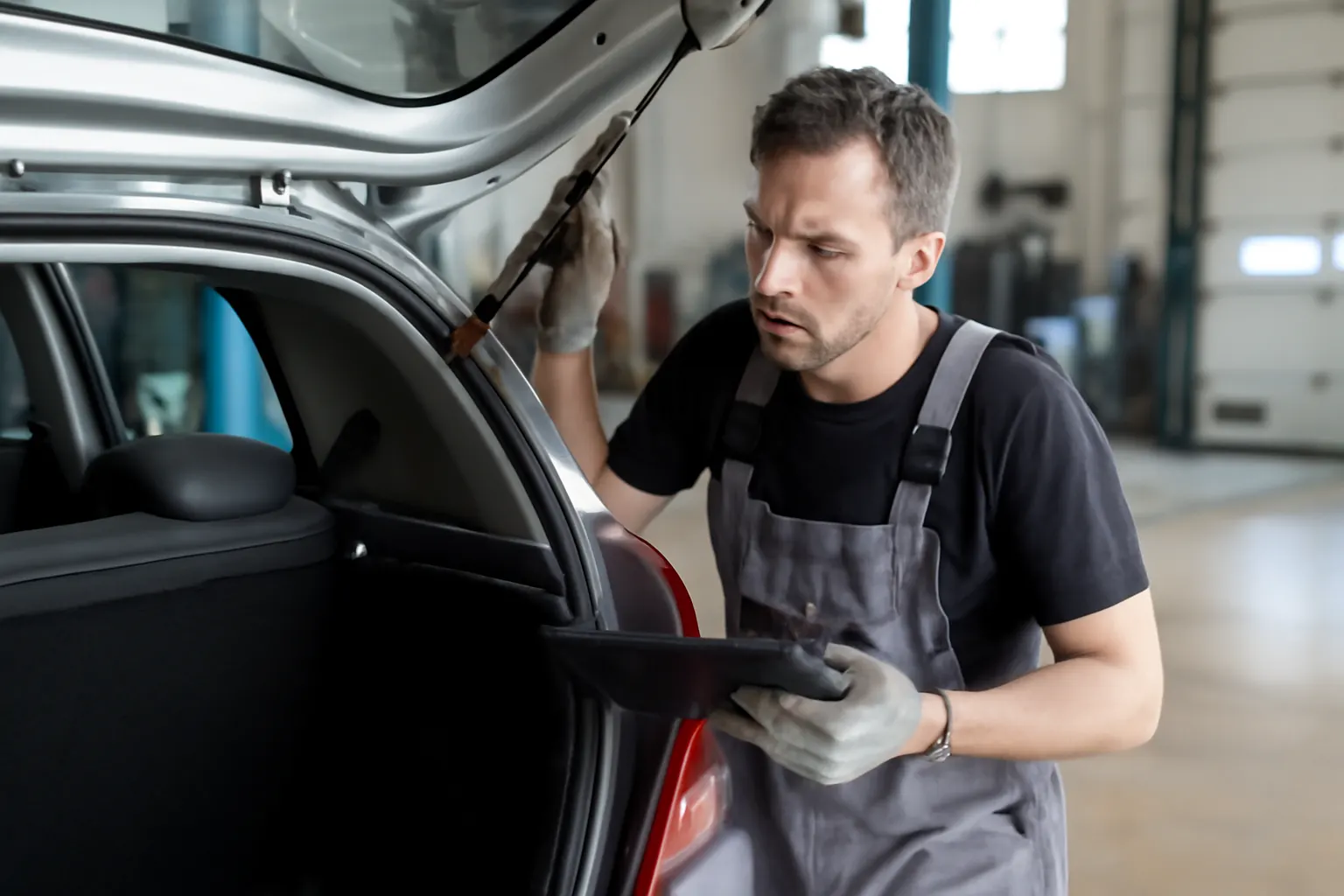
Trunk lid and hatch failures are among the most inconvenient and potentially costly issues drivers face, impacting vehicle security, cargo access, and even safety. The most common causes of trunk lid failure include corrosion, latch and actuator malfunctions, worn or broken hinges, faulty weather seals, and electronic control issues. Fortunately, with regular inspection, preventive maintenance, and informed part selection, you can avoid most trunk lid problems and sidestep expensive repairs.
If you’re experiencing issues with your hatch or trunk lid or simply want to avoid future headaches, understanding the root causes and best practices for prevention is essential. This guide will walk you through the most frequent failure points, how to diagnose them, and the steps you can take to keep your vehicle’s cargo access system secure and reliable. For a broader look at hatch and trunk lid systems, visit our Hatch and Trunk Lid: Structural, Security, and Access Solutions for Modern Vehicles category page.
The Hidden Problem: Why Trunk Lid Failures Are More Than a Nuisance
At first glance, a malfunctioning trunk lid may seem like a minor annoyance. However, the consequences can be far-reaching. A failed latch or hinge can leave your cargo unsecured, expose your vehicle’s interior to water and debris, and even compromise overall vehicle safety. In modern vehicles, where trunk lids often integrate with electronic locking systems, backup cameras, and lighting, a single point of failure can disrupt multiple systems.
Many failures go unnoticed until they result in a lockout, water intrusion, or a lid that won’t stay up—turning a simple errand into an urgent repair. The root causes are often preventable, but only if you know what to look for and how to act before minor issues escalate.
Understanding Trunk Lid Construction and Vulnerabilities
To prevent trunk lid failures, it’s vital to understand how these components are constructed and where vulnerabilities typically arise. Trunk lids and hatches are engineered from a combination of steel, aluminum, or composites, selected for weight reduction and structural strength. According to the U.S. Department of Energy, the shift toward advanced materials is driven by the need for improved fuel efficiency without sacrificing safety or performance [^1].
Key elements of a trunk lid assembly include:
- Outer panel: Provides structural integrity and styling.
- Inner reinforcement: Adds rigidity and houses mounting points.
- Hinges and struts: Enable smooth opening/closing and hold the lid in place.
- Latch and locking mechanism: Secures the lid; may be mechanical or electronic.
- Weather seals: Prevent water and debris intrusion.
- Electronic components: Cameras, wiring harnesses, and release actuators.
Each of these parts is susceptible to specific failure modes, which we’ll examine in detail.
Common Causes of Trunk Lid Failure
1. Corrosion and Rust
Why it happens: Trunk lids are exposed to moisture, road salt, and debris, especially in climates with harsh winters or coastal environments. Over time, this exposure can break down protective coatings and allow rust to form, particularly along seams, under weatherstrips, and around mounting points.
Symptoms:
- Bubbling paint or visible rust patches
- Flaking metal near hinges or latch
- Water leaking into the trunk area
Prevention:
- Wash the vehicle regularly, paying attention to the trunk seams.
- Inspect and touch up paint chips or scratches promptly.
- Apply rust inhibitors or undercoating in vulnerable areas.
2. Latch and Lock Malfunctions
Why it happens: The latch mechanism is subject to wear, contamination, and misalignment. Mechanical latches may stick or fail to engage, while electronic actuators can suffer from electrical faults or connector corrosion.
Symptoms:
- Trunk won’t close or pop open
- Key fob or interior release fails to actuate the latch
- Lid bounces when closing or doesn’t stay latched
Prevention:
- Lubricate latch and lock components annually.
- Check for loose or misaligned latch plates.
- Inspect wiring and connectors for corrosion or damage.
3. Worn or Broken Hinges and Struts
Why it happens: Hinges and gas struts (or torsion bars) bear the weight of the lid and endure repeated cycles. Over time, hinges can seize or wear out, while struts lose pressure and fail to support the lid.
Symptoms:
- Lid drops unexpectedly or won’t stay up
- Creaking, grinding, or binding when opening/closing
- Uneven lid alignment
Prevention:
- Lubricate hinges with appropriate grease.
- Replace weak or leaking struts promptly.
- Check for hinge play or mounting bolt looseness.
4. Faulty Weather Seals
Why it happens: Trunk weatherstripping degrades from UV exposure, temperature swings, and physical wear. Cracked or compressed seals can no longer keep out water, dust, or exhaust fumes.
Symptoms:
- Water leaks into cargo area
- Musty odors or damp carpeting
- Visible cracks or gaps in seals
Prevention:
- Clean seals regularly with mild soap.
- Apply silicone-based protectant to extend life.
- Replace seals at the first sign of damage (see our guide on weatherproofing your cargo area).
5. Electronic and Wiring Failures
Why it happens: Modern trunk lids often house wiring for release actuators, cameras, lighting, and sensors. Repeated movement and exposure to moisture can cause wire fatigue, shorts, or connector corrosion.
Symptoms:
- Intermittent or non-functioning electronic release
- Trunk light failures
- Backup camera or sensor errors
Prevention:
- Inspect wiring harnesses for chafing or pinched wires.
- Use dielectric grease on connectors to prevent corrosion.
- Address water leaks promptly to prevent electrical damage.
6. Misalignment and Structural Damage
Why it happens: Impacts, minor collisions, or improper repairs can knock the trunk lid out of alignment, leading to binding, uneven gaps, or difficulty latching.
Symptoms:
- Trunk lid sits uneven or rubs against the body
- Increased wind noise or water leaks
- Difficulty closing or opening the lid
Prevention:
- Address any collision damage promptly.
- Have alignment checked after rear-end impacts.
- Avoid slamming the lid, which can stress hinges and alignment points.
Diagnostic Checklist: Is Your Trunk Lid at Risk?
Use this checklist to quickly assess the health of your trunk lid system:
| Inspection Point | What to Look For | Action Needed |
|---|---|---|
| Outer panel | Rust, bubbling paint, dents | Repair or touch up as needed |
| Hinges and struts | Creaking, looseness, lid droop | Lubricate or replace |
| Latch and lock | Sticking, inconsistent operation | Clean, lubricate, or adjust |
| Weather seals | Cracks, gaps, water inside trunk | Clean or replace seals |
| Wiring and electronics | Non-functioning lights, camera, release | Inspect, repair, or replace harness |
| Alignment | Uneven gaps, rubbing, difficult closure | Adjust or realign lid |
If you find issues in any area, address them promptly to avoid escalation.
The Importance of Preventive Maintenance
Routine inspection and maintenance of your trunk lid assembly are the best defenses against unexpected failures. Unlike engine or brake issues, trunk lid problems are often overlooked until they cause significant inconvenience or secondary damage. Preventive steps include:
- Regular cleaning: Remove debris and salt buildup from seams and hinges.
- Lubrication: Use white lithium grease or silicone spray on moving parts.
- Seal care: Keep weatherstrips clean and supple with appropriate protectants.
- Electronic checks: Test all release mechanisms and trunk electronics monthly.
A proactive approach not only extends the lifespan of your trunk lid system but also protects your vehicle’s interior and cargo.
Advanced Materials and Their Impact on Trunk Lid Durability
Modern hatch and trunk lids are increasingly made from lightweight materials such as aluminum alloys, advanced steels, and composites. According to the U.S. Department of Energy, these materials reduce overall vehicle weight, improving fuel efficiency while maintaining crash safety [^2]. However, each material has unique maintenance needs:
- Aluminum: Resists rust but is prone to corrosion from galvanic reactions (contact with steel).
- Advanced steel: Strong and durable but susceptible to rust if protective coatings are breached.
- Composites: Immune to rust but can crack or delaminate from impacts.
Understanding your vehicle’s trunk lid material can help you tailor cleaning and inspection routines for maximum durability.
Diagnosing and Repairing Trunk Lid Failures
When trunk lid problems arise, accurate diagnosis is crucial for effective repair. Here’s a step-by-step approach:
Step 1: Visual Inspection
- Examine the outer panel for rust, dents, and paint damage.
- Inspect hinges, struts, and latch for wear or misalignment.
- Check weather seals for cracks or flattening.
Step 2: Functional Testing
- Open and close the lid, noting any resistance, noise, or failure to stay up.
- Test all release mechanisms (key, button, remote).
- Check electronic functions (lights, camera, sensors).
Step 3: Targeted Repair
- Rust: Sand, prime, and repaint small spots; replace panels for severe corrosion.
- Latch: Clean and lubricate; replace if worn or damaged.
- Struts/Hinges: Replace weak or binding components.
- Seals: Install new weatherstripping as needed.
- Electronics: Repair or replace faulty wiring and actuators.
For detailed replacement instructions, see our How to Replace a Trunk Lid: Step-by-Step Guide.
Preventing Trunk Lid Failure: Best Practices
To keep your trunk lid system reliable, follow these expert-recommended practices:
- Inspect quarterly: Check all major components every three months.
- Address issues early: Don’t ignore minor leaks, noises, or sticking latches.
- Choose quality parts: Use OEM or high-quality aftermarket components for replacements.
- Protect from elements: Use garage parking or car covers when possible.
- Follow manufacturer guidelines: Adhere to service intervals and recommended lubricants.
Selecting the Right Replacement Parts
When replacement is necessary, selecting the right parts is key to restoring function and longevity. Consider the following:
- Material compatibility: Match new lids and components to your vehicle’s original materials for fit and corrosion resistance.
- Fitment accuracy: Use VIN or model-specific information to ensure proper fit.
- Certified parts: Look for parts that meet or exceed SAE standards for safety and performance.
- Supplier reputation: Source from trusted suppliers with quality assurance and warranty support.
AutoPartEx offers a comprehensive catalog of hatch and trunk lid components, with fitment filters and expert support to help you find exactly what you need.
When to Seek Professional Help
While many trunk lid issues can be addressed with DIY maintenance, some situations require professional intervention:
- Severe rust or structural damage: May necessitate welding or panel replacement.
- Complex electronic faults: Involving wiring harnesses or integrated systems.
- Collision repair: Realignment and paintwork after accidents.
A qualified technician can ensure repairs meet safety standards and restore full functionality.
Integrating Trunk Lid Maintenance Into Your Vehicle Care Routine
Trunk lid maintenance should be a regular part of your overall vehicle care strategy. Integrate these checks with oil changes, tire rotations, or seasonal inspections for maximum effectiveness. Keep a maintenance log to track repairs and replacements, which also helps preserve resale value.
For those looking to upgrade or enhance their cargo access, see our guide on Upgrading Your Hatchback: Choosing the Right Lid and Accessories.
AutoPartEx: Your Partner in Reliable Trunk Lid Solutions
At AutoPartEx, we understand that dependable trunk and hatch systems are essential for the safety, security, and convenience of your vehicle. We provide a curated selection of OEM and aftermarket trunk lids, hinges, struts, latches, and weather seals, all backed by technical expertise and a commitment to quality. Whether you’re maintaining your daily driver or restoring a classic, our resources and support make it easy to keep your cargo area in top shape.
Browse our Hatch and Trunk Lid: Structural, Security, and Access Solutions for Modern Vehicles category for parts, guides, and expert advice tailored to your make and model.
Conclusion: Stay Ahead of Trunk Lid Failures
Trunk lid failures are preventable with the right knowledge and proactive care. By understanding the common causes—from rust and latch issues to electronic malfunctions—you can spot trouble early and take steps to prevent costly repairs. Routine inspection, proper maintenance, and quality parts are the keys to a secure, reliable cargo area. Trust AutoPartEx to guide you every step of the way, from diagnosis to sourcing the best-fit components for your vehicle.