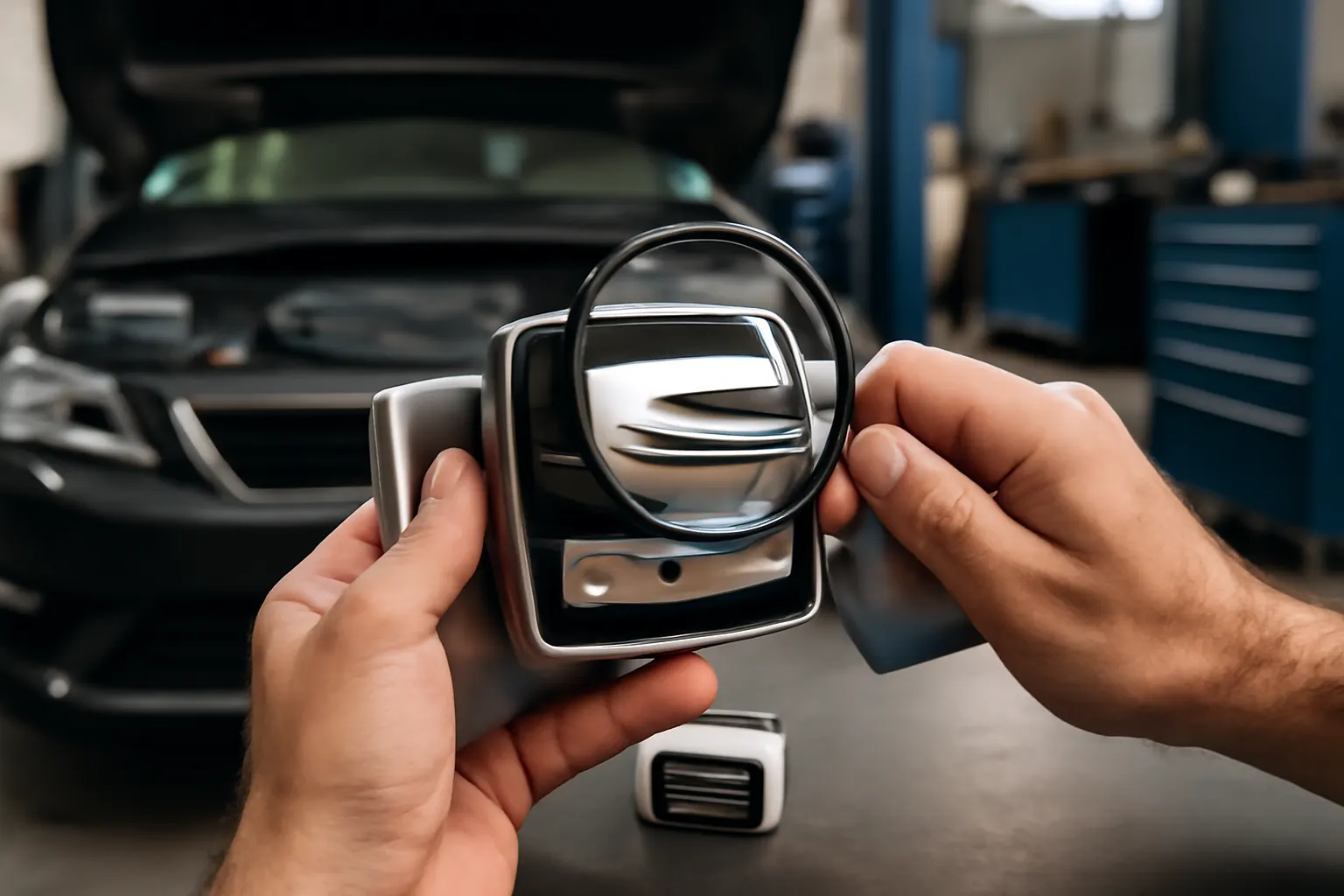
VW Group & Seat: Electronics, Sensors, and Module Complexity
When replacing or upgrading electronics, sensors, and modules in Seat vehicles, understanding the intricate relationship with the broader VW Group architecture is critical. Seat models—while sharing much DNA with Volkswagen, Skoda, and Audi—present unique challenges in part compatibility, diagnostics, and module programming. This guide delivers immediate, actionable insight into Seat’s electronics complexity, then unpacks the underlying issues and provides a step-by-step path to reliable diagnosis, sourcing, and installation.
For a comprehensive look at Seat parts compatibility, engineering, and sourcing, see our Seat OEM & Aftermarket Parts: Model Compatibility, Engineering, and Sourcing | AutoPartEx hub.
Seat Electronics and Module Complexity: Immediate Answers
What’s the biggest hurdle when dealing with Seat electronics and modules?
The primary challenge lies in accurately identifying, sourcing, and programming electronic control modules (ECUs), sensors, and related electronics that are both compatible with your specific Seat model and properly integrated into the VW Group’s rapidly evolving vehicle architecture. Even seemingly identical components—such as airbag modules, body control units, or parking sensors—can have hidden differences in firmware, coding, or fitment that lead to costly installation errors or persistent diagnostic trouble codes (DTCs).
Key Takeaways:
- Not all VW Group modules are plug-and-play across Seat, VW, Skoda, or Audi.
- Module coding, firmware versions, and sensor calibration are critical for successful replacements.
- Real-world troubleshooting often reveals subtle but decisive differences in part numbers and compatibility.
Hidden Problems: Why Seat Electronic Parts Aren’t Always Interchangeable
Many owners and technicians assume that VW Group parts—especially electronics—are interchangeable between Seat and sibling brands. However, this assumption can lead to persistent electrical faults, failed safety checks, or even immobilized vehicles.
Key Hidden Issues:
- Software and Coding: Many modules require specific coding to the vehicle’s VIN and configuration. Even minor firmware differences can cause incompatibility.
- Model Year Variations: Seat often implements mid-generation changes that alter connectors, communication protocols, or sensor types.
- Regulatory Compliance: Safety-critical modules (airbags, ABS, seatbelt pre-tensioners) must meet region-specific standards, sometimes resulting in unique Seat-only part numbers.
The Expanding Problem: VW Group’s Platform Strategy and Its Impact
The VW Group’s modular platform strategy (MQB, MLB, etc.) has enabled unprecedented part sharing across brands. But with this flexibility comes complexity, especially for electronics:
-
Shared Hardware, Unique Software:
While platforms share core hardware, each brand customizes software, coding, and calibration to match their models’ equipment, trim, and regional requirements. -
Proliferation of Module Variants:
For each control unit type (e.g., BCM, gateway, infotainment), there may be dozens of hardware and software variants even within a single model year. -
Sensor Integration and Safety Systems:
Advanced driver-assistance systems (ADAS), airbag modules, and seat sensors are tightly integrated with model-specific wiring and safety logic, as regulated by bodies like the National Highway Traffic Safety Administration (NHTSA) [^1].
Real-World Case: Troubleshooting a Seat Airbag Module
Let’s illustrate the complexity with a real-world example:
Scenario:
A 2018 Seat Leon owner replaces a faulty airbag control module (OEM part number 5Q0 959 655) with an identical-looking unit sourced from a VW Golf. After installation, the airbag warning light remains illuminated, and diagnostic scan tools show a VIN mismatch and coding error.
Diagnosis Steps:
- Check Part Number Suffix: VW Group modules often have letter suffixes (e.g., 5Q0 959 655 E vs. 5Q0 959 655 C) indicating software or hardware revisions.
- Scan for DTCs: Use VCDS or ODIS to read module info and fault codes.
- Verify Coding and VIN: Many modules are “locked” to the original vehicle’s VIN and require re-coding or parameterization, which may not be possible with mismatched firmware.
Resolution:
The correct Seat-specific module must be sourced, and post-installation coding performed using an authorized scan tool. This avoids NHTSA safety compliance issues and restores full system function [^2].
Module Identification: Reading Beyond the Label
When sourcing Seat electronics, visual inspection of the part number is only the first step. Here’s what you need to check beyond the label:
Key Details to Confirm:
- Full Part Number and Suffix: Always match the entire code, including letters (e.g., 5Q0 907 530 AJ).
- Hardware Revision: Check for hardware version stickers or etchings.
- Production Date: Modules produced even a few months apart can have different firmware.
- Supplier Markings: Some modules are supplied by different vendors for the same part number, affecting compatibility.
- Software Index: Use diagnostic tools to check the software version loaded on the module.
Checklist: Identifying the Correct Seat Module
| Step | What to Check | Why It Matters |
|---|---|---|
| 1 | Full part number (including suffix) | Ensures hardware/software match |
| 2 | Hardware revision | Prevents connector or circuit differences |
| 3 | Software version/index | Avoids coding or communication errors |
| 4 | Production date | Matches firmware batch to vehicle build |
| 5 | Supplier ID | Confirms compatible manufacturer |
Diagnostic Tools: Essential for Seat Module Work
Professional-grade diagnostic tools are indispensable when working with Seat electronics. Generic OBD-II readers are inadequate for module identification, coding, and adaptation.
Recommended Tools:
- VCDS (VAG-COM Diagnostic System): Widely used for VW Group vehicles, supports module scans, coding, and adaptations.
- ODIS (Offboard Diagnostic Information System): Dealer-level tool required for advanced programming and parameterization.
- OEM Scan Tools: Some modules, especially newer ADAS components, require factory tools for calibration.
Best Practices:
- Always scan for DTCs before and after module replacement.
- Use guided functions for coding and adaptation.
- Document original coding and adaptation values for reference.
Module Programming and Adaptation: The Critical Step
Unlike basic sensors, most Seat modules require programming after installation. This process—also known as adaptation or parameterization—ensures the module communicates correctly with the rest of the vehicle.
Programming Steps:
- Install Module Physically: Ensure proper fitment and secure all connectors.
- Scan for New Module: Use diagnostic tool to detect and identify the new hardware.
- Transfer or Set Coding: Some modules allow transfer of original coding; others require manual entry based on vehicle equipment.
- Adapt Sensor Calibrations: For safety-critical modules, run guided calibration routines (e.g., steering angle sensor, occupant classification).
- Clear DTCs and Test: Verify all systems function and no warning lights remain.
Note: Improper coding can disable safety features or trigger persistent errors. Always consult technical documentation and, if needed, partner with a specialist.
Sourcing Genuine Seat Modules: OEM vs. Aftermarket
The global reach of the VW Group means a vast supply of both OEM and aftermarket modules for Seat models. However, quality and compatibility vary widely.
OEM (Original Equipment Manufacturer):
- Direct from Seat or VW Group parts network.
- Guaranteed hardware and software compatibility.
- Typically higher cost but lower risk of incompatibility.
Aftermarket:
- May offer lower prices, but compatibility is not guaranteed.
- Some reputable brands reverse-engineer modules to OEM specs.
- Risk of firmware mismatches, missing features, or lower reliability.
How to Source Correctly:
- Use reputable suppliers with VIN-based lookup.
- Cross-reference part numbers using Seat Model Fitment Guide: Generation Changes & Part Codes.
- Beware of counterfeit modules—see our Avoiding Counterfeit Seat Parts: Authenticity Checklist.
Installation Pitfalls: What Can Go Wrong
Even with the right part in hand, installation can present challenges:
-
Connector Differences:
Minor changes in connector shape or pinout can prevent plug-in. Always compare old and new modules side-by-side before installation. -
Mounting and Housing:
Some modules are designed to fit specific trim levels or body styles. Mounting brackets and housings may differ. -
Wiring Harness Length:
Harnesses may be longer or shorter depending on model variant, affecting routing and fitment. -
Software Locking:
Some modules will not function without online authorization or dealer intervention.
Installation Checklist:
- Confirm connector compatibility.
- Check mounting points and brackets.
- Verify wiring harness length and routing.
- Ensure module is not locked to another VIN.
- Perform post-installation scan for DTCs.
Module Recalls and Safety Compliance
Electronic modules and sensors—especially those related to safety systems—are subject to recalls and regulatory oversight. The National Highway Traffic Safety Administration (NHTSA) maintains a database of recalls for Seat and VW Group vehicles 1.
Why This Matters:
- Installing a recalled module can compromise safety and legal compliance.
- Some replacement modules may require proof of recall rectification before programming.
Best Practices:
- Check recall status of your Seat model and specific module part numbers.
- Use only updated, recall-free modules for replacements.
- Document all replacement and programming work for future reference.
Maintenance and Longevity: Keeping Seat Electronics Reliable
Once installed and programmed, Seat modules and sensors require minimal maintenance, but some best practices can extend their life:
- Protect From Moisture: Many modules are located under seats or in footwells—areas prone to water ingress. Ensure carpets and seals are intact.
- Battery Health: Low voltage during start-up or module programming can corrupt software or trigger DTCs.
- Regular Scans: Periodic diagnostic scans can catch intermittent faults before they escalate.
Tip:
When performing any electrical work, always disconnect the battery and follow SAE-recommended safety protocols 2.
Advanced Troubleshooting: When Standard Fixes Fail
Some issues persist even after correct module replacement and programming. Here’s how to approach complex cases:
-
Check CAN Bus Integrity:
Faulty wiring or connectors in the CAN bus can cause communication errors between modules. -
Firmware Updates:
Some modules require firmware updates to resolve known bugs or compatibility issues—available only through dealer-level tools. -
Intermittent Faults:
Temperature or vibration can cause intermittent faults in sensors or modules, especially in seat-occupancy and side airbag systems. -
Cross-Brand Pitfalls:
Don’t assume a Skoda or VW module will work in a Seat, even if the part number is close. Hidden software differences are common.
Buying Guide: How to Choose the Right Seat Module or Sensor
Follow this step-by-step guide to minimize risk and maximize fitment success:
Step 1: Gather Vehicle Information
- VIN (Vehicle Identification Number)
- Model, trim, and year
- Build codes or PR numbers (found in trunk or service book)
Step 2: Identify the Original Module
- Remove and photograph the module label.
- Note all part numbers, suffixes, and production dates.
Step 3: Cross-Reference Compatibility
- Use official Seat or VW Group parts catalogs.
- Reference Seat Model Fitment Guide: Generation Changes & Part Codes.
Step 4: Source from Reputable Supplier
- Prioritize OEM or certified aftermarket modules.
- Avoid modules with unknown history or missing labels.
Step 5: Plan for Programming
- Confirm access to VCDS, ODIS, or dealer programming.
- Budget for professional installation and coding if needed.
Step 6: Document and Test
- Keep records of installation, coding, and calibration.
- Perform full system scan and road test to confirm operation.
AutoPartEx Positioning: Your Trusted Seat Electronics Partner
Navigating the maze of VW Group electronics and Seat-specific module complexity requires expert knowledge, precision sourcing, and access to the right tools. AutoPartEx provides comprehensive fitment data, authentic parts sourcing, and technical support tailored to Seat owners and technicians. Our editorial guides, like Seat Service Intervals: What Every Owner Should Know, keep you ahead of maintenance and avoid costly errors.
For model-specific parts, coding guidance, and advanced troubleshooting, visit our Seat OEM & Aftermarket Parts: Model Compatibility, Engineering, and Sourcing | AutoPartEx page.
Expert Call to Action
If you’re tackling a Seat electronics or module replacement project:
-
Always verify part numbers and software versions before purchase.
-
Invest in professional diagnostic tools or consult a specialist for programming.
-
Check for recalls and maintain complete documentation for every replacement.
-
Leverage AutoPartEx for authentic parts, model fitment data, and expert guidance.
Stay ahead of the curve—your Seat’s reliability, safety, and performance depend on it.
References
- Vehicle Safety and Equipment – National Highway Traffic Safety Administration
- Vehicle, Car Seat, Tire, and Equipment Recalls – National Highway Traffic Safety Administration
- SAE Standards – SAE International
- Fuel Efficiency – United States Department of Energy