Seat Service Intervals: What Every Owner Should Know
Staying on top of your Seat’s service intervals isn’t optional—it’s the essential foundation for reliability, safety, and long-term value. This comprehensive guide delivers precise service schedules for major Seat models, explains why sticking to them matters, and details how to align your parts sourcing with each maintenance milestone. Whether you drive an Ibiza, Leon, Ateca, or Tarraco, you’ll find actionable checklists, model-specific intervals, and sourcing strategies to keep your Seat running at its best. For a deeper dive into part compatibility and engineering, visit our Seat OEM & Aftermarket Parts: Model Compatibility, Engineering, and Sourcing hub.
The Immediate Answer: Seat Service Intervals in a Nutshell
Every Seat vehicle is engineered with a set of factory-recommended service intervals, dictating when critical maintenance tasks—like oil changes, filter replacements, brake inspections, and timing belt renewals—should occur. These intervals are not arbitrary; they’re based on engineering standards, regulatory requirements, and real-world testing to maximize safety, fuel efficiency, and component longevity. For most modern Seat models:
- Oil and filter changes: Every 10,000 to 15,000 km (6,200–9,300 miles) or annually, whichever comes first.
- Air and cabin filter replacement: Every 20,000 to 30,000 km (12,400–18,600 miles).
- Brake fluid change: Every 2 years, regardless of mileage.
- Timing belt (where applicable): Every 90,000 to 120,000 km (55,900–74,500 miles) or 5–6 years.
- Spark plugs (petrol engines): Every 60,000 km (37,300 miles) or 4 years.
- Coolant replacement: Every 5 years.
These intervals are baseline recommendations. Usage patterns—such as short city trips, high-load driving, or frequent cold starts—can accelerate wear, requiring more frequent servicing. Always refer to your model’s owner manual and supplement with the guidance below for model-specific adjustments.
The Hidden Problem: What Happens If You Ignore Service Intervals?
Skipping scheduled maintenance on your Seat doesn’t just risk diminished performance—it can compromise your safety, void parts warranties, and lead to catastrophic component failures. Common consequences include:
- Premature engine wear from degraded oil or clogged filters, reducing fuel efficiency and increasing emissions (DOE Fuel Efficiency).
- Brake system failure due to old fluid or worn pads, undermining safety (NHTSA Equipment).
- Costly timing belt failures resulting in severe engine damage.
- AC and ventilation issues from neglected cabin filters.
- Electrical and sensor malfunctions if key modules are exposed to heat, vibration, or moisture due to skipped inspections.
Unscheduled breakdowns rarely occur in isolation—they often trigger a cascade of failures, especially in modern Seats with complex electronics and integrated safety systems. This is why adherence to service intervals is not merely a suggestion, but a technical imperative.
Expanding the Problem: Why Seat Service Intervals Are Growing More Critical
Modern Seat vehicles—especially post-2017 models—integrate advanced driver assistance systems (ADAS), turbocharged engines, direct injection, and digital climate controls. These technologies enhance performance and efficiency but also introduce new maintenance dependencies:
- Turbocharged engines require strict oil quality and change intervals to prevent turbo failure.
- Direct injection increases the risk of intake valve carbon buildup, making air filter and fuel system servicing more important.
- ADAS sensors and modules (radar, cameras, ultrasonic) depend on stable electrical systems and cooling, which can be compromised by skipped fluid or filter changes.
- Complex CAN-bus networks mean electrical gremlins from a neglected battery or corroded connectors quickly escalate to system-wide errors.
Moreover, regulatory oversight—such as NHTSA safety standards (NHTSA Equipment) and recall protocols (NHTSA Recalls)—demands that vehicles be kept in a condition that supports their original safety and emissions performance. Missing service intervals can result in non-compliance, especially if a recall or safety campaign is triggered for your model.
Solution Path: Aligning Maintenance with Parts Sourcing
To maintain your Seat’s reliability, safety, and efficiency, you need a dual approach: follow the service schedule and ensure you’re sourcing the correct, high-quality parts at each interval. Here’s how to build a maintenance plan that works:
1. Know Your Model’s Exact Service Schedule
Seat’s core models—Ibiza, Leon, Ateca, Arona, and Tarraco—share many components but have unique service nuances. For example, the Ibiza’s smaller engines may have different timing belt intervals than the larger, turbocharged units in the Ateca or Tarraco. Always cross-reference your VIN and engine code with the maintenance schedule.
2. Source Parts That Match Your Model and Generation
Not all oil filters, brake pads, or timing belts are interchangeable, even within the same model line. Use trusted fitment guides and always check for superseded part numbers, especially for models that have undergone mid-cycle updates. For in-depth fitment guidance, reference the Seat Model Fitment Guide: Generation Changes & Part Codes.
3. Build a Maintenance Calendar
Map out your next 24 months of service milestones. Document not just when each task is due but also which parts you’ll need—and whether you’ll use OEM or trusted aftermarket alternatives. Factor in lead times for specialty parts and keep records for warranty and resale purposes.
Seat Model-by-Model Service Interval Breakdown
Below, we detail the core service intervals for major Seat models. These are typical intervals for vehicles produced from 2015 onward, but always verify specifics for your engine code and market.
Seat Ibiza (2015–present)
| Service Item | Interval | Notes |
|---|---|---|
| Engine Oil & Filter | 15,000 km / 1 year | Use VW 502.00/504.00 oil |
| Air Filter | 30,000 km / 2 years | Replace sooner in dusty areas |
| Cabin Filter | 30,000 km / 2 years | Activated carbon preferred |
| Brake Fluid | Every 2 years | DOT 4 required |
| Timing Belt | 90,000 km / 6 years | 1.0/1.2 TSI petrol engines |
| Spark Plugs | 60,000 km / 4 years | NGK or equivalent |
Seat Leon (2017–present)
| Service Item | Interval | Notes |
|---|---|---|
| Engine Oil & Filter | 15,000 km / 1 year | VW 504.00/507.00 spec |
| Air Filter | 30,000 km / 2 years | Turbo models: check sooner |
| Cabin Filter | 30,000 km / 2 years | Replace annually in urban use |
| Brake Fluid | Every 2 years | DOT 4 |
| Timing Belt | 120,000 km / 6 years | 1.5 TSI/2.0 TDI engines |
| Spark Plugs | 60,000 km / 4 years | Iridium recommended |
Seat Ateca / Arona / Tarraco (2016–present)
| Service Item | Interval | Notes |
|---|---|---|
| Engine Oil & Filter | 15,000 km / 1 year | VW 504.00/507.00 oil |
| Air Filter | 30,000 km / 2 years | SUVs: check more often if off-road |
| Cabin Filter | 30,000 km / 2 years | Activated carbon for best results |
| Brake Fluid | Every 2 years | DOT 4 |
| Timing Belt | 120,000 km / 5 years | 2.0 TDI engines |
| Spark Plugs | 60,000 km / 4 years | Turbo models: check at 30k km |
Critical Service Items: What to Prioritize and Why
While all scheduled maintenance is important, some items are absolutely critical for safety, regulatory compliance, and preventing catastrophic failure. Here’s what to prioritize:
- Timing belt: Failure can destroy your engine. Always change at or before the recommended interval.
- Brake fluid: Absorbs moisture over time, reducing braking efficiency and corroding system components.
- Engine oil: Modern engines (especially turbocharged) are sensitive to oil quality and interval. Degraded oil leads to sludge, turbo failure, and excessive wear.
- Filters (air, cabin, fuel): Clogged filters reduce efficiency, increase emissions, and stress engine and HVAC systems.
- Spark plugs: Old plugs cause misfires, rough running, and can damage catalytic converters.
Neglecting these can lead to issues flagged in safety recalls or cause your Seat to fail inspection (NHTSA Recalls).
Service Interval Checklist: Keeping Your Seat on Track
Use this quick-reference checklist to track your Seat’s service needs. For each item, record the last service date and mileage, then plan the next due interval:
| Item | Last Serviced | Next Due (km/mi) | Next Due (date) | Notes |
|---|---|---|---|---|
| Oil & Filter | ||||
| Air Filter | ||||
| Cabin Filter | ||||
| Brake Fluid | ||||
| Timing Belt | ||||
| Spark Plugs | ||||
| Coolant | ||||
| Transmission Fluid | if applicable | |||
| Battery | check for corrosion | |||
| Wipers | replace as needed |
Pro tip: Keep this checklist in your glovebox or digitize it in your maintenance app for easy reference.
Diagnostic: How to Spot Service Items Due for Replacement
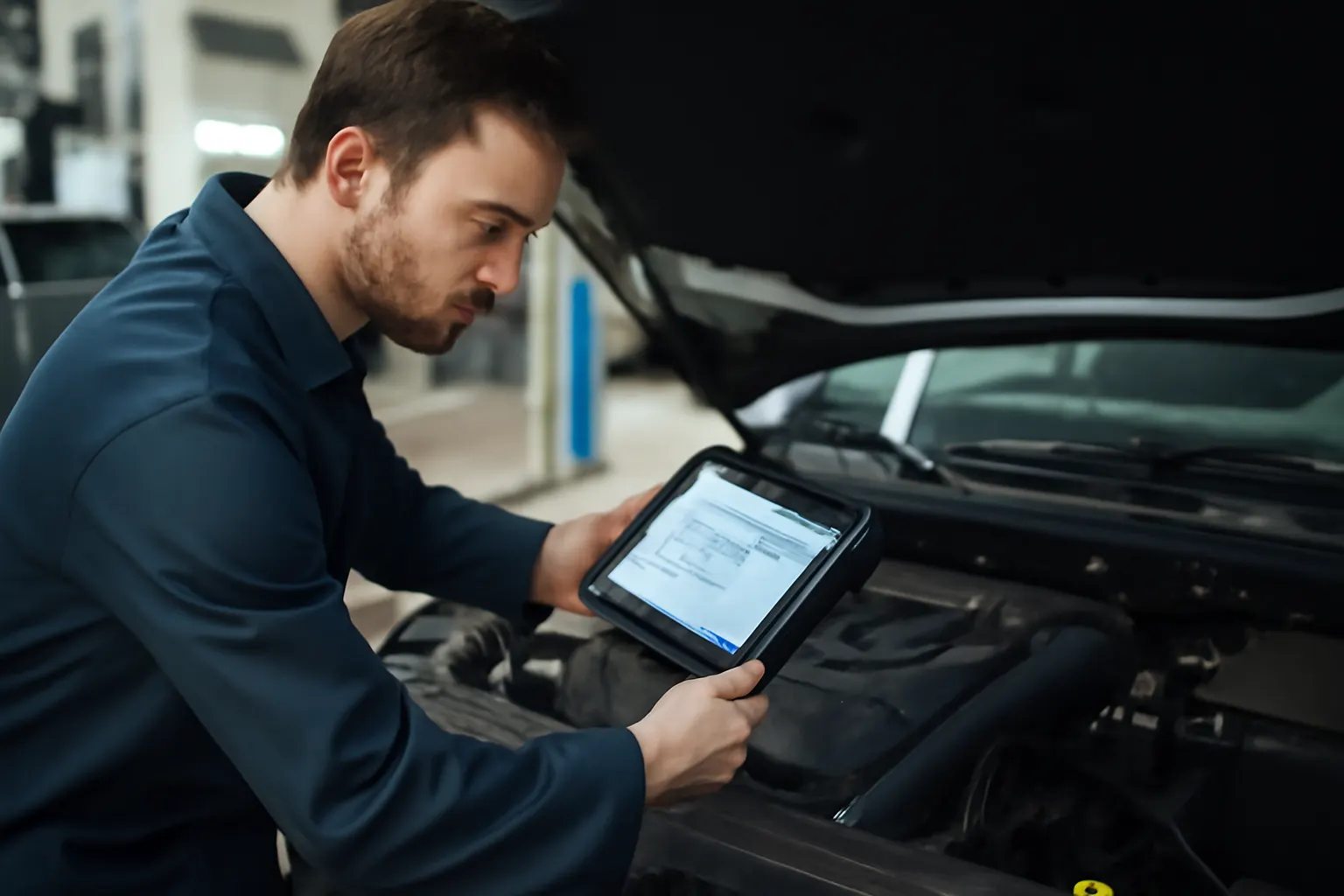
Not every owner has access to diagnostic tools, but there are clear signs that a service item is overdue. Watch for:
- Engine warning lights: Oil, check engine, or emissions lights often indicate overdue maintenance or sensor faults.
- Reduced fuel economy: A sudden drop can signal dirty filters, old plugs, or low-quality oil (DOE Fuel Efficiency).
- Noisy brakes or spongy pedal: Indicates worn pads or old brake fluid.
- Musty cabin air: Suggests a clogged cabin filter or mold growth.
- Vibration or rough idle: Points to spark plug, ignition coil, or air filter issues.
- Timing belt noise: Squeaking or slapping sounds mean immediate inspection is needed.
If you notice any of these, schedule the relevant service and source replacement parts promptly.
Sourcing Seat Parts: OEM vs. Aftermarket
When replacing parts at service intervals, your options are:
- OEM (Original Equipment Manufacturer): These parts match the original specification and fit. Preferred for timing belts, sensors, and safety-critical components.
- Aftermarket (Quality Brands): Often more affordable and available, but quality varies. Stick to brands that meet or exceed OEM standards (such as those certified by SAE International SAE Standards).
For complex electrical, ADAS, or emission-related parts, OEM is strongly recommended. For wear items like filters and wipers, reputable aftermarket brands are often equivalent.
Warning: Counterfeit parts are a growing problem. Use our Avoiding Counterfeit Seat Parts: Authenticity Checklist to verify your sources and protect your vehicle.
Installation Best Practices: DIY or Professional?
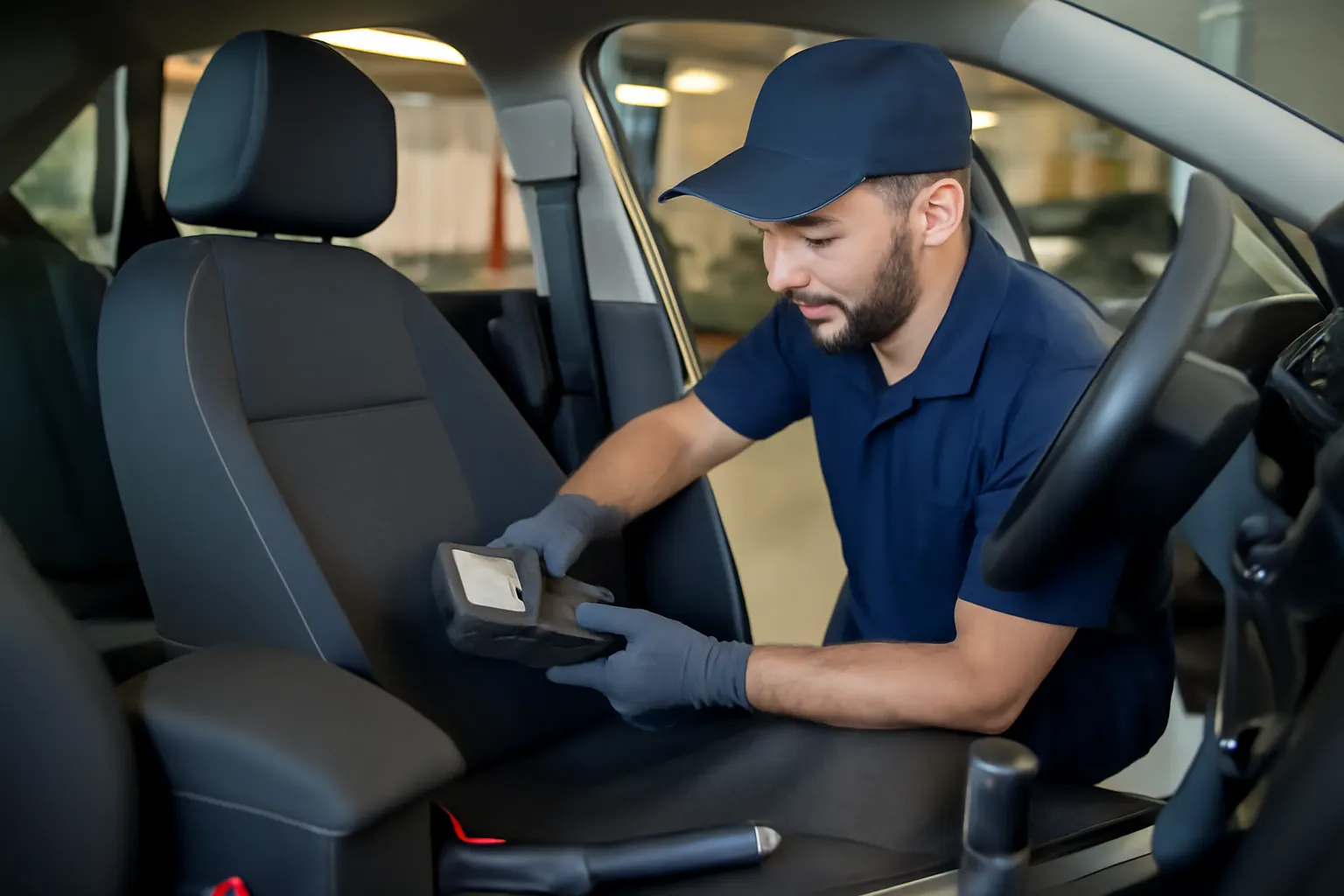
Many Seat owners perform basic maintenance—oil and filter changes, wiper replacement, or even brake pad swaps—at home. However, for items like timing belts, brake fluid flushes, or ADAS sensor recalibration, professional service is advised:
- DIY-friendly: Oil/filter, air/cabin filter, spark plugs, wipers, battery.
- Professional recommended: Timing belt, brake fluid, transmission fluid, ADAS sensor alignment, major electrical repairs.
Always use the correct torque specs and follow model-specific procedures. Improper installation can void warranties or trigger system errors, especially in models with advanced electronics (VW Group & Seat: Electronics, Sensors, and Module Complexity).
The Impact of Materials and Engineering on Seat Service Intervals
Seat’s use of advanced materials—such as high-strength steel, lightweight aluminum, and engineered plastics—directly affects maintenance requirements (DOE Materials Technologies). Lightweight components can improve efficiency but may require more frequent inspection for wear and fatigue, especially in suspension and body hardware exposed to road salt or debris. Always inspect underbody shields, mounts, and fasteners during scheduled services.
Regulatory Compliance: Safety, Recalls, and Service
Service intervals aren’t just about performance—they’re crucial for regulatory compliance. The National Highway Traffic Safety Administration (NHTSA) mandates that vehicles be maintained to standards that support their original safety features and emissions controls (NHTSA Equipment). If your Seat is subject to a recall, proof of proper maintenance may be required to process repairs.
Regular service also ensures that safety systems—airbags, ABS, stability control—are functioning as designed. Skipping intervals can lead to system faults or failures, making your vehicle non-compliant and potentially unsafe.
Advanced Topics: Digital Service Records and Predictive Maintenance
Many late-model Seats feature digital service records, either via the vehicle’s infotainment system or the manufacturer’s online portal. These records are increasingly important for:
- Warranty claims: Proof of timely maintenance is required.
- Resale value: Vehicles with complete, verifiable service histories command higher prices.
- Predictive maintenance: Some models use on-board diagnostics and telematics to alert you when service is due based on actual usage, not just mileage.
Embrace these tools to optimize your maintenance schedule and parts sourcing. Set reminders for upcoming intervals and keep digital receipts for all parts and services.
AutoPartEx Positioning: Your Partner in Seat Maintenance
At AutoPartEx, we bridge the gap between technical precision and practical guidance. Our platform provides:
- Verified fitment data for every Seat model and generation.
- OEM and high-quality aftermarket parts with authenticity checks.
- Comprehensive service guides and maintenance resources.
- Expert support for complex sourcing or installation questions.
Whether you’re a DIY enthusiast or rely on trusted mechanics, our Seat OEM & Aftermarket Parts: Model Compatibility, Engineering, and Sourcing hub and linked resources ensure you always have the right information and parts for your Seat’s next service interval.
Expert Action: Take Control of Your Seat’s Service Future
Don’t wait for a warning light or breakdown. Review your Seat’s last service, consult the model-specific interval tables above, and set a proactive maintenance schedule. Source genuine or certified parts from reputable suppliers, using our Seat Model Fitment Guide: Generation Changes & Part Codes for exact compatibility. If you’re unsure about any maintenance task or part, ask an AutoPartEx expert for guidance.
With the right schedule, the right parts, and the right support, your Seat will deliver the safety, efficiency, and driving enjoyment it was engineered for—mile after mile.
References
- Fuel Efficiency – United States Department of Energy
- Vehicle Safety and Equipment – National Highway Traffic Safety Administration
- Vehicle, Car Seat, Tire, and Equipment Recalls – National Highway Traffic Safety Administration
- Materials Technologies – United States Department of Energy
- SAE Standards – SAE International