Identifying Genuine SEAT Parts: A Visual Guide
When it comes to maintaining or upgrading your SEAT vehicle, using genuine parts is not just about brand loyalty—it's about ensuring safety, fitment, and long-term reliability. Genuine SEAT parts are engineered to meet the highest standards of the Volkswagen Group, providing optimal performance and peace of mind. But with the automotive aftermarket flooded with high-quality imitations and outright counterfeits, how can SEAT owners and professional technicians reliably distinguish authentic components from lookalikes? In this comprehensive AutoPartEx guide, you’ll learn to visually and physically identify genuine SEAT parts, understand the risks of using non-genuine alternatives, and get actionable inspection tips for every purchase.
If you’re searching for a trusted source of authentic SEAT components, visit our Genuine SEAT Auto Parts: Expert Fitment, Heritage & Sourcing Guide | AutoPartEx to get started.
Why Identifying Genuine SEAT Parts Matters Immediately
The most immediate reason to distinguish genuine SEAT parts from imitations is vehicle safety. The National Highway Traffic Safety Administration (NHTSA) highlights that only parts meeting original equipment (OE) standards can guarantee the safety, structural integrity, and crashworthiness of your vehicle [^1]. Beyond safety, genuine SEAT parts ensure proper fitment, maintain fuel efficiency, and protect your investment—especially when it comes to critical components like brakes, suspension, or electronics.
Counterfeit or generic parts may look convincing but often lack the precise engineering, materials, and testing required by SEAT and the Volkswagen Group. This can lead to premature failures, compromised handling, or even safety recalls. For SEAT owners, the stakes are high: authentic parts are integral to your vehicle’s performance and value.
The Hidden Problem: High-Quality Imitations and Counterfeit Parts
While some aftermarket parts are legally manufactured to fit SEAT vehicles, a growing number of counterfeit and deceptive imitation parts have entered the global market. These parts may be visually similar, even featuring copied SEAT logos or packaging, but they rarely meet OE specifications. The hidden problem is that many modern counterfeits are sophisticated enough to evade a casual inspection—posing as genuine components in both physical retail and online marketplaces.
The risk extends to the entire supply chain. Even reputable garages or independent shops may unwittingly source non-genuine parts from distributors who themselves have been deceived. This makes it critical for both DIY SEAT owners and professional technicians to understand how to inspect, verify, and source authentic components. The consequences of fitting a counterfeit or poorly made imitation can range from annoying warning lights to catastrophic system failures.
Understanding the Stakes: Safety, Efficiency, and Longevity
Safety First
According to the NHTSA, only genuine or certified OE-equivalent parts are tested for crashworthiness and occupant protection [^1]. Components such as airbags, seat belts, brake pads, and sensors are particularly sensitive to quality variations. A counterfeit airbag sensor or subpar brake component can directly compromise vehicle safety, potentially leading to injury or liability.
Efficiency and Performance
The United States Department of Energy (DOE) notes that OE parts play a significant role in maintaining vehicle fuel efficiency [^2]. Engine, transmission, and aerodynamic components designed by SEAT engineers are optimized for performance and economy. Imitation parts may introduce additional friction, weight, or incorrect tolerances, leading to reduced fuel economy and increased emissions.
Longevity and Value Retention
Genuine SEAT parts are manufactured using advanced materials and processes specified by the Volkswagen Group [^3]. This ensures that every component—from bushings to body panels—meets strict durability standards. Using non-genuine parts can accelerate wear, void future upgrades, or reduce resale value.
Visual Identification: Key Features of Genuine SEAT Parts
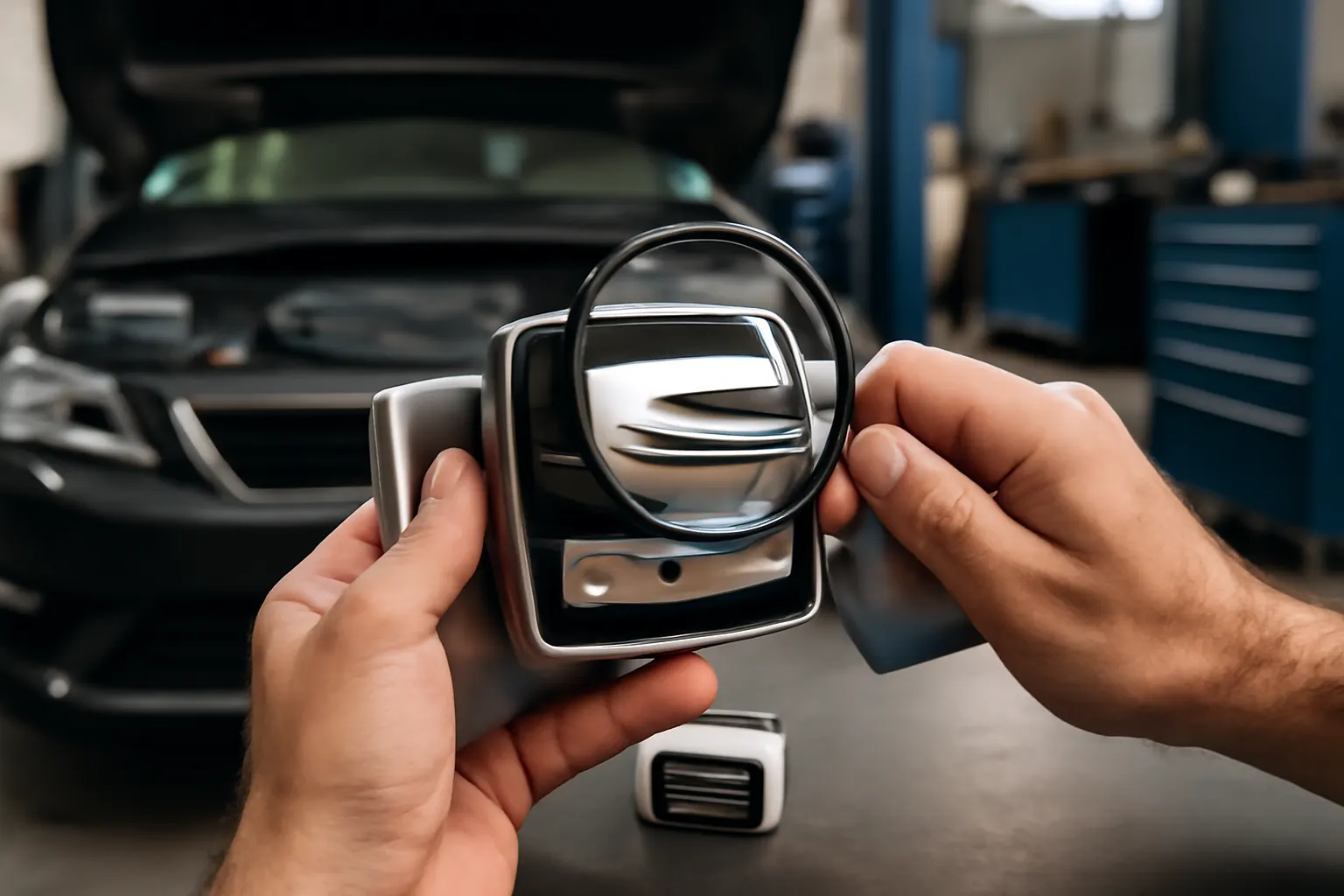
The first line of defense against counterfeit or imitation parts is a careful visual inspection. SEAT and the Volkswagen Group implement several design and packaging cues to help owners and technicians identify authentic components. Here’s what to look for:
1. SEAT and Volkswagen Group Branding
- Distinct SEAT Logo: Genuine parts feature a crisp, well-defined SEAT logo. Check for correct logo proportions, font, and alignment.
- Volkswagen Group Markings: Many genuine SEAT parts also display the VW Group emblem or textual reference, especially for shared components (see our Volkswagen Group Platform Compatibility: SEAT, Skoda, VW).
2. Part Numbers and Barcodes
- Consistent Format: SEAT uses a standardized alphanumeric part number system, often beginning with a three-character prefix (e.g., 6K0, 5P0).
- Laser-Etched or Stamped: On genuine parts, numbers are etched or stamped cleanly—never smudged or printed with low-quality ink.
- Barcode Stickers: Most new parts include a Volkswagen Group barcode for inventory tracking. Counterfeits may use generic or incorrect barcodes.
3. Packaging and Seals
- Holographic Seals: Many genuine parts come with a tamper-evident holographic sticker, often displaying both SEAT and VW Group branding.
- High-Quality Packaging: Boxes and bags feature sharp printing, correct color schemes, and multilingual instructions. Look for misspellings or low-resolution graphics as red flags.
4. Material Quality and Finish
- Consistent Materials: Genuine components use high-grade plastics, alloys, or composites as specified by SEAT’s engineering standards [^3].
- Uniform Finish: Surfaces are evenly finished, without rough edges, excessive mold lines, or discoloration.
5. Country of Origin and Manufacturer Codes
- Made in Spain or EU: Most genuine SEAT parts are manufactured in Spain or other EU countries. Check for consistent country of origin markings.
- Approved Supplier Codes: Some parts list manufacturer codes or supplier numbers traceable to VW Group’s approved vendor list.
Physical Inspection: Tactile and Structural Clues
Visual cues are essential, but physical inspection can reveal even more. When possible, compare the part in hand to the original component or a known genuine sample.
Weight and Density
- Correct Weight: Genuine parts match the weight of the original. Counterfeits may be lighter (using less material) or, less commonly, heavier (using incorrect substitutes).
- Balance and Rigidity: OE parts feel balanced and robust. Test for excessive flex or rattling in moving assemblies.
Fitment Points and Mold Lines
- Precision Fitment: Bolt holes, tabs, and connectors are cleanly molded and align perfectly with mounting points.
- Minimal Flashing: Molded parts have minimal flashing (excess plastic or metal at seams), indicating tight production tolerances.
Surface Texture and Coatings
- Smooth or Textured as Intended: Genuine parts have a uniform finish—smooth or textured according to design. Paint or coatings are evenly applied.
- Anti-Corrosion Treatments: Metal parts often have zinc or phosphate coatings, visible as a uniform matte or shiny finish.
Common Genuine SEAT Parts: What’s Most Counterfeited?
Certain categories of SEAT parts are more frequently targeted by counterfeiters due to their high demand and replacement rates. Here’s where to be especially vigilant:
- Brake Pads and Rotors: Safety-critical and frequently replaced.
- Filters (Oil, Air, Cabin): Easy to imitate, but material quality is crucial.
- Electronic Sensors: ABS, airbag, and engine sensors are small but vital.
- Body Panels and Lighting: Headlights, taillights, and mirrors are high-value targets.
- Suspension Components: Control arms, bushings, and struts.
For a full breakdown of SEAT part categories and maintenance intervals, see our SEAT parts category and SEAT Maintenance and Service Intervals Explained.
The SEAT Genuine Parts Checklist
Use this AutoPartEx visual and physical inspection checklist before purchasing or installing any SEAT part:
| Inspection Point | What to Check For | Red Flags |
|---|---|---|
| Branding & Logos | Correct SEAT/VW Group logos, clear printing | Blurry, misspelled, or missing |
| Part Numbers | Consistent format, laser-etched/stamped | Smudged, generic, or missing |
| Packaging | Holographic seals, sharp printing | Low-res, no seal, odd colors |
| Barcodes | Volkswagen Group barcode present | No barcode or generic sticker |
| Material Quality | Feels solid, matches OE part | Light, brittle, uneven finish |
| Country of Origin | Spain/EU, matches supplier codes | No country or suspicious origin |
| Fitment Points | Clean holes/tabs, aligns perfectly | Misaligned, rough edges |
| Surface Finish | Even paint/coating, no corrosion | Peeling, uneven, rust spots |
| Documentation | Multilingual, matches part | No or poor instructions |
Diagnostic Guidance: Spotting Counterfeit SEAT Parts in Use
Even after installation, non-genuine parts can reveal themselves through diagnostic trouble codes (DTCs), unusual noises, or premature wear. Common symptoms include:
- Warning Lights: Airbag, ABS, or check engine lights after fitting new sensors or electronics.
- Unusual Noises: Squeaking brakes, rattling suspension, or buzzing from electrical parts.
- Fitment Issues: Panels or lights that don’t align, or require excessive force to mount.
- Rapid Wear: Filters clogging early, pads wearing unevenly, or bushings deteriorating quickly.
If you encounter persistent DTCs, consult our guide to Common SEAT Fault Codes and Diagnostic Solutions. Always inspect recently installed parts if new issues arise.
Sourcing Genuine SEAT Parts: Where and How to Buy
To minimize the risk of counterfeits, always source SEAT parts from:
- Authorized SEAT Dealerships: The most reliable source, with direct access to manufacturer inventory.
- Certified OE Parts Distributors: Many reputable online and local distributors are certified by SEAT or the Volkswagen Group.
- Trusted Aftermarket Suppliers: If using aftermarket parts, look for those certified to meet or exceed OE standards (such as those adhering to SAE Standards).
Buying Tips:
- Request Documentation: Ask for proof of authenticity or supplier certification.
- Check Return Policies: Only buy from sellers with clear return and warranty policies.
- Beware of “Too Good to Be True” Deals: Deep discounts on high-demand parts are a red flag.
Materials and Engineering: Why OE SEAT Parts Stand Apart
The United States Department of Energy underscores the importance of advanced materials in automotive components [^3]. Genuine SEAT parts are engineered using:
- High-Strength Steel and Alloys: For body panels, suspension, and structural components.
- Engineered Plastics and Composites: Used in interior, exterior, and under-hood parts for weight savings and durability.
- Precision Electronics: Sensors and ECUs are manufactured to strict Volkswagen Group standards, ensuring compatibility and longevity.
Counterfeit parts may substitute cheaper materials or skip critical anti-corrosion and safety treatments, leading to premature failure or safety risks.
Installation and Maintenance: Handling Genuine SEAT Parts
Proper installation and maintenance are as important as sourcing genuine parts. Here’s how to maximize the value and lifespan of authentic SEAT components:
Installation Best Practices
- Follow SEAT Workshop Manuals: Always reference official SEAT repair guides for torque specs and installation sequences.
- Use Correct Tools: Many OE parts require specialized tools for safe and accurate installation.
- Inspect Before Fitting: Even genuine parts can be damaged in transit—check for cracks, dents, or missing hardware.
Maintenance Recommendations
- Adhere to Service Intervals: Use genuine filters, fluids, and wear parts at recommended intervals. See our SEAT Maintenance and Service Intervals Explained.
- Log All Replacements: Keep detailed records of part numbers, suppliers, and installation dates for future reference and resale value.
The Role of Standards and Recalls
The NHTSA’s Vehicle, Car Seat, Tire, and Equipment Recalls database highlights the importance of using parts that comply with OE standards. Genuine SEAT parts are subject to rigorous testing and recall procedures, ensuring any defects are quickly addressed. Non-genuine or counterfeit parts are not covered by manufacturer recalls, leaving owners at risk.
Additionally, adherence to SAE Standards ensures that parts meet industry benchmarks for safety, materials, and fitment—something most counterfeits ignore.
The AutoPartEx Approach: Trusted Sourcing and Expert Guidance
At AutoPartEx, we are committed to helping SEAT owners and technicians source, verify, and install only genuine components. Our extensive database, expert sourcing guides, and fitment tools are designed to take the guesswork out of parts selection. We work exclusively with certified suppliers and provide up-to-date visual guides—like this one—to empower our community.
For a full range of authentic SEAT parts, or to verify a component before purchase, explore our Genuine SEAT Auto Parts: Expert Fitment, Heritage & Sourcing Guide | AutoPartEx or browse the SEAT parts category.
Expert Action: What to Do Next
- Inspect All Parts: Use the checklist above before purchasing or installing any SEAT component.
- Source Wisely: Buy only from authorized SEAT dealers or certified OE distributors.
- Stay Informed: Regularly check for recalls and service bulletins on the NHTSA website.
- Document Everything: Record part numbers, sources, and installation details for future reference.
- Consult AutoPartEx: For expert advice, fitment verification, or sourcing questions, rely on our technical guides and support team.
By following these steps, you protect your investment, maximize safety, and ensure your SEAT performs as its engineers intended.