Sourcing Rare and Discontinued Volvo Components
Finding rare or discontinued Volvo components can be a daunting task, especially for owners and restorers of legacy models. Whether you're maintaining a classic 240, reviving a first-generation V70R, or restoring a P1800 to original spec, the right part is often the difference between a successful project and a stalled one. This guide provides actionable strategies, field-tested resources, and real-world cost comparisons to help you source rare Volvo parts with confidence. For a comprehensive overview of model fitment and Volvo OEM part standards, visit our Volvo OEM Parts: Model Fitment, Quality Standards, and Sourcing page.
The Immediate Answer: How to Find Rare and Discontinued Volvo Parts
The fastest, most reliable way to source rare or discontinued Volvo parts is to leverage a combination of specialized Volvo dismantlers, global online marketplaces, OEM dealer networks for legacy stock, and enthusiast community resources. Each channel has its own strengths, price ranges, and risks—knowing how to navigate them will save you time, money, and potential safety headaches.
The Hidden Problem: Scarcity, Counterfeits, and Compatibility
While it may seem straightforward to search for a part number online, the reality is more complex. Discontinued Volvo parts are often subject to dwindling inventories, counterfeiting, and compatibility issues. Parts may be listed under superseded numbers, vary between markets, or have been updated for safety reasons. Incorrect or substandard replacements can compromise system integrity, especially for safety-critical components such as ABS modules, airbags, or seatbelt assemblies. According to the National Highway Traffic Safety Administration (NHTSA), using non-compliant or incorrect parts can directly affect vehicle safety and may violate federal standards [^1].
Unpacking the Challenge: Why Sourcing Legacy Volvo Parts Is Difficult
1. Discontinued Production and Shrinking OEM Inventory
Volvo, like most automakers, phases out production of parts for older models as demand decreases. After a decade or two, many components—especially trim, electronics, and unique drivetrain items—are no longer available through official dealer channels. Even if a part is listed in an old catalog, actual inventory may be zero.
2. Supersession and Part Number Changes
Volvo frequently supersedes part numbers as designs are updated, suppliers change, or engineering improvements are made. For rare parts, the original number may have multiple supersessions, complicating the search. Without access to updated fitment databases or dealer-level catalogs, it’s easy to order an incorrect or incompatible component.
3. Counterfeit and Non-Compliant Parts
The rise of global online marketplaces has made it easier for counterfeit or substandard parts to enter the supply chain. These knockoffs may look correct but often fail to meet Volvo’s original engineering and safety standards, as outlined in SAE and NHTSA guidelines [^2][^3]. The risk is highest for high-value items like electronics, sensors, and safety modules.
4. Global Variations and Market-Specific Parts
Legacy Volvos were often built with market-specific variations—different climate packages, emissions equipment, or trim for North America, Europe, and Asia. A part sourced from overseas may not fit or function correctly on a U.S.-spec car.
5. Documentation Gaps and Lost Knowledge
As models age, technical documentation becomes harder to find. Workshop manuals, wiring diagrams, and part catalogs may be out of print or only available in foreign languages. This can make correct identification and installation of legacy parts challenging even for professionals.
Solution Path: Proven Strategies for Sourcing Rare Volvo Parts
The following approaches, when used in combination, provide the best coverage for finding rare and discontinued Volvo components. Each method is matched to typical part types, cost considerations, and risk factors.
1. Specialized Volvo Dismantlers and Recyclers
Best for: Hard-to-find body panels, interior trim, unique drivetrain components, and model-specific electronics.
Specialized Volvo dismantlers focus exclusively on breaking down Volvo vehicles and cataloging usable parts. These businesses often have inventory systems that track rare items by VIN, color code, and option package. Examples include nationwide recyclers and region-specific Volvo yards.
Checklist for Using Volvo Dismantlers:
- Verify the donor vehicle’s VIN and build sheet for compatibility.
- Request detailed photos and, if possible, video of the part in situ.
- Ask about mileage, condition, and any known faults.
- Confirm return policy and warranty (if offered).
- Ensure the part number matches your original or is verified as a supersession.
Dismantlers can supply genuine, used OEM parts at a fraction of the cost of new—if inventory is available. For rare trim or electronics, they may be the only source.
2. OEM Dealer Legacy Stock and Classic Parts Programs
Best for: New-old-stock (NOS) mechanical parts, safety-critical components, and official accessories.
Some Volvo dealers maintain legacy stock or participate in classic parts programs that source NOS inventory from global warehouses. While prices are typically higher, these parts are guaranteed genuine and compliant with safety standards.
How to Access Dealer Legacy Stock:
- Contact Volvo dealers specializing in classic models.
- Provide exact VIN and part number(s).
- Ask about global search capabilities—some dealers can access European or Asian stock.
- Inquire about superseded part numbers and fitment notes.
For safety-critical items (airbags, ABS modules, seatbelts), always prioritize dealer-supplied or certified NOS parts to ensure compliance with NHTSA equipment standards.
3. Global Online Marketplaces and Auctions
Best for: Obsolete electronics, rare accessories, and international-market components.
Platforms such as eBay, Tradera (Sweden), and specialized enthusiast forums frequently list legacy Volvo parts from private sellers, shops, and dismantlers worldwide. This is often the only way to source rare European or Japanese-market items.
Buyer’s Guide for Online Marketplaces:
- Cross-check seller ratings and transaction history.
- Request photos of part numbers and manufacturer markings.
- Beware of “too good to be true” prices—counterfeit risk is high.
- Clarify shipping times, customs duties, and return policies.
- Use secure payment methods with buyer protection.
While prices can be competitive, the risk of counterfeit or incorrect parts is higher. Always verify authenticity before installation—see our Volvo Parts Authenticity: Spotting Counterfeits guide.
4. Volvo Enthusiast Forums and Owner Communities
Best for: Niche trim, obsolete fasteners, technical documentation, and peer-to-peer knowledge.
Volvo owner forums (such as Turbobricks, Swedespeed, and VOC) are invaluable for sourcing rare items, cross-referencing part numbers, and accessing wiring diagrams or service bulletins. Community members often have stockpiles of obsolete parts or leads on dismantled vehicles.
Forum Sourcing Tips:
- Search for “parts wanted” and “parts for sale” threads by model/year.
- Post detailed requests with photos and part numbers.
- Engage in private messaging for negotiation and payment.
- Participate in group buys or bulk orders for hard-to-find items.
Forums are also a goldmine for installation tips and troubleshooting advice from experienced owners and technicians.
5. Aftermarket and Remanufactured Options
Best for: Common wear items, bushings, mounts, and some mechanical assemblies.
When OEM parts are discontinued, reputable aftermarket suppliers or remanufacturers may offer suitable replacements. However, not all aftermarket parts meet Volvo’s original engineering standards—always verify compliance with SAE standards and seek out brands with a proven track record in Volvo applications.
Checklist for Aftermarket Sourcing:
- Confirm part compatibility by cross-referencing OE and aftermarket numbers.
- Research manufacturer reputation and user reviews.
- Look for certifications (e.g., ISO, SAE compliance).
- Avoid no-name brands or suspiciously low prices.
For safety or emissions-critical components, always prioritize OEM or certified remanufactured parts.
Real-World Examples: Cost and Sourcing Comparisons
Example 1: Sourcing a Discontinued Volvo 240 Heater Control Valve
- OEM Dealer: No longer available (NLA) in North America.
- Specialized Dismantler: Used, $60–$100, with 30-day warranty.
- Online Marketplace: New-old-stock, $120–$250 (plus shipping from Europe).
- Aftermarket: Reproduction available, $35–$60, but mixed reviews on longevity.
Takeaway: For a safety-critical HVAC part, a used OEM valve from a reputable dismantler or NOS from a verified seller is preferable to low-quality aftermarket reproductions.
Example 2: Finding a P80 Platform (850/S70/V70) ABS Control Module
- OEM Dealer: NLA; superseded part number points to unavailable stock.
- Remanufactured: $200–$300, with 1–2 year warranty.
- Forum/Community: Used, $50–$120, condition varies.
- Online Marketplace: Risk of counterfeit or failed modules.
Takeaway: Remanufactured units from a specialist with a warranty are often the safest and most cost-effective solution for legacy electronics.
Example 3: Locating Early 2000s S60/V70 Headlamps (European Spec)
- Dealer: U.S. DOT headlamps available, but not Euro-spec.
- Online Marketplace: $350–$600 per pair, shipped from Europe.
- Forum: Occasional group buys or trades, $200–$400.
- Aftermarket: Some reproduction units, but with optical and fitment compromises.
Takeaway: For market-specific components, global online sources and enthusiast forums offer the best chance, but expect to pay a premium for rarity.
Diagnostic Guidance: Verifying Part Numbers and Fitment
Accurate identification is critical when sourcing rare or discontinued Volvo parts. Misordering can result in wasted time, lost money, and potential safety risks.
Step-by-Step Diagnostic Process:
- Locate the Original Part Number: Use your vehicle’s VIN and consult official Volvo parts catalogs or dealer EPC systems.
- Check for Supersessions: Identify any updated or superseded part numbers through dealer or specialist resources.
- Cross-Reference: Compare with global Volvo parts databases and enthusiast-maintained lists.
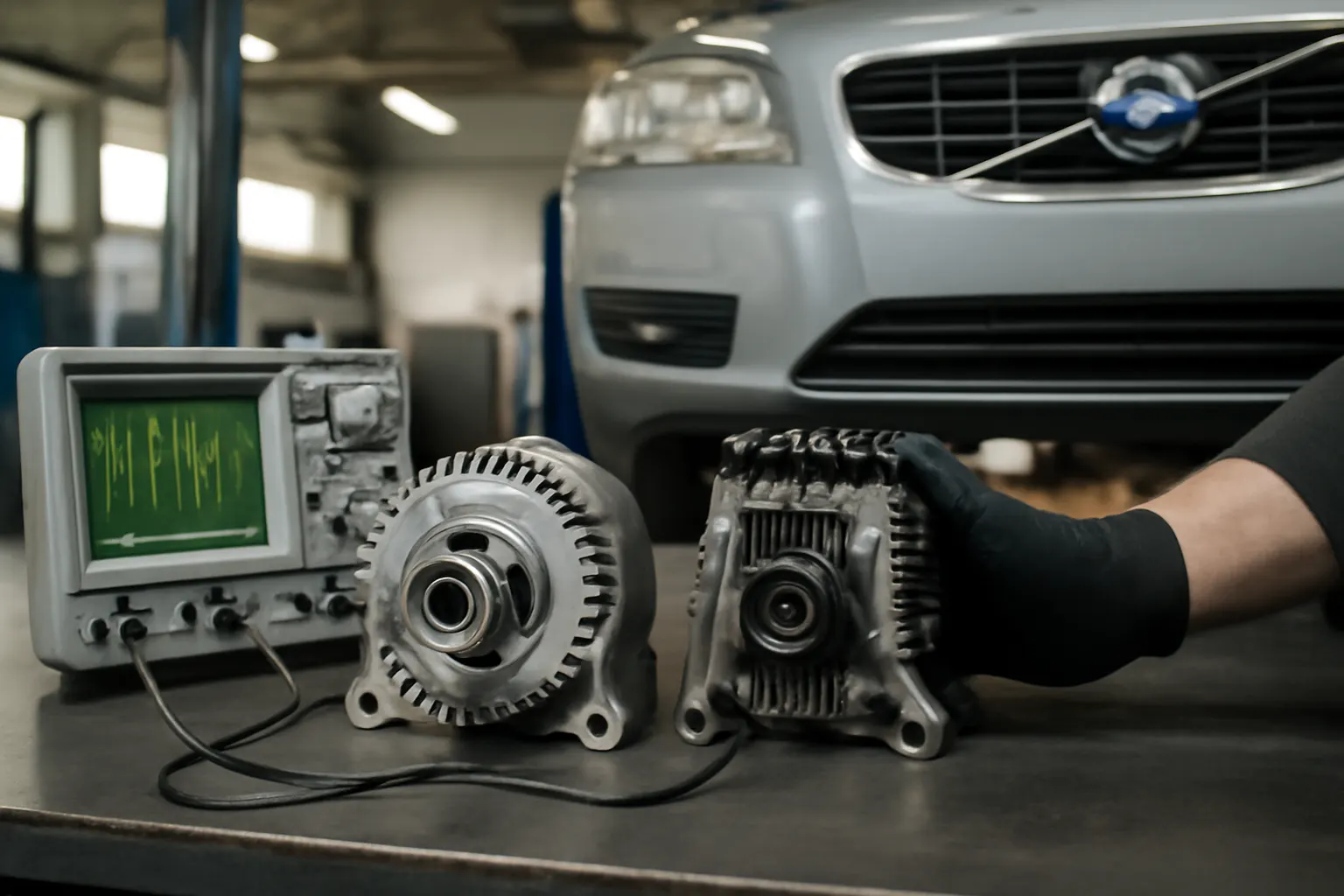
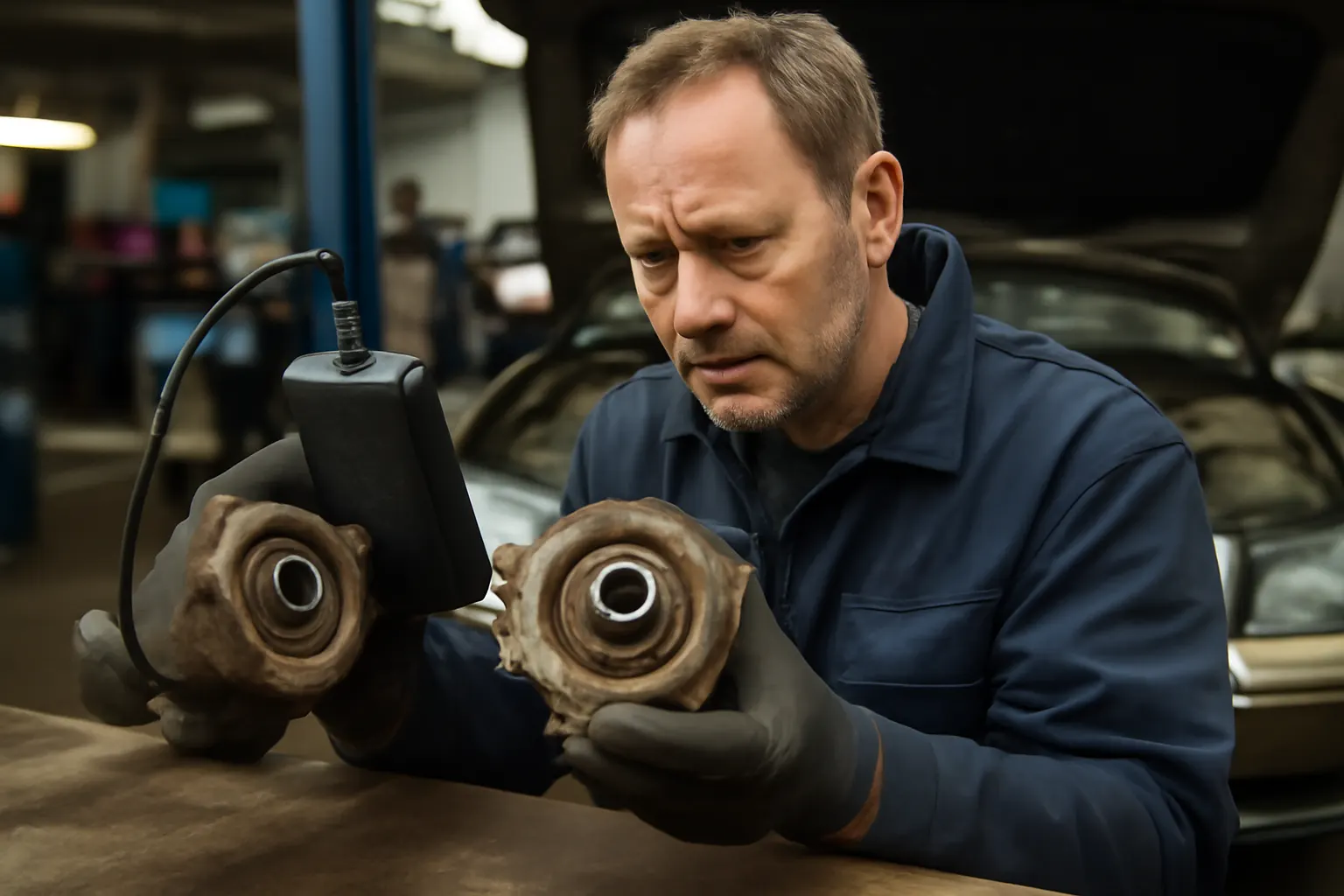
- Inspect the Old Part: Look for stamped or cast numbers, manufacturer logos, and date codes.
- Consult Community Forums: Search for common fitment issues or compatibility notes specific to your model and region.
For additional guidance on Volvo maintenance and part fitment, see our Volvo Maintenance Intervals and OEM Parts Guide.
Installation and Maintenance Considerations
Rare and legacy Volvo parts often require special care during installation and ongoing maintenance. Here’s how to maximize reliability and safety:
- Pre-Installation Inspection: Clean and test used or NOS parts before installation, especially for electronics or hydraulics.
- Use Correct Tools: Many Volvo fasteners and clips are unique—using the correct tools prevents damage.
- Follow OEM Torque Specs: Use factory service manuals for torque values and installation sequences.
- Document Everything: Keep records of part numbers, sources, and installation dates for future reference.
- Periodic Inspection: Check legacy parts regularly for wear, leaks, or electrical faults, especially if sourced used.
Avoiding Counterfeits: Authenticity Checklist
With the proliferation of counterfeit parts, especially online, it’s critical to verify authenticity before installation. Use the following checklist to minimize risk:
Volvo Parts Authenticity Checklist
- Purchase from reputable dealers, dismantlers, or known community members.
- Inspect packaging for correct Volvo branding, barcodes, and holograms.
- Compare physical details (weight, finish, markings) to known genuine parts.
- Verify part numbers against official Volvo catalogs and SAE standards.
- Request proof of origin or invoice for NOS items.
- When in doubt, consult our Volvo Parts Authenticity: Spotting Counterfeits resource.
Cost Comparison Table: Sourcing Channels for Rare Volvo Parts
| Sourcing Channel | Typical Cost Range | Availability | Authenticity Risk | Warranty/Return |
|---|---|---|---|---|
| Volvo Dealer (Legacy/NOS) | $$$–$$$$ | Low–Medium | Low | Yes |
| Specialized Dismantler | $$–$$$ | Medium | Low–Medium | Sometimes |
| Online Marketplace | $–$$$$ | Medium–High | Medium–High | Varies |
| Forum/Community | $–$$$ | Low–Medium | Medium | No/Varies |
| Aftermarket/Remanufactured | $–$$$ | Medium–High | Medium | Yes/Varies |
Key: $ = lowest, $$$$ = highest
Navigating Safety and Regulatory Concerns
Sourcing rare components for safety or emissions systems requires extra diligence. According to NHTSA equipment guidelines, only parts meeting original manufacturer and federal standards should be used for items such as airbags, ABS, seatbelts, and lighting. Installing non-compliant or counterfeit parts can jeopardize safety, fail inspections, and expose you to liability.
Always verify that legacy or used parts for these systems are sourced from reputable suppliers and, where possible, carry certification or provenance documentation.
When to Consider Professional Help
Some rare Volvo components—especially complex electronics or safety modules—require advanced diagnostic tools and technical expertise for proper installation and programming. If you lack access to VIDA/DiCE diagnostic equipment or factory-level documentation, consider partnering with a Volvo specialist shop or experienced independent technician.
Professional services can:
-
Program and code legacy modules to your vehicle.
-
Bench-test used or remanufactured electronics.
-
Provide installation and fitment guarantees.
-
Source parts through industry-only channels.
AutoPartEx: Your Volvo Legacy Parts Resource
AutoPartEx is dedicated to supporting Volvo owners, restorers, and enthusiasts in sourcing, installing, and maintaining rare and discontinued components. Our network of vetted suppliers, technical experts, and fitment databases ensures you receive only genuine, compliant parts for your Volvo—regardless of age or rarity.
Explore our Volvo OEM Parts: Model Fitment, Quality Standards, and Sourcing hub for detailed part guides, model compatibility charts, and sourcing solutions. For further safety insights, see How Genuine Volvo Parts Impact Safety Systems.
The Expert Action: Start Your Rare Parts Search with Confidence
Sourcing rare and discontinued Volvo components is a challenge, but with the right strategy, resources, and technical know-how, it’s entirely achievable. Begin with accurate part identification, leverage reputable sourcing channels, and prioritize authenticity and safety at every step. For complex or safety-related systems, partner with professional Volvo specialists or consult AutoPartEx for technical support.
With careful planning and the right connections, your legacy Volvo can remain safe, reliable, and true to its heritage—no matter how rare the parts it requires.