How Genuine Volvo Parts Impact Safety Systems
When it comes to protecting drivers and passengers, Volvo’s legendary safety reputation is built on more than just innovative engineering—it’s built on the consistent use of genuine Volvo parts. The direct link between authentic Volvo components and the flawless function of advanced safety systems is critical, yet often overlooked. Whether you drive a classic 240 or a modern XC90, using genuine Volvo parts is not just a matter of brand loyalty; it’s a matter of maintaining the integrity of the vehicle’s integrated safety features. In this comprehensive guide, we’ll break down how genuine Volvo parts directly impact the performance and reliability of your Volvo’s safety systems, expose the hidden risks of aftermarket or counterfeit components, and provide expert guidance on diagnostics, sourcing, and installation.
If you’re looking for a one-stop resource for Volvo OEM Parts: Model Fitment, Quality Standards, and Sourcing | AutoPartEx, this article will give you the actionable insights you need to make informed, safety-focused decisions about your Volvo’s upkeep.
The Immediate Answer: Why Genuine Volvo Parts Are Critical for Safety
Genuine Volvo parts are engineered, tested, and validated to work seamlessly with the advanced safety systems that define the Volvo brand. These systems—from airbags and anti-lock brakes to collision avoidance and lane-keeping assistance—rely on exact tolerances, materials, and electronic integration that only OEM (Original Equipment Manufacturer) parts can guarantee. When you choose authentic Volvo parts, you ensure that every sensor, actuator, and structural component performs to the standards established by Volvo and verified by global safety authorities like the National Highway Traffic Safety Administration (NHTSA) and SAE International.
Key Takeaway: Genuine Volvo parts are not just replacements—they are engineered safety components that directly impact your vehicle’s ability to protect you in the event of a crash or system failure.
The Hidden Problem: The Safety Risks of Non-Genuine Parts
While aftermarket and counterfeit parts may appear similar to genuine Volvo components, they can introduce critical safety risks that are not immediately obvious. These risks include:
- Substandard Materials: Inferior metals, plastics, and electronic components that fail under crash loads or environmental stress.
- Fitment Issues: Even minor deviations in size or shape can prevent proper sensor alignment or cause airbags and seat belts to malfunction.
- Lack of Testing: Non-genuine parts are rarely subjected to the rigorous crash, durability, and integration testing required by Volvo and industry standards such as those set by the SAE.
- Software Incompatibility: Many modern Volvo safety systems rely on precise communication between electronic modules. Non-OEM parts may trigger diagnostic trouble codes (DTCs), disable safety functions, or cause false alarms.
Example: A non-genuine front bumper cover may not correctly position the radar sensor used for adaptive cruise control and collision mitigation, resulting in delayed or failed system responses during critical moments.
Expanding the Problem: How Safety Systems Depend on OEM Precision
1. Integrated Sensor Networks
Modern Volvo vehicles use an array of sensors—accelerometers, gyroscopes, radar, lidar, and cameras—to monitor the driving environment and vehicle dynamics. These sensors feed data to safety systems such as:
- City Safety (autonomous emergency braking)
- Pilot Assist (semi-autonomous driving)
- Lane Keeping Aid
- Blind Spot Information System (BLIS)
OEM Dependency: The mounting brackets, sensor housings, and wiring harnesses are all designed to OEM specifications. A non-genuine part with even a millimeter of misalignment can render these systems unreliable, or worse, inoperative.
2. Structural Integrity and Crashworthiness
Volvo’s safety cage, crumple zones, and energy-absorbing structures are engineered with precise material grades and weld points. Genuine parts ensure:
- Airbags deploy at the correct speed and pressure.
- Seat belts lock at the optimal moment.
- Impact forces are distributed as tested in Volvo’s crash labs.
Aftermarket Risk: Substituting structural components—such as doors, hoods, or crossmembers—with non-OEM parts can alter crash energy paths, increasing the risk of injury.
3. Electronic System Integration
Modern Volvos use CAN bus and LIN bus architectures to manage communication between safety modules. Genuine electronic parts are pre-programmed and validated for compatibility, ensuring no disruption in data flow.
Software Mismatch: Aftermarket electronic components may not communicate correctly, leading to system errors, warning lights, or total deactivation of safety features.
Volvo’s Safety Philosophy: Why OEM Parts Are Central
Since the introduction of the three-point seat belt in 1959, Volvo has led the automotive world in safety innovation. This legacy is built on a holistic approach where every part—mechanical or electronic—contributes to the vehicle’s overall safety performance.
Volvo’s Approach Includes:
- Crash Testing: Every component is tested as part of the whole vehicle, not just in isolation.
- Material Science: Volvo selects materials for their energy absorption, strength, and deformation characteristics.
- System Validation: Safety systems are validated using both physical and digital simulations, requiring exact OEM part specifications.
Conclusion: Using genuine Volvo parts is not just about maintaining warranty or resale value—it is the only way to preserve the engineering intent behind Volvo’s world-renowned safety systems.
How Genuine Parts Comply with Regulatory and Industry Standards
NHTSA Equipment Standards
The National Highway Traffic Safety Administration (NHTSA) sets minimum standards for vehicle safety equipment in the USA. Volvo’s OEM parts are designed to meet or exceed these standards, ensuring legal compliance and optimal protection.
SAE International Standards
SAE Standards govern everything from electronic connectors to crash test protocols. Volvo engineers design and test all genuine parts to strict SAE criteria, ensuring compatibility and reliability.
Recalls and Safety Notices
Genuine Volvo parts are traceable and subject to recall procedures if a defect is found, as documented in the NHTSA Recalls Database. Aftermarket parts may not be included in recall campaigns, leaving you unaware of critical safety issues.
Safety-Critical Volvo Parts: What You Should Never Substitute
Some components are so integral to safety that using anything but genuine Volvo parts should be considered a non-starter. These include:
- Airbags and Airbag Modules: Timing, pressure, and deployment angle are all calibrated to the vehicle’s design.
- Seat Belts and Pretensioners: Only OEM parts guarantee the correct locking and tensioning response.
- Crash Sensors and Control Units: These electronic modules must communicate flawlessly with the vehicle’s safety network.
- Braking System Components: ABS modules, brake pads, rotors, and calipers are matched for optimal stopping power and heat dissipation.
- Structural Body Parts: Bumpers, crumple zones, door beams, and A-pillars are all engineered for crash energy management.
Checklist: Never Substitute These Volvo Safety Parts
| Component Type | OEM Criticality | Aftermarket Risk Example |
|---|---|---|
| Airbags | Essential | Delayed or failed deployment |
| Seat belts | Essential | Improper locking, excess slack |
| Crash sensors | Essential | False triggers, no deployment |
| ABS/ESC modules | Essential | Loss of stability control |
| Structural body parts | Essential | Changed crash energy absorption |
Diagnostics: Identifying Genuine vs. Non-Genuine Safety Parts
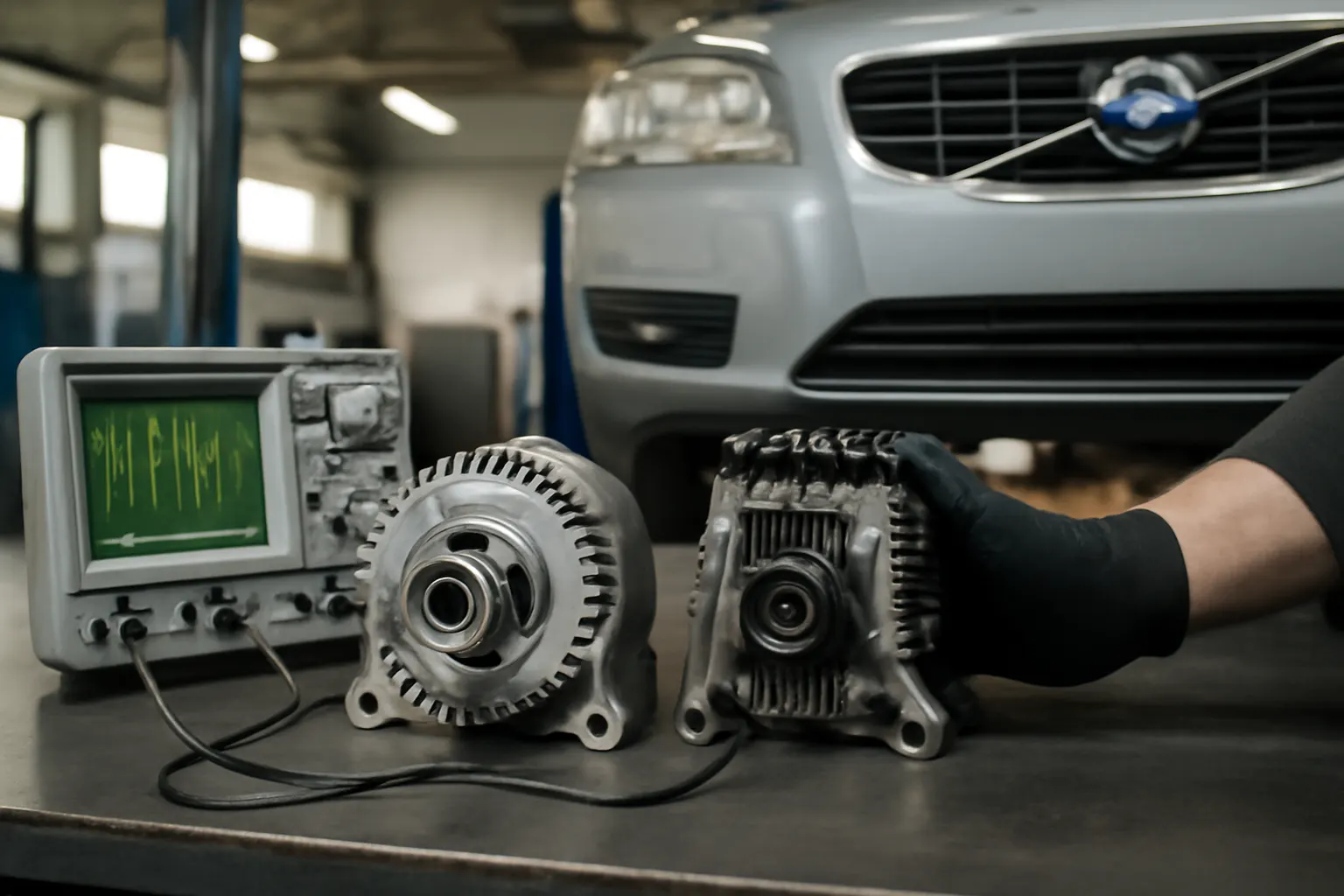
With the proliferation of counterfeit and substandard parts, it’s crucial to be able to identify genuine Volvo safety components.
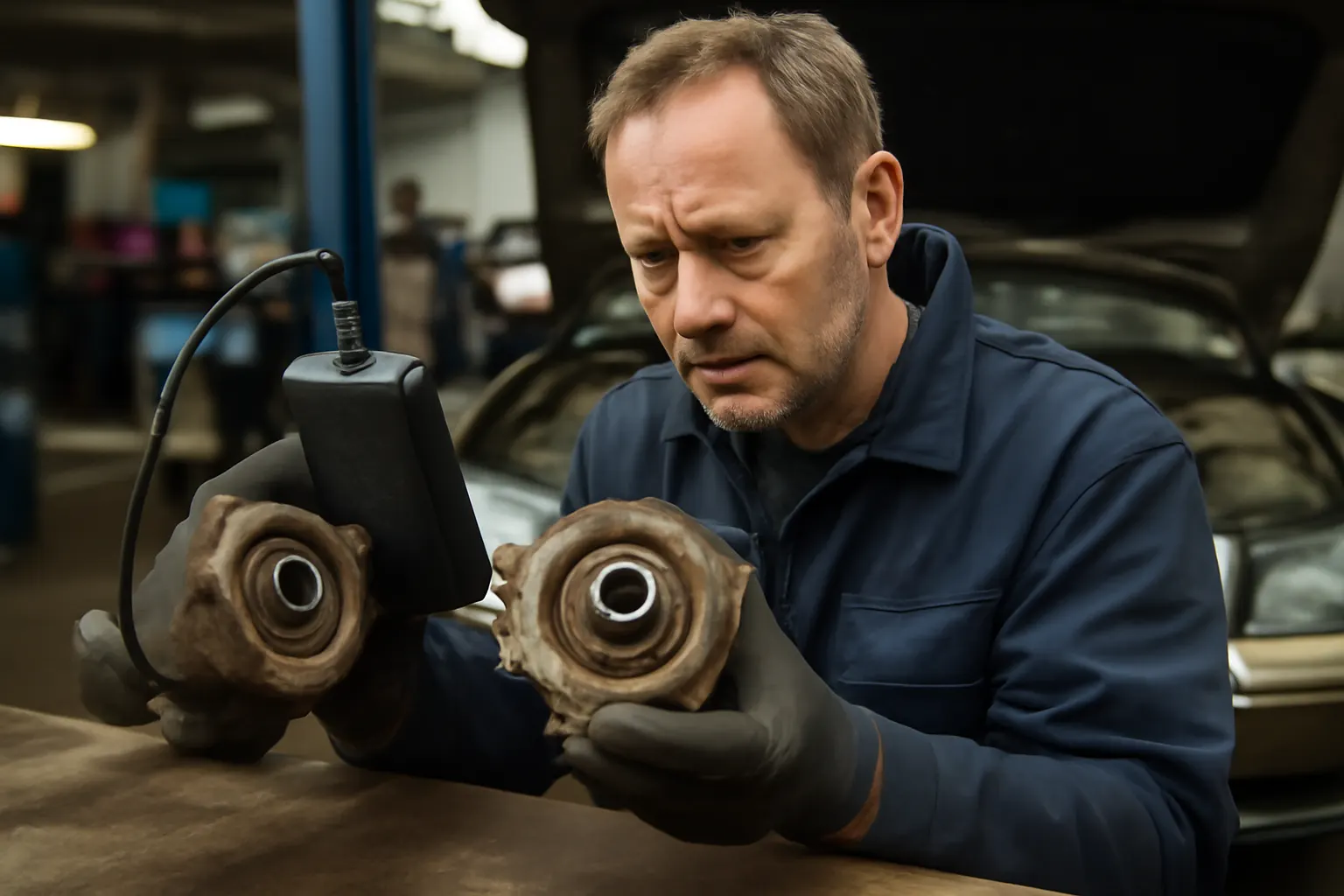
Visual Inspection
- Volvo Branding: Genuine parts bear clear Volvo logos, part numbers, and manufacturing marks.
- Material Quality: OEM parts exhibit high-quality finishes, precise welds, and consistent coloring.
- Packaging: Authentic Volvo parts come in branded packaging with tamper-proof seals.
Electronic Diagnostics
- OBD-II Scan: Use a diagnostic scanner to check for DTCs related to safety systems. Non-genuine electronic modules may cause persistent error codes.
- System Self-Test: Most Volvos run a self-test on startup. Warning lights for SRS (Supplemental Restraint System) or ABS/ESC indicate possible part incompatibility.
Documentation
- Invoice and Source: Only purchase from authorized Volvo dealers or certified distributors. Keep documentation for future recalls or service bulletins.
For a deep dive on spotting counterfeits, see our guide: Volvo Parts Authenticity: Spotting Counterfeits.
Installation: Why Professional Fitting Matters for Safety
Even with genuine parts, improper installation can compromise safety. Volvo safety systems often require:
- Calibration: Many sensors and modules must be calibrated using Volvo’s VIDA diagnostic system after installation.
- Torque Specifications: Structural fasteners must be tightened to exact specs to maintain crash energy paths.
- Software Updates: Some parts require software updates or coding to integrate with the vehicle’s network.
Professional Installation Checklist:
- Verify part number and packaging authenticity.
- Use manufacturer-recommended tools and procedures.
- Calibrate sensors and modules using VIDA or equivalent.
- Perform post-installation system checks and test drives.
- Document installation and update service records.
Maintenance: Keeping Volvo Safety Systems in Top Condition
Routine maintenance is essential for keeping your Volvo’s safety systems at peak performance. This includes:
- Scheduled Inspections: Follow Volvo’s maintenance intervals for checking airbags, seat belts, and electronic safety modules.
- Fluid and Brake Checks: Ensure brake fluid and pads are replaced with OEM-grade products.
- Software Updates: Have your Volvo dealer check for safety system software updates during regular service visits.
For a full schedule, refer to our Volvo Maintenance Intervals and OEM Parts Guide.
Sourcing Genuine Volvo Safety Parts: Best Practices
Where to Buy
- Authorized Volvo Dealerships: Always your safest bet for genuine parts.
- Certified Distributors: Some online and local retailers are certified by Volvo.
- AutoPartEx Trusted Network: We vet our suppliers for authenticity and compliance with Volvo and SAE standards.
What to Avoid
- Unverified Online Sellers: Beware of deals that seem too good to be true.
- Used Safety Parts: Never install used airbags, seat belts, or crash sensors.
Sourcing Checklist
| Step | Action |
|---|---|
| Verify Source | Confirm seller’s Volvo certification |
| Check Part # | Match part number to Volvo’s official catalog |
| Inspect Item | Look for Volvo branding and packaging |
| Keep Records | Save invoices and part numbers for future reference |
For guidance on rare or discontinued parts, see: Sourcing Rare and Discontinued Volvo Components.
The Aftermarket Dilemma: When Is It Safe to Use Non-OEM Parts?
While certain non-safety-related parts (like wiper blades or cabin filters) can sometimes be substituted with high-quality aftermarket alternatives, any component that interfaces with a safety system should always be OEM. The risks of non-genuine parts in safety-critical areas far outweigh any potential cost savings.
Red Flags:
- Parts that claim “universal fit” for multiple makes/models
- Lack of clear manufacturer information
- No compliance with NHTSA or SAE standards
Case Studies: Real-World Consequences of Non-Genuine Parts
Case 1: Airbag Malfunction
A Volvo XC60 owner installed a non-OEM airbag module purchased online. During a minor collision, the airbag failed to deploy due to incompatible connectors and software mismatches, resulting in serious injury. NHTSA investigations have linked similar incidents to counterfeit safety parts.
Case 2: Faulty ABS Module
An S60 driver replaced the ABS module with an aftermarket unit. The system triggered a persistent warning light and disabled electronic stability control. Dealer diagnostics revealed the module’s internal circuit board did not meet Volvo’s communication protocols.
Case 3: Structural Failure
A body shop used a non-genuine front fender after a minor crash. In a subsequent collision, the fender failed to absorb energy as designed, causing additional damage to the A-pillar and increasing repair costs.
Lesson: Always verify the authenticity and fitment of safety-critical components.
Volvo’s Recall Process: Why OEM Parts Ensure Traceability
When a safety defect is discovered, Volvo and regulatory agencies like NHTSA issue recalls for affected parts. Only genuine Volvo parts are registered and traceable, ensuring you are notified and protected.
- OEM Recall Process: Registered owners and service centers receive notifications and replacement instructions.
- Aftermarket Limitation: Non-genuine parts are not included in manufacturer recalls, leaving you vulnerable to unresolved safety defects.
Check your Volvo’s VIN for recall status at the NHTSA Recalls Database.
The Role of SAE and NHTSA in Volvo Safety Part Standards
SAE International
SAE develops the engineering standards that underpin Volvo’s safety part design, testing, and validation. Every genuine Volvo safety part complies with relevant SAE standards, ensuring performance in real-world conditions.
NHTSA Oversight
NHTSA enforces compliance with federal safety regulations. Genuine Volvo parts are documented and tested to meet or exceed these requirements, providing legal and practical assurance of safety.
AutoPartEx: Your Trusted Partner for Volvo Safety
At AutoPartEx, we understand that your safety—and the safety of your loved ones—depends on the integrity of every part in your Volvo. That’s why we offer only genuine, rigorously vetted Volvo OEM parts through our trusted supplier network. From sourcing to fitment, our experts provide guidance, technical resources, and diagnostic support to ensure your Volvo’s safety systems remain uncompromised.
Whether you’re a DIY enthusiast or a professional technician, trust AutoPartEx for:
- Verified OEM parts catalog
- Model-specific fitment guidance
- Up-to-date compliance with NHTSA and SAE standards
- Technical support for installation and calibration
Start your search for genuine Volvo safety parts at Volvo OEM Parts: Model Fitment, Quality Standards, and Sourcing | AutoPartEx.
Expert Action: What Should You Do Next?
- Audit Your Volvo’s Safety Parts: Review your vehicle’s service history and confirm that all safety-critical components are genuine Volvo parts.
- Schedule a Professional Inspection: If in doubt, have a Volvo-certified technician inspect your safety systems and run diagnostic checks.
- Source Only Genuine Parts: Use trusted sources like AutoPartEx to find and verify OEM Volvo components.
- Stay Informed: Register your Volvo with NHTSA and Volvo for recall notifications, and keep up with the latest safety bulletins.
- Document Everything: Maintain detailed records of all safety-related repairs, part numbers, and installation dates.