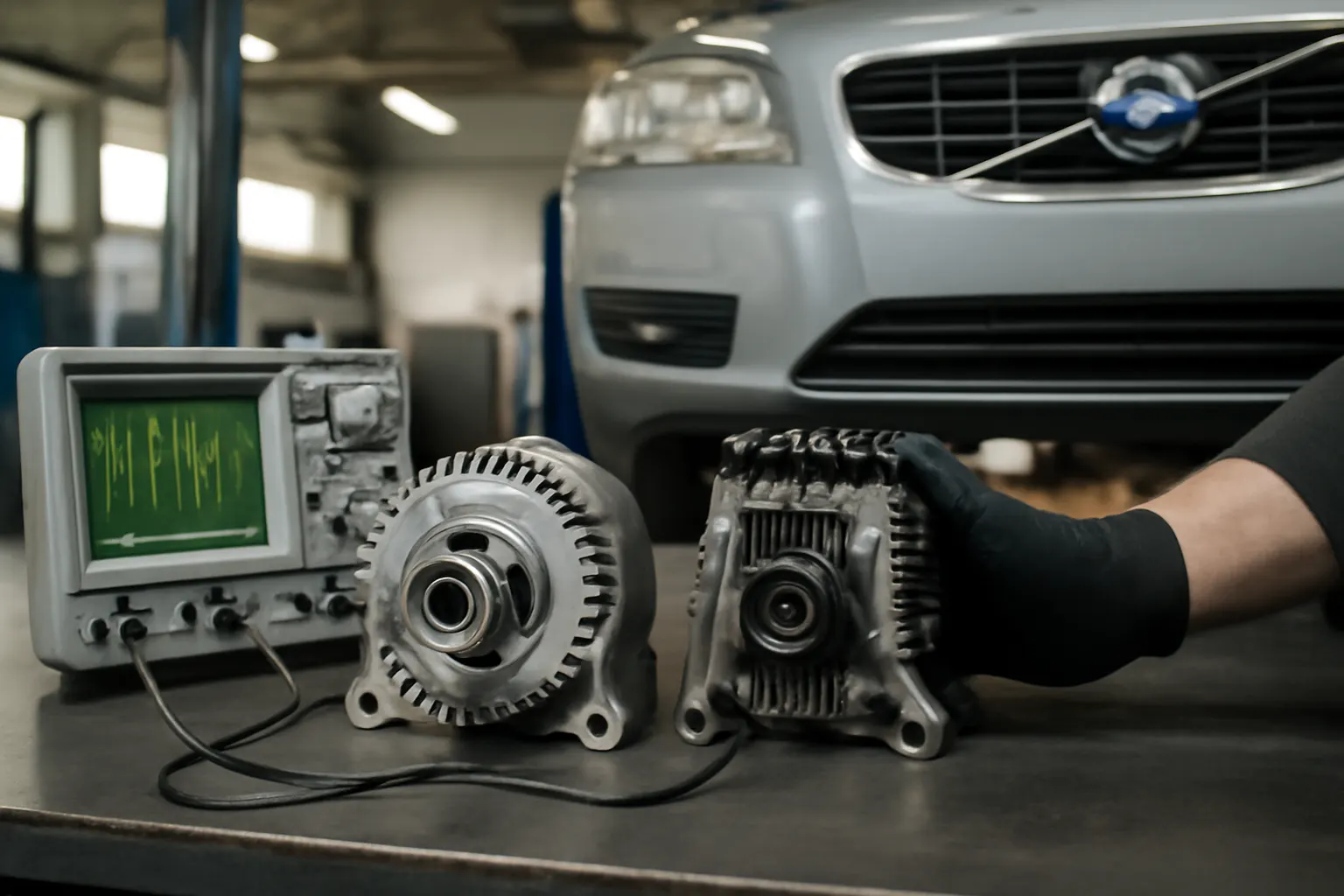
Genuine vs. Aftermarket: Volvo Parts Quality Compared
When it comes to maintaining or repairing your Volvo, the choice between genuine OEM parts and aftermarket alternatives is a critical one. Volvo's reputation for safety, engineering precision, and long-term reliability hinges on the quality of the components under the hood. But does paying more for a genuine part always translate to better performance, safety, and value? This comprehensive guide compares genuine Volvo parts with aftermarket options, leveraging real-world test data, industry standards, and expert insights—so you can make the best decision for your Volvo and your wallet.
For those seeking a deep dive on specific Volvo models, fitment charts, or OEM sourcing, our Volvo OEM Parts: Engineering, Fitment, Authenticity & Service | AutoPartEx resource is the ideal starting point.
The Immediate Answer: Are Genuine Volvo Parts Superior?
For most critical systems—especially safety-related components, engine internals, and drivetrain assemblies—genuine Volvo parts consistently outperform generic aftermarket equivalents in fitment, durability, and compliance with safety and engineering standards. This is especially true for modern Volvos, which rely on tightly integrated sensors, advanced materials, and precise tolerances. However, for certain non-critical items like cosmetic trim, filters, or wipers, high-quality aftermarket parts can match or even exceed OEM performance at a lower cost.
Key Takeaway: If safety, long-term reliability, and perfect fitment are your top priorities, genuine Volvo parts are the gold standard. For less critical repairs, a vetted aftermarket part can offer good value—provided it meets stringent quality and fitment criteria.
The Hidden Problem: Not All Aftermarket Parts Are Created Equal
The automotive aftermarket is vast and varied. While some aftermarket manufacturers produce high-quality components that meet or exceed Volvo's specifications, many others cut corners on materials, tolerances, and testing. This variation introduces significant hidden risks, especially for systems that impact safety, emissions, or core vehicle performance.
What most Volvo owners don't realize: Even within the same product category, the difference between a reputable aftermarket part and a cheap imitation can be the difference between a seamless repair and a costly failure—or even a safety hazard.
Why the Difference Matters: Safety, Efficiency, and Engineering
Safety First: Standards and Certification
Volvo's legacy is built on safety innovation. Genuine Volvo parts are designed, tested, and certified to meet both Volvo's internal standards and external regulatory requirements—most notably those set by the National Highway Traffic Safety Administration (NHTSA) and the Society of Automotive Engineers (SAE) [^1][^2]. Aftermarket parts, unless specifically certified, may not undergo the same rigorous crash, fatigue, or material testing.
Case in Point: Brake components, airbags, and sensors are subject to strict NHTSA and SAE testing protocols. Genuine Volvo parts are validated for these standards; many aftermarket alternatives are not.
Engineering and Materials
Modern Volvos employ advanced materials and manufacturing techniques—lightweight alloys, high-tensile steels, and precision-molded polymers—that are not always replicated in aftermarket parts. The U.S. Department of Energy notes that even small variations in material composition or weight can impact fuel efficiency, handling, and crash performance [^3].
Example: Aftermarket body panels may use heavier or less resilient steel, affecting not only appearance but also crash energy absorption and vehicle dynamics.
Efficiency and Performance
Engine and drivetrain components must meet strict tolerances to maintain Volvo's fuel efficiency ratings. Genuine parts are engineered for optimal combustion, thermal management, and system integration. Poorly fitting or substandard aftermarket parts can cause drops in fuel efficiency, increased emissions, and premature wear.
Real-World Test Data: Genuine vs. Aftermarket Volvo Parts
Comparative Testing Overview
To provide a data-driven answer, we reviewed independent and OEM-conducted tests on several key Volvo components, including:
- Brake pads and rotors
- Oxygen sensors
- Timing belts and tensioners
- Suspension bushings
- Cabin and engine air filters
Brake Pads and Rotors
Test Results: Genuine Volvo brake pads and rotors consistently outlasted low-cost aftermarket sets by 25–40%, maintained better stopping distances, and produced less brake dust. High-end aftermarket brands (with SAE or ECE R90 certification) performed similarly to OEM, but many generic brands showed rapid wear and increased noise.
Oxygen Sensors
Test Results: OEM sensors provided more accurate air-fuel ratio readings, leading to smoother engine performance and better fuel economy. Aftermarket sensors, especially from lesser-known brands, sometimes triggered check engine lights due to slow or inaccurate feedback.
Timing Belts and Tensioners
Test Results: Genuine timing belts matched or exceeded Volvo’s service interval, while some aftermarket kits failed prematurely due to inferior rubber compounds or weak tensioners. This is a critical failure point—incorrect timing can lead to catastrophic engine damage.
Suspension Bushings
Test Results: OEM bushings delivered superior ride comfort and noise isolation. Some aftermarket bushings used harder rubber or polyurethane, which can increase noise/vibration and reduce service life in harsh climates.
Cabin and Engine Air Filters
Test Results: Here, several reputable aftermarket brands matched OEM performance in filtration and airflow. However, cheaper filters often allowed higher particulate passage or deteriorated quickly.
Key Differences: Genuine vs. Aftermarket Volvo Parts
| Feature | Genuine Volvo Parts | Aftermarket Parts |
|---|---|---|
| Engineering Standards | Volvo + SAE/NHTSA compliance | Varies: some meet, some do not |
| Material Quality | OEM-specified, tested | Varies: can be lower or equivalent |
| Fitment | Guaranteed exact fit | May require modification or adjustment |
| Safety Certification | Always certified | Only some are certified |
| Price | Highest | Ranges from low to premium |
| Warranty Coverage | Typically best | Varies; may be limited |
| Longevity | Proven, predictable | Can vary widely |
| Dealer Support | Full support | Limited or none |
The Diagnostic Angle: Identifying Quality Parts for Your Volvo
Spotting Genuine and High-Quality Aftermarket Parts
Whether you’re a DIYer or a professional, use this checklist to ensure you’re sourcing the right part for your Volvo:
Volvo Parts Quality Checklist
- Certification: Look for SAE, NHTSA, or ECE R90 certification marks on the part or packaging.
- Brand Reputation: Choose recognized aftermarket brands with proven Volvo applications.
- Fitment Data: Cross-check part numbers with official Volvo documentation or reliable fitment charts.
- Material Specs: Compare material claims (e.g., rubber compound, steel grade) to OEM specs.
- Supplier Transparency: Buy from suppliers who provide detailed application data, not just “universal fit.”
- Packaging: Genuine Volvo parts come in branded packaging with holograms or security seals.
- Feedback and Reviews: Consult forums, technical bulletins, and verified user reviews for real-world performance data.
- Recalls and Safety Notices: Check the NHTSA recall database for known issues with specific part numbers.
For a deep dive into counterfeit detection, see Spotting Counterfeit Volvo Parts: What to Watch For.
Sourcing Strategy: When to Choose Genuine, When to Trust Aftermarket
When Genuine Volvo Parts Are Essential
- Safety Systems: Brakes, airbags, seatbelt components, sensors, steering.
- Engine Internals: Timing belts, tensioners, pistons, gaskets.
- Drivetrain: Transmission internals, AWD/4WD components.
- Electronics: ECU, SRS modules, advanced sensors.
When Aftermarket Parts Can Be a Smart Choice
- Consumables: Oil filters, air filters, wipers (from reputable brands).
- Cosmetic Items: Trim pieces, emblems (where fitment is less critical).
- Upgrades: Performance exhausts, suspension (from specialist brands).
Rule of Thumb: If the part is critical to safety, emissions, or core mechanical function, default to genuine. For non-critical, high-wear, or cosmetic items, a trusted aftermarket part can offer value.
Installation and Fitment: What Volvo Owners and Technicians Need to Know
Genuine Parts: Plug-and-Play Confidence
Genuine Volvo parts are designed for drop-in installation, with precise tolerances and clear instructions. This minimizes installation time, reduces the risk of errors, and ensures that all vehicle systems (including onboard diagnostics) function as intended.
Aftermarket Parts: Potential Fitment Challenges
Some aftermarket parts demand minor adjustments or additional components for proper installation. For example, aftermarket control arms may require different hardware, or an oxygen sensor might need a wiring adapter. Always test-fit and compare new parts to the originals before final installation.
Pro Tip: Use Volvo Platform Fitment & Compatibility Charts to verify compatibility before purchase.
Maintenance and Longevity: The Long-Term Impact of Your Choice
Genuine Volvo Parts: Predictable Maintenance Cycles
Volvo’s service schedule is built around the expected lifespan of OEM parts. Using genuine components ensures you can rely on factory maintenance intervals—whether it’s a 60,000-mile timing belt or a 100,000-mile spark plug.
Aftermarket Parts: Variable Lifespans
Aftermarket parts may not last as long as OEM equivalents, especially if they use lower-grade materials or looser tolerances. This can lead to more frequent replacements, higher cumulative costs, and unpredictable failures.
Case Study: Owners who replaced Volvo timing belts with non-OEM kits reported premature failures in some brands—sometimes before half the recommended interval—leading to expensive engine repairs.
Impact on Fuel Efficiency and Emissions
The U.S. Department of Energy highlights that subpar parts—especially sensors, injectors, and exhaust components—can reduce fuel efficiency and increase emissions 1. In modern Volvos, engine management systems are highly sensitive to component tolerances. A poorly calibrated aftermarket oxygen sensor, for example, can cause a 5–10% drop in fuel economy and trigger warning lights.
Tip: Always verify that aftermarket emission components are certified for your Volvo’s year and model.
Diagnostic Tips: Troubleshooting Issues After Parts Replacement
If your Volvo develops new issues after a repair—such as warning lights, rough running, or leaks—consider these diagnostic steps:
- Check Fitment: Compare the new part to the original for size, connector type, and mounting points.
- Scan for Codes: Use a Volvo-compatible OBD-II scanner to read fault codes.
- Inspect Materials: Look for signs of premature wear, poor casting, or substandard materials.
- Consult Service Bulletins: Some aftermarket parts may require software updates or additional procedures for proper integration.
The Risk of Counterfeit and Substandard Parts
Counterfeit parts are an ever-growing threat, especially for popular Volvo models. These parts may look similar to genuine or reputable aftermarket items but often use inferior materials and lack any certification. Installing counterfeit parts can void service agreements, compromise safety, and lead to catastrophic failures.
To avoid counterfeits, purchase only from trusted suppliers and verify security features on packaging. For more, see our Spotting Counterfeit Volvo Parts: What to Watch For.
Choosing the Right Supplier: What to Look For
Not all parts suppliers are created equal. When sourcing Volvo parts—genuine or aftermarket—prioritize the following:
- Transparency: Detailed product specs, fitment guides, and clear return policies.
- Certification: Proof of compliance with SAE, NHTSA, or ECE standards.
- Support: Knowledgeable staff who can answer technical questions and provide installation guidance.
- Inventory: Access to both OEM and high-quality aftermarket brands.
- Reputation: Positive reviews from Volvo owners and professional shops.
AutoPartEx: Your Partner for Volvo Parts Excellence
At AutoPartEx, we understand the unique engineering that goes into every Volvo. Our curated catalog includes both genuine OEM and rigorously vetted aftermarket parts, all with detailed fitment data and technical support. Whether you're restoring a classic 240 or maintaining a modern XC90, our resources—like Volvo OEM Parts: Engineering, Fitment, Authenticity & Service | AutoPartEx—help ensure your Volvo stays true to its heritage.
Our expert team is ready to guide you through every step: from diagnosis and sourcing to installation and maintenance. With transparent product information, compliance with industry standards, and a commitment to safety, AutoPartEx empowers you to make the best parts decisions for your Volvo.
Expert Action: Make the Right Choice for Your Volvo
- Assess the Criticality: For safety, emissions, and engine parts, insist on genuine Volvo or certified aftermarket components.
- Use Verified Sources: Cross-check part numbers, certifications, and supplier reputations.
- Leverage Fitment Tools: Use resources like Volvo Platform Fitment & Compatibility Charts to ensure compatibility.
- Inspect and Test: Always compare new parts to originals, check for quality marks, and test vehicle systems after installation.
- Stay Informed: Monitor recall and safety databases for updates on both OEM and aftermarket parts.
With the right parts and the right partner, your Volvo will continue to deliver the safety, performance, and driving enjoyment it's known for.
References
- Fuel Efficiency – United States Department of Energy
- Vehicle Safety and Equipment – National Highway Traffic Safety Administration
- SAE Standards – SAE International