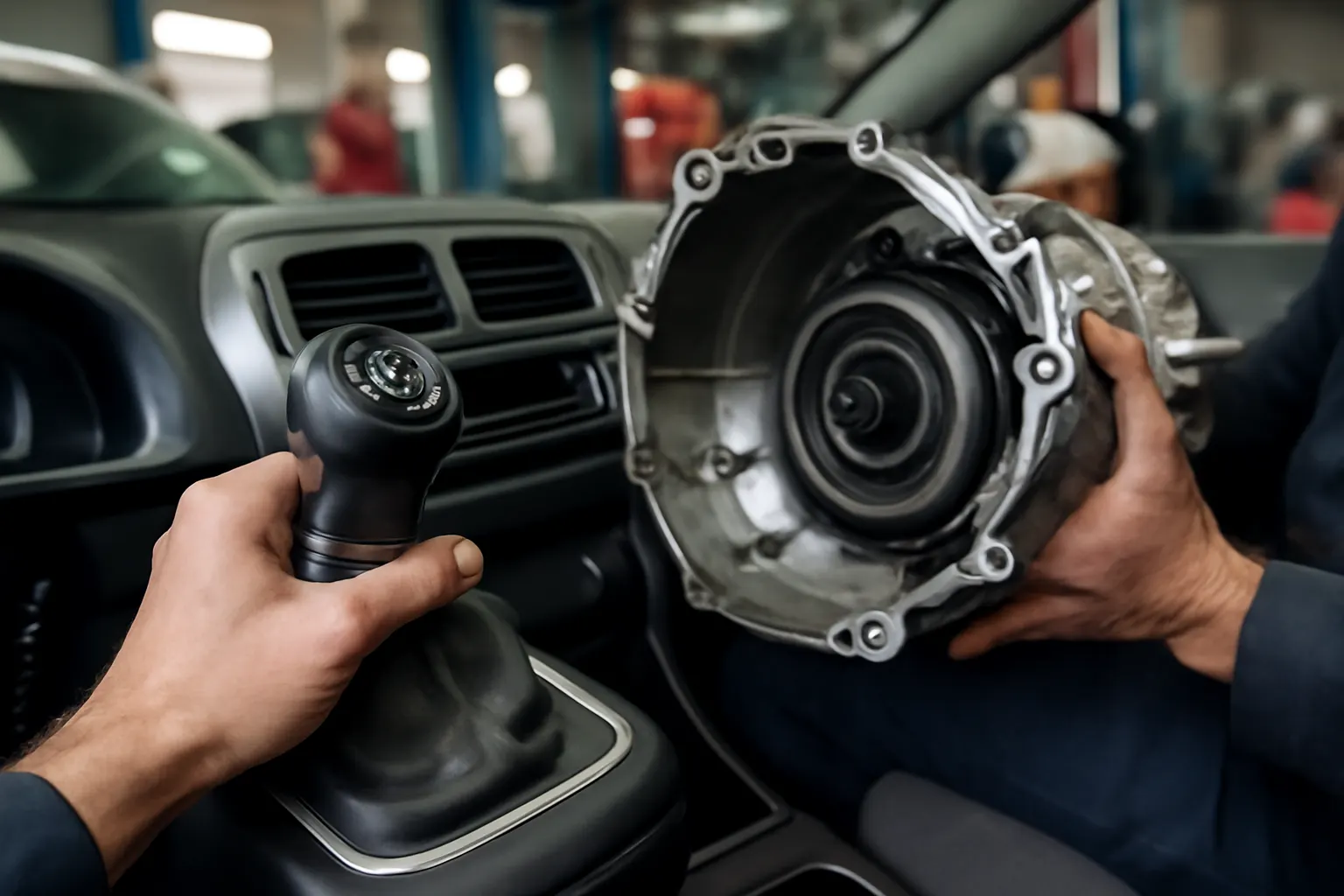
Top 5 Signs Your Transmission Needs Service
Is your vehicle showing signs of transmission trouble? Acting quickly on early warning symptoms is the best way to avoid a catastrophic—and expensive—transmission failure. In this comprehensive guide, the AutoPartEx Technical Editorial Team breaks down the top five signs your transmission needs service, explains the underlying causes in detail, and provides actionable steps to diagnose and resolve issues before they escalate. Whether you drive a manual or automatic, understanding these warning signs can save you thousands in repairs and keep your vehicle running safely and efficiently.
For a full selection of OEM and performance transmission parts, including transmission fluids, filters, and rebuild kits, AutoPartEx is your trusted resource.
Immediate Answer: The Top 5 Transmission Warning Signs
Transmission issues rarely appear out of nowhere. Most failures are preceded by clear symptoms—if you know what to look for. The five most common warning signs that your transmission needs service are:
- Delayed or Slipping Gear Engagement
- Unusual Noises (Grinding, Whining, Clunking)
- Fluid Leaks or Low Fluid Levels
- Burning Smell from Under the Hood
- Dashboard Warning Lights (Check Engine or Transmission Light)
If you notice any of these signs, prompt action is crucial. Early intervention can often mean the difference between a minor service and a full transmission replacement.
The Hidden Problem: Why Ignoring Transmission Symptoms is Risky
Many drivers dismiss early transmission symptoms as minor annoyances or assume they can wait until the next scheduled service. However, this approach is risky for several reasons:
- Safety: Transmission malfunctions can compromise your ability to accelerate, decelerate, or maintain control—especially dangerous in traffic or adverse conditions. The NHTSA highlights the importance of functional drivetrain components for vehicle safety.
- Cost: What starts as a minor fluid leak or intermittent slip can rapidly escalate into internal damage, requiring costly repairs or a complete overhaul.
- Efficiency: Transmission problems can reduce fuel economy and performance, as highlighted by the U.S. Department of Energy. Slipping or erratic gear changes force your engine to work harder and burn more fuel.
By understanding the full implications of these warning signs, you can prioritize transmission service before small problems become big ones.
Expanding the Problem: What Causes Transmission Issues?
Transmission problems can arise from a range of mechanical, hydraulic, and electronic failures. Some of the most common root causes include:
- Low or degraded transmission fluid: Fluid lubricates, cools, and provides hydraulic pressure. Old or insufficient fluid leads to overheating, friction, and wear.
- Worn or damaged clutch packs and bands (in automatics): These components enable smooth gear engagement. Wear leads to slipping and harsh shifts.
- Faulty solenoids or sensors: Modern transmissions rely on electronic components to control shifting. Failures can cause erratic operation.
- Worn synchronizers or gears (in manuals): These mechanical parts allow smooth gear changes. Wear results in grinding or popping out of gear.
- Leaks in seals, gaskets, or lines: Fluid loss starves the transmission of lubrication and pressure.
Materials technology and manufacturing standards, such as those outlined by the U.S. Department of Energy and SAE International, have improved transmission longevity, but no unit is immune to neglect or wear. Understanding the sources of trouble is the key to effective diagnosis and repair.
Sign 1: Delayed or Slipping Gear Engagement
One of the earliest and most obvious signs of transmission trouble is a delay when shifting from Park to Drive or Reverse, or the sensation that the transmission is "slipping" out of gear during acceleration.
What to Watch For
- Hesitation when shifting into gear: A pause of more than a second or two before the car moves.
- Engine revs increase without corresponding vehicle speed: The tachometer rises, but the car barely accelerates.
- Sudden gear changes or "slams" into gear: Especially noticeable in automatics.
Technical Explanation
Slipping or delayed engagement usually indicates insufficient hydraulic pressure, often due to low or contaminated transmission fluid. In automatic transmissions, worn clutch packs or faulty shift solenoids can also cause these symptoms. In manuals, worn synchronizers or clutch discs are common culprits.
Checklist: Diagnosing Gear Engagement Issues
- Check the transmission fluid level and condition (see Transmission Fluid Types & Best Practices).
- Listen for changes in engine sound or RPM when shifting.
- Note if the issue is worse when the vehicle is cold or hot.
- Scan for diagnostic trouble codes (DTCs) with an OBD-II scanner.
- Inspect for visible leaks under the vehicle.
Sign 2: Unusual Noises—Grinding, Whining, or Clunking
Transmissions are designed to operate quietly. Any new or unusual noise warrants immediate investigation.
Common Transmission Noises
- Grinding: Often heard during gear changes in manuals; indicates worn synchronizers or damaged gears.
- Whining or humming: Common in automatics with low or old fluid, or failing bearings.
- Clunking: Especially when shifting into gear, often from worn mounts, U-joints, or internal damage.
Technical Explanation
Noise is a product of metal-on-metal contact, worn bearings, or misaligned components. Transmission fluid not only lubricates but also dampens vibrations. When fluid breaks down, internal parts wear faster, generating noise.
Checklist: Pinpointing Transmission Noises
- Identify when the noise occurs (at idle, during acceleration, only in certain gears).
- Check fluid level and color.
- Inspect mounts and driveshaft connections.
- Listen for changes as the vehicle warms up.
- Rule out wheel bearings and differential noises.
Sign 3: Fluid Leaks or Low Fluid Levels
Transmission fluid is the lifeblood of your gearbox. Even small leaks can have big consequences.
Where Leaks Occur
- Pan gaskets and seals: Most common leak points.
- Cooler lines: Can develop cracks or loosen at fittings.
- Axle or input/output shaft seals: Prone to wear and leak as the vehicle ages.
Technical Explanation
Automatic transmission fluid (ATF) is typically bright red and has a distinct sweet odor. Manual transmission fluid may be clear, amber, or dark, depending on type. Leaks reduce fluid pressure, impair lubrication, and lead to overheating and internal damage.
Checklist: Detecting and Addressing Fluid Leaks
- Park on a clean surface and look for red or brown spots.
- Wipe the transmission pan and check for fresh fluid.
- Inspect fluid level with the dipstick (if equipped).
- Note any burnt or unusual odor.
- Address leaks immediately—do not "top off and ignore."
For more on fluid selection and maintenance, see our guide to transmission fluids.
Sign 4: Burning Smell from Under the Hood
A burning odor—especially one resembling hot, sweet, or acrid chemicals—can indicate overheating transmission fluid.
What a Burning Smell Means
- Overheated fluid: Causes loss of lubricity and can damage seals.
- Friction material breakdown: In automatics, worn clutch packs can emit a burnt odor.
- Electrical shorts: In rare cases, electrical failures inside the transmission can cause insulation to burn.
Technical Explanation
Transmission fluid is engineered to operate within a specific temperature range. Overheating can occur due to low fluid, towing heavy loads, or internal slippage. Once fluid breaks down, it can no longer protect internal components, accelerating wear.
Checklist: Investigating a Burning Odor
- Check fluid color (should be pink/red, not brown/black).
- Smell the dipstick after running the engine—burnt odor is a red flag.
- Inspect for smoke or steam near the transmission case.
- Rule out engine oil or coolant leaks as the source.
Sign 5: Dashboard Warning Lights—Check Engine or Transmission Light
Modern vehicles are equipped with sensors that monitor transmission operation. The most common warning is the "Check Engine" light, but some models have a dedicated transmission or "AT" light.
What to Do When a Light Appears
- Do not ignore it: Even if the vehicle seems to drive normally.
- Scan for codes: Use an OBD-II scanner to retrieve transmission-related trouble codes.
- Note symptoms: Document any changes in shifting, noise, or performance.
Technical Explanation
Sensors monitor fluid temperature, gear ratios, solenoid function, and more. A warning light indicates the onboard computer has detected an abnormality—sometimes before you notice symptoms.
Checklist: Responding to Transmission Warning Lights
- Scan for codes as soon as possible.
- Research the specific code(s) using reliable sources or a factory service manual.
- Address fluid, solenoid, or sensor issues promptly.
- Seek professional diagnosis for persistent or severe codes.
For in-depth diagnostic strategies, see How to Diagnose Transmission Problems.
Deeper Technical Explanation: Transmission Design, Materials, and Failure Modes
Understanding why transmissions fail requires a look at their internal design and the materials used. Advances in metallurgy, manufacturing, and electronic control have improved durability, but common failure points remain.
Materials and Manufacturing
- Gears and shafts: Typically made from high-strength alloy steels for wear resistance.
- Clutch packs and bands: Use friction materials engineered for heat and pressure.
- Seals and gaskets: Made from advanced polymers, but still wear with age and heat.
The U.S. Department of Energy’s Materials Technologies program drives research into lighter, stronger materials for improved efficiency and performance.
Failure Modes
- Hydraulic failures: Caused by fluid leaks, clogged filters, or failed pumps.
- Mechanical failures: Worn gears, bearings, or synchronizers.
- Electronic failures: Faulty sensors, solenoids, or control modules.
Routine service—especially fluid and filter changes—remains the most effective way to prevent major failures.
Solution Path: Step-by-Step Transmission Maintenance and Service
Addressing transmission issues early can prevent a minor inconvenience from becoming a major repair. Follow this action plan:
1. Confirm the Symptoms
- Use the checklists above to document noises, smells, leaks, and performance changes.
- Note when and how often symptoms occur.
2. Inspect and Top Off Fluids
- Check the transmission fluid level and condition using the dipstick or fill plug.
- Top off with the manufacturer-recommended fluid if low.
- If fluid is burnt, dark, or contaminated, plan for a full fluid and filter change.
3. Scan for Diagnostic Trouble Codes
- Use an OBD-II scanner to check for transmission-related codes.
- Research codes using factory service information or trusted online resources.
4. Perform a Visual Inspection
- Look for leaks, damaged mounts, or loose connections.
- Inspect wiring harnesses for damage or corrosion.
5. Schedule Professional Service if Needed
- If symptoms persist after basic maintenance, consult a qualified transmission technician.
- Request a full inspection, including pressure tests and road tests.
Maintenance Checklist for Transmission Health
| Task | Recommended Interval | Notes |
|---|---|---|
| Fluid level check | Every 3,000–5,000 miles | Check more often if towing or in hot climates |
| Fluid and filter change | 30,000–60,000 miles | Follow manufacturer recommendations |
| Visual leak inspection | With every oil change | Look for fresh fluid under the vehicle |
| Road test for noises | At least annually | Listen for new sounds or changes in shifting |
| Scan for DTCs | When warning light appears | Or before long trips |
For filter options and installation guidance, visit our transmission filters page.
Expert Action: When to Seek Professional Help
While many transmission issues can be diagnosed and addressed by a skilled DIYer, some situations demand professional expertise:
- Recurring or severe slipping, clunking, or warning lights
- Visible metallic debris in transmission fluid
- Complete loss of drive in any gear
- Internal noises that persist after fluid service
Professional shops have specialized tools, such as pressure gauges and advanced scan tools, to pinpoint internal failures. They also have access to factory service bulletins and recall information (see NHTSA Recalls).
If you’re unsure about the safety or reliability of your transmission, it’s always better to err on the side of caution.
Preventing Future Problems: Best Practices for Transmission Longevity
A well-maintained transmission can last the life of your vehicle. Here’s how to maximize its lifespan:
- Use the correct fluid: Refer to your owner’s manual and see our Transmission Fluid Types & Best Practices.
- Change fluid and filters regularly: Old fluid loses its protective qualities.
- Avoid aggressive driving: Hard shifts, towing beyond rated capacity, and overheating shorten transmission life.
- Warm up in cold weather: Allow fluid to circulate before driving hard.
- Address leaks and warning lights immediately: Small problems become big ones if ignored.
Choosing Quality Transmission Parts
When service or repair is required, always choose high-quality, OEM, or proven aftermarket parts. The right components ensure proper fit, function, and longevity. At AutoPartEx, we offer a curated selection of transmissions and related parts for most makes and models, backed by expert support and technical resources.
Whether you’re sourcing a replacement filter, fluid, or a complete rebuild kit, our catalog has you covered—and our experts are always available for guidance.
Related Resources and Further Reading
- How to Diagnose Transmission Problems
- Transmission Fluid Types & Best Practices
- Manual vs. Automatic: Which Transmission is Right for You?
For a complete range of transmission fluids, filters, and OEM-quality replacement parts, visit our Transmissions: OEM & Performance Transmission Parts | AutoPartEx category page.