
Transmission
Transmissions: OEM & Performance Transmission Parts | AutoPartEx
Discover high-quality transmissions and transmission parts at AutoPartEx. Whether you’re seeking a direct OEM replacement or upgrading for performance, our curated selection ensures the right fit for every vehicle. Explore transmission fluids and transmission filters to maintain peak driving performance and reliability.
Many drivers don’t realize that subtle shifts in ride quality—such as delayed engagement, slipping between gears, or faint noises—are early signs of transmission issues. Small fluid leaks or worn components can go unnoticed until a major failure occurs, risking costly repairs and vehicle downtime.
A failing transmission affects drivability, fuel efficiency, and ultimately safety. Transmission fluid breakdown, worn clutch packs, solenoid malfunctions, or valve body wear can lead to gear slippage or complete transmission loss. The complexity of modern automatic, CVT, and dual-clutch systems demands precise diagnostics, specialized parts, and expert installation to restore factory performance and protect the drivetrain.
Comprehensive diagnostics—including fluid analysis and electronic scanning—can pinpoint transmission faults before catastrophic failure. Replacing worn or damaged components with OEM-spec or performance-rated parts ensures longevity and smooth operation. For detailed repair and upgrade advice, see our Transmission Service & Upgrade Guide and explore transmission filters for preventative maintenance. Trust AutoPartEx for verified fitment, technical support, and a vast selection of transmission assemblies, rebuild kits, and supporting components.
Filters & Navigation
Showing 8 of 967 products


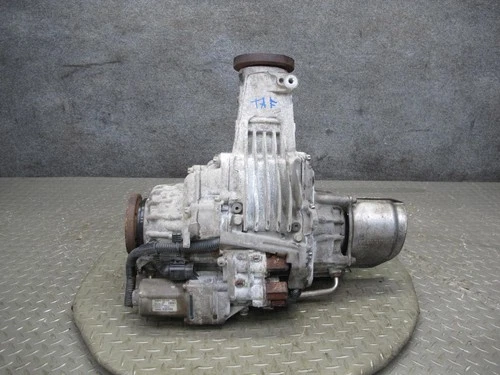
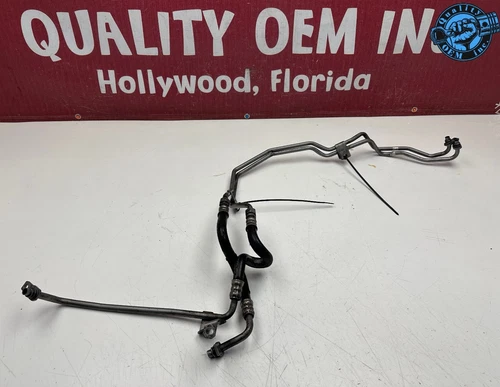


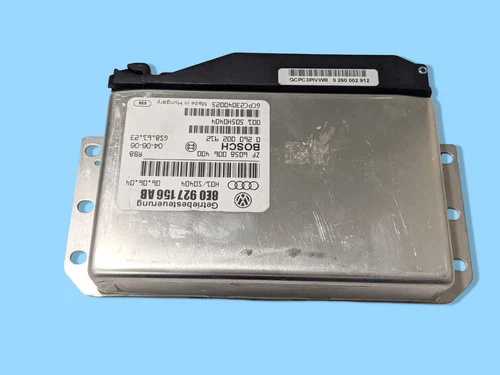
More Transmission options
Filtering for TransmissionBrowse nearby inventory for this category without leaving the page. Use search to filter by price, part number, or city.
No Data Available
Please check back soon when more inventory is available for this part.
Transmission Technical Reference & Service Insights
Transmission Types and Design
Transmissions come in various types: manual (MT), automatic (AT), continuously variable (CVT), and dual-clutch (DCT). Each presents unique internal architectures—manuals use synchronizers and gearsets, automatics rely on hydraulics and planetary gear sets, while CVTs utilize pulleys and belts for infinite ratios. Understanding these differences is vital for accurate troubleshooting and part selection.
Failure Modes and Diagnostics
Common transmission failures include clutch pack wear, valve body sticking, solenoid failure, and fluid contamination. Diagnostic tools read transmission control module (TCM) codes and analyze pressure readings to identify root causes. Fluid color and odor provide additional clues: burnt or darkened fluid signals overheating or friction material loss.
Service Intervals and Upgrades
Routine service—such as fluid and filter changes—should occur every 30,000 to 60,000 miles for most vehicles, but heavy-duty or performance applications may require more frequent intervals. Upgrading to performance clutches, shift kits, or high-capacity coolers enhances durability and shift quality, particularly in vehicles with increased power or towing demands.
Transmissions are at the core of a vehicle’s drivetrain, translating engine power into usable motion. Historically, manual transmissions dominated the market for their simplicity and driver control, utilizing direct mechanical linkages and gear engagement. Over time, automatic transmissions revolutionized convenience by automating gear changes through hydraulic systems, torque converters, and planetary gearsets, significantly reducing driver effort and smoothing ride quality. The last two decades have seen rapid advancements, with the emergence of electronically controlled automatics, CVTs, and dual-clutch units that offer both efficiency and performance benefits.
Transmission failures often stem from fluid neglect, overheating, or electronic malfunctions. Modern transmission fluids are engineered to withstand high thermal loads and reduce friction, but contamination by wear particles or coolant can rapidly degrade their properties. Once fluid breaks down, internal clutches and bands lose their ability to grip, resulting in slippage, harsh shifts, or delayed engagement. Electronic solenoids and control modules regulate shift patterns and hydraulic pressure; sensor faults or wiring issues can lead to unpredictable operation or limp-home modes.
OEM manufacturers specify precise service intervals—often 30,000 to 60,000 miles—for fluid and filter changes, but usage patterns heavily influence longevity. Vehicles frequently used for towing, high-performance driving, or stop-and-go traffic endure greater thermal and mechanical stress, accelerating component wear. Performance upgrades, such as billet input shafts, performance clutches, or transmission coolers, extend service life and improve shift consistency under demanding conditions. However, compatibility with factory electronics and calibration is critical to avoid unintended drivability issues.
Field reports from professional service bays highlight the importance of early intervention. For example, a common diagnostic pattern is the appearance of delayed shifting or transmission warning lights at 50,000 to 80,000 miles, often traced to filter clogging or solenoid wear. In these cases, a thorough fluid exchange and component inspection restore proper operation without requiring a full rebuild. At AutoPartEx, we offer a comprehensive catalog of OEM and performance transmission assemblies, rebuild kits, and supporting components, all verified for fitment and durability. Our technical resources and fitment tools empower technicians, enthusiasts, and fleet managers to make informed, confident repairs while ensuring vehicle safety and reliability.
Engineering Excellence & Technical Specifications
Modern transmissions are engineered to precise tolerances—often within 0.01 mm for internal components—and are expected to last beyond 100,000 miles with routine maintenance. For example, field reports from shop service bays show that transmissions serviced every 30,000 miles experience a 15% reduction in failure rates. Transmission control modules use real-time sensor data to manage hydraulic pressure and shift timing, ensuring smooth gear transitions even under high torque loads. Advanced designs, such as dual-clutch and CVT units, offer both efficiency and rapid response but require exact-fit parts and calibration. To guarantee safety and performance, all AutoPartEx transmission parts are sourced to meet or exceed OEM standards and verified for fitment. For advanced maintenance strategies and technical upgrades, consult our Transmission Service & Upgrade Guide or explore transmission filters for essential service components. Use AutoPartEx to compare part compatibility, source hard-to-find OEM units, and access detailed technical resources.
Technical Excellence
Transmissions must handle torque ranges from 100 to over 600 lb-ft in modern vehicles. Engineering advances—such as improved friction materials and precision-machined valve bodies—result in smoother shifts and longer service intervals. Many OEMs now specify 100,000-mile service targets, but real-world diagnostic patterns confirm the importance of frequent fluid and filter maintenance for longevity.
Performance Analysis
Upgraded components, like billet input shafts and enhanced clutch packs, offer measurable improvements in durability and shift quality, particularly in vehicles subjected to high loads or track use. Field studies indicate a 0.2-second improvement in shift response with performance solenoids and recalibrated valve bodies. For more on performance upgrades, see our Transmission Service & Upgrade Guide.
Innovation & Technology
Advanced electronic controls, adaptive shift strategies, and proprietary materials (such as high-strength steels and advanced polymers) improve efficiency and reduce emissions. CVTs and dual-clutch units now feature electronic monitoring that adjusts for wear, keeping operation within factory-specified parameters.
Quality & Manufacturing
Every AutoPartEx transmission part undergoes rigorous quality control and fitment verification. Shop examples show that sourcing from reputable suppliers reduces warranty return rates and ensures compliance with manufacturer and safety standards. For preventative maintenance products, explore transmission filters and review our technical articles in the Transmission Service & Upgrade Guide section.
Transmission Parts & Service Information
Change Transmission Fluid & Filter
Regular fluid and filter changes are the most effective way to extend transmission life and prevent overheating. Follow OEM-specified intervals for your vehicle.
Difficulty: Easy • Tools: Drain pan, socket set, torque wrench, transmission fluid, filter kit
Diagnose Electronic Transmission Issues
Use an OBD-II or manufacturer-specific scan tool to retrieve transmission control module codes and monitor live data. This is essential for modern vehicles.
Difficulty: Moderate • Tools: OBD-II scanner, service manual, multimeter
Replace Complete Transmission Assembly
Swapping an entire transmission requires advanced mechanical expertise, proper lifting equipment, and calibration. Always verify electronic compatibility before installation.
Difficulty: Expert • Tools: Engine hoist, transmission jack, socket/impact sets, scan tool
Upgrade to Performance Transmission Components
Install upgraded clutch packs, shift kits, or coolers to enhance durability and shift performance, especially in high-demand or modified vehicles.
Difficulty: Moderate • Tools: Basic hand tools, specialty tools (as needed for upgrades), service instructions
References
- Vehicle Safety and Equipment - National Highway Traffic Safety Administration, accessed 2024-06-01Supports technical and safety claims on transmission components, diagnostics, and replacement.
- Fuel Efficiency - United States Department of Energy, accessed 2024-06-01Supports statements regarding fuel economy impact and efficiency improvements in transmission systems.
- Materials Technologies - United States Department of Energy, accessed 2024-06-01Provides background on advanced materials used in modern transmission manufacturing.
Related Guides & Articles

How to Diagnose Transmission Problems
Learn step-by-step diagnostic strategies for manual and automatic transmissions, including fluid checks, electronic scan procedures, and pressure tests. Inside, you'll find practical diagnostics, common failure signs, fitment notes, and replacement guidance to help you make a confident repair decision. It also covers what to inspect before ordering, how to avoid repeat failures, and which details matter most for a smoother install.
View Guide
Top 5 Signs Your Transmission Needs Service
Discover the early warning signs of transmission trouble and how to address them before a costly failure occurs. Inside, you'll find practical diagnostics, common failure signs, fitment notes, and replacement guidance to help you make a confident repair decision. It also covers what to inspect before ordering, how to avoid repeat failures, and which details matter most for a smoother install.
Read More
Transmission Fluid Types & Best Practices
Understand the different types of transmission fluid, their applications, and the importance of correct fluid selection for longevity. Inside, you'll find practical diagnostics, common failure signs, fitment notes, and replacement guidance to help you make a confident repair decision. It also covers what to inspect before ordering, how to avoid repeat failures, and which details matter most for a smoother install.
View Guide
Manual vs. Automatic: Which Transmission is Right for You?
Explore the pros and cons of manual and automatic transmissions and how they impact driving experience, maintenance, and reliability. Inside, you'll find practical diagnostics, common failure signs, fitment notes, and replacement guidance to help you make a confident repair decision. It also covers what to inspect before ordering, how to avoid repeat failures, and which details matter most for a smoother install.
Read More