Advertisement
Transfer Case Maintenance for Longevity
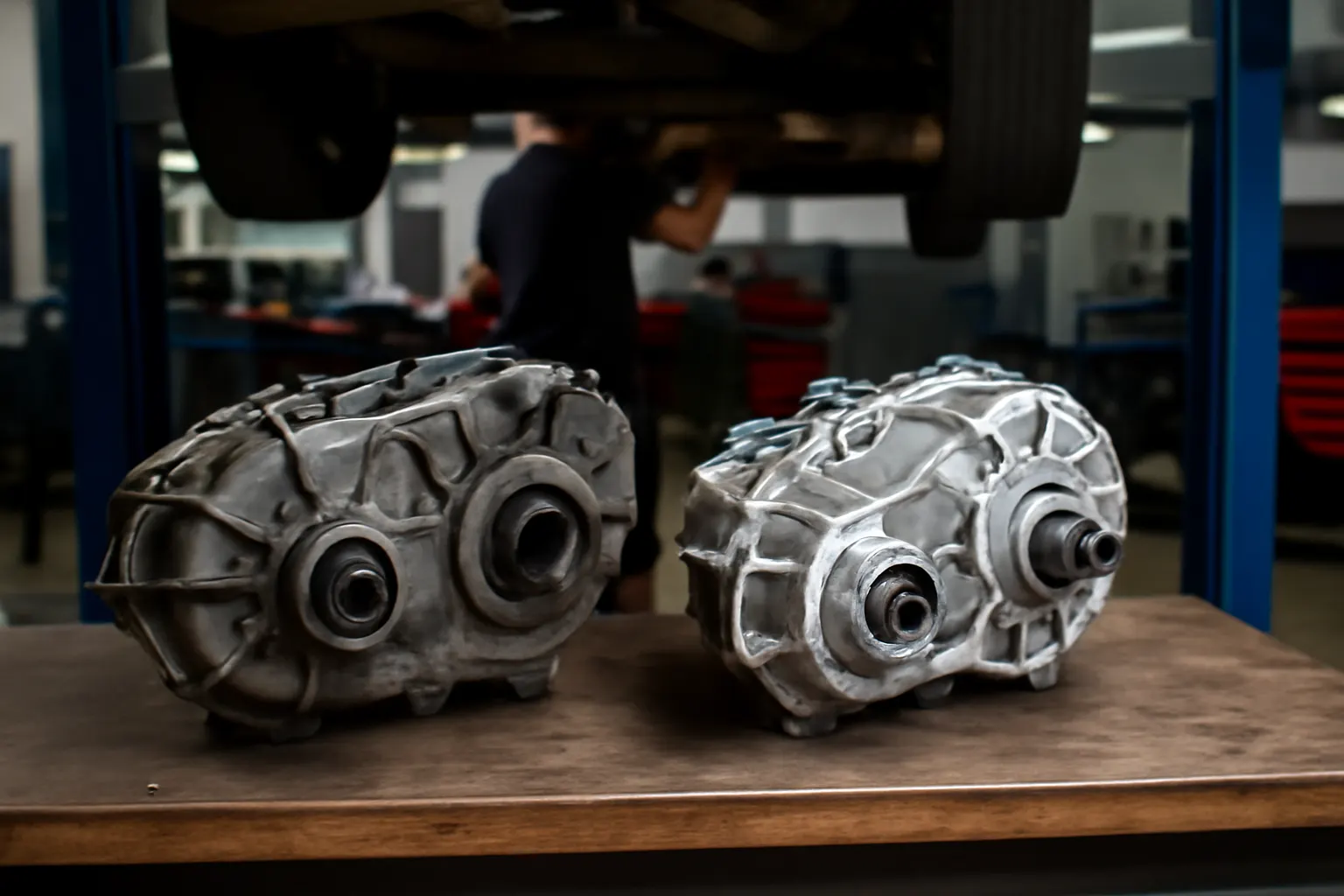
Keeping your transfer case in top condition is crucial for the long-term performance, safety, and efficiency of any 4WD or AWD vehicle. The transfer case is the heart of your drivetrain, responsible for distributing power to the front and rear axles. With the right maintenance—timely fluid changes, thorough inspection routines, and preventative care—you can dramatically extend its service life and avoid costly breakdowns. This expert guide from AutoPartEx delivers actionable steps and technical insights to help you protect your investment and keep your vehicle running smoothly for years to come.
For a deeper dive into transfer case components and technical details, explore our Transfer Case Parts & Technical Guide | AutoPartEx.
Why Transfer Case Maintenance Matters—Immediate Answers
A well-maintained transfer case ensures reliable torque distribution, optimal traction, and robust drivetrain health. Neglecting maintenance can lead to symptoms like gear slippage, noisy operation, or even catastrophic failure, leaving you stranded and facing expensive repairs. Regular servicing—most critically, fluid changes and inspections—minimizes wear, prevents overheating, and helps maintain your vehicle’s fuel efficiency and safety, as emphasized by standards from the National Highway Traffic Safety Administration (NHTSA) and the U.S. Department of Energy [1] [2].
The Hidden Problem: Transfer Case Wear Is Often Invisible
Many drivers mistakenly believe that transfer cases are “maintenance-free” or that issues will be obvious before serious damage occurs. In reality, the signs of internal wear—such as fluid contamination, bearing degradation, or chain stretch—are often silent until advanced. The transfer case operates out of sight, and by the time noises or leaks appear, internal damage may already be severe. Proactive maintenance is essential to detect and address problems early, protecting both safety and your wallet.
Understanding the Stakes: How Transfer Case Failure Impacts Your Vehicle
A failing transfer case can have cascading effects throughout your drivetrain. Loss of torque distribution compromises traction, especially in adverse conditions, and can increase wear on related driveline parts like differentials and driveshafts. Poorly lubricated or contaminated fluid accelerates gear and bearing wear, risking sudden lock-up or loss of control—both significant safety hazards as highlighted by NHTSA guidelines [1]. Furthermore, an inefficient transfer case can drag down fuel economy, as noted by the U.S. Department of Energy [2].
Key Components and Their Maintenance Needs
To maintain your transfer case for longevity, it’s important to understand its main components and what each requires:
- Input and Output Shafts: Transfer engine torque to the driveline; rely on proper lubrication.
- Chain Drive or Gear Set: Transfers motion between shafts; vulnerable to stretch or wear.
- Seals and Gaskets: Prevent fluid leaks; degrade over time.
- Shift Mechanism: Engages 2WD/4WD modes; can stick or fail if not lubricated.
- Range Forks and Synchronizers: Enable smooth gear changes; sensitive to wear or contamination.
Each of these components depends on clean, adequate fluid and regular inspection. Neglecting even one can lead to operational failure.
Fluid Changes: The Lifeblood of Transfer Case Longevity
Why Fluid Quality and Intervals Matter
Transfer case fluid lubricates moving parts, dissipates heat, and suspends contaminants. Over time, fluid degrades—losing viscosity, collecting metal shavings, and accumulating moisture. This process accelerates in vehicles used for towing, off-roading, or heavy-duty applications.
Advertisement
Recommended Fluid Change Intervals:
- General Use: Every 30,000 to 60,000 miles (consult your owner’s manual for specifics).
- Severe Duty (towing, off-road): Every 15,000 to 30,000 miles.
Signs You Need a Fluid Change:
- Dark, burnt-smelling, or gritty fluid.
- Visible metal particles.
- Sluggish or noisy shifting.
How to Change Transfer Case Fluid: Step-by-Step
- Gather Supplies: OEM-specified fluid, drain pan, socket set, torque wrench, new crush washers/seals.
- Raise and Secure Vehicle: Use jack stands for safety.
- Locate Drain and Fill Plugs: Usually on the rear or side of the transfer case.
- Drain Old Fluid: Remove the drain plug, allow fluid to fully empty.
- Inspect Fluid: Check for metal debris or unusual coloration.
- Replace Drain Plug/Washer: Torque to manufacturer spec.
- Refill with New Fluid: Fill until fluid reaches the bottom of the fill hole.
- Reinstall Fill Plug: Torque to spec and check for leaks.
Pro Tip: Always use the fluid type and viscosity specified in your vehicle’s manual—incorrect fluid can lead to rapid wear or malfunction.
Inspection Routines: What to Check and When
Routine Inspection Checklist
| Inspection Point | Frequency | What to Look For |
|---|---|---|
| Fluid Level/Quality | Every oil change | Correct level, no discoloration or metallic sheen |
| Housing & Seals | Every oil change | No leaks, cracks, or seepage |
| Mounts & Fasteners | 2x/year | Tight, no corrosion or movement |
| Shift Linkage | 2x/year | Smooth operation, no binding |
| Unusual Noises | Ongoing | Clicking, grinding, or whining |
| 4WD/AWD Engagement | Monthly | Proper engagement/disengagement |
| Driveline Vibration | Ongoing | Excessive vibration or shudder |
Tip: Pair transfer case checks with regular driveline parts inspections to catch related issues early.
Preventative Care: Extending the Life of Your Transfer Case
Preventative care goes beyond fluid changes and inspections. Consider these advanced strategies:
- Avoid Unnecessary 4WD Use: Only engage 4WD/AWD when conditions require it to reduce wear.
- Warm Up in Cold Weather: Allow drivetrain fluids to circulate before heavy use.
- Limit High-Torque Situations: Minimize wheel hop or rapid acceleration on loose surfaces.
- Monitor for Recalls: Stay updated on manufacturer recalls via NHTSA to address latent defects [3].
Recognizing Early Warning Signs
Spotting trouble early is key to avoiding catastrophic failure. Watch for:
- Unusual noises: Whining, grinding, or clunking from under the vehicle.
- Difficulty shifting: Hard engagement or refusal to switch between 2WD/4WD.
- Fluid leaks: Puddles or wetness beneath the transfer case.
- Vibration: New or worsening driveline vibration, especially under load.
If you observe any of these symptoms, consult our guide on How to Diagnose a Failing Transfer Case for a detailed troubleshooting roadmap.
The Role of Materials and Modern Engineering
Transfer cases are built using advanced materials and precision engineering to balance weight, strength, and performance. According to the Department of Energy, innovations in lightweight alloys and synthetic fluids have improved efficiency and durability [4]. However, even modern units require diligent maintenance—synthetic fluids can extend intervals but are not “lifetime” fills under severe conditions. Always verify compatibility before switching to non-OEM fluids.
Advertisement
When to Replace Versus Repair
Despite preventative care, transfer cases can eventually reach the end of their service life. Consider replacement or major repair if:
- Severe internal damage: Broken gears, stretched chains, or failed bearings.
- Persistent leaks: Repeated seal or housing failures.
- Obsolete parts: Difficulty sourcing replacement components.
For guidance on whether to tackle replacement yourself or seek professional help, see our editorial: Transfer Case Replacement: DIY or Professional?.
Sourcing the Right Parts and Fluids
Using the correct parts and fluids is essential for transfer case longevity. Always:
- Check compatibility: Match parts and fluids to your exact year, make, and model.
- Prefer OEM or premium aftermarket: These meet or exceed SAE and NHTSA standards [5].
- Verify fluid specs: Use only fluids with the correct viscosity, friction modifiers, and additive packages.
AutoPartEx offers a comprehensive catalog of transfer case components and fluids, ensuring you get parts that fit and last. Explore our Transfer Case Parts & Technical Guide | AutoPartEx for more information.
Advanced Troubleshooting: Common Issues and Their Fixes
Typical Transfer Case Problems
- Chain Stretch: Causes slippage or “jumping” in 4WD; requires chain replacement.
- Worn Bearings: Results in whining or grinding noises; replace bearings and inspect shafts.
- Shift Motor Failure: Electric or vacuum actuators can fail; test and replace as needed.
- Cracked Housing: Often due to impact or overloading; may require full case replacement.
Diagnostic Steps
- Test engagement: Cycle between 2WD and 4WD modes, listening for abnormal sounds.
- Inspect fluid: Look for metal, discoloration, or water contamination.
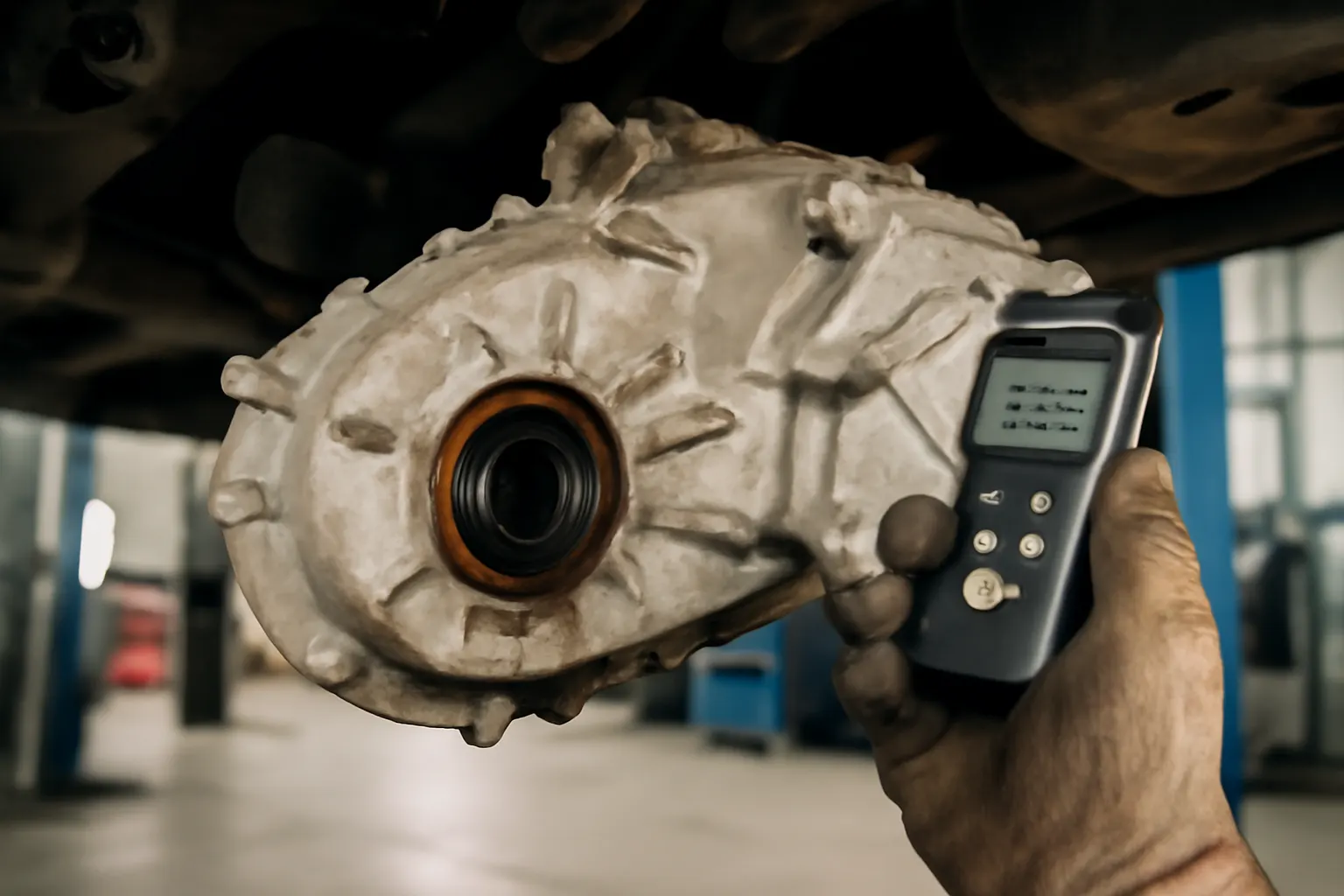
- Check for codes: Some modern vehicles store transfer case fault codes retrievable by scan tool.
- Physical inspection: Check for leaks, cracks, or excessive play in shafts.
If you’re unsure about a finding, our editorial How to Diagnose a Failing Transfer Case provides a step-by-step process.
Maintenance Checklist: Transfer Case Longevity Essentials
Here’s an expert checklist to ensure you’re covering all critical bases:
Transfer Case Maintenance Checklist
- Inspect fluid level and quality every oil change.
- Change fluid at manufacturer-recommended intervals.
- Examine housing, seals, and gaskets for leaks or cracks.
- Tighten all mounting bolts and fasteners.
- Test 4WD/AWD engagement monthly.
- Listen for abnormal noises during operation.
- Check for driveline vibration or shudder.
- Inspect shift linkage and actuator function.
- Monitor for recall notifications and service bulletins.
- Use only OEM or approved equivalent parts and fluids.
- Pair transfer case service with driveline parts inspections.
Print this list and keep it in your garage or glovebox for quick reference.
Integrating Transfer Case Care Into Your Maintenance Routine
The transfer case should be part of your holistic vehicle maintenance plan—not an afterthought. Pair transfer case service with other drivetrain checks, such as differential, driveshaft, and axle inspections. This integrated approach increases your vehicle’s reliability, extends the lifespan of connected components, and improves overall safety and efficiency.
The AutoPartEx Advantage: Your Partner in Drivetrain Longevity
At AutoPartEx, we know that transfer case maintenance is both a science and an art. Our technical resources, curated parts catalog, and expert editorial content empower you to make informed decisions—whether you’re a DIYer or professional technician. We stock only high-quality, safety-tested parts and fluids, and our guides are grounded in industry standards and government recommendations. For everything from basic fluid changes to advanced diagnostics and replacement, trust AutoPartEx to keep your vehicle moving forward.
To learn more about the latest in 4WD and AWD technology, check out Modern AWD and 4WD: The Role of the Transfer Case.
References
- Vehicle Safety and Equipment – National Highway Traffic Safety Administration
- Fuel Efficiency – United States Department of Energy
- Vehicle, Car Seat, Tire, and Equipment Recalls – National Highway Traffic Safety Administration
- Materials Technologies – United States Department of Energy
- SAE Standards – SAE International
Advertisement