Advertisement
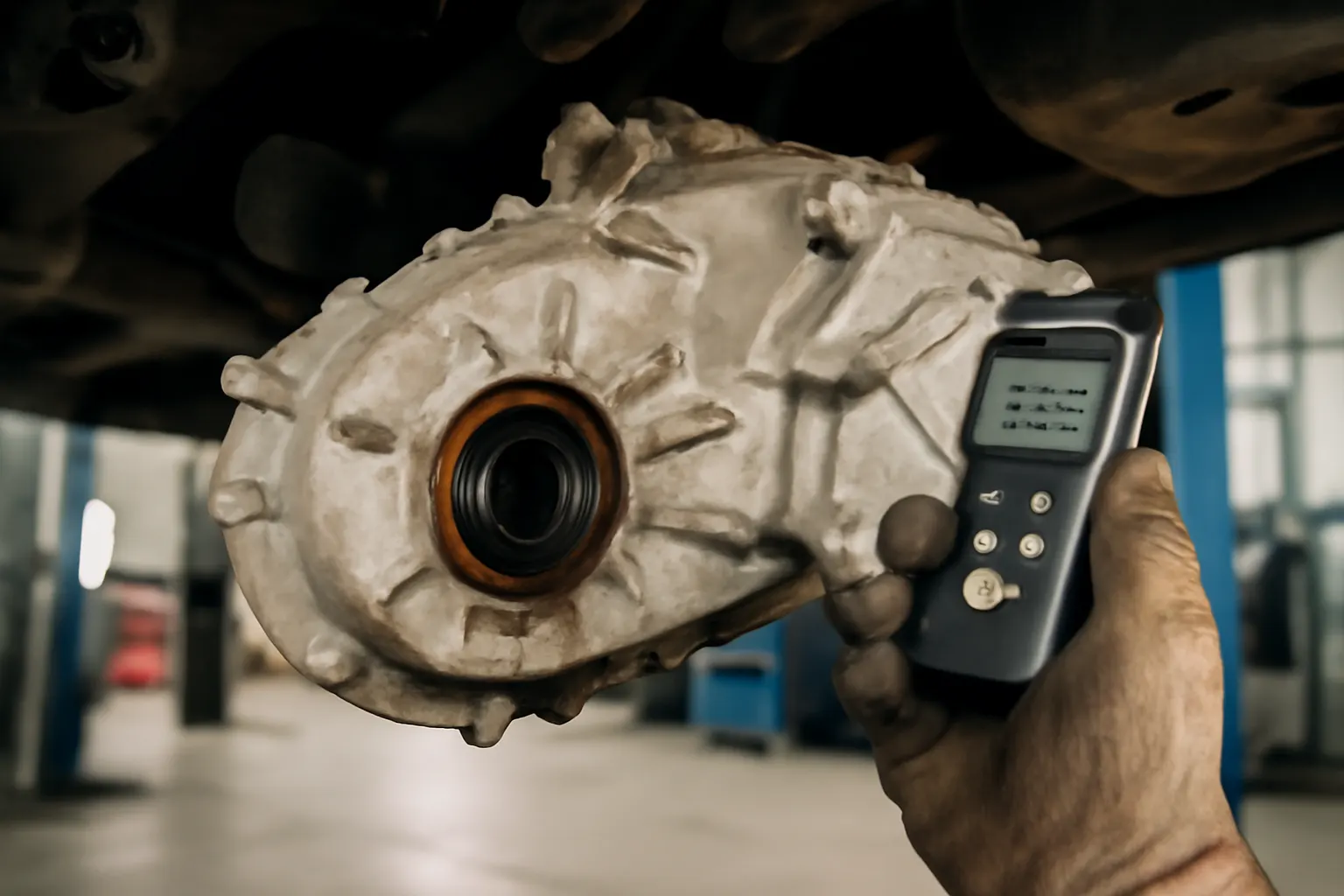
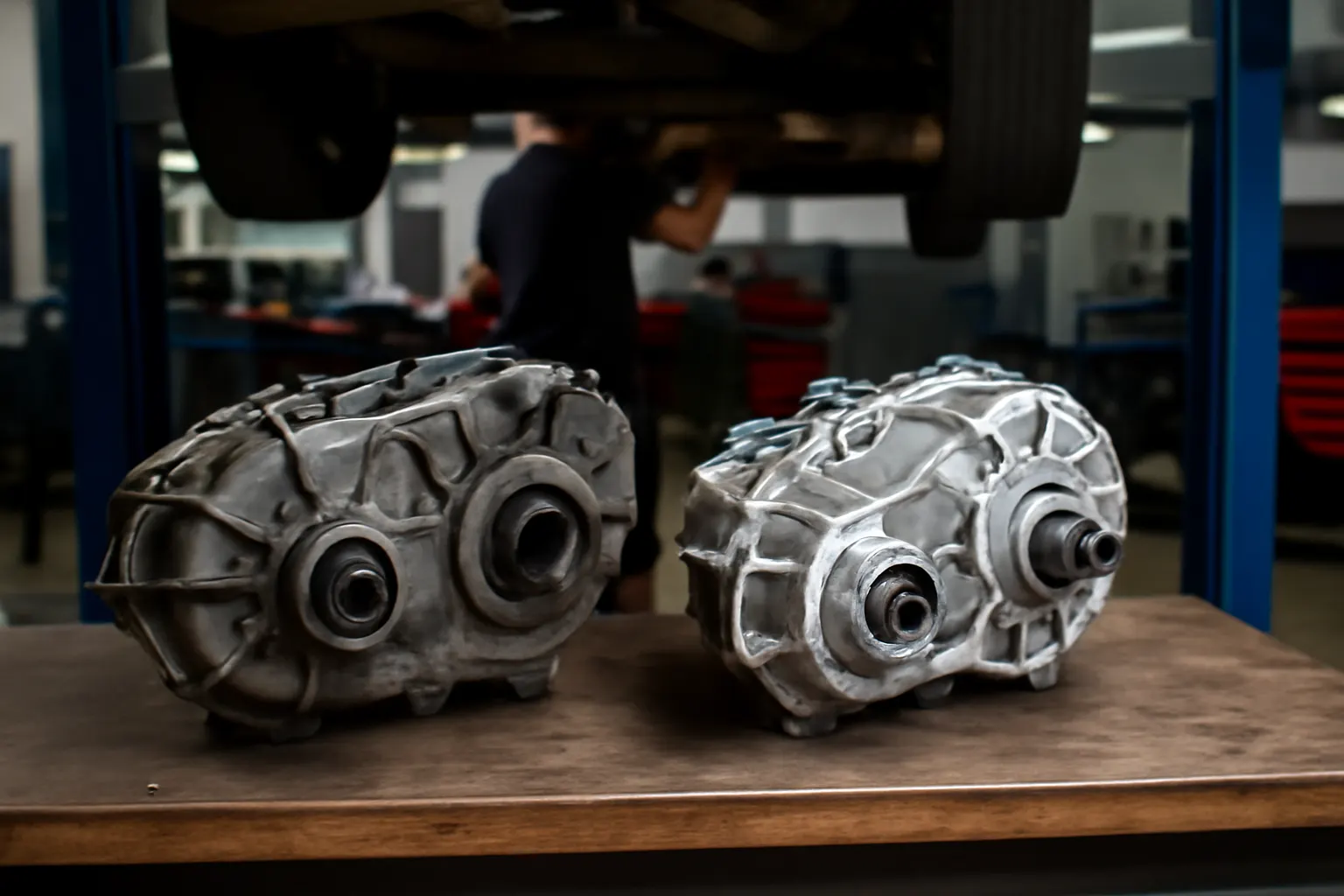
When your transfer case starts to fail or you’re planning a drivetrain upgrade, the decision between OEM (Original Equipment Manufacturer) and aftermarket transfer cases is a crucial one. The right choice affects everything from vehicle safety to fuel efficiency, off-road capability, and long-term reliability. This guide delivers a technical comparison, helping you decide which transfer case option best suits your needs—whether you drive a workhorse truck, a daily SUV, or a custom off-road build. For a broader look at drivetrain components and advice, see our Transfer Case Parts & Technical Guidance | AutoPartEx hub.
The Immediate Answer: OEM vs. Aftermarket—Which Should You Choose?
- OEM transfer cases are built to your vehicle’s original specifications, ensuring seamless fitment, predictable performance, and compliance with manufacturer and government safety standards.
- Aftermarket transfer cases offer a spectrum of options—ranging from direct replacements to heavy-duty upgrades—often at a lower cost or with enhanced features, but with more variability in quality, compatibility, and long-term durability.
Choose OEM if: You prioritize exact fit, original performance, and regulatory compliance. Choose aftermarket if: You need cost savings, improved performance, or specialized features—but be prepared to research brands and compatibility thoroughly.
The Hidden Problem: Transfer Case Replacement Isn’t Always Straightforward
Most drivers expect a simple “swap and go” when replacing a transfer case. However, the reality is more complex. Transfer cases are precision components that interact with your vehicle’s electronic controls, sensors, and drivetrain geometry. Even minor deviations in gear ratios, case dimensions, or electronic interface can cause:
- Driveline vibrations
- Fault codes and warning lights
- Reduced fuel efficiency
- Premature wear on other drivetrain parts
- Safety system malfunctions
Choosing the wrong type—OEM or aftermarket—can lead to repeat repairs, extra costs, and even safety hazards. The hidden challenge is ensuring that the replacement transfer case doesn’t just “fit,” but functions as a fully integrated part of your vehicle’s drivetrain system.
Understanding OEM Transfer Cases: What You’re Really Getting
OEM transfer cases are designed, built, and tested by your vehicle’s manufacturer or their authorized suppliers. Here’s what sets them apart:
Engineering and Quality Control
- Precise Fitment: Each OEM transfer case matches the original mounting points, input/output shaft splines, and sensor locations.
- Material Standards: OEMs use materials (such as aluminum alloys, case-hardened gears, and seals) that meet strict durability and performance criteria, validated by years of R&D (DOE Materials Technologies).
- Testing: OEM units undergo extensive bench and vehicle testing to ensure safety, NVH (noise, vibration, harshness) compliance, and long-term reliability.
Compliance and Safety
- Regulatory Standards: OEM transfer cases comply with national safety regulations (see NHTSA Equipment), including those governing all-wheel drive (AWD) and four-wheel drive (4WD) engagement, electronic controls, and fail-safes.
- Recalls and Updates: OEMs maintain recall and service bulletin systems, ensuring known defects are addressed (NHTSA Recalls).
Cost and Availability
- Higher Price Point: OEM units generally cost more due to their precise engineering and brand assurance.
- Dealer Sourcing: Typically available through authorized dealerships or select online retailers.
Aftermarket Transfer Cases: The Pros, Cons, and Variations
Aftermarket transfer cases range from direct OEM-style replacements to performance-oriented units. Here’s what you need to know:
Types of Aftermarket Transfer Cases
- OEM-Equivalent Replacements:
- Built to mimic OEM specs, often by third-party manufacturers.
- May use different materials or tolerances.
- Performance Upgrades:
- Enhanced for off-road, towing, or racing (e.g., heavy-duty gears, reinforced housings, different gear ratios).
- Remanufactured Units:
- Used OEM cores rebuilt with new internals; quality varies by rebuilder.
Advantages
- Cost Savings: Aftermarket units can be significantly cheaper than OEM, especially for older vehicles.
- Customization: Performance units allow for gear ratio changes, stronger materials, or specialty features (like twin-stick shifting).
- Availability: Broader selection, including discontinued OEM models.
Advertisement
Potential Drawbacks
- Variable Quality: Not all aftermarket brands adhere to strict OEM tolerances or material standards.
- Fitment Issues: Minor differences in shaft lengths, sensor ports, or mounting bosses can cause installation headaches.
- Warranty and Support: Warranty terms vary widely; some brands offer minimal support.
Technical Comparison: OEM vs. Aftermarket Transfer Cases
Let’s break down the core differences in a technical, side-by-side format:
| Feature/Factor | OEM Transfer Case | Aftermarket Transfer Case |
|---|---|---|
| Fitment | Guaranteed exact fit for specific make/model/year | May require modifications or adapters |
| Materials | Manufacturer-specified alloys and treatments | Quality varies; some use upgraded materials |
| Testing/Certification | Meets OE and regulatory standards | Varies; few are SAE or NHTSA certified |
| Performance | Matches original specs | Can be upgraded for strength or gear ratio |
| Cost | Higher | Lower to moderate |
| Warranty | Typically 1-3 years, dealer-backed | Varies (90 days to lifetime, brand-dependent) |
| Recall Support | Yes, via manufacturer/NHTSA | Rare; depends on brand |
| Availability | Dealerships, OE suppliers | Online, parts stores, specialty shops |
How Transfer Case Choice Affects Safety and Efficiency
Your transfer case is more than a simple gear box—it’s a safety-critical component. Here’s why:
Safety Systems Integration
Modern vehicles use transfer case data for:
- Traction and stability control
- ABS modulation
- Power distribution during emergency maneuvers
OEM units are fully validated for these systems. Some aftermarket cases, especially performance upgrades, may lack complete electronic integration, which can trigger warning lights or disable safety features (NHTSA Equipment).
Fuel Efficiency and Drivetrain Losses
Transfer case design and internal friction directly affect fuel economy. Poorly matched or lower-quality units may cause:
- Increased parasitic losses (reducing MPG)
- Unintended engagement/disengagement of AWD/4WD systems
The DOE Fuel Efficiency program highlights the importance of drivetrain optimization for overall vehicle efficiency.
Diagnosing Transfer Case Needs: When Is Replacement Necessary?
Before you commit to OEM or aftermarket, confirm that a full replacement is required. Common symptoms include:
- Persistent grinding, whining, or clunking noises (see Transfer Case Troubleshooting: Noises, Leaks & Failures)
- Fluid leaks at case seams or output shafts
- Failure to engage/disengage 4WD/AWD modes
- Illuminated warning lights (4WD/AWD, traction control, check engine)
- Driveline binding or “crow hop” during turns
Pro Tip: Sometimes, a fluid change or minor repair (such as replacing a shift motor or seal) can resolve issues. See our How to Replace Transfer Case Fluid: Step-by-Step guide before replacing the entire unit.
Fitment and Compatibility: Avoiding Common Pitfalls
Fitment is the number one issue with aftermarket transfer case swaps. Here’s how to avoid it:
Fitment Checklist
- Year/Make/Model: Always match by VIN or detailed application guide.
- Transmission Compatibility: Input shaft spline count, length, and diameter must match.
- Output Shafts: Check yoke or flange style and dimensions.
- Electronic Controls: Ensure matching sensors, wiring harnesses, and control module compatibility.
- Mounting Points: Verify crossmember and skid plate fitment.
- Gear Ratios: Mismatched ratios can cause driveline windup or speedometer errors.
Tip: Use the manufacturer’s interchange guide and double-check part numbers. When in doubt, consult a drivetrain specialist or your trusted parts supplier.
Installation Considerations: OEM vs. Aftermarket
OEM Transfer Case Installation
- Plug-and-Play: Typically bolts in with minimal adjustments.
- Calibration: May require resetting transfer case control module (TCCM) or reprogramming via dealer scan tool.
- Fluid Requirements: Use OE-specified transfer case fluid for warranty and performance.
Aftermarket Transfer Case Installation
- Test Fit: Dry-fit the case before final installation.
- Adapters/Modifications: Some aftermarket units require shims, custom driveshafts, or wiring adapters.
- Calibration: Some performance units need custom programming or aftermarket controllers.
- Documentation: Read all supplied instructions—warranty may be voided by improper installation.
Maintenance and Longevity: What to Expect
OEM Units
- Service Intervals: Follow factory maintenance schedule; typically fluid change every 30,000-60,000 miles.
- Parts Availability: Seals, bearings, and actuators are widely available.
- Expected Life: OEM cases often last 100,000+ miles with proper care.
Advertisement
Aftermarket Units
- Service Recommendations: Follow the manufacturer’s guidelines—may require more frequent checks with performance units.
- Parts Support: Some brands offer full rebuild kits; others may be harder to source.
- Lifespan: Varies widely; high-end brands can rival OEM, but budget units may have shorter service lives.
Performance Upgrades: When Aftermarket Makes Sense
If you tow heavy loads, run oversized tires, or regularly off-road, an aftermarket transfer case may be a smart upgrade. Here’s what to look for:
- Stronger Gears and Shafts: Hardened or oversized internals for higher torque.
- Upgraded Bearings and Seals: Better sealing against mud, water, and debris.
- Custom Gear Ratios: Lower ratios for crawling, higher for highway use.
- Manual Shifting or Twin-Stick Kits: For precise control in off-road scenarios.
Note: These upgrades often require additional modifications—consult with a drivetrain specialist before purchasing.
Cost Analysis: Budgeting for OEM vs. Aftermarket
OEM Transfer Case Costs
- New OEM: $1,500–$3,500+ (varies by make/model)
- Remanufactured OEM: $900–$2,500
- Labor: $500–$1,000 (shop rates, complexity-dependent)
Aftermarket Transfer Case Costs
- Direct Replacement: $700–$2,000
- Performance/Heavy-Duty: $1,200–$4,000+
- Remanufactured/Used: $400–$1,500
- Labor: Similar to OEM, but may increase with required modifications
Tip: Factor in potential “hidden” costs—adapters, driveshaft changes, or electronic programming when comparing prices.
Sourcing the Right Transfer Case: Step-by-Step
- Diagnose the Failure: Confirm root cause—don’t replace the transfer case for a minor sensor or actuator issue.
- Gather Vehicle Information: VIN, transmission type, drivetrain layout, and axle ratios.
- Decide OEM vs. Aftermarket: Weigh your needs—stock performance or enhanced capability?
- Research Brands: Check reviews, technical specs, and warranty terms for aftermarket units.
- Verify Fitment: Use detailed application charts, and if possible, consult with the supplier.
- Order Required Accessories: Gaskets, seals, fluids, and any adapters.
- Plan Installation: Schedule with a qualified shop or prepare your workspace and tools.
- Post-Installation Check: Test all 4WD/AWD functions, look for leaks, and scan for trouble codes.
Common Pitfalls and How to Avoid Them
- Assuming All Aftermarket Units Are “Drop-In”: Always check for required modifications.
- Ignoring Gear Ratios: Mismatched ratios affect speedometer accuracy and driveline function.
- Overlooking Electronic Integration: Modern vehicles require transfer cases that “talk” to the computer.
- Skipping Fluid Flushes: Old fluid can contaminate a new case—always flush the system.
- Neglecting Break-In: Some aftermarket units require a break-in period; follow instructions for best longevity.
The AutoPartEx Difference: Expert Guidance and Trusted Parts
At AutoPartEx, we understand that your transfer case is the heart of your 4WD or AWD system. Our technical team provides:
- Expert Fitment Support: We help decode VINs, match part numbers, and advise on compatible upgrades.
- Curated Inventory: We stock both OEM and vetted aftermarket transfer cases—no “mystery-meat” brands.
- Comprehensive Guides: From Transfer Case Troubleshooting: Noises, Leaks & Failures to Transfer Case Replacement Guide for Modern Trucks & SUVs, our resources walk you through diagnosis, replacement, and maintenance.
- Safety-First Philosophy: We only recommend products and methods that meet or exceed industry standards for safety and reliability.
For the widest selection of quality transfer cases and technical guidance, start with our Transfer Case Parts & Technical Guidance | AutoPartEx page.
Conclusion: Making the Right Choice for Your Vehicle
Choosing between an OEM and aftermarket transfer case is more than a matter of price—it’s a technical decision that impacts your vehicle’s safety, performance, and long-term cost of ownership. OEM units provide peace of mind with guaranteed fitment and regulatory compliance, ideal for daily drivers and those who prioritize reliability. Aftermarket options open up possibilities for customization and cost savings, but demand careful research and fitment verification.
Key Takeaways:
- Always diagnose the root cause before replacing the transfer case.
- Match replacement units precisely to your vehicle’s specs.
- Consider your use case—stock performance or upgraded capability?
- Factor in long-term maintenance, parts availability, and warranty support.
- When in doubt, consult with the experts at AutoPartEx for personalized advice.
References
Advertisement