Advertisement
Modern AWD and 4WD: The Role of the Transfer Case
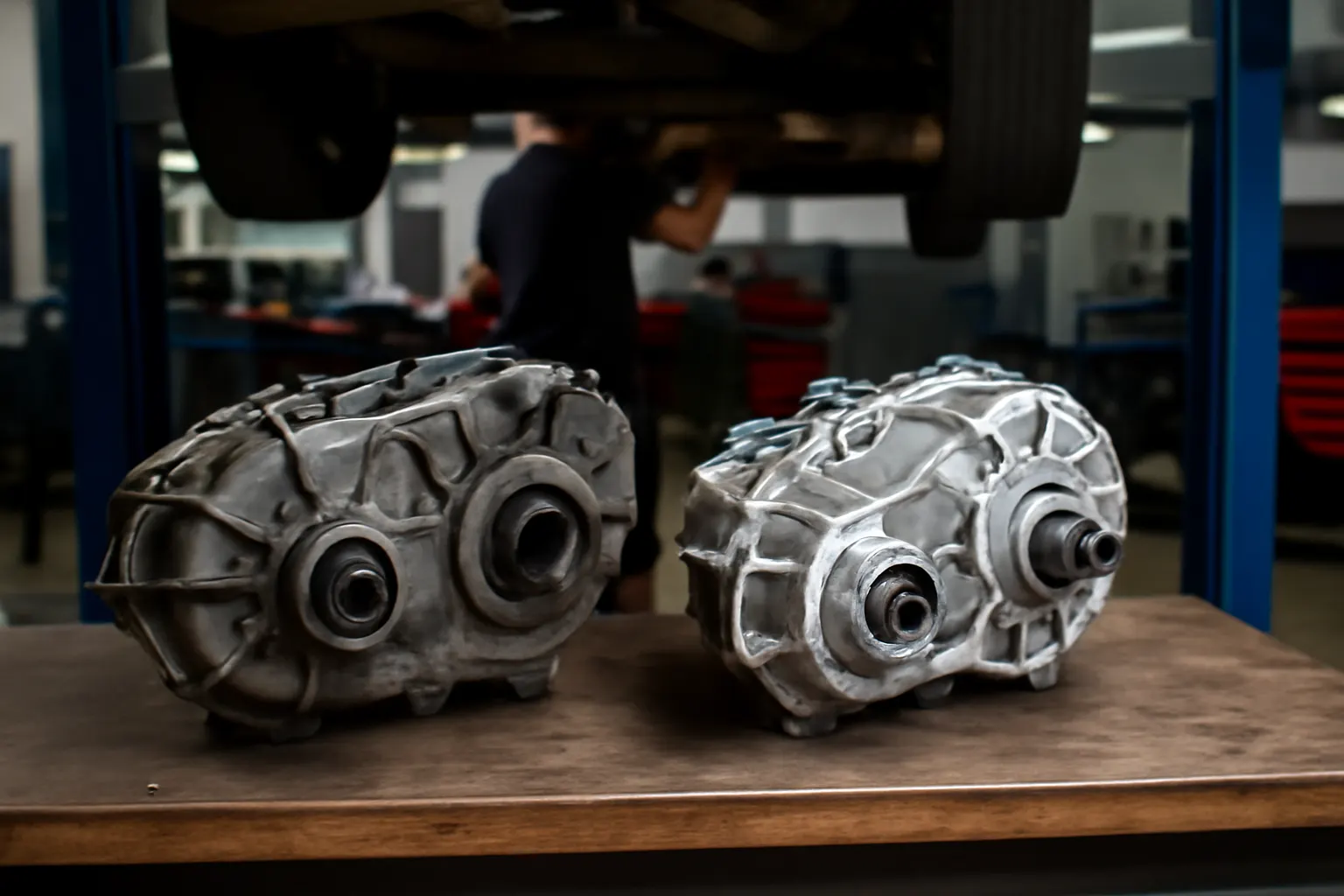
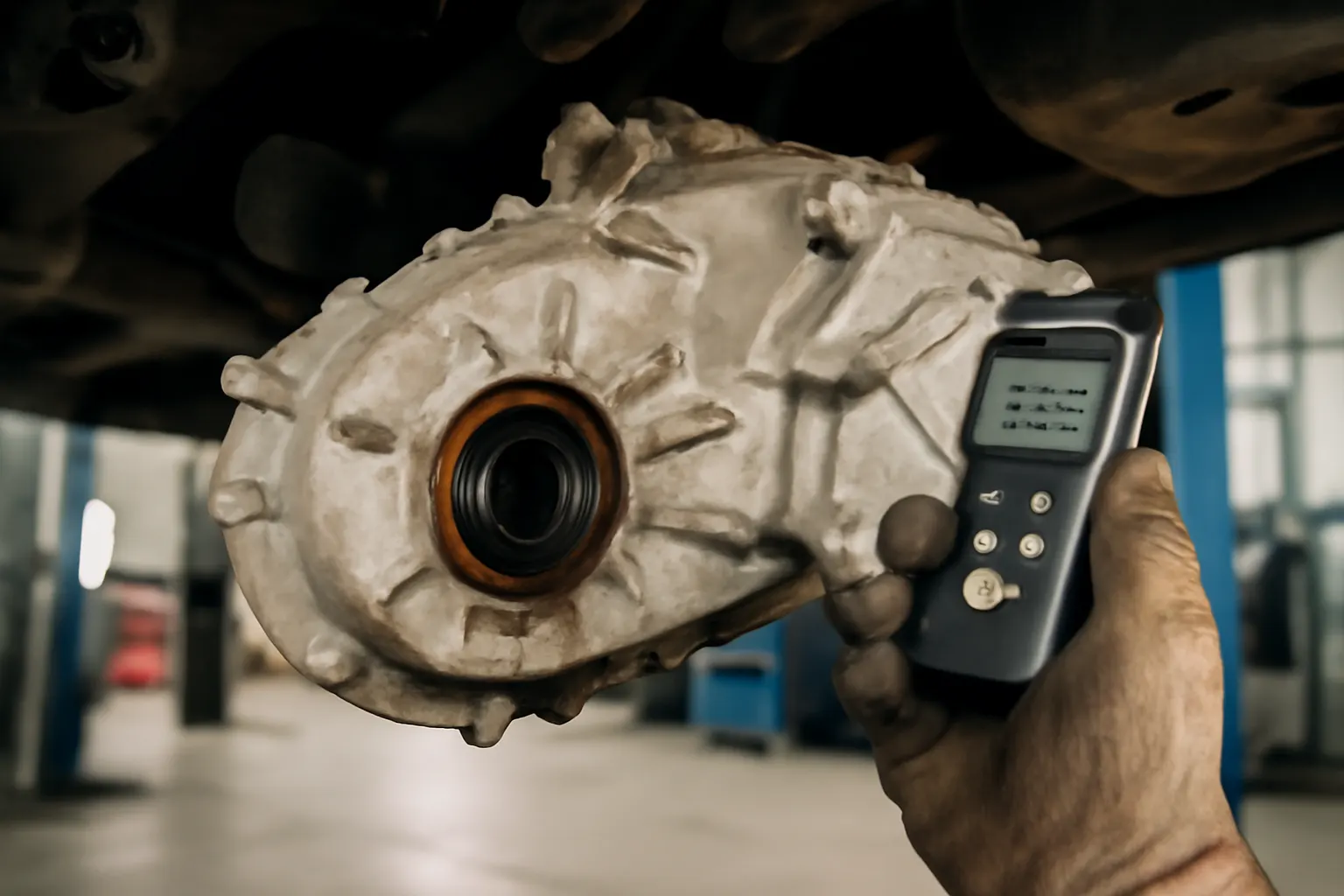
Modern all-wheel drive (AWD) and four-wheel drive (4WD) vehicles rely on sophisticated transfer case technology to deliver traction, safety, and efficiency. The transfer case is the heart of any multi-driven-axle system, seamlessly distributing torque between front and rear axles, adapting to changing road conditions, and enabling advanced features like automatic torque vectoring. Understanding the transfer case’s evolution and function is essential for anyone seeking reliability, performance, and safety from their AWD or 4WD vehicle. This guide explores the critical role of the transfer case in today’s traction systems, how technology has advanced, and what owners and technicians need to know for optimal performance.
For a comprehensive overview of transfer case types, parts, and technical guidance, visit our Transfer Case Parts & Technical Guide | AutoPartEx.
The Immediate Answer: Why the Modern Transfer Case Matters
The transfer case in modern AWD and 4WD vehicles is responsible for:
- Distributing engine torque between front and rear axles.
- Enabling advanced traction control and safety features.
- Supporting fuel efficiency by engaging or disengaging drive systems as needed.
- Allowing for seamless transitions between 2WD, AWD, and 4WD modes.
- Integrating with electronic stability control and other vehicle safety systems.
Unlike early transfer cases that were mechanical and manually operated, today’s units are electronically controlled, lighter, and smarter. They are essential not only for off-road capability but also for on-road safety, performance, and fuel economy.
The Hidden Problem: Complexity and Wear in Modern Drivetrains
While modern transfer cases unlock new levels of performance and safety, their complexity introduces new challenges:
- Increased number of electronic sensors and actuators means more potential failure points.
- Integration with vehicle safety systems makes diagnostics more involved.
- Lightweight materials and compact designs improve efficiency but may reduce service life under harsh conditions.
- Specialized fluids and maintenance intervals are crucial—neglect can lead to expensive failures.
- Replacement and repair costs are higher due to advanced technology and integration.
Many drivers are unaware of the transfer case’s maintenance requirements or how its failure can impact drivability, safety, and even fuel economy. Even seasoned technicians must stay updated on diagnostic and repair procedures as transfer case designs evolve.
Evolution of the Transfer Case: From Manual to Intelligent Systems
A Brief History
Traditional transfer cases were robust, heavy, and purely mechanical. Drivers engaged 4WD manually via levers, and systems were designed for durability over convenience. Early units provided basic high and low gear ranges for off-road or heavy-load scenarios.
The Shift to Electronic Control
In the 1990s and 2000s, automakers began integrating electronic controls, allowing for:
- Push-button operation of AWD/4WD modes.
- On-the-fly shifting without stopping the vehicle.
- Automatic engagement based on wheel slip or road conditions.
Modern transfer cases now work in tandem with ABS, traction control, and stability systems, using sensors to monitor wheel speed, yaw, and torque demand, then adjusting torque split in real time.
Materials and Weight Reduction
According to the United States Department of Energy’s Materials Technologies, automakers now use advanced alloys, lightweight composites, and precision-cast components in transfer cases. This reduces unsprung weight and supports improved fuel efficiency without sacrificing strength.
How Modern Transfer Cases Support Advanced Traction Technologies
Real-time Torque Distribution
Modern AWD and 4WD systems use electronically controlled clutches, multi-plate couplings, or variable gearsets to direct torque instantly where it’s needed. This enables:
- Active torque vectoring for sharper handling.
- Automatic adaptation to snow, rain, gravel, or dry pavement.
- Improved stability in emergency maneuvers.
Integration with Vehicle Safety Systems
Per the National Highway Traffic Safety Administration (NHTSA), modern transfer cases are deeply integrated with vehicle safety systems. They communicate with onboard computers to:
Advertisement
- Assist in traction control and anti-lock braking.
- Work with stability control to prevent skids and rollovers.
- Enable features like hill descent control and off-road drive modes.
Fuel Efficiency and Emissions
The U.S. Department of Energy highlights that modern transfer cases can disengage unused drive axles during steady-state cruising, reducing parasitic drag and improving fuel economy. Some systems default to 2WD and only engage AWD/4WD when sensors detect slip or demand.
Key Components of Modern Transfer Cases
Understanding the internal workings of modern transfer cases helps in diagnosing, maintaining, and sourcing replacement parts. Key components include:
- Input shaft: Receives torque from the transmission.
- Chain or gear drive: Transfers torque to output shafts.
- Planetary gearsets: Allow for multiple gear ratios (high/low range).
- Electronic clutch packs: Engage or disengage drive to front/rear axles.
- Sensors and actuators: Monitor and control torque split, mode selection, and feedback to the vehicle’s ECU.
- Seals and gaskets: Prevent fluid leaks and contamination.
Advanced transfer cases may also include:
- Torque vectoring differentials
- Integrated transfer case control modules
- Thermal management systems for high-load or towing scenarios
Common Failure Points and Diagnostic Steps
Modern transfer cases, while robust, are subject to wear and failure, especially if maintenance is neglected or if the system is overloaded. Common failure points include:
- Electronic actuator failure: Symptoms include inability to shift between drive modes or warning lights.
- Worn clutch packs: Manifest as slipping, shuddering, or delayed engagement.
- Fluid leaks: Can cause overheating, gear wear, and eventual failure.
- Sensor or wiring faults: Lead to erratic operation or system shutdowns.
Diagnostic Checklist
Use this checklist to quickly assess transfer case health:
| Symptom | Possible Cause | Diagnostic Action |
|---|---|---|
| Grinding or whining noise | Low fluid, worn gears/bearings | Inspect fluid, check for metal shavings |
| Warning light or error code | Sensor/actuator failure | Scan for DTCs, test actuators |
| Stuck in 4WD/AWD or 2WD | Faulty shift motor or linkage | Inspect actuator, test switch |
| Fluid leak under vehicle | Seal/gasket failure | Inspect seals, check fluid level |
| Vibration at speed | Damaged chain, output shaft wear | Inspect driveshafts, check chain slack |
For a step-by-step guide, see our How to Diagnose a Failing Transfer Case.
Maintenance Requirements: What Owners and Technicians Must Know
Transfer case longevity depends on proper maintenance. Modern units often require specialized fluids and have specific service intervals.
Essential Maintenance Tips
- Check fluid level and condition every 30,000–60,000 miles or as recommended by the manufacturer.
- Use only the specified transfer case fluid—incorrect fluids can cause clutch slippage or damage.
- Inspect seals and gaskets for leaks at every oil change.
- Test electronic actuators periodically, especially in vehicles with frequent mode changes.
- Listen for unusual noises during acceleration, deceleration, and turning.
Neglecting maintenance can lead to costly repairs, reduced efficiency, and potential safety hazards. For more on extending transfer case service life, see Transfer Case Maintenance for Longevity.
Transfer Case Replacement: When, Why, and How
Despite advances in durability, transfer cases sometimes require replacement due to wear, damage, or electronic failure. Replacement is a complex process involving:
- Removal of driveline components (driveshafts, crossmembers)
- Disconnecting electronic connectors and linkages
- Proper alignment and torqueing of mounting bolts
- Programming or re-initializing electronic controls in some vehicles
Replacement Checklist
- Confirm diagnosis with scan tools and physical inspection.
- Source a quality replacement transfer case—OEM or high-quality aftermarket.
- Replace all related seals and gaskets.
- Flush and refill with the correct fluid.
- Test all drive modes and check for leaks after installation.
For a detailed comparison of DIY vs. professional replacement, read Transfer Case Replacement: DIY or Professional?.
Buying and Sourcing Modern Transfer Cases and Parts
When sourcing a replacement transfer case or components, consider:
Advertisement
- Compatibility: Ensure the unit matches your vehicle’s make, model, and drivetrain configuration.
- Quality: Opt for units tested to SAE and OEM standards.
- Warranty: Choose reputable suppliers offering robust warranties and technical support.
- Support for electronic controls: Some modern units require programming or specific calibration—ensure your supplier provides the necessary instructions or modules.
- Material and design updates: Look for units with improved materials or upgraded clutch packs for better durability and performance.
AutoPartEx offers a curated selection of driveline parts, including modern transfer cases and replacement components, all sourced from trusted OEMs and aftermarket leaders.
The Impact of Modern Transfer Cases on Vehicle Safety and Efficiency
The transfer case’s role extends beyond traction—it’s now a critical safety and efficiency component. Modern systems:
- Enhance stability and control on all surfaces, reducing accident risk.
- Improve fuel economy by disengaging non-essential components.
- Support advanced driver-assist features like adaptive cruise control and lane keeping in AWD/4WD vehicles.
- Reduce emissions by optimizing drivetrain engagement.
The NHTSA recognizes the transfer case as essential safety equipment, and the U.S. Department of Energy notes its contribution to fuel efficiency and emissions goals.
Troubleshooting: Common Questions and Solutions
Q: My AWD warning light is on—what should I do? A: Scan the vehicle for diagnostic trouble codes (DTCs). Common causes include actuator failure or sensor issues. Address codes promptly to prevent drivetrain damage.
Q: Can I use universal gear oil in my transfer case? A: No. Always use the manufacturer-specified fluid. Modern transfer cases often require special friction modifiers or synthetic blends.
Q: How do I know if my transfer case is failing? A: Symptoms include unusual noises, warning lights, difficulty shifting between drive modes, or fluid leaks. Use our diagnostic checklist above or consult a professional.
Q: Is it safe to continue driving with a faulty transfer case? A: No. A failing transfer case can affect traction, safety, and may lead to total drivetrain failure. Address issues immediately.
When to Upgrade or Retrofit: Modernization Options
Owners of older AWD/4WD vehicles may consider upgrading to a modern transfer case for better performance and efficiency. Retrofit options may include:
- Electronic shift-on-the-fly systems
- Upgraded clutch packs for smoother engagement
- Lightweight aluminum housings
- Integration kits for compatibility with modern ECUs
Consult with a drivetrain specialist to determine compatibility and benefits for your specific vehicle.
Professional Installation vs. DIY: What to Consider
Modern transfer cases are complex and often require specialized tools and electronic calibration. Professional installation is recommended if:
- Your vehicle integrates the transfer case with stability control or ABS.
- Programming or re-initialization is required.
- You lack access to lift equipment or advanced scan tools.
DIY replacement is feasible for experienced technicians with the right tools and documentation, but always follow safety protocols and double-check fluid specifications.
AutoPartEx: Your Partner in Modern Drivetrain Solutions
At AutoPartEx, we understand the critical role the transfer case plays in modern vehicles. Our technical team sources only the highest quality OEM and aftermarket transfer cases, components, and fluids. We provide:
- Expert technical support and fitment guidance.
- Access to the latest parts for AWD and 4WD systems.
- Comprehensive Transfer Case Parts & Technical Guide | AutoPartEx to help you make informed decisions.
- Fast shipping and robust warranties on all drivetrain components.
Whether you’re a professional technician, enthusiast, or daily driver, AutoPartEx is your resource for reliable, up-to-date drivetrain solutions.
Conclusion: The Future of Transfer Case Technology
Transfer cases have evolved from simple mechanical boxes to intelligent, integrated systems essential for modern vehicle safety, performance, and efficiency. As AWD and 4WD technologies advance, transfer cases will continue to play a central role—requiring owners and technicians to stay informed on maintenance, diagnostics, and replacement best practices. By understanding the function, challenges, and care requirements of modern transfer cases, you can ensure your vehicle delivers the traction, control, and reliability you expect—on any road, in any condition.
References
Advertisement