
Advertisement
Frame rail failures in Toyota vehicles are a critical issue that can compromise structural integrity, vehicle safety, and long-term performance. This comprehensive guide explores real-world examples of Toyota frame rail failures, the diagnostic patterns that reveal hidden problems, and the most effective strategies to avoid common installation pitfalls. Whether you’re a professional collision tech, a restoration enthusiast, or a Toyota owner facing rust or impact damage, understanding the nuances of frame rail failure is essential for safe, reliable repairs and optimal vehicle longevity.
For a deeper dive into Toyota frame rail fitment, OEM sourcing, and detailed part diagrams, visit our Toyota Frame Upper & Lower Rails: OEM Fitment, Failure Patterns, and Sourcing resource hub.
Immediate Answer: Recognizing and Responding to Toyota Frame Rail Failures
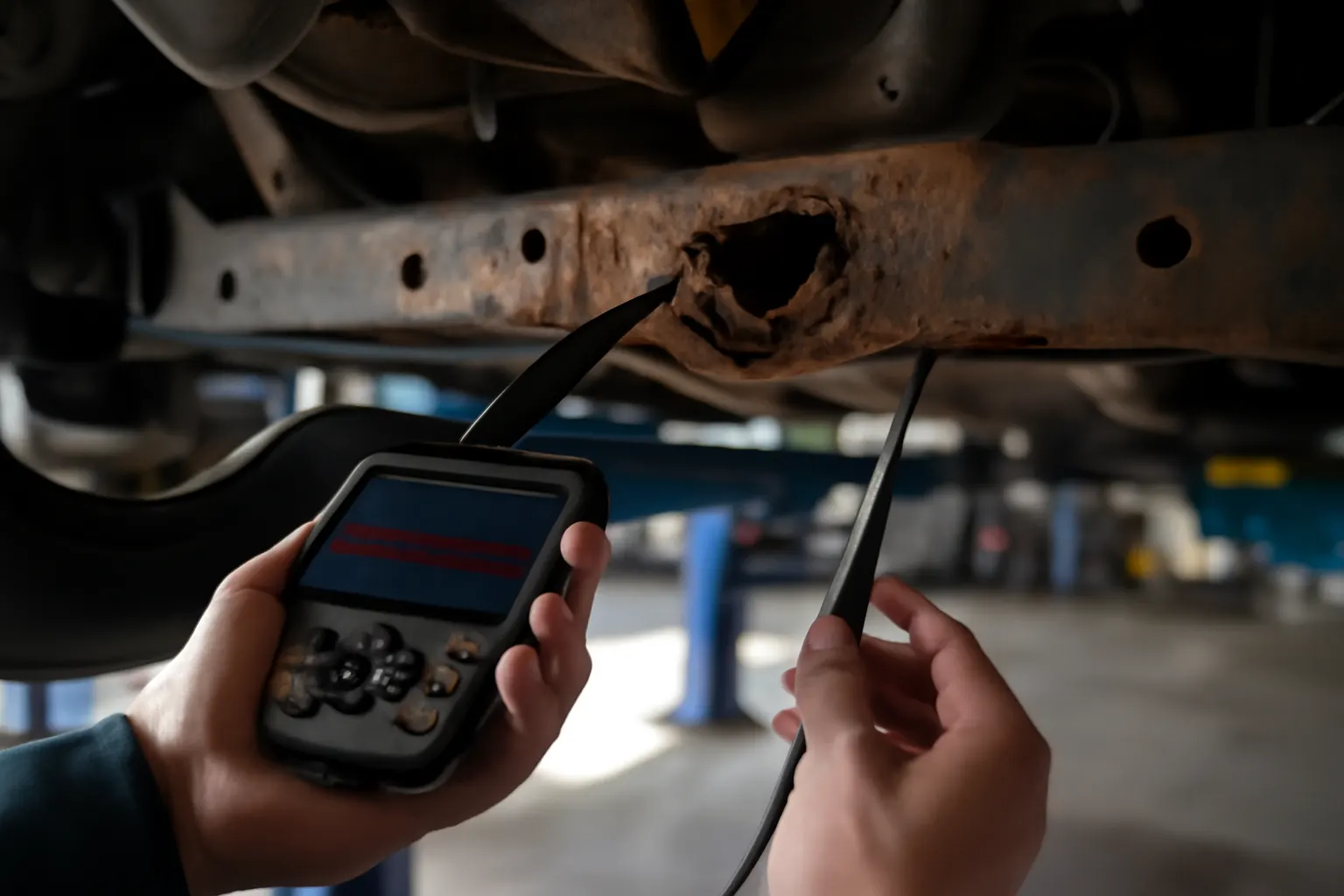
When a Toyota’s frame rail fails—whether from rust, collision, or manufacturing flaws—the vehicle’s crash protection, alignment, and drivability are at risk. Immediate symptoms include visible rust-through on the rails, misaligned body panels, abnormal tire wear, and difficulty maintaining proper alignment. Left unaddressed, frame rail issues can result in failed safety inspections, compromised crashworthiness, and even catastrophic structural collapse.
Key Takeaway: If you spot significant corrosion, cracks, or deformation on your Toyota’s frame rails, act immediately. Diagnosis and corrective action are critical to ensuring the vehicle’s safety and performance.
Hidden Problem: Why Frame Rail Failures Are Often Missed
While some frame rail issues are obvious—such as visible rust holes or post-collision bends—many failures develop quietly beneath the surface. Toyota models, especially those exposed to road salt or off-road conditions, can develop internal corrosion that is not visible until major structural weakening has occurred. Additionally, improper prior repairs or the use of substandard replacement rails can mask underlying problems.
Commonly Overlooked Issues:
- Internal corrosion hidden by undercoating or paint
- Micro-cracks at factory welds or stress points
- Subtle rail deformation that only becomes apparent during alignment or suspension work
- Poorly executed previous repairs using non-OEM or low-quality frame sections
Understanding these hidden risks is crucial for both DIYers and professionals tasked with diagnosing Toyota frame rail integrity.
Real-World Failure Patterns in Toyota Frame Rails
Toyota frame rails, while engineered for durability, are not immune to specific failure patterns. Across models like the Tacoma, Tundra, 4Runner, and Land Cruiser, certain years and production runs have exhibited vulnerability to corrosion, especially in regions with heavy winter road salt use.
Common Failure Patterns by Cause
| Cause | Typical Symptoms | Models/Years Most Affected |
|---|---|---|
| Rust/Corrosion | Flaking metal, rust-through, holes | Tacoma (2005-2010), Tundra |
| Collision Damage | Bent rails, cracked welds | All models, especially trucks |
| Fatigue/Stress | Micro-cracks at mounting points | High-mileage SUVs/trucks |
| Improper Repairs | Misalignment, weld failures | Vehicles with prior frame work |
Case Example: The 2005-2010 Toyota Tacoma is notorious for frame rust, prompting Toyota to offer buybacks or frame replacements in certain regions. In many cases, corrosion began inside the boxed frame rails, remaining invisible until structural failure was imminent.
Technical Deep Dive: How and Why Toyota Frame Rails Fail
Materials and Design Considerations
Toyota frame rails are typically constructed from high-strength steel, designed to balance weight, cost, and crashworthiness. According to the U.S. Department of Energy, advances in automotive materials have improved strength-to-weight ratios, but steel remains vulnerable to environmental corrosion and fatigue over time.
Key Vulnerabilities:
- Welded seams and drainage holes can trap moisture
- Protective coatings wear away, especially in high-abrasion or salt environments
- Stress concentrations at suspension and body mount points accelerate fatigue
The Role of Crash Energy Management
Frame rails are engineered to deform in controlled ways during a collision, absorbing energy and protecting occupants. When corrosion or prior damage weakens the rails, this energy management is compromised, leading to unpredictable crash performance and increased injury risk (NHTSA Vehicle Safety and Equipment).
Advertisement
Diagnostic Patterns: Spotting Early Signs of Frame Rail Failure
Early detection of frame rail problems is essential for safe, cost-effective repair. Technicians and owners should use a combination of visual inspection, measurement, and diagnostic tools to assess rail integrity.
Toyota Frame Rail Failure Diagnostic Checklist
- Visual Inspection: Examine rails for rust, holes, or deformation. Pay special attention to factory welds, mounting points, and drainage holes.
- Tap Test: Lightly strike the rail with a hammer. A dull thud can indicate internal rust or delamination.
- Frame Gauge Measurement: Use a tram gauge or laser measuring system to check for rail straightness and symmetry.
- Alignment Check: Persistent alignment issues after suspension work may indicate hidden rail damage.
- Borescope Inspection: For boxed rails, insert a borescope to inspect internal surfaces for rust or cracks.
- Surface Coating Assessment: Check for peeling undercoating or paint bubbles, which can signal rust beneath.
Red Flag: If you detect any soft spots, perforations, or significant bends, the rail may be compromised beyond safe repair.
Avoiding Common Installation Pitfalls
Replacing or repairing Toyota frame rails requires precision and adherence to OEM standards. The most frequent installation pitfalls include poor weld quality, incorrect rail alignment, and failure to restore protective coatings.
Top Installation Pitfalls and How to Avoid Them
-
Misalignment During Rail Replacement
- Always measure and mark reference points before cutting or unbolting old rails.
- Use factory service manuals and frame diagrams for exact specifications.
-
Inadequate Weld Penetration
- Use proper welding equipment and techniques (MIG or spot welding as specified).
- Inspect welds via both visual and non-destructive testing.
-
Failure to Apply Corrosion Protection
- After welding, use OEM-approved primers and undercoating inside and outside the rail.
- Seal all seams and drainage points.
-
Skipping Re-Measurement
- After installation, re-measure the entire frame for squareness and level.
- Verify all mounting points align with body, suspension, and drivetrain components.
For a detailed step-by-step installation protocol, consult the Toyota Frame Rail Installation Guide.
Repair vs. Replacement: Making the Right Choice
Not all Toyota frame rail damage requires full replacement. Minor surface rust or small cracks at non-critical points may be repairable if addressed early. However, extensive rust-through, major bends, or compromised welds usually necessitate full or partial rail replacement.
Decision Factors
- Extent of Damage: Surface rust = repair; perforation or severe bends = replacement.
- Location: Damage at suspension or body mounts is more critical than at straight sections.
- Model and Year: Some Toyota frames (e.g., boxed rails on Tacomas) are more difficult to repair safely.
Professional Tip: When in doubt, consult with a collision repair specialist or frame shop experienced in Toyota vehicles. Never compromise on safety for the sake of cost savings.
Sourcing Quality Replacement Rails: OEM vs. Aftermarket
The quality of replacement frame rails is paramount. While aftermarket rails may be less expensive, only OEM parts guarantee precise fit, material strength, and compatibility with Toyota’s crash management systems.
Sourcing Checklist
- OEM Certification: Look for rails stamped with Toyota part numbers and manufacturer markings.
- Material and Thickness: Verify replacement rails match original gauge and steel alloy.
- Welded vs. Bolt-On: Use the correct attachment method for your model and year.
- Supplier Reputation: Purchase from reputable suppliers specializing in Toyota parts.
For sourcing guidance and part number lookup, refer to our Toyota Frame Rail Fitment Guide.
Preventing Frame Rail Corrosion and Fatigue
Proactive maintenance is the best defense against frame rail failure. Even new or replacement rails are susceptible to environmental damage if not properly protected.
Maintenance Best Practices
- Regular Washing: Rinse undercarriage after exposure to salt or mud.
- Annual Inspection: Check rails for chips, rust, or coating wear—especially before winter.
- Touch-Up Coatings: Repair any paint or undercoating damage immediately.
- Drainage Maintenance: Keep rail drain holes clear to prevent water accumulation.
- Avoid Overloading: Do not exceed manufacturer GVWR; excessive weight accelerates rail fatigue.
Advertisement
Long-Term Strategy: Consider applying advanced rust inhibitors or internal cavity waxes for vehicles operated in harsh climates.
The Safety Impact: Frame Rails and Crashworthiness
Frame rails are a primary component in Toyota’s crash management strategy. According to the National Highway Traffic Safety Administration, compromised frame rails can lead to unpredictable deformation during a crash, reducing occupant protection and potentially voiding vehicle safety certifications.
Key Considerations:
- Airbag Timing: Modern Toyotas rely on frame sensors for airbag deployment. Bent or weakened rails can result in delayed or failed airbag activation.
- Crash Energy Absorption: Rails must deform in a controlled manner. Rust or improper repairs disrupt this process.
- Inspection Requirements: Many states require frame inspection for safety certification after repairs.
Advanced Diagnostics: Tools and Techniques for Professionals
Professionals use a combination of traditional and high-tech tools to diagnose and verify Toyota frame rail integrity.
Essential Diagnostic Tools
- Laser Frame Alignment Systems: For precise measurement of rail position and symmetry.
- Ultrasonic Thickness Gauges: To detect thinning steel from internal rust.
- Magnetic Particle Inspection: For finding surface and near-surface cracks.
- OEM Service Software: For accessing factory rail specifications and repair procedures.
Workflow Tip: Always document pre- and post-repair measurements for liability and customer assurance.
Frame Rail Failure and Fuel Efficiency
A compromised frame rail doesn’t just affect safety—it can also impact fuel efficiency. Misaligned rails can cause increased rolling resistance, improper drivetrain angles, and excess tire wear, all of which reduce miles per gallon. As highlighted by the U.S. Department of Energy, maintaining proper vehicle alignment and weight distribution is vital for optimal fuel economy.
Practical Example: A Tacoma with a slightly bent rail may require constant steering correction, increasing driver fatigue and fuel use over time.
Case Studies: Real-World Examples of Toyota Frame Rail Failures
Case 1: 2007 Toyota Tacoma—Hidden Rust Catastrophe
A customer in the Midwest brought in a 2007 Tacoma for routine maintenance. During a brake job, the tech noticed excessive rust around the leaf spring mounts. Upon closer inspection, the frame rail had rusted through from the inside, and the vehicle failed the state safety inspection. The only solution was a full frame replacement—an expensive but necessary repair.
Case 2: 2012 Toyota 4Runner—Collision Aftermath
After a moderate front-end collision, the 4Runner appeared repairable. However, a frame measurement revealed that the front lower rail was bent by 12mm, causing persistent alignment issues. Replacement with an OEM rail restored both alignment and crash safety.
Case 3: 2010 Toyota Tundra—Improper DIY Repair
A Tundra owner attempted a DIY patch repair using a cut section of non-OEM steel. The welds failed within six months, and the vehicle developed severe alignment and handling problems. The truck required professional intervention and a full rail section replacement.
Expert Solution Path: Ensuring Long-Term Toyota Frame Integrity
To ensure Toyota frame rails deliver maximum safety, performance, and longevity, follow this proven solution path:
- Early, Thorough Diagnosis: Use the checklist above at every major service interval.
- Prioritize OEM Parts: Always source rails and hardware from reputable suppliers with Toyota certification.
- Follow Factory Procedures: Use Toyota’s repair manuals and service guides for all cutting, welding, and alignment steps.
- Invest in Protection: Apply advanced coatings and maintain drainage to prevent future corrosion.
- Document Every Step: Keep detailed records of all measurements, repairs, and part numbers for resale and liability.
AutoPartEx Advantage: Your Toyota Frame Rail Resource
AutoPartEx is dedicated to supporting professionals and enthusiasts with the most accurate, practical, and up-to-date frame rail repair guidance. Our resources include:
- Toyota Frame Upper & Lower Rails: OEM Fitment, Failure Patterns, and Sourcing
- Toyota Frame Rail Installation Guide
- Toyota Frame Materials Article
From diagnosis to sourcing and installation, our editorial team and parts specialists are here to help you restore your Toyota’s structural integrity with confidence.
References
Advertisement
