
Toyota Frame Upper & Lower Rails
Toyota Frame Upper & Lower Rails: OEM Fitment, Failure Patterns, and Sourcing
Toyota frame upper and lower rails are the critical longitudinal structural components forming the backbone of Toyota vehicles, directly supporting the body, suspension, and drivetrain assemblies. These rails, engineered to precise tolerances by Toyota, ensure chassis integrity, crash energy management, and long-term vehicle alignment. Genuine Toyota frame rails are manufactured with advanced alloys and coatings to resist corrosion, maintain structural rigidity, and align with Toyota’s strict OEM specifications across model families from Tacoma and Tundra to Camry and Highlander. Understanding the unique requirements and sourcing strategies for Toyota frame rails is essential for long-term safety, ride quality, and value retention.
Many Toyota owners and technicians underestimate the complexity and criticality of frame rails. Brand-specific fitment intricacies, hidden supersession part numbers, and regional scarcity often lead to compatibility issues or substandard repairs. Aftermarket rails and universal generics rarely match Toyota’s precise hole patterns, cross-section profiles, or anti-corrosion treatments. Moreover, diagnostic challenges—such as hidden collision damage or frame twist—can go undetected without specialized inspection methods. Scarcity of certain model-year rails, especially for older or region-specific Toyota models, can increase downtime and risk improper cross-model substitutions, undermining vehicle safety and value.
Toyota frame rails—especially on high-mileage trucks and SUVs exposed to road salts or off-road stress—suffer from predictable failure patterns. Common issues include inner rust-thru, weld seam separation, and mounting point elongation. Older Tacoma and Tundra models (notably 1995-2004) are notorious for frame corrosion, sometimes leading to Toyota-led inspection and recall campaigns. Installation of new frame rails can present model-specific challenges: differences in crossmember design, bracket mounting, and the need for precise jig alignment. Inaccurate rail installation risks misalignment, poor crash performance, and rapid bushing or suspension wear. Compatibility risks are heightened by Toyota’s frequent mid-cycle engineering changes, undocumented supersessions, and the presence of region-specific reinforcements.
Addressing Toyota frame rail issues requires a disciplined OEM fitment strategy. Begin with a VIN-based parts lookup to identify the correct rail variant, noting Toyota’s use of unique part numbers for even minor crossmember or bracket changes. Diagnose hidden damage using frame measurement systems and consult Toyota’s collision repair guides for sectioning and welding tolerances. Sourcing genuine Toyota rails is critical—avoid generic rails that lack model-specific holes and coatings. For detailed installation steps and model-specific service procedures, see our Toyota Frame Rail Installation Guide and explore Toyota Frame Rail Failure Blog for real-world diagnostic tips. AutoPartEx provides a platform to cross-reference Toyota’s latest OEM part numbers, access updated fitment notes, and source hard-to-find rails—minimizing downtime and ensuring lasting repairs.
Advertisement
Showing 0 of 0 Toyota frame upper & lower rails parts
No Toyota Frame Upper & Lower Rails Found
We're currently updating our inventory for Toyota frame upper & lower rails.
Please check back soon or contact us for specific part availability.
Advertisement
More Toyota Frame Upper & Lower Rails options
Filtering for Toyota • Frame Upper & Lower RailsScan nearby Toyota frame upper & lower rails inventory without leaving this page.
No Data Available
Please check back soon when more inventory is available for this part.
Advertisement
Expert-Level Toyota Frame Rail Specs, Service Evidence, and Next Steps
For Toyota Frame Upper & Lower Rails, long-term reliability depends on verified fitment, periodic inspection of wear components, and disciplined preventive maintenance. Confirm part numbers by VIN, check supersession notes, and compare mounting points before installation. Review service bulletins and historical failure patterns to prioritize high-risk systems, especially electrical connectors, seals, cooling components, and drivetrain interfaces.
Toyota Frame Rail Practical Information
Repair Cost Range
Frame rail replacement for Toyota vehicles typically costs between $2,000 and $5,000, depending on model, region, and labor complexity. Older models and those with severe corrosion may incur higher costs due to added labor and parts scarcity.
Service Timeframe
Professional installation of upper or lower frame rails requires 15–30 labor hours, with potential for extended downtime if body removal or advanced welding is needed. Accurate scheduling depends on parts availability and shop workload.
Installation Difficulty
Replacing Toyota frame rails is a complex structural repair. It demands advanced welding, precise measurement, and specialized equipment such as frame jigs and laser alignment tools. DIY replacement is not recommended unless you have professional-grade resources.
Model-Family Fitment
Toyota’s frame rail designs vary significantly by model family, body style, drivetrain, and even trim level. Always confirm fitment using a VIN-based lookup and cross-reference with the latest Toyota part numbers and supersessions.
References
- Vehicle, Car Seat, Tire, and Equipment Recalls - National Highway Traffic Safety Administration, accessed 2024-06-05Referenced for recall data and failure trends affecting Toyota frame rails.
- Fuel Efficiency - United States Department of Energy, accessed 2024-06-05Referenced for material technology, frame design, and fuel economy implications.
- Materials Technologies - United States Department of Energy, accessed 2024-06-05Referenced for information on advanced steel alloys and anti-corrosion coatings used in automotive frame structures.
Related Guides & Articles

Toyota Frame Rail Installation Guide
To install Toyota frame rails safely and accurately: Prepare the vehicle by securing it on a level surface and supporting the body and drivetrain independently. Remove the damaged frame rail using appropriate cutting tools, preserving reference points for alignment. Test-fit the replacement rail and verify dimensions and mounting hole positions against OEM specifications. Weld the new rail with automotive-grade MIG or spot welding, following recommended patterns and heat control.
View Guide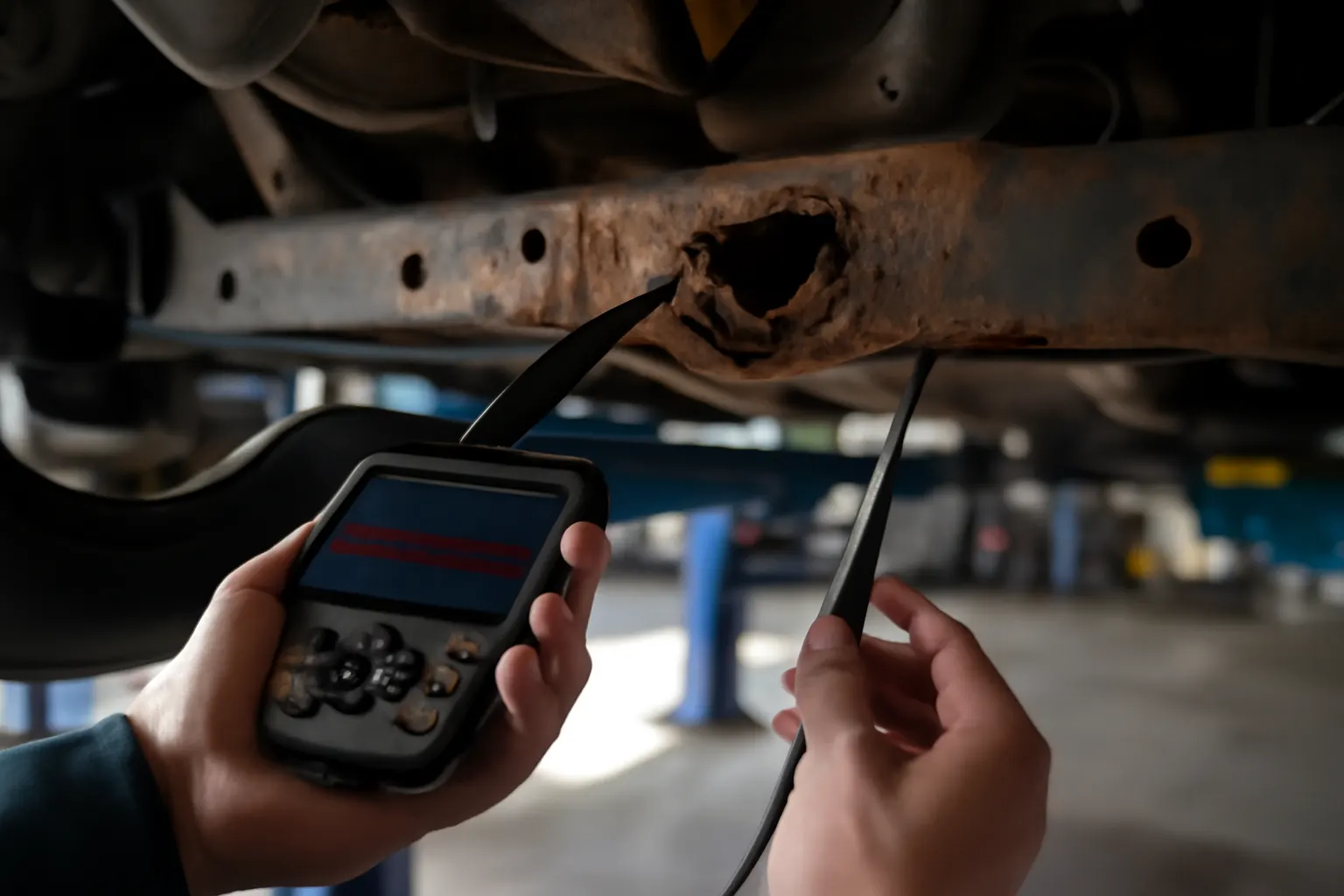
Toyota Frame Rail Failure Blog
Frame rail failures in Toyota vehicles are a critical issue that can compromise structural integrity, vehicle safety, and long-term performance. This comprehensive guide explores real-world examples of Toyota frame rail failures, the diagnostic patterns that reveal hidden problems, and the most effective strategies to avoid common installation pitfalls. Whether you’re a professional collision tech, a restoration enthusiast, or a Toyota owner facing rust or impact damage, understanding the nuances of frame rail failure is essential for safe, reliable repairs and optimal vehicle longevity.
Read More
Toyota Frame Materials Article
Toyota’s use of advanced materials in frame construction is a key factor in the automaker’s reputation for safety, durability, and long-term value. Modern Toyota frames—especially the upper and lower rails—blend high-strength steels, advanced coatings, and selective use of lightweight alloys to improve crash protection, resist corrosion, and simplify repairs. For owners, collision shops, and parts buyers, understanding these material choices is essential for effective maintenance, safe repairs, and correct part selection.
Read More
Toyota Frame Rail Fitment Guide
Understanding the fitment of Toyota frame rails—both upper and lower—is essential for ensuring structural safety, proper repair, and long-term vehicle performance. This comprehensive guide demystifies Toyota part number decoding, cross-referencing supersessions, and verifying frame rail fitment across model years. Whether you're working on a Tacoma, Tundra, 4Runner, or another Toyota platform, this guide will provide step-by-step clarity for parts professionals, collision repair shops, and dedicated DIYers.
View Guide