Advertisement
Stay ahead of the curve with Toyota’s latest emissions technologies, regulatory compliance strategies, and what these mean for your vehicle reliability, maintenance, and ownership costs. Whether you own a diesel-powered Toyota, manage a fleet, or service Toyota vehicles, understanding the evolution of emissions control—especially core systems like the exhaust fluid pump—can help you avoid costly downtime, ensure legal compliance, and maximize efficiency. For a deep dive into specific exhaust fluid pump fitment and sourcing, see our Toyota Exhaust Fluid Pump: OEM Fitment, Failure Patterns, and Sourcing Guide.
The Immediate Answer: What’s New in Toyota Emissions Technology?
Toyota continues to update its emissions control systems, integrating advanced aftertreatment solutions such as Selective Catalytic Reduction (SCR), improved Exhaust Gas Recirculation (EGR), and robust monitoring sensors. The most notable recent changes include:
- Upgraded exhaust fluid (DEF/AdBlue) delivery systems: Newer models use more reliable, higher-flow exhaust fluid pumps and improved line heaters to prevent cold-weather crystallization.
- Enhanced onboard diagnostics (OBD): Expanded sensor arrays now detect even minor deviations in NOx, particulate, and ammonia slip, leading to quicker warning lights and more precise fault codes.
- Material and weight reductions: Use of advanced alloys and composites in exhaust and aftertreatment housings, improving both fuel efficiency and emissions [^1].
- Regulatory adaptation: Toyota’s diesel and hybrid platforms now meet or exceed the latest EPA and CARB standards, with ongoing software updates for in-use compliance.
These updates impact not just emissions but also long-term durability, maintenance complexity, and diagnostic requirements for owners and technicians.
The Hidden Problem: Emissions System Complexity and Failure Patterns
With every new emissions standard, Toyota’s exhaust systems become more complex. While this complexity brings cleaner operation and better fuel economy, it also introduces new failure points—especially in the exhaust fluid pump and associated SCR components.
Common hidden pain points include:
- Intermittent check engine lights that may not directly indicate a failed part, but rather a marginal sensor or DEF delivery issue.
- DEF contamination or crystallization leading to clogged lines or pumps, especially in vehicles not driven long enough to reach full operating temperature.
- Sensor drift: NOx and ammonia sensors can degrade over time, causing false positives or unnecessary limp-mode conditions.
- Software incompatibility: Aftermarket or outdated ECUs may not fully support the latest emissions calibration, resulting in compliance failures or erratic performance.
Owners and technicians often misdiagnose these issues as simple sensor faults or fluid shortages, when in reality the root cause may involve multiple components or software logic.
Deeper Dive: The Technical Landscape of Toyota Emissions Updates
1. Exhaust Fluid Pump Evolution
Toyota’s exhaust fluid (DEF) pumps have evolved rapidly in the past decade. Early systems were subject to premature failure due to internal corrosion, pump motor burnout, and sensitivity to fluid impurities. Recent updates include:
- Sealed, brushless pump designs for longer life and better resistance to DEF crystallization.
- Integrated pressure sensors that monitor both supply and return lines, offering real-time feedback to the ECU.
- Adaptive flow control: Modern pumps adjust flow rate based on real-time NOx sensor data, not just engine load or RPM.
For a detailed fitment and troubleshooting guide, visit our Toyota Exhaust Fluid Pump Fitment page.
2. Sensor Suite and Diagnostics
Toyota vehicles now deploy a multi-layered sensor architecture to ensure emissions compliance:
- Upstream and downstream NOx sensors: Monitor reduction efficiency before and after the SCR catalyst.
- Ammonia slip sensors: Detect excess DEF injection and prevent catalyst fouling.
- Temperature and pressure sensors: Ensure DEF is delivered at optimal conditions, especially during cold starts.
Modern OBD systems can now distinguish between sensor failure, wiring issues, and true catalyst inefficiency, reducing unnecessary part replacements.
3. Materials and Weight Reduction
To offset the weight of complex aftertreatment systems, Toyota incorporates lightweight alloys and composites in exhaust housings, brackets, and shields. This not only improves fuel efficiency but also enhances heat retention for faster catalyst light-off, reducing cold-start emissions [^2].
Advertisement
4. Regulatory Compliance and In-Use Testing
Toyota’s emissions systems are now designed for real-world compliance, not just lab testing. This includes:
- Onboard monitoring for in-use compliance: Ensures that vehicles remain within regulatory limits throughout their lifespan.
- Software updates: Dealerships and authorized shops can now reflash ECUs to address evolving regulatory or customer usage patterns.
- Component traceability: Serial numbers and barcodes on major emissions components allow for rapid recall or warranty action where required.
Diagnosing Toyota Emissions System Issues: A Practical Approach
Step-by-Step Checklist for Emissions System Troubleshooting
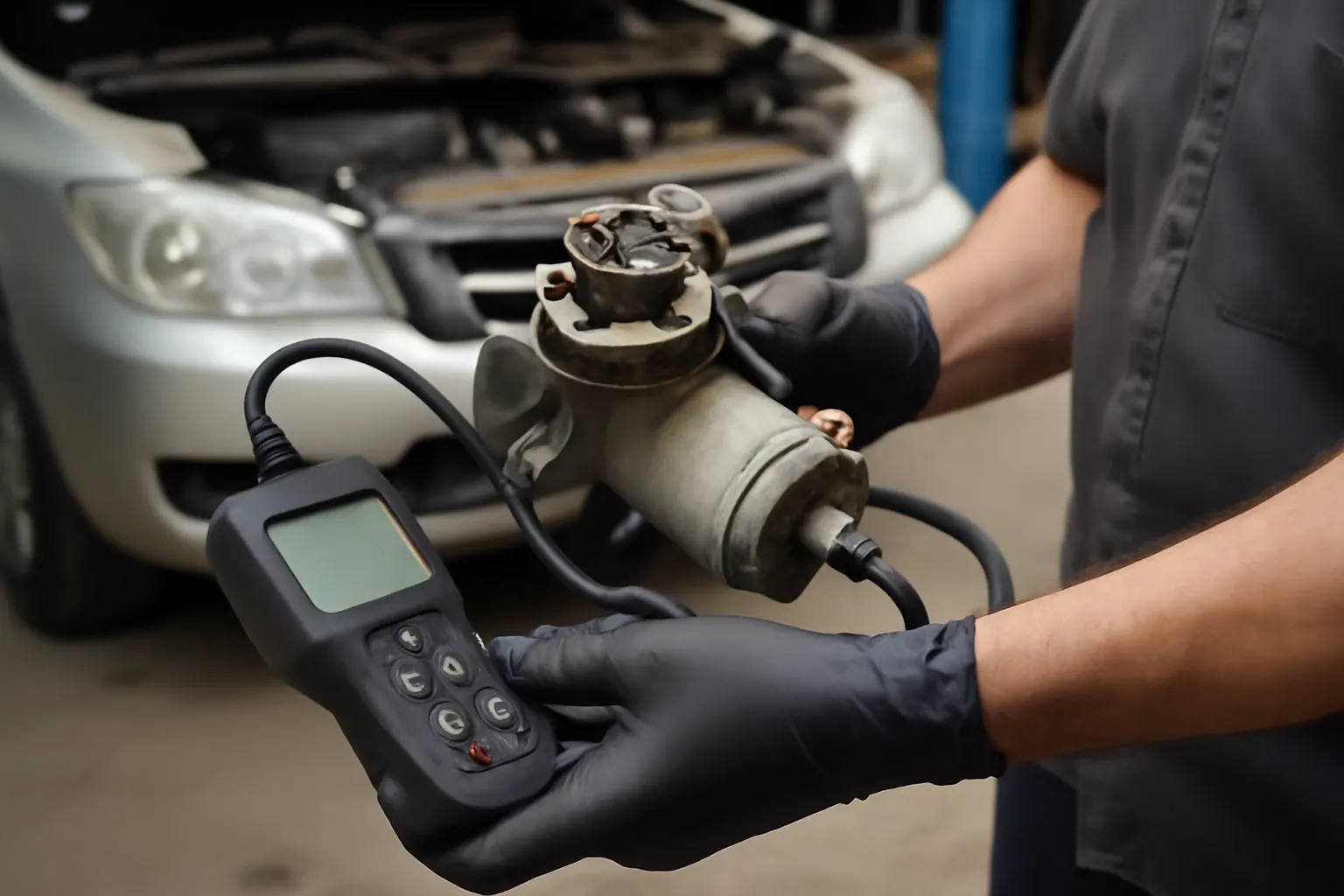
- Scan for fault codes using a Toyota-compatible OBD-II scanner. Pay special attention to codes related to NOx sensors, DEF level sensors, and exhaust fluid pump operation.
- Visually inspect DEF fluid quality. Look for contamination, discoloration, or crystallization in the reservoir.
- Test pump operation: Listen for pump activation at key-on (engine off). If silent, check power supply and ground.
- Check for line blockages: Remove and inspect DEF supply and return lines for crystals or debris.
- Review freeze-frame data: Analyze sensor readings at the time of code set for temperature, pressure, and flow anomalies.
- Inspect wiring and connectors: Look for corrosion or loose connections at sensors and pump harnesses.
- Perform a forced regeneration (if applicable): Some Toyota models allow for manual SCR regen via scan tool.
- Update ECU software: Ensure the vehicle has the latest emissions-related calibration.
- Test drive under varied conditions: Confirm that all monitors complete and no new codes are set.
Key tip: Always use fresh, high-quality DEF fluid from a sealed container. Even minor contamination can cause recurring issues.
How Emissions Updates Affect Toyota Owners and Fleets
1. Maintenance and Service Intervals
Newer emissions systems require more proactive maintenance:
- DEF filter replacement: Some models now specify DEF filter changes at set intervals.
- Sensor calibration: Periodic recalibration or replacement may be needed, especially in high-mileage or fleet applications.
- Software updates: Regular ECU reflashing is recommended to address evolving regulatory requirements and bug fixes.
2. Cost Implications
While the new systems are more durable, out-of-warranty repairs—especially for SCR catalysts or exhaust fluid pumps—can be costly. Preventive maintenance and prompt attention to warning lights are essential to avoid expensive downstream failures.
3. Downtime and Reliability
Improved diagnostic logic and parts reliability have reduced unexpected breakdowns, but ignoring minor warning signs can still lead to limp-mode operation or failed emissions tests.
The Role of Materials Technology in Emissions Compliance
Toyota’s strategic use of advanced materials technologies directly supports emissions performance:
- Lightweight exhaust manifolds and housings: Reduce thermal mass, improving catalyst light-off times and overall efficiency [^2].
- Durable sensor housings and connectors: Minimize corrosion and false readings over time.
- Composite heat shields: Protect sensitive electronics and reduce underbody temperatures.
These material choices are not just about weight—they directly influence how quickly and efficiently emissions systems reach optimal performance, especially during cold starts or stop-and-go driving.
Emissions-Related Recalls and Safety Considerations
The National Highway Traffic Safety Administration (NHTSA) tracks emissions-related recalls, including those affecting exhaust fluid pumps, sensors, and software. Toyota has proactively addressed several issues through:
- Voluntary recalls: For early pump failures and sensor inaccuracies.
- Technical service bulletins (TSBs): Addressing software updates and improved diagnostic procedures.
- Extended warranties: On emissions-critical components in select models.
Always check your VIN against the latest recall database and have any outstanding campaigns performed promptly. For general safety and equipment standards, reference the NHTSA Equipment guidelines.
Installation and Sourcing Guidance for Toyota Emissions Parts
Choosing the Right Exhaust Fluid Pump
When replacing or upgrading a Toyota exhaust fluid pump:
Advertisement
- Verify OEM part numbers: Toyota uses model- and year-specific pumps. Cross-check with your VIN and service manual.
- Inspect for supersessions: Some part numbers have been updated to address known failure patterns.
- Consider complete kits: Many failures involve both the pump and associated sensors or lines. Kits can reduce installation time and future issues.
For detailed sourcing and fitment, refer to our Toyota Exhaust Fluid Pump: OEM Fitment, Failure Patterns, and Sourcing Guide.
Installation Best Practices
- Flush the DEF system before installing a new pump to remove contaminants.
- Use dielectric grease on all electrical connectors to prevent corrosion.
- Clear all fault codes and perform a system test after installation.
- Document serial numbers for warranty and recall tracking.
Preventive Maintenance: Maximizing Emissions System Longevity
Routine maintenance is critical for emissions system reliability:
- Check DEF levels regularly and top off with fresh, uncontaminated fluid.
- Inspect for leaks around the DEF tank, lines, and pump.
- Monitor for warning lights and address issues at the first sign—delaying repairs can cause catalyst damage.
- Follow Toyota’s service schedule for emissions-related components, including filters and sensors.
A dedicated maintenance log can help track service intervals and catch issues before they result in costly repairs.
Diagnostic Tools and Equipment: What Professionals Use
Technicians servicing modern Toyota emissions systems rely on:
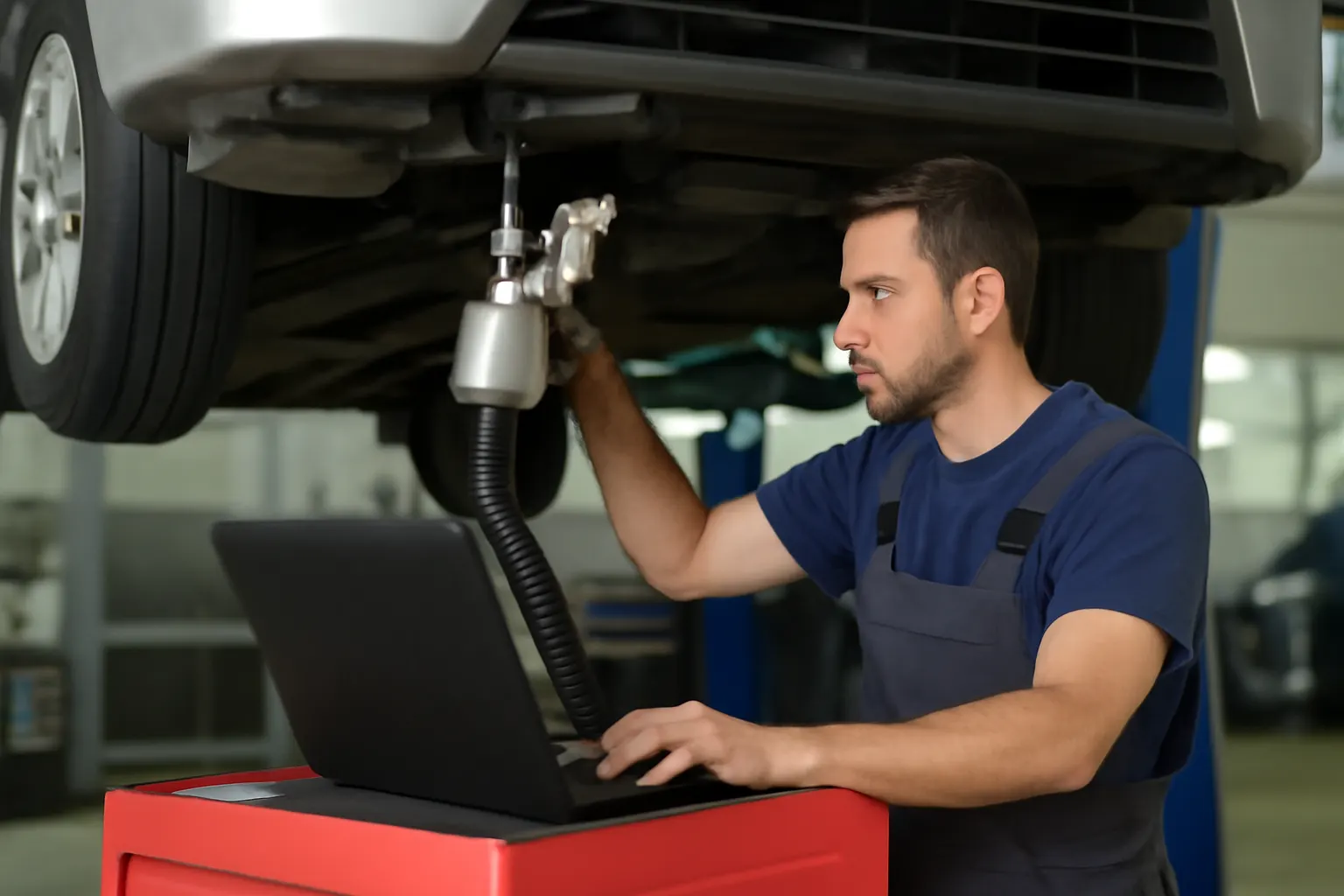
- OEM-level scan tools: Provide access to proprietary Toyota fault codes and real-time data.
- Pressure and flow testers: For verifying DEF pump and line integrity.
- NOx sensor simulators: Diagnose sensor circuit faults without installing new parts.
- Thermal imaging cameras: Identify cold spots in catalysts indicating partial blockage or failure.
Investing in the right diagnostic equipment reduces guesswork and ensures repairs address the true root cause.
Emissions Software and Calibration Updates
Toyota frequently releases software updates to improve emissions system performance and address regulatory changes. These updates may include:
- Revised DEF dosing maps: Fine-tune injection rates based on real-world driving data.
- Improved sensor validation algorithms: Reduce false positives and unnecessary limp-mode events.
- Expanded OBD readiness checks: Ensure all emissions monitors complete properly for state inspections.
Owners and independent shops should check for available updates at every service interval.
Regulatory Trends: What’s Next for Toyota Emissions Systems?
Looking ahead, Toyota is preparing for even stricter emissions standards, including:
- Real Driving Emissions (RDE) testing: Systems must perform within limits during actual on-road use, not just in the lab.
- Longer compliance periods: Emissions-critical components may need to last 150,000+ miles without failure.
- Integration with hybrid and fuel cell platforms: Emissions controls will increasingly interact with battery management and regenerative braking systems.
Staying informed on these trends can help owners and service professionals anticipate future maintenance and compliance challenges.
How AutoPartEx Supports Toyota Owners and Technicians
At AutoPartEx, we focus on delivering accurate, actionable guidance for sourcing, diagnosing, and maintaining Toyota emissions components. Our platform provides:
- Curated OEM and high-quality aftermarket parts for Toyota exhaust fluid pumps, sensors, and SCR components.
- Fitment verification tools to match the right part to your VIN and build date.
- Detailed guides and checklists for troubleshooting and installation—see our Exhaust Fluid Pump Troubleshooting and Toyota Diesel Scr Guide for more.
- Direct support from emissions system experts: Get answers to your toughest diagnostic or sourcing questions.
For a complete overview of Toyota emissions parts and updates, explore our Toyota Exhaust Fluid Pump: OEM Fitment, Failure Patterns, and Sourcing Guide.
Expert Action: Your Next Steps for Toyota Emissions Reliability
- Monitor for updates: Stay informed about the latest Toyota emissions system changes, recalls, and software releases.
- Prioritize preventive maintenance: Address minor warning signs early and use only high-quality DEF and replacement parts.
- Invest in diagnostics: Equip your shop or fleet with the right tools to accurately diagnose and repair emissions issues.
- Consult trusted resources: Use AutoPartEx and official Toyota documentation for the latest fitment, troubleshooting, and sourcing guidance.
By staying proactive and leveraging the latest information, you can ensure your Toyota remains compliant, efficient, and reliable for years to come.
References
Advertisement