Advertisement
Diesel Exhaust Fluid (DEF) pump failures have become a critical concern for Toyota owners and technicians across North America. From sudden dashboard warnings to no-start conditions, field reports highlight that DEF pump issues are not just limited to Toyota, but span a range of modern diesel vehicles. Understanding real-world failure modes, diagnostic pitfalls, and proven solutions is essential for long-term reliability and compliance. This comprehensive guide distills service bay experience and technical best practices, helping you avoid costly missteps and maximize the service life of your Toyota Exhaust Fluid Pump: Advanced Fitment, Diagnostics & Genuine OEM Sourcing and similar systems.
Immediate Answers: What to Do When Your DEF Pump Fails
When a DEF pump fails on a Toyota or comparable diesel vehicle, the most common symptoms include illuminated warning lights ("Check Engine," "DEF System Malfunction"), reduced engine power, and, in some cases, a no-start condition. The immediate steps are:
- Do not ignore warning lights—continued operation can trigger limp mode or even immobilize the vehicle.
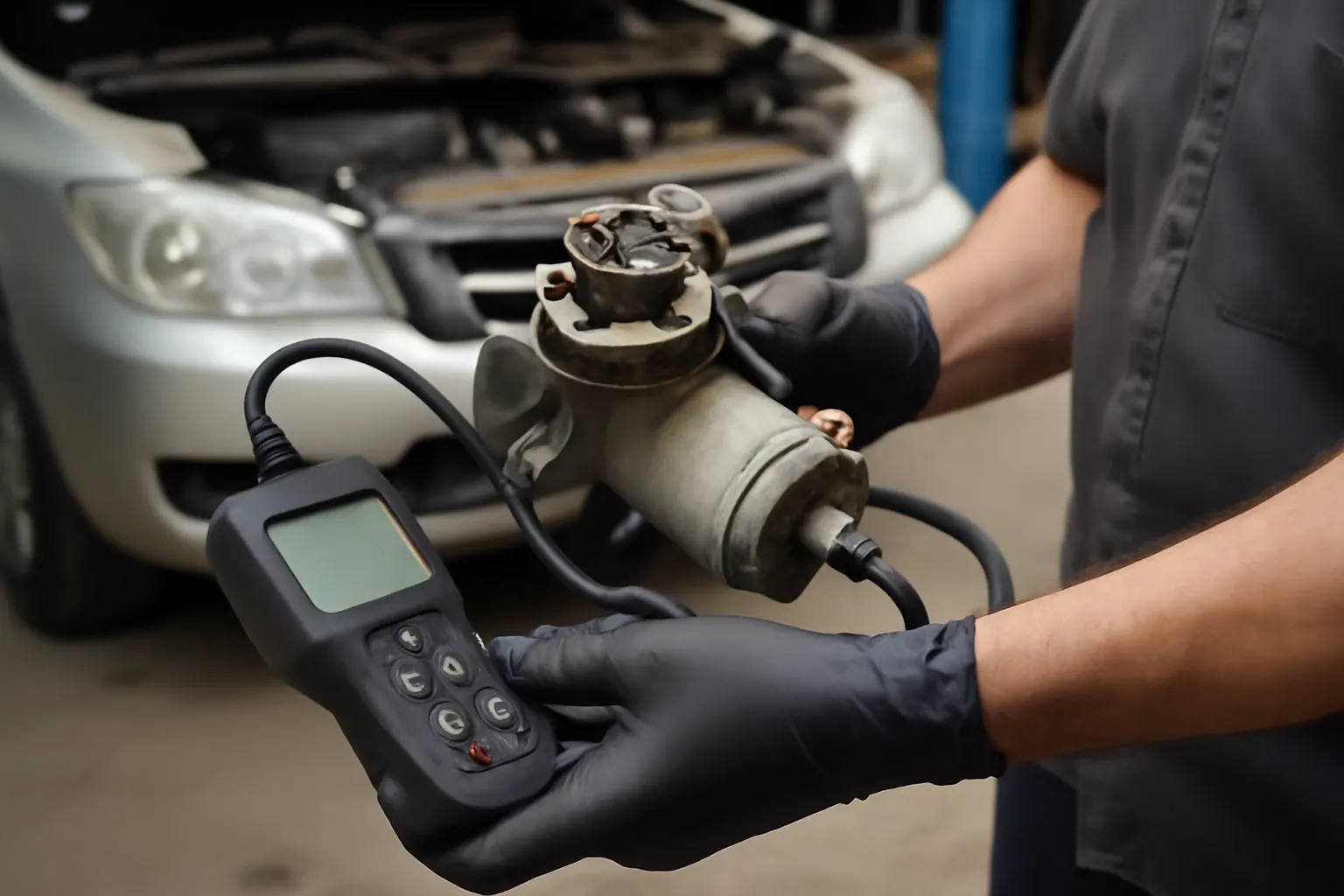
- Scan for diagnostic trouble codes (DTCs) using a compatible OBD-II scanner. Codes such as P20E8, P203B, or P204F often indicate DEF system faults.
- Visually inspect the DEF tank and pump assembly for leaks, contamination, or disconnected wiring.
- Consult your service manual and the SCR System Guide for model-specific troubleshooting.
- Source OEM or high-quality replacement parts—avoid generic alternatives that may not meet Toyota’s strict fitment and material standards.
Taking these steps immediately can prevent further damage to the Selective Catalytic Reduction (SCR) system and help you avoid unnecessary downtime or expensive repairs.
The Hidden Problem: Why DEF Pump Failures Are Increasing
DEF pump failures are on the rise, especially as more fleets and private owners put higher mileage on their diesel vehicles. While Toyota’s SCR systems are engineered for durability, real-world service data reveals several underlying factors driving this trend:
- Contaminated DEF fluid: Poor DEF quality, exposure to dust, or mixing with non-DEF substances can rapidly degrade pump internals.
- Environmental exposure: DEF is highly sensitive to temperature. Freezing or overheating can damage pump seals, sensors, and electrical connectors.
- Material fatigue: Even with advanced materials, repeated thermal cycling and vibration eventually wear down critical pump components.
- Improper service procedures: Skipping DEF tank flushes or using incompatible fluids can compound existing issues.
These hidden factors often go undetected during routine maintenance, leading to premature pump failure and costly SCR system repairs.
Field Reports: Real-World DEF Pump Failure Scenarios
Technicians across Toyota service bays and independent diesel shops report consistent patterns in DEF pump failures. The following scenarios, drawn from actual field experience, illustrate the most common issues:
Scenario 1: Sudden Limp Mode After Cold Snap
A 2021 Toyota Tundra diesel enters limp mode after a night of subzero temperatures. Scanning reveals DTC P20E8 (Reductant Pressure Too Low). Inspection finds the DEF pump housing cracked from ice expansion, despite the tank heater operating normally. The pump is replaced, and DEF lines are flushed to remove ice crystals.
Scenario 2: Intermittent DEF Warnings, No Fault Codes
A fleet of 2019 Toyota Land Cruisers reports periodic DEF system warnings, but no hard codes. Investigation uncovers crystallized DEF deposits in the pump intake, caused by using expired DEF fluid. Cleaning the system and switching to fresh, ISO-certified DEF resolves the issue.
Scenario 3: No-Start Condition After DEF Top-Off
A 2020 Toyota Tacoma fails to start after topping off the DEF tank. DTC P203B (Reductant Level Sensor Circuit) is present. The DEF pump wiring harness is found loose due to improper reassembly during a prior service. Correcting the connection restores normal operation.
These scenarios underscore the importance of proper diagnosis, fluid quality, and adherence to service procedures.
Advertisement
Technical Deep Dive: How the Toyota DEF Pump Works
Understanding the technical workings of the Toyota DEF pump is critical to diagnosing and preventing failures. The DEF pump is a precision-engineered electric unit, typically mounted within or adjacent to the DEF tank. Its primary functions are:
- Drawing DEF from the tank
- Pressurizing the fluid to the required system specification
- Delivering DEF to the SCR injector for NOx reduction
Key components include:
- Pump motor and housing: Built with corrosion-resistant materials to withstand DEF’s caustic nature.
- Pressure sensor: Monitors delivery pressure; failure can trigger DTCs.
- Heater elements: Prevent DEF freezing in cold climates.
- Integrated filters: Trap particulates to protect downstream SCR components.
Toyota’s design emphasizes modular replacement, but cross-contamination or incorrect installation can compromise even new pumps.
Common DEF Pump Failure Modes in Toyota and Other Makes
Drawing from field data and manufacturer service bulletins, the most prevalent DEF pump failure modes include:
| Failure Mode | Symptoms | Root Cause |
|---|---|---|
| Electrical motor failure | No pump operation; DTCs; no DEF flow | Water ingress, corrosion, wiring faults |
| Pressure sensor malfunction | Limp mode; DTC P20E8 or P204F | Sensor fatigue, DEF contamination |
| Heater element failure | DEF freezing, no-start in cold weather | Circuit failure, overcurrent, material fatigue |
| Internal seal degradation | DEF leaks, low pressure, crystallization | Chemical attack, age, poor DEF quality |
| Filter clogging | Reduced flow, intermittent warnings | Contaminated DEF, lack of maintenance |
Recognizing these patterns can dramatically reduce diagnostic time and prevent unnecessary part replacement.
Diagnostic Checklist: Systematic Approach to DEF Pump Issues
A structured diagnostic process is essential for accurately pinpointing DEF pump failures. Use the following checklist to guide your troubleshooting:
DEF Pump Diagnostic Checklist
- Verify Symptoms
- Are there warning lights or messages?
- Is power reduced or is the vehicle immobilized?
- Scan for DTCs
- Use a Toyota-compatible scanner for precise code retrieval.
- Record all codes before clearing.
- Inspect Fluid Quality
- Check DEF for cloudiness, odor, or particulates.
- Test DEF with a refractometer if available.
- Visual Inspection
- Examine pump, tank, and lines for leaks or crystallization.
- Check electrical connectors for corrosion or looseness.
- Check Pump Operation
- Listen for pump priming sound with ignition on.
- Measure voltage and ground at pump harness.
- Test System Pressure
- Use manufacturer-specified test equipment.
- Compare readings to service manual specs.
- Evaluate Heater and Sensor Function
- Test resistance of heater elements.
- Monitor live data for sensor response.
- Consult Service History
- Note previous DEF or SCR-related repairs.
- Check for any non-OEM part installations.
- Review Technical Service Bulletins
- Reference Toyota and NHTSA for recalls or known issues.
Following this checklist ensures a thorough, stepwise approach that minimizes guesswork and repeat failures.
The Role of DEF Quality and Storage in Pump Longevity
DEF fluid quality is a major factor in pump service life. Low-grade or contaminated DEF accelerates wear on seals, sensors, and internal pump components. Key considerations include:
- DEF shelf life: DEF degrades over time, especially when exposed to heat or sunlight. Always use fluid within its expiration date and from sealed containers.
- ISO 22241 compliance: Only use DEF that meets strict ISO standards. Substandard fluid may contain impurities that damage the SCR system.
- Storage practices: DEF is hygroscopic and absorbs moisture, leading to dilution and crystallization. Store DEF in cool, dry environments and avoid partial containers.
For more on DEF quality, see our Def Quality Standards guide.
Fitment and Sourcing: Why OEM Matters for Toyota DEF Pumps
Not all DEF pumps are created equal. Toyota’s SCR system requires precise flow and pressure characteristics, which non-OEM or “universal” pumps may not reliably deliver. Key sourcing tips include:
Advertisement
- Order by VIN: Always match the pump part number to the vehicle’s VIN for guaranteed fitment.
- Beware of supersession: Toyota regularly updates part numbers; verify the latest superseded part using our Toyota Part Supersession resource.
- Check for OEM packaging: Genuine pumps come with critical seals, filters, and sometimes updated wiring harnesses.
- Review recall databases: Use NHTSA’s database to ensure your chosen pump isn’t subject to a manufacturer recall.
Proper sourcing ensures system compatibility and long-term reliability.
Installation Best Practices: Avoiding Common Pitfalls
Even the best replacement part can fail prematurely if installed incorrectly. Based on service bay experience, follow these best practices:
- Cleanliness is critical: DEF systems are highly sensitive to contamination. Clean all mating surfaces and flush lines before installation.
- Torque specifications: Adhere to manufacturer torque values to avoid cracking the pump housing or overtightening connections.
- Electrical integrity: Inspect and, if necessary, replace corroded connectors or damaged wiring.
- Prime the system: After installation, follow Toyota’s recommended priming procedure to prevent air locks and ensure proper DEF delivery.
- Software calibration: Some models require a reset or calibration via scan tool after pump replacement.
Neglecting these steps can introduce new faults or mask the original issue.
Preventive Maintenance: Extending the Life of Your DEF Pump
Routine maintenance is the most effective way to avoid DEF pump failures. Recommended actions include:
- Regular DEF top-offs: Use only fresh, ISO-certified DEF fluid.
- Annual DEF tank flush: Remove accumulated sediment or crystallized deposits.
- Heater system check: Test DEF tank and line heaters before winter.
- Filter replacement: Some Toyota models have serviceable DEF filters—replace per manufacturer schedule.
- Monitor for software updates: Toyota periodically releases SCR system software updates to improve reliability or address known issues.
Consistent preventive care reduces the likelihood of breakdowns and costly repairs.
Advanced Diagnostics: When to Suspect a Systemic Issue
Sometimes, repeated pump failures or persistent codes indicate an underlying systemic issue beyond the pump itself. Advanced diagnostic steps include:
- SCR injector testing: A stuck or leaking injector can cause backpressure and stress the pump.
- Line and tank pressure tests: Blockages or restrictions in the DEF line can mimic pump failure.
- Control module analysis: Faulty SCR control modules can send incorrect signals to a working pump.
- Wiring harness inspection: Look for chafed, pinched, or heat-damaged wires along the harness route.
If multiple DEF pumps fail in succession, escalate diagnostics to include these broader system checks.
Real-World Pitfalls: Lessons from the Service Bay
Technicians report several recurring mistakes that lead to repeat DEF pump failures:
- Reusing contaminated DEF: Even small amounts of old or tainted fluid can damage a new pump.
- Skipping line flushing: Residual crystals or debris in lines quickly clog fresh pumps.
- Ignoring software resets: Some Toyota models require a system reset after component replacement; skipping this can cause false warning lights.
- Mixing non-OEM parts: Combining aftermarket pumps with OEM sensors or vice versa can result in compatibility issues.
Learning from these pitfalls can save significant time, money, and frustration.
When to Replace vs. Repair: Making the Right Call
While some components of the DEF system can be cleaned or serviced, most Toyota DEF pump failures require full replacement due to the integrated design. Consider repair only if:
- The fault is limited to external wiring or connectors.
- The pump is less than two years old and shows no signs of internal contamination or corrosion.
- Recall or warranty coverage applies.
If the pump motor, pressure sensor, or housing is compromised, replacement is the safest and most reliable option.
AutoPartEx: Your Partner in DEF System Reliability
At AutoPartEx, we specialize in advanced fitment, diagnostics, and genuine OEM sourcing for Toyota exhaust fluid pumps and related SCR system components. Our expert team curates technical guides, field reports, and sourcing resources to ensure your diesel stays compliant and on the road. For tailored support, visit our Toyota Exhaust Fluid Pump: Advanced Fitment, Diagnostics & Genuine OEM Sourcing page or explore our Scr System Guide for comprehensive SCR system insights.
References
Advertisement