Common Suzuki Parts Failures & Prevention
Suzuki vehicles are known worldwide for their reliability, efficiency, and value. Yet, like all vehicles, Suzukis are subject to wear, environmental stress, and the occasional unexpected part failure. This comprehensive guide from AutoPartEx dives into the most common Suzuki parts failures, how to recognize the early warning signs, and proven strategies to keep your Suzuki running smoothly for years to come. Whether you drive a Swift, Vitara, Jimny, or another Suzuki model, understanding these common pitfalls—and how to avoid them—can save you time, money, and frustration.
If you’re looking for genuine replacement components, you can always browse our Suzuki OEM Parts: Heritage, Engineering, Fitment & Technical Guidance | AutoPartEx page for the most accurate fitment and up-to-date technical advice.
Immediate Answer: What Are the Most Common Suzuki Parts Failures?
Suzuki vehicles, while robust and engineered to last, commonly experience issues with:
- Timing chains and tensioners
- Ignition coils and spark plugs
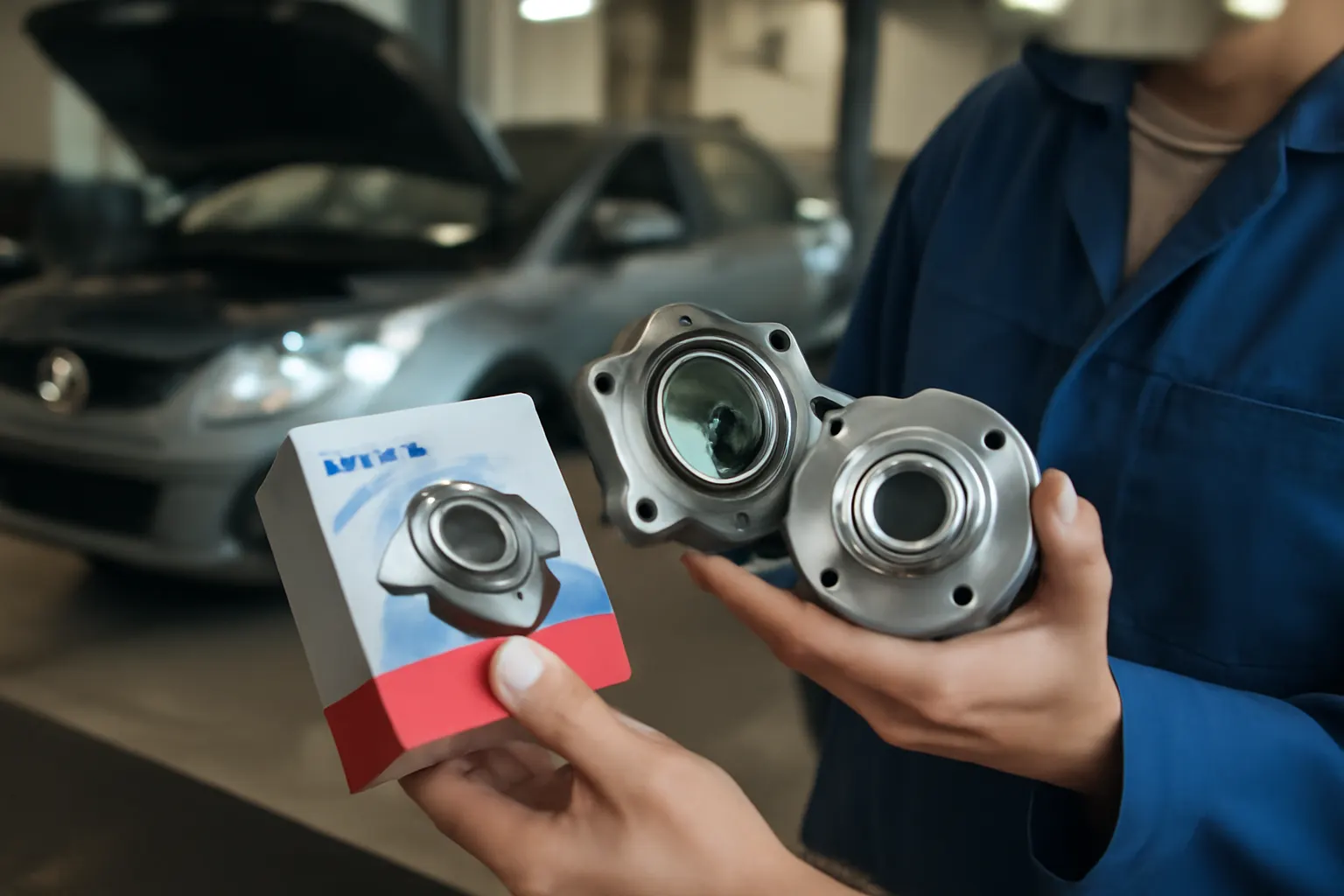
- Wheel bearings and hub assemblies
- Suspension bushings and mounts
- Brake components (especially pads, rotors, and calipers)
- Fuel pumps and injectors
- Engine cooling system (radiators, hoses, thermostats)
- Electrical system (alternators, batteries, sensors)
- Clutch assemblies (in manual transmission models)
- Exhaust system components (including catalytic converters and O2 sensors)
These failures can lead to decreased fuel efficiency, safety risks, and costly repairs if not detected early. Recognizing symptoms early and following a preventive maintenance plan are essential for preserving your Suzuki’s performance and safety.
The Hidden Problem: Early Failure Warning Signs Often Go Unnoticed
Many Suzuki owners are surprised by sudden part failures that seem to happen “out of nowhere.” In reality, most component breakdowns are preceded by subtle warning signs—unusual sounds, performance drops, dashboard indicators, or minor leaks—that can be easy to overlook.
Ignoring these early warnings can have significant consequences:
- Increased repair costs: Small issues escalate into major repairs if left unchecked.
- Reduced safety: Critical systems like brakes or suspension can compromise vehicle control.
- Lower fuel efficiency: Worn engine or drivetrain parts directly impact your MPG (DOE Fuel Efficiency).
- Unexpected breakdowns: Which can leave you stranded or cause further damage.
Understanding how to spot these early symptoms is the first step toward reliable Suzuki ownership.
Problem Expansion: Why Suzuki Parts Fail—Engineering, Usage, and Environmental Stress
Engineering and Design Factors
Suzuki’s engineering philosophy emphasizes lightweight efficiency and compact design, which brings both advantages and vulnerabilities:
- Compact engine bays: Less airflow and higher localized heat can accelerate wear on timing chains, ignition coils, and electronic sensors.
- Cost-effective materials: While durable, some OEM suspension bushings, mounts, and bearings can degrade faster under harsh conditions.
- Component standardization: Many Suzukis use shared parts across models, which can mean known weak points will appear in multiple vehicles.
Usage Patterns
How and where you drive matters:
- Urban stop-and-go: Accelerates brake, clutch, and ignition component wear.
- Off-road or rural roads: Increases stress on suspension, wheel bearings, and underbody protection.
- Short trips: Prevent full engine warm-up, contributing to moisture buildup and accelerated corrosion.
Environmental Stressors
- Temperature extremes: Affect battery life, cooling system, and rubber components.
- Humidity and road salt: Corrode electrical connectors, exhaust, and underbody parts.
- Poor fuel quality: Can clog injectors, damage pumps, and trigger engine warning lights.
Key Suzuki Parts at Risk: Detailed Failure Profiles
1. Timing Chains and Tensioners
Symptoms: Rattling on cold start, engine misfire codes, poor idle, illuminated check engine light.
Why They Fail: Extended oil change intervals, low oil pressure, or contaminated oil accelerate timing chain and tensioner wear. Many Suzuki engines (notably K-Series and M-Series) rely on these components for precise valve timing. Neglect can lead to catastrophic engine damage.
Prevention: Stick to recommended oil change intervals, use correct oil grade, and listen for startup noises. If you notice rattling, address it immediately.
2. Ignition Coils and Spark Plugs
Symptoms: Rough idle, misfires, poor acceleration, increased fuel consumption, flashing check engine light.
Why They Fail: Heat, vibration, and oil contamination can degrade ignition coils. Spark plugs wear over time, especially in turbocharged or high-compression engines.
Prevention: Replace spark plugs at recommended intervals, inspect coils for cracks or oil contamination, and use only OEM-spec components.
3. Wheel Bearings and Hub Assemblies
Symptoms: Droning or humming noises that increase with speed, ABS warning lights, uneven tire wear.
Why They Fail: Water intrusion, potholes, and excessive loads stress bearings. Suzuki’s compact vehicles often use sealed hub assemblies, which cannot be lubricated or repaired—only replaced.
Prevention: Inspect for play or noise during tire rotations, avoid deep water, and replace at first sign of failure.
4. Suspension Bushings and Mounts
Symptoms: Clunking noises over bumps, vague steering, uneven tire wear, excessive vibration.
Why They Fail: Rubber bushings degrade with age, heat, and exposure to chemicals. Off-road use or rough roads accelerate wear.
Prevention: Inspect during routine service, replace in pairs or sets, and consider upgraded aftermarket bushings for harsh conditions.
5. Brake Components
Symptoms: Squealing or grinding noises, soft or pulsating pedal, increased stopping distance, brake warning lights.
Why They Fail: Pads and rotors wear normally, but caliper failure (sticking, leaking) is common in older Suzukis.
Prevention: Change brake fluid regularly, inspect pads/rotors/calipers every 10,000 miles, and use OEM or quality aftermarket parts.
6. Fuel Pumps and Injectors
Symptoms: Hard starting, hesitation, rough idle, loss of power, fuel odor.
Why They Fail: Contaminated fuel, clogged filters, or electrical issues can lead to premature failure.
Prevention: Replace fuel filters as specified, use quality fuel, and address any hesitation or starting issues promptly.
7. Engine Cooling System
Symptoms: Overheating, coolant leaks, temperature gauge fluctuations, sweet smell from engine bay.
Why They Fail: Aging radiators, cracked hoses, and stuck thermostats are common, especially in high-mileage vehicles.
Prevention: Inspect coolant level and condition, replace hoses and thermostats preventively, and flush coolant system as recommended.
8. Electrical System Components
Symptoms: Dim lights, slow cranking, warning lights, intermittent electrical faults.
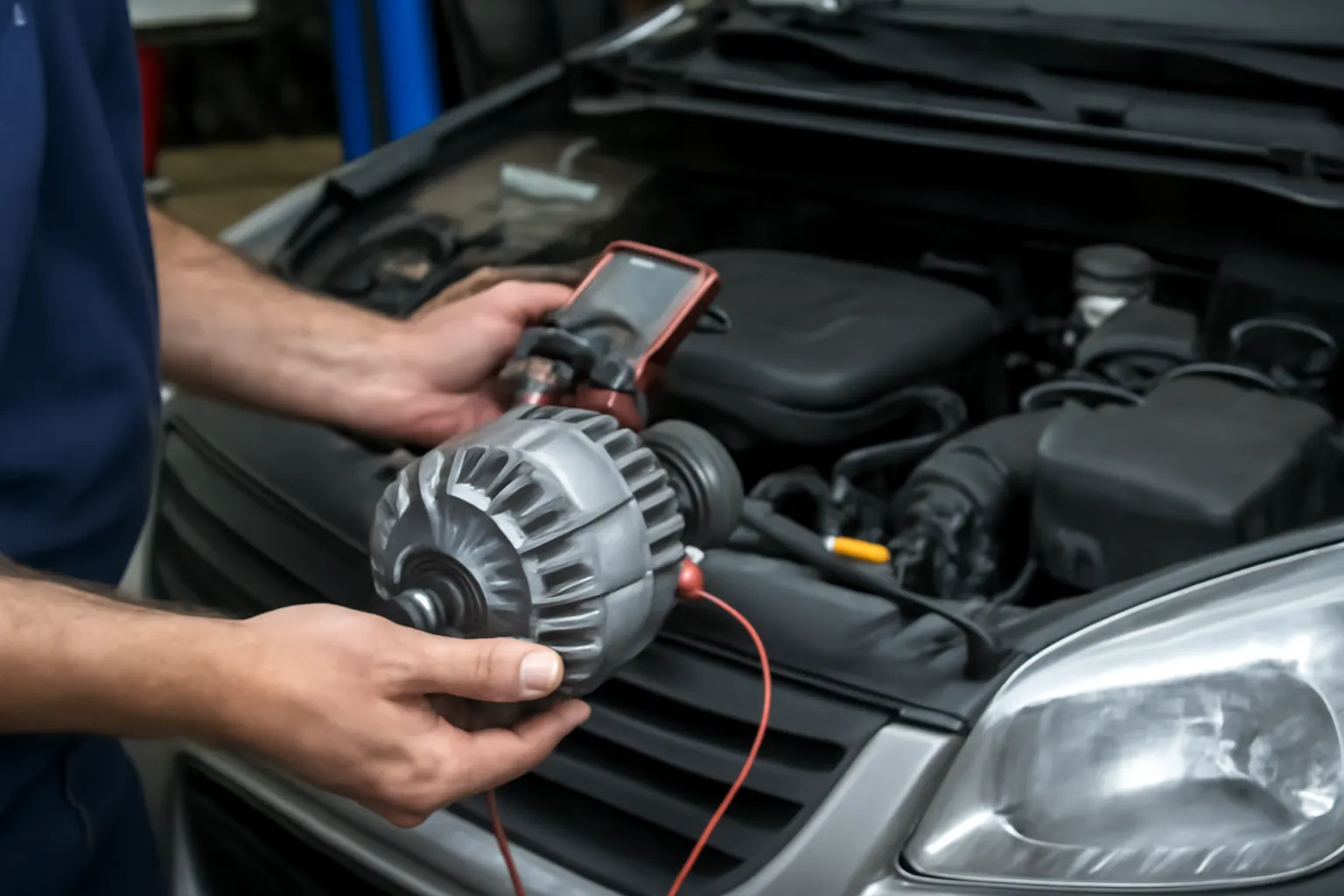
Why They Fail: Battery age, corroded terminals, alternator wear, and failing sensors are frequent culprits.
Prevention: Test battery and alternator annually, clean terminals, and replace sensors at first sign of malfunction.
9. Clutch Assemblies (Manual Transmission)
Symptoms: Slipping clutch, difficulty shifting, burning smell, high pedal engagement.
Why They Fail: City driving, aggressive shifting, and worn hydraulic systems accelerate wear.
Prevention: Adjust driving habits, service clutch hydraulics, and replace worn clutches at the first sign of slippage.
10. Exhaust System Components
Symptoms: Rattling noises, loss of power, increased emissions, check engine light.
Why They Fail: Rust, road salt, and failed O2 sensors are common in older or high-mileage Suzuki vehicles.
Prevention: Inspect exhaust annually, replace O2 sensors as needed, and address leaks or rattles promptly.
Early Warning Signs: What to Watch (and Listen) For
Early detection is your best defense against expensive Suzuki repairs. Here’s a checklist of common warning signs for each major component group:
| Component Group | Early Warning Signs |
|---|---|
| Timing Chain/Tensioner | Rattling at startup, engine misfire codes, poor idle |
| Ignition System | Rough idle, misfires, increased fuel consumption |
| Wheel Bearings | Humming/droning noise, ABS light, uneven tire wear |
| Suspension | Clunks, vague steering, excessive vibration |
| Brakes | Squeal/grind, soft pedal, longer stopping distances |
| Fuel System | Hard starting, hesitation, fuel odor |
| Cooling System | Overheating, coolant leaks, fluctuating temp gauge |
| Electrical | Dim lights, slow crank, warning lights |
| Clutch (Manual) | Slipping, hard shifts, burning smell |
| Exhaust | Rattles, loss of power, check engine light |
If you notice any of these symptoms, schedule a diagnostic inspection as soon as possible. Early intervention can prevent further damage.
Diagnostic Strategies: How to Confirm and Pinpoint Suzuki Parts Failures
Proper diagnosis is critical to avoid unnecessary part replacement and ensure safety. Here’s how to approach common Suzuki trouble spots:
Visual and Mechanical Inspection
- Listen and feel: Use a mechanic’s stethoscope or rubber hose to localize noises (e.g., wheel bearings, timing chains).
- Look for leaks: Oil, coolant, or brake fluid leaks can point directly to failing gaskets, hoses, or calipers.
- Check for play: Wiggle wheels, suspension arms, and steering components for excessive movement.
Electronic Diagnostics
- OBD-II scanning: Most Suzukis from the 2000s onward will store codes for misfires, sensor failures, and emission problems. A basic scan tool can reveal a lot.
- Live data: Use scan tools to monitor live engine data (e.g., fuel trims, O2 sensor voltage, coolant temperature) for subtle issues.
- Reset and retest: After repairs, clear codes and road-test to confirm the fix.
Specialized Tests
- Compression/leakdown tests: For suspected engine or timing issues.
- Fuel pressure tests: For pump and injector diagnostics.
- Battery/alternator load tests: For electrical system evaluation.
Preventive Maintenance: The Suzuki Longevity Checklist
Preventing part failures is all about sticking to a rigorous maintenance schedule and using quality components.
Suzuki Preventive Maintenance Checklist
- Engine Oil & Filter: Change every 3,000–5,000 miles (or as specified), using recommended grade.
- Spark Plugs & Ignition Coils: Replace plugs every 30,000–60,000 miles; inspect coils annually.
- Timing Chain Inspection: Listen for noise at each oil change; replace tensioner proactively in high-mileage engines.
- Brake System: Inspect pads, rotors, and calipers every 10,000 miles; flush brake fluid every 2 years.
- Suspension & Steering: Inspect bushings, mounts, and joints every 15,000–20,000 miles.
- Wheel Bearings: Check for play and noise during tire rotations.
- Cooling System: Check coolant level monthly; flush system every 2–3 years.
- Fuel System: Replace filters as specified; use top-tier fuel.
- Battery & Alternator: Test annually; clean terminals and check for corrosion.
- Exhaust & Emissions: Inspect annually for leaks, rattles, and sensor faults.
For a detailed fitment and compatibility reference, see our Suzuki Fitment & Compatibility Guide.
Sourcing Reliable Replacement Parts: OEM vs. Aftermarket
When it’s time to replace a worn Suzuki component, your choice of replacement part can dramatically affect reliability and safety.
OEM (Original Equipment Manufacturer) Parts
- Guaranteed fitment: Designed to original Suzuki specifications.
- Consistent quality: Meet strict SAE Standards for performance and safety.
- Warranty support: Often included when purchased from authorized dealers.
Aftermarket Parts
- Varied quality: Some brands exceed OEM specs, others may not meet them.
- Cost savings: Can be less expensive, but beware of “bargain” parts that may not last.
- Fitment risk: Minor differences can cause installation or performance issues.
Tip: For critical systems (timing, brakes, suspension, electrical), stick to OEM or trusted aftermarket brands. Always verify part numbers and compatibility, especially for newer or less common Suzuki models.
Installation Guidance: Best Practices for DIY and Professional Repairs
Proper installation is just as important as part selection. Here’s how to ensure a successful repair:
- Follow torque specs: Use a torque wrench on critical fasteners (e.g., wheel bearings, suspension, engine components).
- Replace in pairs/sets: For brakes, suspension, and bearings, replace both sides to maintain balance.
- Use correct fluids: Always use Suzuki-approved oils, coolants, and lubricants.
- Double-check fitment: Compare old and new parts side by side before installation.
- Test before road use: After any major repair, test drive to confirm proper operation and absence of warning lights.
For more on part authenticity, review our guide on How to Spot Counterfeit Suzuki Parts.
Advanced Prevention: Addressing Recurring and Model-Specific Issues
Some Suzuki models have unique recurring issues. Here’s how to handle them:
Suzuki Swift (2005–2017)
- Known for: Ignition coil and timing chain issues.
- Prevention: Replace coils at first sign of misfire; use high-quality oil and change regularly.
Suzuki Grand Vitara
- Known for: Suspension bushing and wheel bearing wear.
- Prevention: Inspect bushings every 15,000 miles; replace bearings at first sign of noise.
Suzuki Jimny
- Known for: Clutch wear (manual) and underbody corrosion.
- Prevention: Wash underbody regularly; service clutch hydraulics annually.
All Models
- Electrical corrosion: Especially in humid or coastal areas.
- Prevention: Apply dielectric grease to connectors and inspect wiring harnesses annually.
The Role of Recalls and Technical Service Bulletins
Suzuki, like all manufacturers, occasionally issues recalls or technical service bulletins (TSBs) for known defects. These are often related to safety-critical components—brakes, airbags, fuel systems, or electronics.
- Check regularly: Visit the NHTSA Recalls database with your VIN to see if your Suzuki is affected.
- Act promptly: Recalls are performed free of charge at authorized dealers.
- Monitor TSBs: These may cover non-safety issues that can still affect reliability.
The Importance of Following Suzuki Service Intervals
Many parts failures can be avoided by adhering to Suzuki’s factory-recommended service intervals. For a breakdown of what should be replaced and when, see our detailed Suzuki Service Intervals: What You Should Replace & When.
Regular maintenance not only prevents failures but also preserves resale value and ensures you get the most out of every mile.
AutoPartEx: Your Partner in Suzuki Reliability
At AutoPartEx, our mission is to keep your Suzuki running at its best—whether you’re sourcing a hard-to-find OEM sensor, tackling a DIY brake job, or seeking expert technical guidance. Our curated catalog is backed by verified fitment data, engineering standards, and a commitment to genuine quality.
- Expert support: Our team is available to help diagnose, source, and install the right part for your Suzuki.
- Verified fitment: Every part listing is cross-checked for compatibility with your specific model and year.
- Resource library: From technical bulletins to maintenance guides, we provide the information you need for worry-free ownership.
Explore our full range of Suzuki OEM Parts: Heritage, Engineering, Fitment & Technical Guidance | AutoPartEx and get the most from your Suzuki—mile after mile.
Expert Action: What To Do Next
- Monitor for early warning signs: Use our checklist to spot potential issues before they escalate.
- Stay proactive: Follow your maintenance schedule and inspect critical components regularly.
- Choose quality replacement parts: Prioritize OEM or trusted aftermarket brands.
- Leverage expert resources: Consult AutoPartEx for technical guidance, fitment verification, and parts sourcing.
- Stay informed: Check for recalls and TSBs relevant to your Suzuki model.
By understanding common Suzuki parts failures and taking preventive action, you can maximize reliability, safety, and long-term value.