Suzuki Engine Diagnostics: Common Fault Patterns
Diagnosing Suzuki engine issues can be straightforward if you know what fault codes to expect, which components frequently fail, and how to methodically troubleshoot for reliable repairs. This comprehensive guide details common Suzuki engine fault patterns, step-by-step diagnostic strategies, and the most frequent parts behind drivability complaints—so you can quickly resolve issues, restore performance, and keep your Suzuki running at its best.
For a full inventory of genuine and aftermarket Suzuki components, see the Suzuki Auto Parts: Genuine OEM, Engineering Insights & Fitment Guide. This resource will help ensure your repairs use the correct parts for your specific model and year.
Immediate Answer: Typical Suzuki Engine Fault Codes and Drivability Issues
Suzuki vehicles, like all modern cars, rely on onboard diagnostics (OBD-II) to monitor engine performance and emissions. The most common engine fault codes and drivability issues in Suzuki models include:
- P0300–P0304: Random/multiple cylinder misfire detected (often due to ignition coil or spark plug failure)
- P0171/P0174: System too lean (bank 1/bank 2) caused by vacuum leaks, dirty mass airflow (MAF) sensors, or fuel delivery issues
- P0420: Catalyst system efficiency below threshold (often a failing catalytic converter or O2 sensor)
- P0113: Intake air temperature sensor circuit high input
- P0134: O2 sensor circuit no activity detected (bank 1 sensor 1)
- P0128: Coolant thermostat (coolant temperature below regulating temperature)
- P0401: Exhaust gas recirculation (EGR) flow insufficient
These codes typically manifest as rough idling, hesitation, poor fuel economy, check engine light illumination, and sometimes limp-home mode. Immediate attention to these codes can prevent further mechanical damage and reduce repair costs.
The Hidden Problem: Overlooked Patterns and Misdiagnosed Failures
While OBD-II codes provide a starting point, many Suzuki engine issues stem from underlying causes that are frequently misdiagnosed or overlooked. For example, a P0171 lean code might lead to unnecessary fuel injector replacement when the real culprit is a cracked intake hose. Similarly, repeated misfire codes may be traced to poor coil pack grounds or deteriorated wiring harnesses—issues that won't be solved by simply swapping spark plugs.
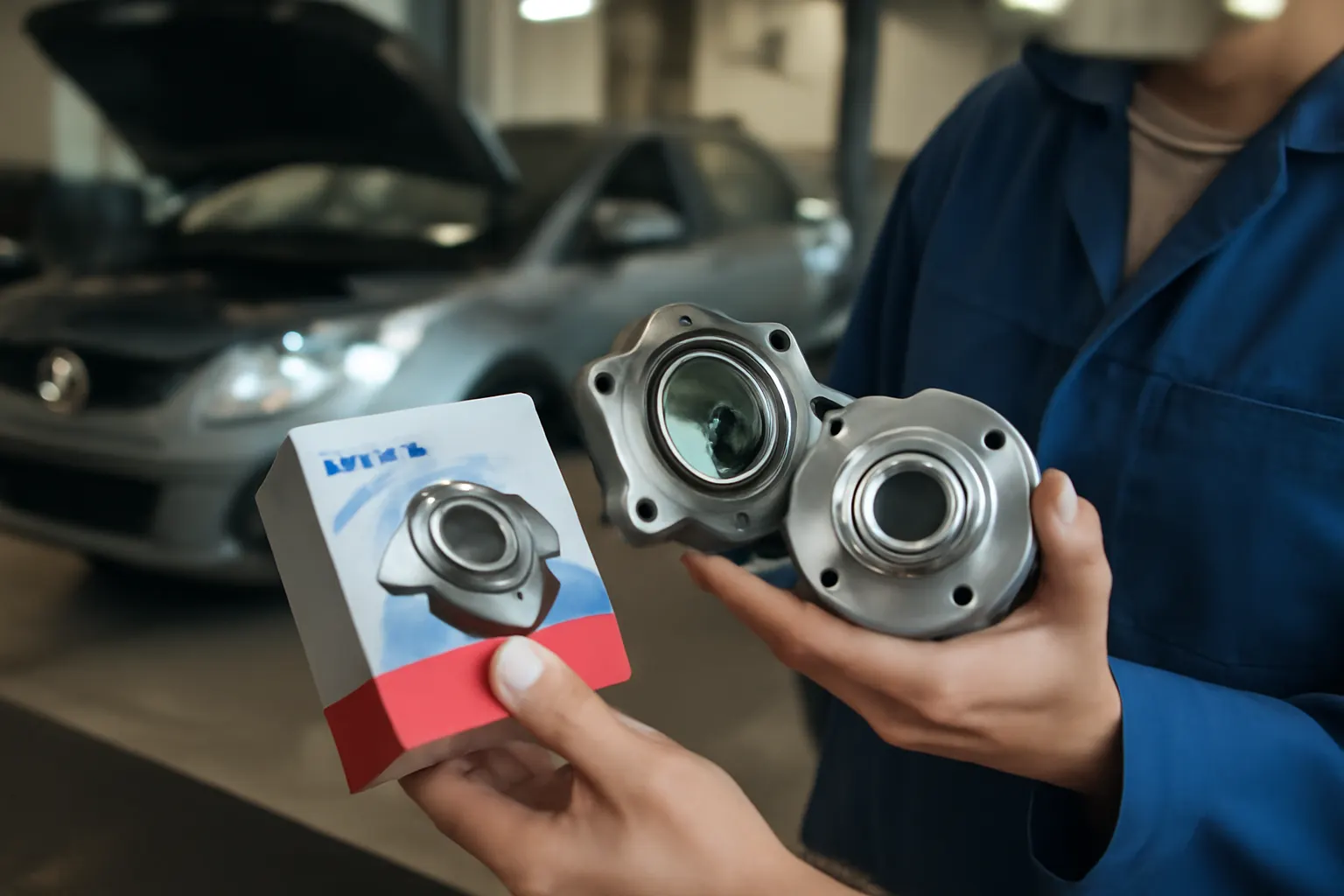
Another hidden challenge is the proliferation of counterfeit or substandard replacement parts, which can mimic or even exacerbate existing drivability problems. With the rise of online marketplaces, distinguishing genuine Suzuki parts from low-quality imitations is more critical than ever for reliable repairs and compliance with safety standards (NHTSA Equipment).
Expanding the Problem: Why Suzuki Engines Develop Drivability Issues
Suzuki engines, especially in popular models like the Swift, Vitara, SX4, and Grand Vitara, are engineered for longevity and efficiency. However, several technical and environmental factors can accelerate the onset of drivability issues:
- Design and Materials: Lightweight materials and tight engine packaging improve fuel economy (DOE Fuel Efficiency), but can lead to increased heat stress on gaskets, sensors, and wiring.
- Aging Components: Over time, rubber hoses, intake boots, and seals become brittle, leading to vacuum leaks and unmetered air intake.
- Sensor Drift: MAF and O2 sensors degrade with mileage, sending inaccurate data to the engine control unit (ECU) and triggering false codes.
- Fuel Quality: Inconsistent fuel quality or infrequent filter changes can clog injectors and strain the fuel pump.
- Aftermarket Modifications: Non-OEM air filters, sensors, and ignition parts may not meet Suzuki's original engineering standards (SAE Standards), causing compatibility or longevity issues.
Understanding these root causes is essential for accurate diagnostics and lasting repairs.
Suzuki Engine Fault Codes: A Closer Look
Suzuki OBD-II codes follow the standardized SAE J2012 format. Here’s a breakdown of the most common engine-related codes, their likely causes, and diagnostic priorities:
| Fault Code | Common Cause(s) | Diagnostic Focus |
|---|---|---|
| P0300–P0304 | Ignition coil, spark plug, injector | Inspect ignition and fuel delivery |
| P0171 | Intake leak, MAF sensor, low fuel press | Check intake, sensor, fuel system |
| P0420 | Catalytic converter, O2 sensor | Test exhaust and emissions system |
| P0113 | IAT sensor, wiring, connector | Test sensor and harness |
| P0134 | O2 sensor, wiring, ECU | Inspect sensor and signal circuit |
| P0128 | Thermostat stuck open, coolant sensor | Test thermostat, sensor |
| P0401 | EGR valve, passages, vacuum supply | Clean/test EGR system |
Diagnostic Tip: Always clear codes after each test/repair cycle and verify if the code returns before replacing expensive parts.
Step-by-Step Suzuki Engine Diagnostic Checklist
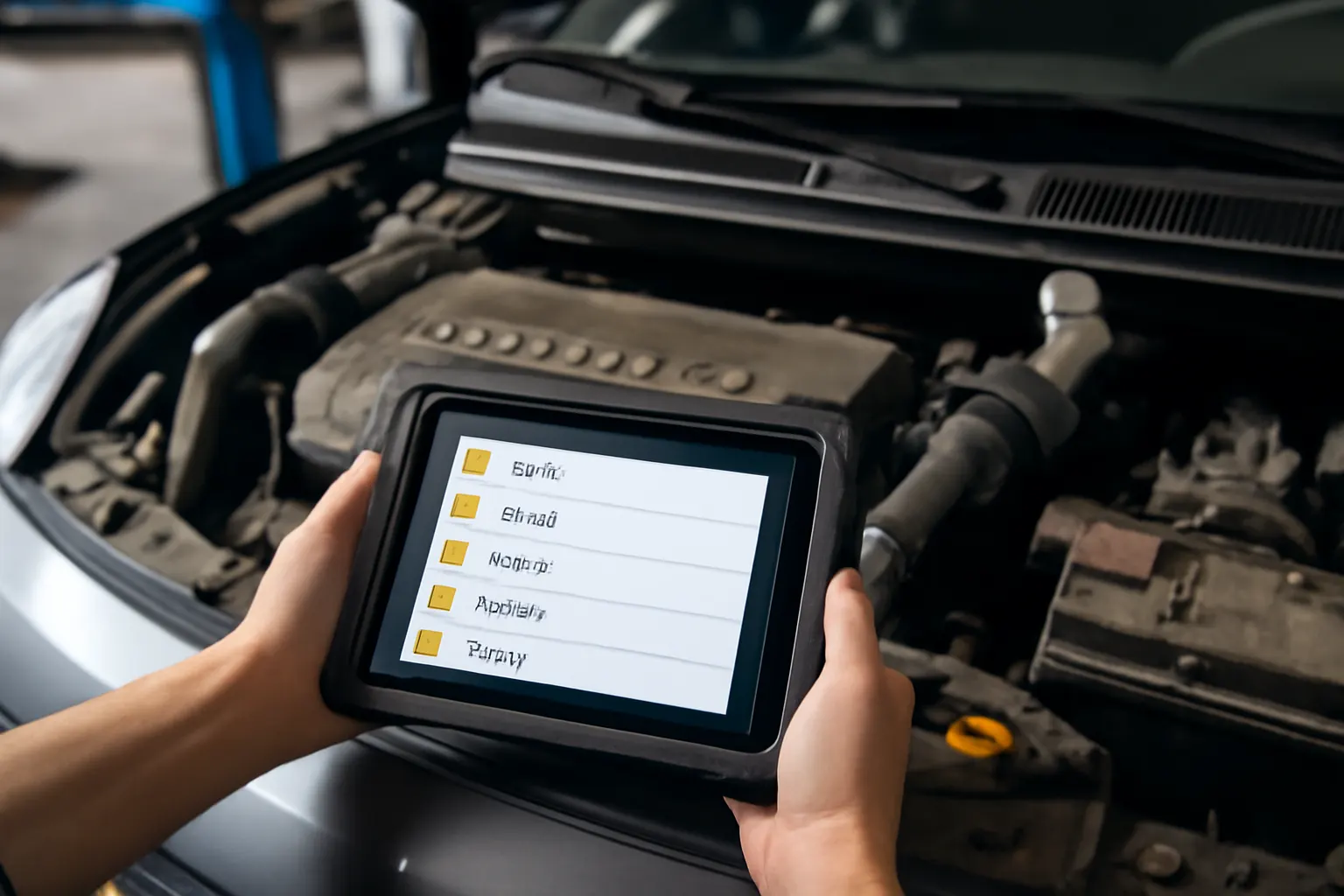
A methodical diagnostic approach prevents wasted time and unnecessary parts replacement. Use this checklist to systematically diagnose Suzuki engine drivability issues:
Suzuki Engine Drivability Diagnostic Checklist
-
Verify the Complaint
- Confirm symptoms: rough idle, hesitation, stalling, poor fuel economy, CEL illumination.
- Note any recent repairs or parts replacements.
-
Scan for OBD-II Codes
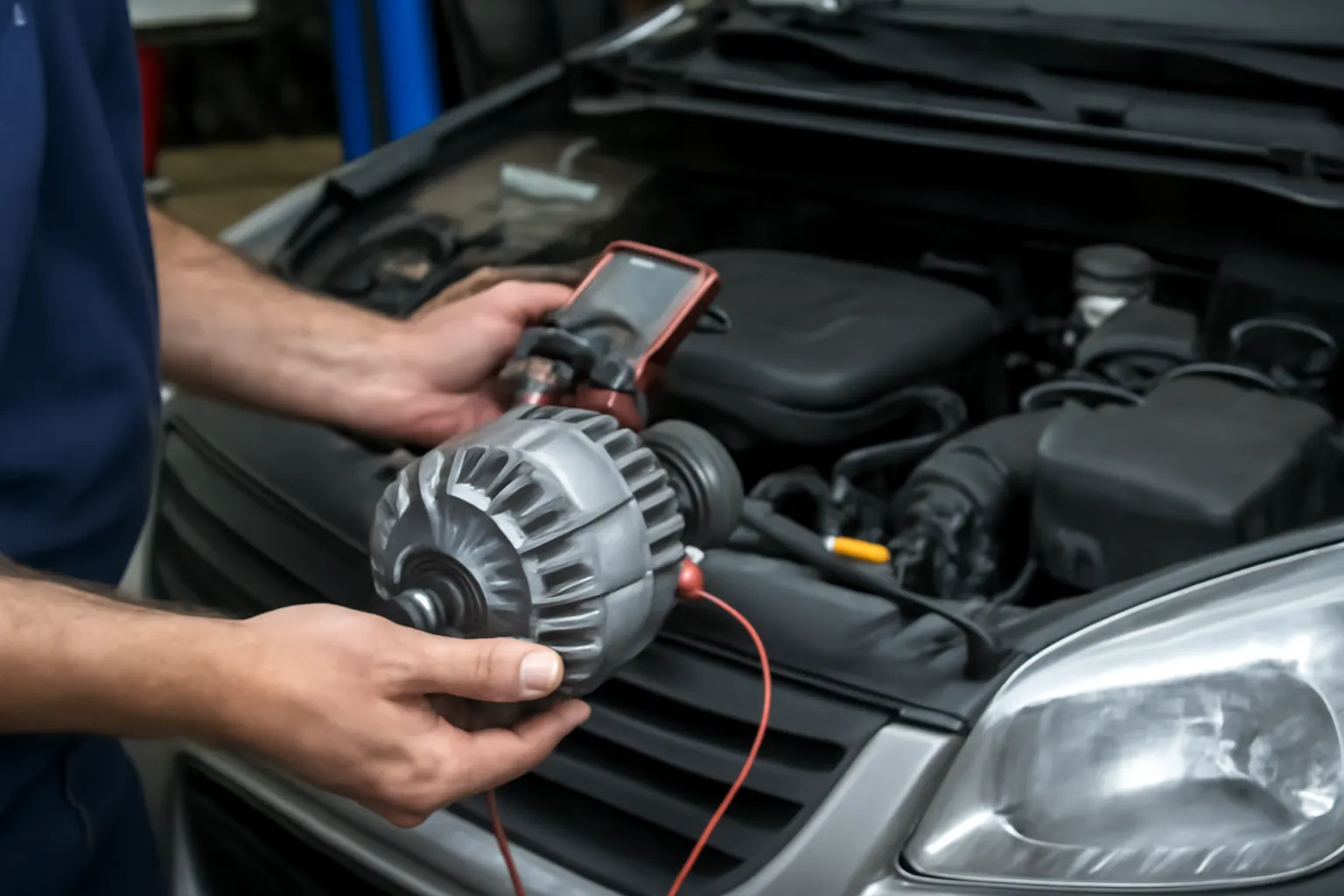
- Use a quality scanner to retrieve stored and pending codes.
- Record freeze frame data for each code.
-
Visual Inspection
- Check for loose/broken vacuum hoses, damaged wiring, and oil or coolant leaks.
- Inspect air intake ducting and filter condition.
-
Test Ignition System
- Remove and inspect spark plugs for fouling or wear.
- Test ignition coils for correct resistance and operation.
-
Evaluate Fuel System
- Check fuel pressure with a gauge.
- Inspect injectors for leaks, clogging, or poor spray pattern.
-
Sensor and Actuator Testing
- Clean and test MAF sensor using electronics-safe cleaner.
- Verify O2 sensor operation with a scan tool or voltmeter.
- Check coolant temperature sensor and thermostat operation.
-
Emissions and EGR System
- Inspect EGR valve and passages for clogging.
- Test EGR solenoids and vacuum supply.
-
Check for Software Updates/Recalls
- Consult Suzuki TSBs (technical service bulletins) and NHTSA recalls database.
-
Clear Codes and Road Test
- After each repair, clear codes and perform a drive cycle to confirm resolution.
Most Common Suzuki Engine Parts to Replace
Based on field data and typical warranty repairs, these engine components are the most frequently replaced on Suzuki models experiencing drivability complaints:
- Ignition Coils and Spark Plugs: Prone to wear and heat damage, especially in coil-on-plug systems.
- MAF Sensors: Sensitive to contamination and degrade over time.
- O2 Sensors: Wear out after 80,000–100,000 miles, causing fuel trim and emissions issues.
- Thermostats and Coolant Temperature Sensors: Failure leads to poor warm-up and fuel economy.
- Intake Manifold Gaskets and Hoses: Common sources of vacuum leaks.
- EGR Valves: Clog with carbon, especially if the vehicle is used for short trips.
Choosing high-quality, OEM-spec parts is essential for reliable repairs—see Identifying Genuine Suzuki Parts for sourcing guidance.
Technical Deep Dive: How Suzuki Engine Management Works
Suzuki’s engine management systems use a combination of sensors, actuators, and the ECU to precisely control fuel delivery, ignition timing, and emissions. Key components include:
- MAF Sensor: Measures incoming air mass for accurate fuel injection.
- O2 Sensors (Pre- and Post-Catalyst): Monitor exhaust oxygen content for fuel trim and catalyst efficiency.
- Coolant Temperature Sensor: Signals engine temperature for cold start enrichment and fan control.
- Throttle Position Sensor (TPS): Tracks throttle angle for load calculation.
- EGR Valve: Recirculates a portion of exhaust gases to reduce NOx emissions.
When any sensor sends data outside its expected range, the ECU sets a code and may enter a failsafe mode. Understanding the interplay between these systems is critical for effective diagnostics.
Advanced Troubleshooting: Intermittent and Complex Faults
Some Suzuki engine faults occur only intermittently, such as random misfires or occasional lean/rich codes. These can be the hardest to diagnose and often require:
- Wiggle Testing: Manipulate harnesses and connectors while monitoring live data for dropouts.
- Thermal Testing: Heat or cool suspect sensors/components to induce faults.
- Oscilloscope Analysis: Check for signal integrity and noise on sensor lines.
- Smoke Testing: Introduce smoke into the intake to reveal hidden vacuum leaks.
Documenting symptoms, codes, and test results in detail will accelerate the diagnostic process.
Preventive Maintenance to Reduce Engine Faults
Routine maintenance is the best defense against engine-related drivability issues. Suzuki recommends:
- Spark Plug Replacement: Every 30,000–60,000 miles, depending on model.
- Air Filter Replacement: Every 15,000–30,000 miles.
- Fuel Filter Replacement: Every 30,000–60,000 miles.
- Coolant Flush: Every 60,000 miles.
- PCV Valve Service: Every 30,000 miles.
Adhering to these intervals, detailed in the Suzuki Maintenance Intervals Explained, helps prevent common codes and costly repairs.
Sourcing Genuine Suzuki Engine Parts
Using genuine or high-quality aftermarket parts is essential for restoring factory performance and reliability. Here’s how to ensure proper fitment:
- VIN-Based Lookup: Always use the full 17-digit VIN to verify part compatibility.
- Cross-Reference OE Numbers: Match part numbers with Suzuki’s official database or trusted catalogs.
- Beware of Counterfeits: Avoid suspiciously low-priced components and check for manufacturer markings.
- Purchase from Reputable Sources: Use authorized Suzuki dealers or trusted online retailers, such as those linked from Suzuki Auto Parts: Genuine OEM, Engineering Insights & Fitment Guide.
If in doubt, consult the Suzuki Model Fitment Guide for model-specific part selection.
Installation Best Practices for Suzuki Engine Components
Proper installation is just as important as sourcing the right parts. Follow these best practices:
- Torque Specifications: Always use a torque wrench and Suzuki’s specified values, especially for spark plugs and sensors.
- Connector Care: Clean electrical connectors with contact cleaner and ensure tight, corrosion-free connections.
- Gasket Surfaces: Thoroughly clean mating surfaces and use new gaskets or O-rings as required.
- Sensor Calibration: Some sensors (such as the MAF) may require ECU adaptation or reset procedures after installation.
- Double-Check Routing: Ensure hoses and harnesses are routed away from hot or moving parts to prevent premature failure.
When to Seek Professional Help
Some engine faults, such as persistent low compression, repeated ECU failures, or complex electrical issues, may require advanced diagnostic equipment and Suzuki-specific expertise. If you encounter:
- No-Start Conditions: After basic checks, deeper investigation may be needed.
- Repeated Parts Failures: Indicates underlying issues like voltage spikes or mechanical damage.
- Multiple Interacting Codes: Suggests ECU or harness problems.
Professional shops have access to factory diagnostic tools, technical service bulletins, and recall information (NHTSA Equipment), which can save time and money.
AutoPartEx: Your Partner in Reliable Suzuki Engine Repairs
AutoPartEx is committed to simplifying Suzuki engine diagnostics and repairs. Our curated catalogs, technical guides, and fitment resources ensure you get the right parts the first time—backed by engineering insights and compliance with the latest SAE Standards. Whether you’re a DIY enthusiast or a professional technician, trust AutoPartEx for:
- Verified fitment for every Suzuki model
- Only genuine or OE-equivalent parts
- Step-by-step diagnostic and installation guides
- Direct access to Suzuki technical resources
Explore all available options in the Suzuki Auto Parts: Genuine OEM, Engineering Insights & Fitment Guide and tackle your next engine repair with confidence.