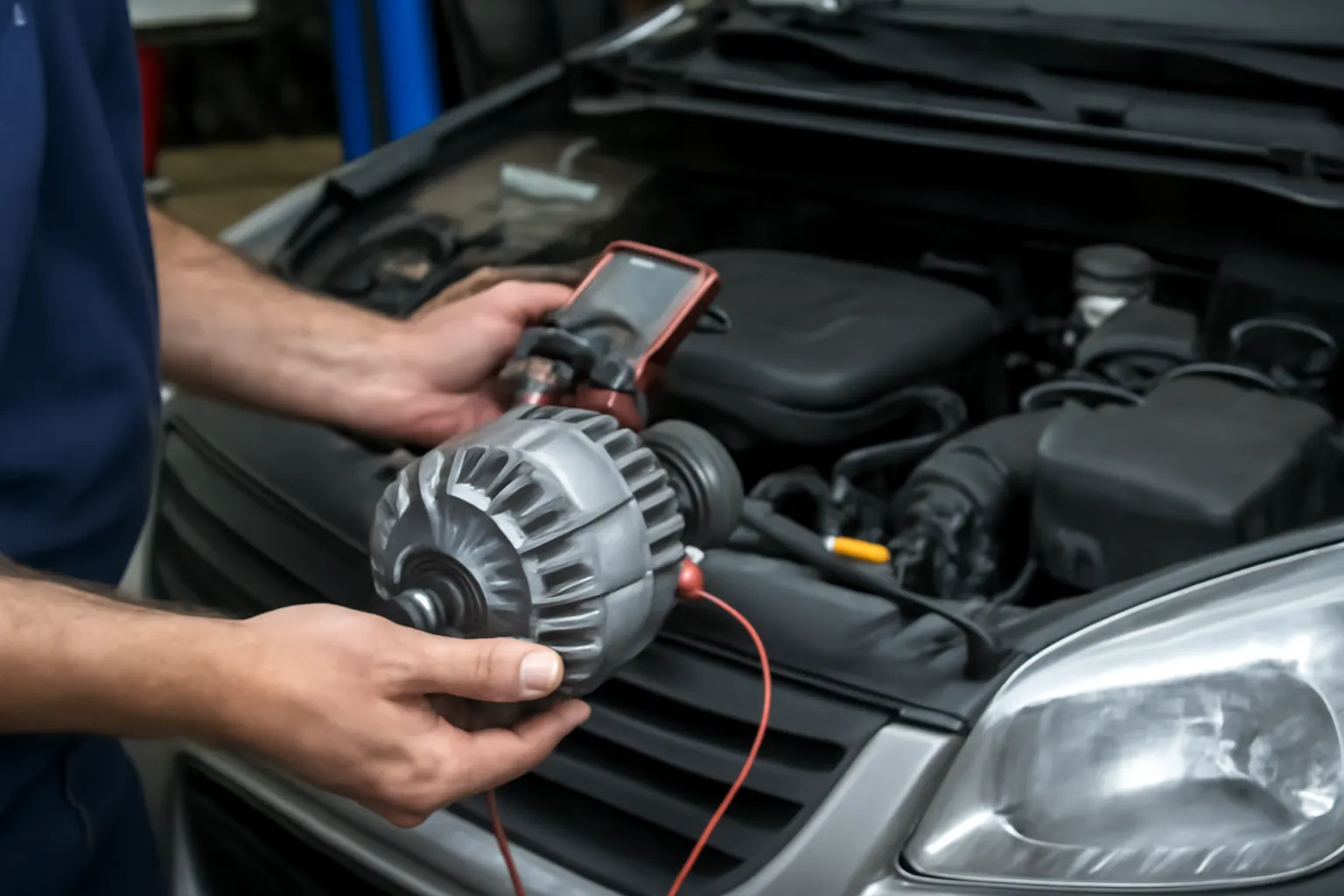
Identifying Genuine Suzuki Parts
When maintaining or repairing your Suzuki, using genuine parts is essential for safety, performance, and longevity. But with counterfeit and substandard components increasingly common in the automotive aftermarket, how can you be certain you’re getting authentic Suzuki parts? This comprehensive guide from the AutoPartEx Technical Editorial Team walks you through the diagnostic steps, packaging clues, supplier verification, and technical standards you need to confidently identify genuine Suzuki components—before you buy or install them. For a broader look at Suzuki engineering and fitment, see our Suzuki Auto Parts: Genuine OEM, Engineering Insights & Fitment Guide.
Why Genuine Suzuki Parts Matter Immediately
Genuine Suzuki parts are engineered and tested to exacting standards for safety, reliability, and performance. Using authentic components ensures:
- Optimal fit and function: OEM parts are made to Suzuki’s precise specifications, guaranteeing compatibility and proper operation.
- Safety compliance: Genuine parts meet all necessary federal safety requirements, reducing the risk of malfunction or accident (NHTSA Equipment).
- Preserved fuel efficiency and emissions: Authentic components maintain your vehicle’s designed efficiency, as outlined by the U.S. Department of Energy.
- Warranty and resale value: Non-genuine parts can jeopardize warranty coverage and lower your Suzuki’s resale value.
By contrast, counterfeit or substandard parts can be visually deceptive but may compromise your vehicle’s safety, reliability, and long-term cost of ownership.
The Hidden Problem: Counterfeit and Substandard Suzuki Parts
Counterfeit automotive parts have flooded the global market, with Suzuki vehicles being a frequent target due to their popularity and global footprint. These unauthorized components often mimic the appearance of genuine parts but fail to meet Suzuki’s engineering, material, and safety standards.
Key risks of counterfeit parts include:
- Structural failure: Inferior materials and poor manufacturing can lead to premature wear, breakage, or catastrophic failure.
- Safety hazards: Fake brake pads, airbags, or suspension parts have been linked to severe accidents (NHTSA Equipment).
- Legal and insurance issues: Use of non-genuine parts can void insurance claims or run afoul of regulations.
- Long-term costs: Shorter service life and potential collateral damage to other components increase total cost of ownership.
Counterfeiters have become adept at replicating packaging and branding, making it challenging for even experienced technicians and owners to distinguish genuine Suzuki parts from fakes.
Expanding the Problem: How Counterfeits Enter the Supply Chain
Counterfeit Suzuki parts often infiltrate the market through:
- Unverified online sellers: Marketplaces and auction sites with insufficient vetting.
- Gray market imports: Components not sourced through Suzuki’s authorized channels.
- Deceptive packaging: Use of Suzuki logos, part numbers, and holograms that closely mimic authentic labeling.
- Bulk discount offers: Prices significantly lower than market average, especially for “OEM equivalent” or “pattern” parts.
Even reputable-looking websites or local shops can unknowingly (or knowingly) sell counterfeit or substandard items. This makes it critical for Suzuki owners and technicians to verify both the part and the supplier every time.
Immediate Diagnostic: Visual and Physical Inspection Checklist
Before purchasing or installing any Suzuki component, use this checklist to assess authenticity:
| Inspection Point | Genuine Suzuki Part | Counterfeit/Non-Genuine Signs |
|---|---|---|
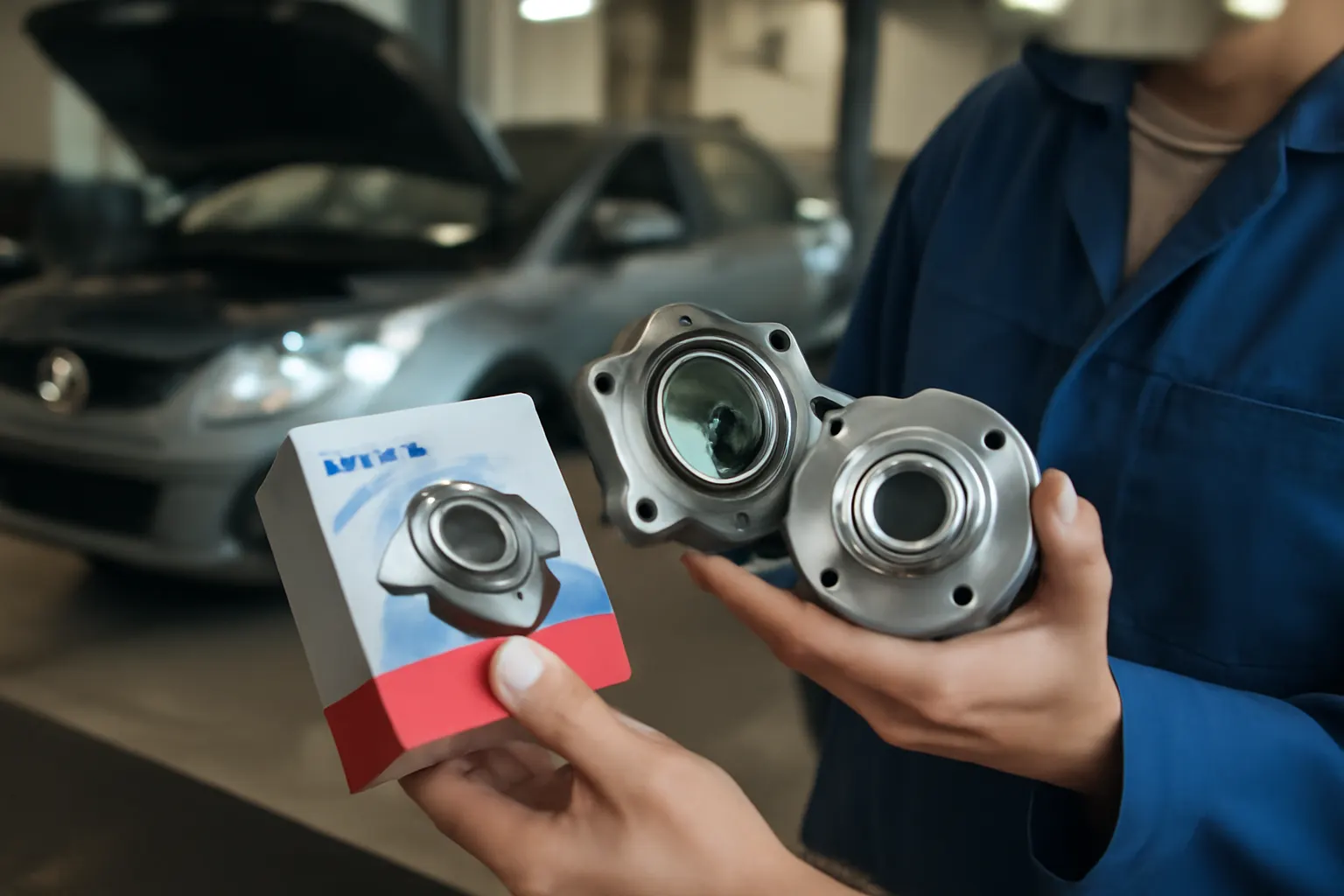
| Packaging | Crisp printing, correct Suzuki logo, part number, barcode, and security hologram. | Blurry print, misspelled words, missing security features, generic boxes. |
| Part Number | Matches Suzuki catalog; consistent font and placement. | Extra digits, unusual prefixes/suffixes, inconsistent location. |
| Material Quality | Uniform finish, no casting defects, robust feel. | Porous metal, rough edges, inconsistent color/weight. |
| Labeling/Stamping | Clear Suzuki logo and part number; no spelling errors. | Misspelled brand, missing or smeared markings. |
| Documentation | Includes Suzuki or authorized distributor warranty and installation instructions. | No paperwork, or low-quality photocopies. |
| Price | In line with dealer or trusted supplier pricing. | Significantly below market average. |
Tip: Reference the official Suzuki parts catalog or cross-check with dealership images when in doubt. If you’re unsure, consult the fitment and engineering guides, such as our Suzuki Model Fitment Guide.
Decoding Suzuki Packaging: What to Look For
Suzuki invests in secure packaging to protect its brand and customers. Here’s how to decode genuine Suzuki packaging:
1. Security Holograms and Seals
- Holographic stickers: Modern Suzuki parts often feature a tamper-evident hologram with shifting colors and microtext.
- Seals: Many packages use security tape with the Suzuki logo that shows evidence of removal or tampering.
2. Barcodes and QR Codes
- Scannable barcodes: Genuine parts carry a barcode or QR code that matches Suzuki’s internal inventory system.
- Verification: Some QR codes can be scanned with Suzuki’s official app or checked via the distributor’s website.
3. Part Number and Label Consistency
- Catalog match: The part number should exactly match Suzuki’s official catalog, with no extra digits or misspellings.
- Font and placement: Suzuki uses consistent fonts and label placement; deviations are a red flag.
4. Packaging Quality
- Material: Boxes are sturdy, with high-quality printing and crisp colors.
- Printing: Look for clear Suzuki branding, multilingual instructions, and country-of-origin labeling.
Verifying Supplier Authenticity
A genuine part is only as trustworthy as its source. Here’s how to vet suppliers:
1. Authorized Dealer or Distributor Status
- Check Suzuki’s official website: Look for a list of authorized dealers and distributors in your region.
- Contact Suzuki customer service: Confirm the supplier’s credentials directly if in doubt.
2. Online Marketplace Cautions
- Beware of third-party sellers: Marketplaces like eBay or Amazon may host unauthorized resellers.
- Review seller ratings: Look for a long history of positive reviews specifically for Suzuki parts.
- Return and warranty policy: Genuine suppliers offer robust return and warranty options.
3. Local Auto Parts Stores
- Dealer partnerships: Many reputable stores source directly from Suzuki or authorized wholesalers.
- Ask for documentation: Request proof of supplier authorization if you have concerns.
4. Invoices and Paperwork
- Official invoices: Genuine suppliers provide detailed invoices with correct Suzuki part numbers and supplier information.
- Warranty documentation: OEM parts come with Suzuki-backed warranties.
Cross-Referencing Suzuki Part Numbers
Suzuki part numbers follow a specific format, often comprised of a combination of letters and numbers. Here’s how to use them for verification:
- Official Suzuki parts catalog: Always cross-check the part number against the official Suzuki catalog, either online or at a dealership.
- Third-party fitment guides: Use reputable fitment guides—such as the Suzuki Model Fitment Guide—to confirm compatibility.
- Avoid “universal” labeling: Genuine Suzuki parts are rarely labeled as “universal fit.” Be wary of such claims.
Tip: If a part number cannot be found in official sources, it’s likely not authentic.
Engineering Standards: SAE and NHTSA Compliance
Suzuki designs its parts to meet or exceed international engineering and safety standards. When sourcing parts, ensure they comply with:
- SAE Standards: The Society of Automotive Engineers (SAE) sets benchmarks for material quality, fitment, and testing (SAE Standards).
- NHTSA Equipment Regulations: The National Highway Traffic Safety Administration (NHTSA) mandates federal safety compliance for critical components (NHTSA Equipment).
- OEM markings: Genuine Suzuki parts are often marked with certification numbers or compliance logos.
Counterfeit or “pattern” parts may lack these certifications, putting your vehicle at risk.
Common Suzuki Parts Frequently Counterfeited
Certain high-demand Suzuki components are more likely to be counterfeited. Pay extra attention when sourcing:
1. Brake Components
- Pads, rotors, drums, and calipers are safety-critical and a frequent counterfeit target.
- Risks: Fake brake parts may use inferior friction material, leading to poor stopping power or premature failure.
2. Filters (Oil, Air, Fuel)
- Counterfeit filters often use substandard filtering media, risking engine damage and reduced efficiency.
- Indicators: Misspelled labeling, poor fit, and lack of Suzuki branding.
3. Electrical Sensors
- Oxygen sensors, MAF sensors, and ignition coils are commonly copied.
- Risks: Unreliable readings, check engine lights, and potential engine damage.
4. Suspension and Steering Components
- Ball joints, bushings, tie rods, and struts are safety-critical and require precise engineering.
- Counterfeit signs: Excessive play, poor finish, and lack of part number stamping.
5. Body and Lighting Parts
- Headlights, taillights, and bumpers are often replicated. Genuine parts meet crash safety and lighting pattern standards.
Technical Differences: Genuine vs. Counterfeit Suzuki Components
Understanding the technical distinctions is vital for accurate identification:
1. Material Composition
- Genuine parts: Use specified alloys, polymers, or composites tested for durability and thermal performance (DOE Materials Technologies).
- Counterfeit parts: Often substitute cheaper, weaker materials, leading to premature wear or failure.
2. Manufacturing Precision
- OEM components: Manufactured to tight tolerances using advanced machining, casting, or molding processes.
- Fakes: May feature inconsistent dimensions, excessive flash, or rough surfaces.
3. Testing and Quality Assurance
- Suzuki parts: Undergo rigorous bench and field testing for fatigue, corrosion, and safety compliance.
- Counterfeit parts: Rarely tested, resulting in unpredictable performance.
Buying Guidance: Sourcing Genuine Suzuki Parts
When shopping for Suzuki parts, follow these best practices:
1. Prioritize Authorized Channels
- Dealerships: Always offer genuine, cataloged Suzuki parts with warranty.
- OEM-certified retailers: Look for stores with direct Suzuki supply agreements.
2. Scrutinize Online Offers
- Price check: If the price is “too good to be true,” it probably is.
- Detailed listings: Genuine suppliers provide clear photos, part numbers, and compatibility details.
3. Request Documentation
- Ask for documentation: Genuine parts come with Suzuki warranty, installation instructions, and supplier info.
4. Use Trusted Fitment Tools
- Online fitment guides: Tools like our Suzuki Model Fitment Guide help you confirm part compatibility before purchase.
Installation and Post-Purchase Verification
After acquiring your Suzuki part, take these steps before and after installation:
Pre-Installation
- Compare old and new parts: Dimensions, markings, and material quality should match.
- Check for documentation: Ensure the part includes Suzuki warranty and installation instructions.
During Installation
- Fitment: Genuine parts should install without forcing or modification.
- Connector and fastener alignment: Holes and tabs should line up precisely.
Post-Installation
- Performance check: Monitor for unusual noises, warning lights, or performance changes.
- Keep receipts and packaging: In case of warranty claims or future verification needs.
Maintenance and Long-Term Reliability
Maintaining your Suzuki with genuine parts ensures:
- Consistent performance: Engine, transmission, and chassis components last as designed.
- Safety: Brake, suspension, and steering systems retain their engineered safety margins.
- Fuel efficiency: Authentic components preserve optimal combustion and drivetrain operation (DOE Fuel Efficiency).
Tip: Adhere to Suzuki’s recommended maintenance intervals. For guidance, see our Suzuki Maintenance Intervals Explained.
What to Do If You Suspect a Counterfeit Part
If you suspect a part is counterfeit:
- Do not install the part.
- Contact the seller: Request clarification and supporting documentation.
- Report to Suzuki: Use Suzuki’s official channels to report suspected counterfeit items.
- Notify authorities: Report to the NHTSA if the part affects safety (NHTSA Recalls).
- Seek replacement: Only use verified genuine parts for critical repairs.
Retain all packaging, receipts, and correspondence for investigation.
AutoPartEx: Your Partner in Genuine Suzuki Parts
At AutoPartEx, we are committed to supporting Suzuki owners, technicians, and enthusiasts with the most accurate, practical, and up-to-date parts information. Our editorial team leverages verified technical standards, fitment data, and supplier vetting to help you avoid costly mistakes and ensure your Suzuki remains reliable and safe. For a full range of engineering insights, fitment tools, and genuine parts sourcing, visit our Suzuki Auto Parts: Genuine OEM, Engineering Insights & Fitment Guide.