Advertisement
SterlingRover vehicles are renowned for their heritage engineering, robust build, and distinctive British styling. Yet, like any complex machine, they require attentive maintenance to ensure continued performance, safety, and value. This guide delivers a thorough breakdown of SterlingRover’s most common service needs—from suspension quirks to powertrain and electronics—paired with practical diagnostic tips and expert solutions. Whether you’re a DIY enthusiast, a professional technician, or a SterlingRover owner keen to preserve your vehicle’s legacy, this reference will help you spot early warning signs, avoid costly mistakes, and sidestep the pitfalls of non-OEM parts. For a comprehensive catalog of certified parts and technical fitment data, see the SterlingRover OEM Parts: Heritage, Fitment, and Engineering Reference | AutoPartEx page.
Immediate Answers: What Are the Most Common SterlingRover Maintenance Issues?
SterlingRover vehicles, especially those from legacy and transitional model years, most frequently require attention in the following areas:
- Suspension System Wear: Bushing deterioration, air suspension leaks, and control arm fatigue.
- Electrical System Faults: Malfunctioning body control modules, sensor failures, and wiring harness corrosion.
- Powertrain Concerns: Oil leaks, timing chain stretch, and transmission fluid breakdown.
- Cooling System Issues: Radiator and hose aging, water pump failures, and thermostat sticking.
- Brake System Wear: Premature pad and rotor wear, ABS sensor faults.
- Fuel System Performance: Fuel pump and injector issues impacting efficiency and drivability.
Early detection and prompt intervention in these systems can extend vehicle life, prevent breakdowns, and ensure safety compliance as outlined by the National Highway Traffic Safety Administration (NHTSA).
The Hidden Problem: Why SterlingRover Maintenance Is Uniquely Challenging
SterlingRover’s engineering heritage brings with it a blend of advanced technology and legacy mechanical systems. This duality creates unique maintenance challenges:
- Parts Compatibility: Not all aftermarket or pattern parts meet SterlingRover’s original engineering standards. Non-OEM bushings, sensors, and modules can introduce fitment and reliability problems.
- Complex Diagnostics: Modern SterlingRover models integrate multiplexed electrical systems, making fault tracing and module programming more complex than on simpler vehicles.
- Counterfeit and Substandard Parts: The classic appeal of SterlingRover has led to a proliferation of counterfeit or low-quality replacement parts in the market, increasing the risk of premature failures and safety hazards.
These factors demand a disciplined approach to diagnostics, part selection, and installation to maintain vehicle integrity and compliance with SAE International Standards.
Suspension System Weak Points and Solutions
Symptoms and Early Detection
SterlingRover suspension systems, particularly those equipped with air suspension, are prone to specific failure modes:
- Clunking, knocking, or creaking noises over bumps or during steering.
- Uneven ride height or vehicle sagging after parking.
- Dashboard suspension warnings or error messages.
- Increased tire wear on inner or outer edges.
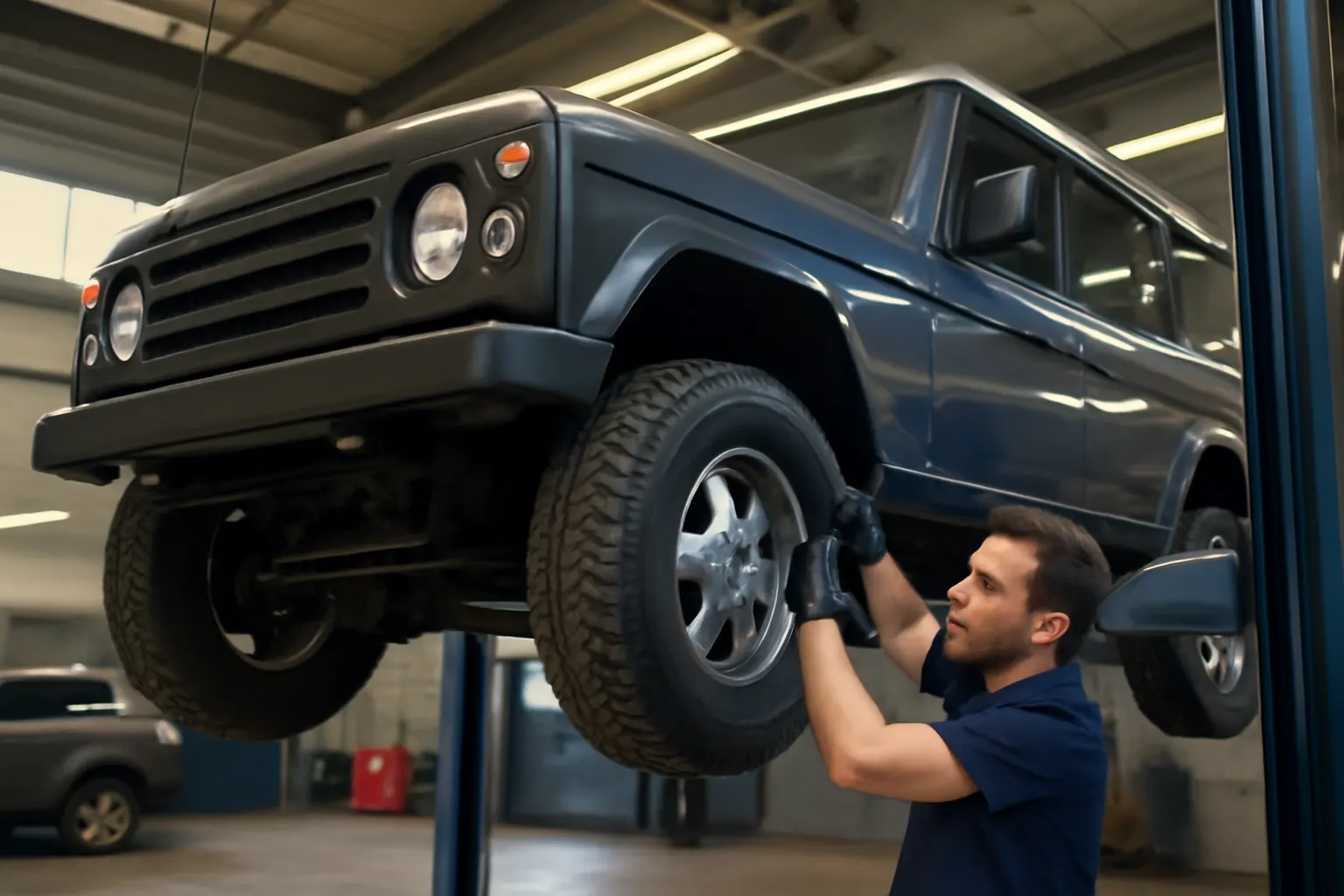
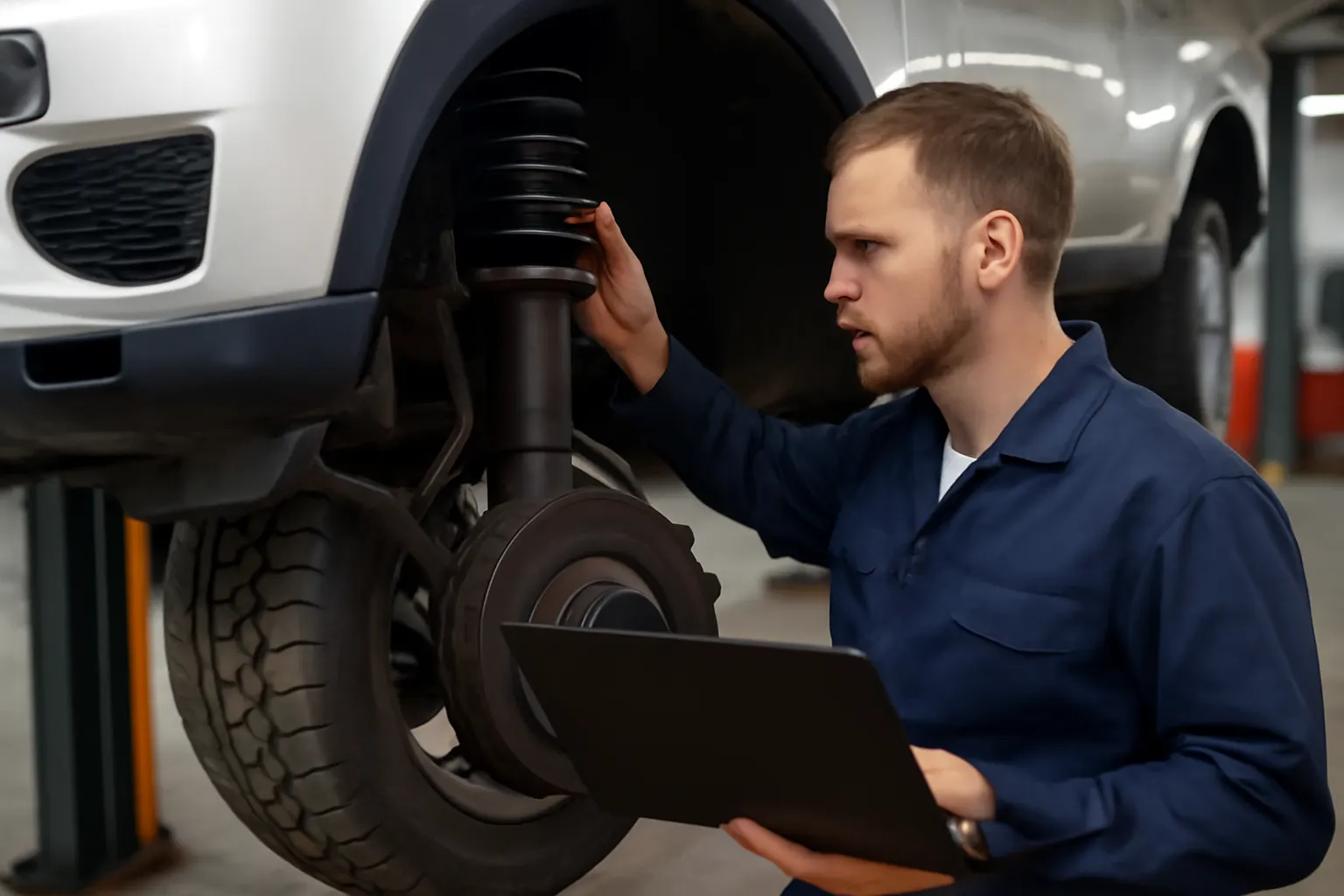
Routine inspection of bushings, ball joints, control arms, and air struts is essential. Look for visible cracks in rubber, oil residue on shocks, or hissing sounds near air lines.
Technical Causes
- Bushing Degradation: Exposure to road salts, heat, and ozone causes rubber bushings to harden and crack.
- Air Suspension Leaks: Age and debris can puncture air bladders or dry out seals.
- Control Arm Fatigue: Heavy curb impacts or high-mileage use can deform alloy arms, causing alignment drift.
Solutions
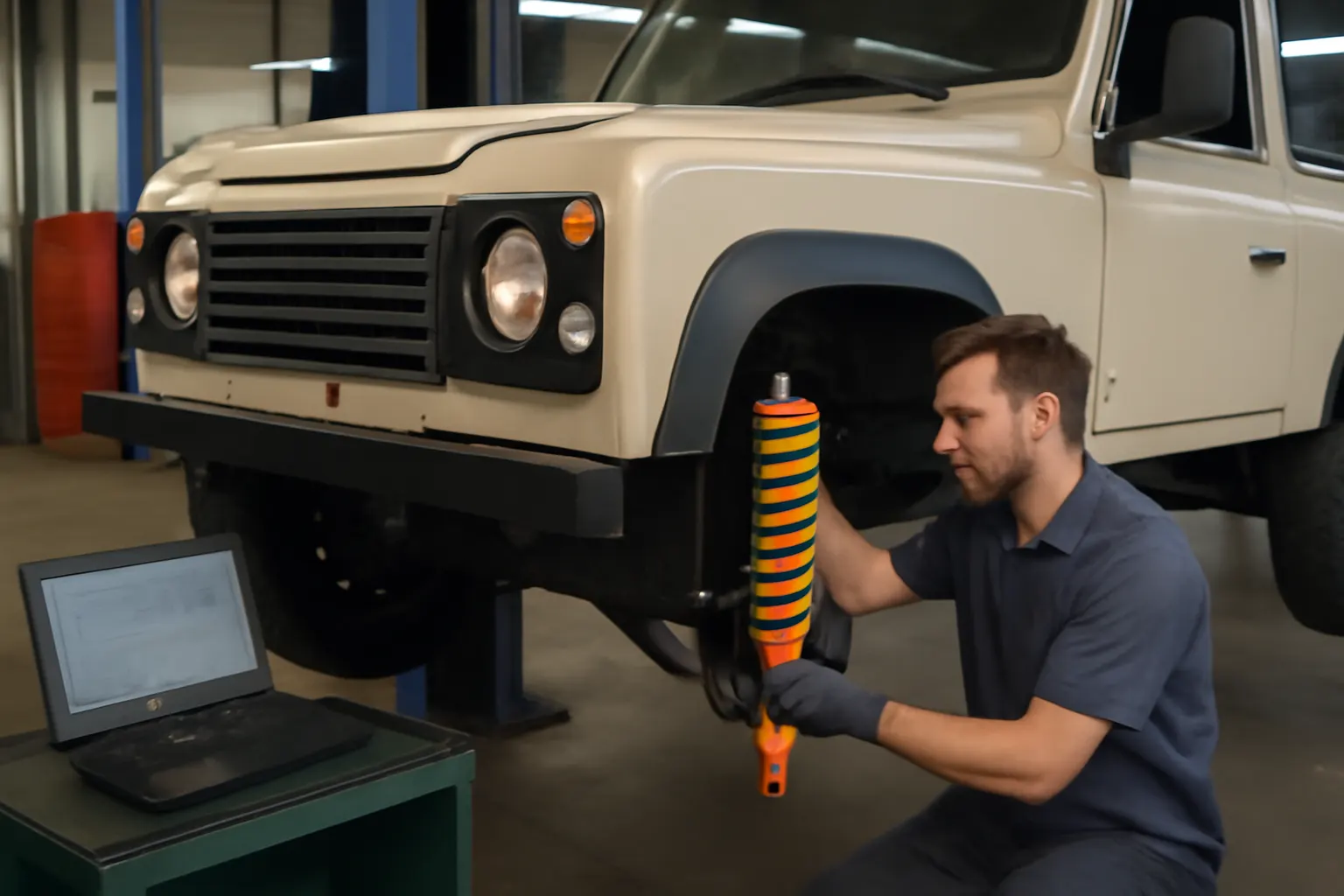
- Always specify OEM or SAE-compliant replacement parts for bushings and air struts.
- Use a soapy water spray to detect air leaks in suspension components.
- Replace both sides of an axle or corner together to maintain ride balance and safety.
For model-specific part numbers and fitment charts, consult the SterlingRover Fitment Guide: Model-Specific OEM Parts.
Electrical System Faults: Diagnosis and Prevention
Common Electrical Issues
SterlingRover’s complex electrical architecture can manifest issues such as:
- Random warning lights (ABS, airbag, traction control).
- Non-functional windows, locks, or mirrors.
- Intermittent starting or stalling.
- Corroded connectors in the engine bay or under the carpet.
Advertisement
Underlying Causes
- Moisture Intrusion: British weather and poor drainage can allow water into fuse boxes or connectors.
- Wiring Harness Fatigue: Repeated flexing, especially in tailgates and doors, can break wires internally.
- Module Failures: Body control modules (BCMs) and engine control units (ECUs) are sensitive to voltage spikes and poor grounds.
Diagnostic Approach
- Use a scan tool capable of reading manufacturer-specific codes.
- Perform a voltage drop test on main ground connections.
- Inspect connector pins for green or white corrosion, especially near footwells.
Solutions
- Clean and protect connectors with dielectric grease.
- Replace failed modules only with OEM or manufacturer-approved re-manufactured units.
- Verify that any battery replacements or jump starts are performed with surge-protected equipment.
Powertrain: Engine and Transmission Issues
Typical Symptoms
- Oil spots under the vehicle, especially after overnight parking.
- Rattling or ticking noises at startup (potential timing chain slack).
- Rough shifts or hesitation when accelerating.
Technical Faults
- Oil Leaks: Valve cover gaskets, oil pan gaskets, and rear main seals are common leak points.
- Timing Chain Stretch: Extended oil change intervals or low oil pressure can accelerate chain wear.
- Transmission Fluid Degradation: Non-OEM fluids or skipped service intervals cause friction material breakdown.
Solutions
- Use only fluids meeting SterlingRover and SAE specifications.
- Replace timing chain tensioners and guides at the first sign of slack or noise.
- Flush transmission fluid at manufacturer-recommended intervals, and only with approved fluid types.
Cooling System Maintenance: Preventing Overheating
Warning Signs
- Temperature gauge creep above normal range.
- Coolant puddles under the radiator or near hoses.
- Heater blowing cold air even when engine is hot.
Causes and Risks
- Radiator Core Corrosion: Aluminum cores can develop pinhole leaks over time.
- Hose Aging: Rubber hoses lose elasticity, leading to bulges or splits.
- Water Pump Failure: Bearing or seal failure causes leaks or impeller wobble.
Solutions
- Inspect hoses for softness, cracks, or swelling at every oil change.
- Pressure-test the cooling system to locate hidden leaks.
- Always use OEM or manufacturer-approved coolant to avoid electrolysis and scale build-up.
Brake System: Ensuring Reliable Stopping Power
Frequent Issues
- Squealing or grinding noises when braking.
- Pulsation through the pedal (warped rotors).
- ABS warning lights or intermittent function.
Technical Background
- Pad and Rotor Wear: Heavy vehicle weight and urban driving accelerate wear.
- ABS Sensor Faults: Road debris and corrosion can damage sensors or wiring.
- Caliper Seizing: Salt and infrequent use can cause pistons to stick.
Best Practices
- Replace pads and rotors as a set, using OEM or high-quality aftermarket components.
- Clean and lubricate caliper slide pins during every brake service.
- Scan and clear ABS codes after sensor replacement.
Fuel System: Maximizing Efficiency and Reliability
Common Problems
- Hard starting or long crank times.
- Reduced fuel economy or sluggish acceleration.
- Check engine light with fuel trim or misfire codes.
Technical Causes
- Fuel Pump Wear: High mileage or contaminated fuel can cause pressure drops.
- Injector Clogging: Ethanol blends and short-trip driving promote deposits.
- Fuel Filter Restriction: Clogged filters starve the engine of fuel.
Maintenance Checklist
- Replace fuel filters at the specified interval (often every 30,000–60,000 miles).
- Use top-tier fuel and, where appropriate, periodic fuel injector cleaner.
- Test fuel pressure with a calibrated gauge if drivability issues arise.
For more on fuel efficiency and best practices, reference the Department of Energy’s Fuel Efficiency Guide.
The Pitfall of Non-OEM and Counterfeit Parts
Risks and Red Flags
- Poor Fitment: Non-genuine parts may not match SterlingRover’s unique dimensions or material specs.
- Premature Failure: Low-grade materials and substandard manufacturing lead to rapid wear or safety hazards.
- Warranty and Safety Impact: Use of non-approved parts can void manufacturer warranties and compromise safety systems.
Advertisement
Detection and Prevention Checklist
- Purchase only from reputable suppliers or authorized dealers.
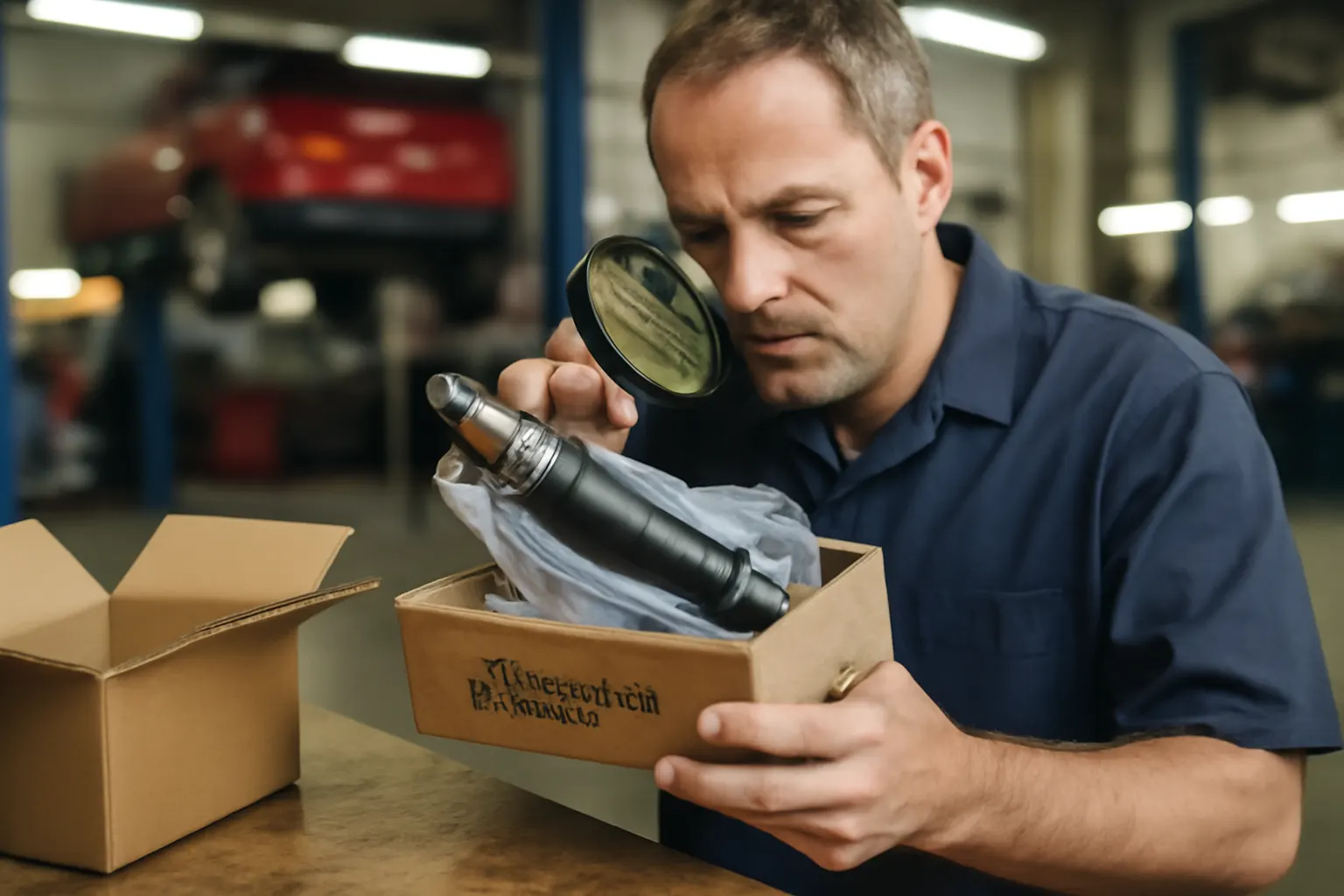
- Check for holographic labels, part numbers, and manufacturer stamps on packaging.
- Consult the SterlingRover Counterfeit Parts: Detection & Prevention guide before buying critical components.
Diagnostic Tools and Strategies for SterlingRover Owners
Essential Equipment
- OEM-Level Scan Tool: Accesses manufacturer-specific modules and codes.
- Multimeter: For voltage, continuity, and resistance checks.
- Pressure Testers: For cooling and fuel systems.
- Inspection Mirror and Light: To view hidden components.
Systematic Diagnostic Approach
- Check for stored and pending codes using a scan tool.
- Perform a thorough visual inspection of suspect areas.
- Consult wiring diagrams and service manuals for circuit tracing.
- Test suspect components off the vehicle when possible.
Maintenance Schedule: What to Inspect and When
Following a disciplined maintenance schedule is key to SterlingRover longevity. Use this checklist as a reference:
| Interval (Miles) | Task | Notes |
|---|---|---|
| 5,000 – 7,500 | Oil/filter change, tire rotation | Use OEM filters and recommended oil |
| 15,000 | Brake inspection, cabin air filter | Check pads, rotors, and sensors |
| 30,000 | Fuel filter, coolant inspection | Test coolant pH and pressure |
| 60,000 | Transmission fluid, spark plugs | Use approved fluids and gap specs |
| 90,000 | Timing chain/belt inspection | Replace tensioners if needed |
| 100,000+ | Comprehensive suspension check | Inspect bushings, arms, and struts |
Always adapt intervals based on driving conditions, climate, and vehicle age.
Sourcing Genuine SterlingRover Parts: Avoiding Pitfalls
Where to Buy
- Authorized Dealers: The safest source for genuine parts and technical support.
- Trusted Online Retailers: Look for detailed fitment data, verified reviews, and clear return policies.
- Reputable Salvage Yards: For hard-to-find legacy components, but always inspect for wear and authenticity.
What to Avoid
- Unlabeled packaging or parts with missing manufacturer marks.
- Deals that seem “too good to be true”—counterfeiters often undercut market prices.
- Sellers unwilling to provide documentation or proof of origin.
For a curated list of SterlingRover parts and fitment resources, visit the SterlingRover OEM Parts: Heritage, Fitment, and Engineering Reference | AutoPartEx.
Fitment and Engineering: Why Precision Matters
SterlingRover’s engineering legacy means that even small deviations in part design or installation can have outsized effects:
- Suspension geometry is tuned for specific bushings and arms; incorrect parts alter handling and tire wear.
- Electronic modules must match vehicle programming and communication protocols.
- Engine and drivetrain components are engineered to precise tolerances for durability and efficiency.
Consult the SterlingRover Fitment Guide: Model-Specific OEM Parts before ordering or installing any non-cosmetic part.
Safety Compliance and Recalls: Staying Informed
Regularly check your SterlingRover’s VIN for active recalls or safety campaigns. The NHTSA Recalls Database provides authoritative recall information by make, model, and year.
- Respond promptly to recall notices—repairs are often free of charge and essential for safety.
- Document all maintenance and recall work for future resale and warranty claims.
- Inspect safety-critical systems (brakes, airbags, seatbelts) at every service interval.
SterlingRover Maintenance: The AutoPartEx Advantage
SterlingRover ownership is a commitment to heritage, driving pleasure, and mechanical excellence. At AutoPartEx, we provide not just parts, but the engineering insight, fitment data, and technical support you need to keep your vehicle performing as intended. Our commitment to sourcing only genuine or manufacturer-approved components ensures your safety, reliability, and investment protection. For further reading on the marque’s evolution and engineering milestones, see SterlingRover Legacy: Engineering Evolution.
Expert Action: Your Next Steps
- Inspect your SterlingRover’s critical systems using the checklists above.
- Source only genuine or certified parts for all replacements and upgrades.
- Leverage AutoPartEx technical resources for fitment, installation, and diagnostic guidance.
- Stay current on recalls and engineering updates using NHTSA and manufacturer bulletins.
- Document your maintenance history to preserve value and ensure continued performance.
With disciplined maintenance and informed sourcing, your SterlingRover can deliver years of reliable service and driving enjoyment.
References
Advertisement