Advertisement
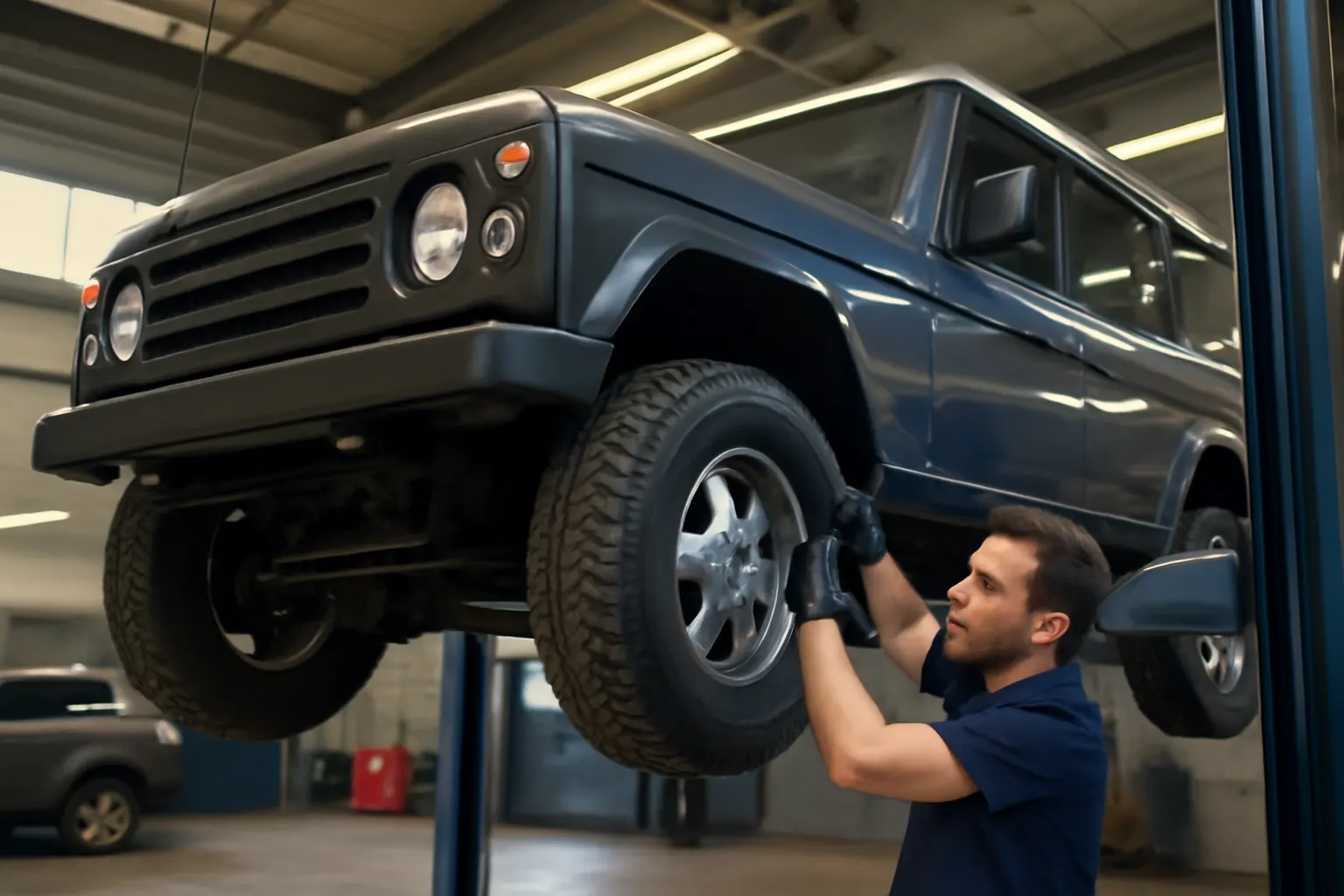
Counterfeit auto parts are a growing threat to SterlingRover owners, affecting both safety and vehicle performance. The quickest way to protect your investment is to buy only from trusted sources and to know how to spot the most commonly counterfeited SterlingRover components before installation. In this comprehensive guide, we’ll show you exactly which parts are at risk, how to identify fakes, and what steps you can take to ensure every part you install meets strict OEM or certified aftermarket standards. For a full directory of trusted SterlingRover parts, see our SterlingRover Parts Categories page.
The Immediate Answer: How to Avoid Counterfeit SterlingRover Parts
The most effective way to avoid counterfeit SterlingRover parts is to source only from authorized dealers, certified aftermarket suppliers, or reputable online platforms with transparent supply chains. Before purchasing, verify the part number, inspect packaging and branding, check for manufacturer holograms or security labels, and cross-reference with official SterlingRover documentation. If in doubt, consult your local SterlingRover service center or use VIN-based fitment tools to confirm authenticity.
The Hidden Problem: Counterfeits Are More Common Than You Think
It’s easy to underestimate the prevalence of counterfeit auto parts—until you encounter one. According to industry and regulatory sources, counterfeiters target high-turnover and high-value components, often flooding online marketplaces and independent retailers with visually convincing but functionally inferior products. The National Highway Traffic Safety Administration (NHTSA) has repeatedly flagged the safety risks posed by non-genuine parts, especially those that look nearly identical to OEM components but fail to meet critical safety or performance standards [NHTSA Equipment].
Many SterlingRover owners, especially those maintaining classic or off-road models, are at increased risk due to the demand for hard-to-find or discontinued parts. The result: even diligent DIYers and professionals may unwittingly install a fake, jeopardizing vehicle reliability, fuel efficiency, and occupant safety.
Problem Expansion: Why Counterfeit Parts Threaten Your SterlingRover
Safety and Reliability Risks
Counterfeit SterlingRover parts—especially brake components, suspension arms, air and oil filters, and electrical sensors—can fail catastrophically or degrade vehicle performance over time. Unlike genuine or certified aftermarket parts, counterfeits typically bypass standardized testing and quality control. This can lead to:
- Reduced braking force or sudden brake failure
- Substandard crash performance due to weak structural components
- Engine damage from improper filtration or lubrication
- Electrical faults from low-grade wiring or sensors
The NHTSA emphasizes that even a single substandard part can compromise an entire vehicle’s safety system [NHTSA Equipment].
Impact on Fuel Efficiency and Longevity
Counterfeit parts also negatively affect fuel efficiency and overall vehicle longevity. For example, fake oxygen sensors, fuel injectors, or engine management components can cause improper air-fuel mixtures, leading to increased fuel consumption, higher emissions, and premature engine wear [DOE Fuel Efficiency].
Which SterlingRover Parts Are Most Commonly Counterfeited?
Counterfeiters focus on high-demand, high-margin, and easily replicated parts. For SterlingRover, the most commonly targeted components include:
1. Brake Pads and Rotors
These are critical for safety and are frequently counterfeited due to their predictable replacement intervals and relatively simple appearance.
2. Oil and Air Filters
Counterfeit filters may look identical externally but use inferior materials that fail to trap contaminants or collapse under pressure.
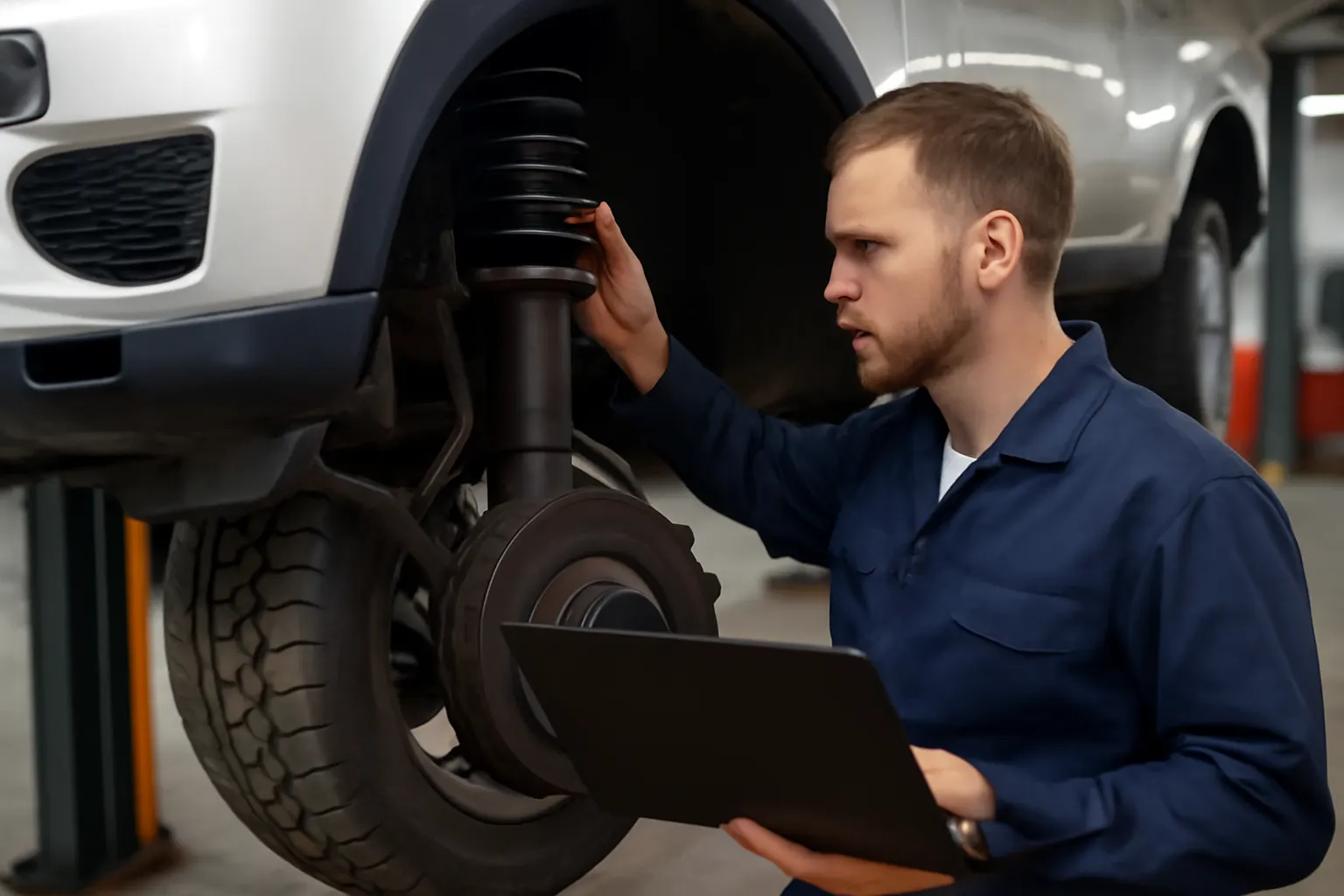
3. Suspension Components
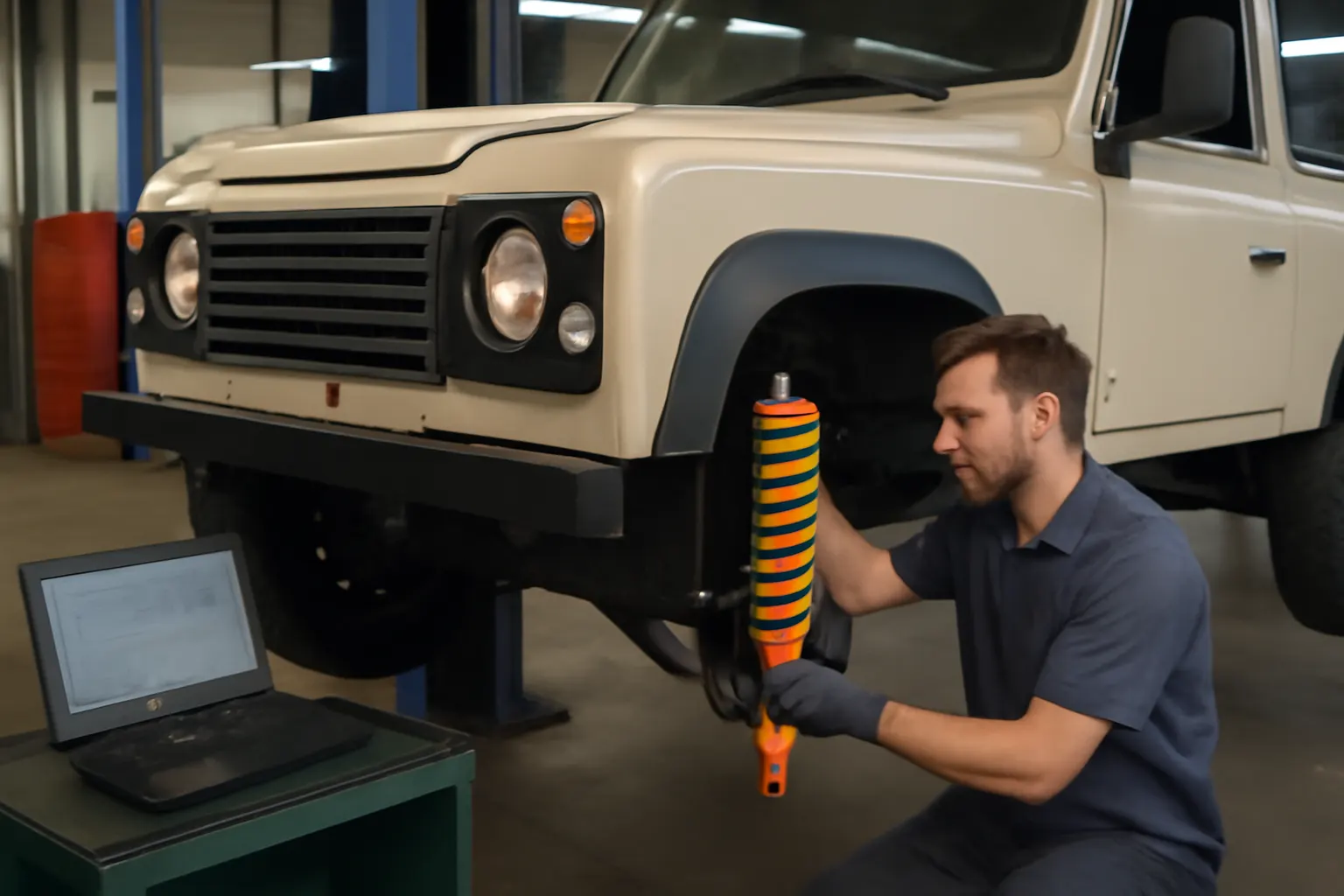
Control arms, bushings, ball joints, and shock absorbers are often faked, leading to handling issues and increased wear on other suspension parts.
Advertisement
4. Electrical Sensors
Oxygen sensors, MAF sensors, and ABS sensors are popular targets. Fakes may lack proper calibration or use subpar materials.
5. Lighting Elements
Headlight and taillight assemblies, as well as bulbs, are frequently counterfeited, sometimes failing to meet DOT or ECE standards.
6. Body Panels and Badging
While less critical for safety, fake body panels and badges can reduce vehicle value and may not fit properly, leading to corrosion or rattling.
7. Engine Management Components
ECUs, key fobs, and ignition modules are increasingly targeted as vehicles become more electronically complex.
How to Spot Counterfeit SterlingRover Parts: A Practical Checklist
Use this checklist before installing any SterlingRover part, especially if sourced from an unfamiliar supplier:
| Step | What to Check | What to Look For |
|---|---|---|
| 1 | Packaging | Crisp printing, correct logos, security holograms, and matching part numbers. Avoid generic or poorly printed boxes. |
| 2 | Part Number | Cross-check with SterlingRover’s official catalog or VIN-Based Fitment Guide. |
| 3 | Branding | Inspect for misspellings, incorrect fonts, or missing trademarks. |
| 4 | Physical Quality | Compare weight, finish, and material quality to a known OEM part. |
| 5 | Certification Labels | Look for SAE, DOT, or ECE markings where applicable. |
| 6 | Supplier Reputation | Buy only from authorized dealers or well-reviewed online retailers. |
| 7 | Price | If the price is dramatically lower than market rate, be suspicious. |
| 8 | Documentation | Genuine parts often include installation instructions and warranty cards. |
If a part fails any of these checks, consult your SterlingRover dealer or service center before proceeding.
Technical Deep Dive: How Counterfeit Parts Bypass Standards
Lack of Regulatory Oversight
Counterfeit auto parts rarely undergo the rigorous testing required by organizations like SAE International or regulatory bodies such as the NHTSA. Genuine SterlingRover parts must meet strict standards for materials, fitment, and performance—standards that are regularly updated and enforced [SAE Standards].
Materials and Manufacturing Shortcuts
Authentic SterlingRover components use advanced materials and manufacturing processes designed for durability, weight optimization, and performance [DOE Materials Technologies]. Counterfeiters often substitute cheaper alloys, plastics, or adhesives, which can result in:
- Premature wear or structural failure
- Increased vehicle weight (affecting fuel efficiency and handling)
- Poor heat or chemical resistance
Examples from the Field
AutoPartEx has documented multiple cases where counterfeit brake pads, for example, have separated from their backing plates after minimal use, or where fake sensors have caused persistent check engine lights and erratic engine operation.
Sourcing Strategy: Where to Buy Genuine SterlingRover Parts
Authorized Dealers and Certified Aftermarket Suppliers
The surest way to avoid counterfeits is to purchase from SterlingRover’s official dealer network or certified aftermarket suppliers. These outlets have direct relationships with the manufacturer and adhere to strict quality controls.
Online Marketplaces: Proceed with Caution
While online platforms offer convenience and competitive pricing, they are also a hotbed for counterfeit activity. Look for sellers with:
- Verified business credentials
- High customer ratings and reviews
- Clear return and warranty policies
- Transparency regarding sourcing and supply chain
Use the official SterlingRover OEM & Aftermarket Auto Parts | Heritage, Fitment, and Technical Guide to verify part numbers and authorized sellers.
VIN-Based Fitment Tools
Modern parts catalogs and some dealership websites offer VIN-based lookup tools to ensure fitment and authenticity. Enter your SterlingRover’s VIN to cross-check part compatibility before purchasing.
Installation Guidance: Pre-Installation Inspection Steps
Even after purchase, a final inspection is critical before installation. Here’s a step-by-step approach:
Advertisement
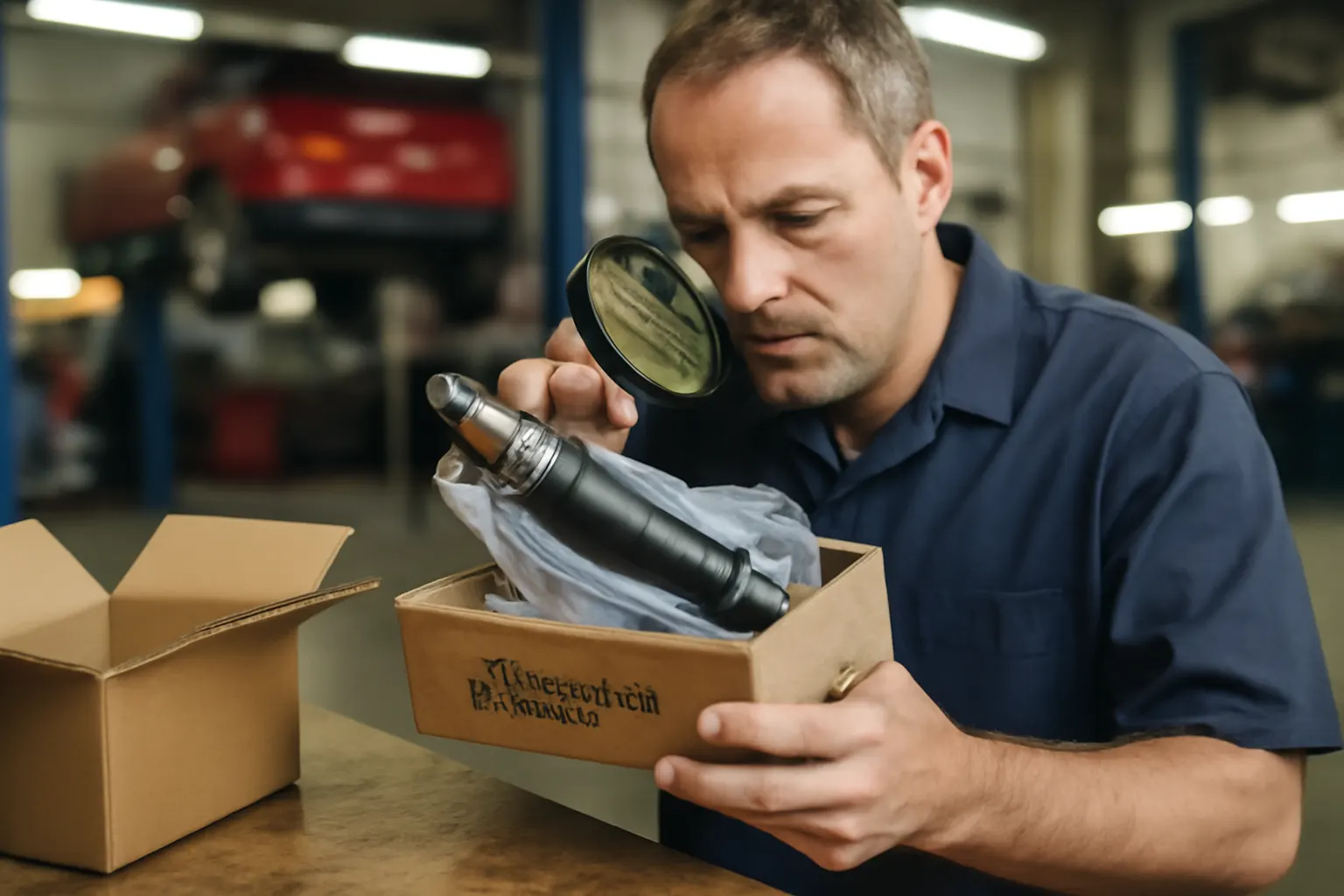
- Unbox and Inspect: Check for tamper-evident seals, proper labeling, and intact packaging.
- Compare with Old Part: Place the new part alongside the part being replaced to check for size, weight, and material differences.
- Check for Certifications: Look for required markings (e.g., DOT for lighting, SAE for safety-critical components).
- Test Fit: Dry-fit the part without final installation to ensure correct alignment and mounting.
- Document Any Concerns: Photograph and document any discrepancies for possible returns or investigations.
Diagnostic Signs: Have You Already Installed a Counterfeit?
If you suspect a counterfeit part has already been installed, look for these warning signs:
- Persistent Warning Lights: Especially for sensors and electronic components.
- Unusual Noises or Vibrations: Particularly after replacing suspension or brake parts.
- Premature Wear: Such as excessive brake dust, oil leaks, or rapid filter clogging.
- Fitment Issues: Parts that don’t align properly, require force to install, or have excessive play.
- Performance Drops: Reduced fuel efficiency, sluggish acceleration, or inconsistent braking.
If any of these issues arise, remove the suspect part and consult your SterlingRover service professional immediately.
Maintenance and Ongoing Vigilance
Record-Keeping
Maintain a parts log with purchase receipts, supplier details, and installation dates. This helps track the provenance of each component and simplifies recall or warranty claims.
Regular Inspections
During routine maintenance, visually inspect recently replaced parts for signs of premature wear, corrosion, or damage. Pay close attention to high-risk areas such as brakes, filters, and electrical connectors.
Stay Informed
Monitor updates from the NHTSA and SterlingRover regarding recalls or known counterfeit threats. The NHTSA Recalls Database is a valuable resource for checking parts and equipment safety alerts.
What to Do If You Find a Counterfeit SterlingRover Part
Reporting
Report suspected counterfeit parts to the NHTSA, SterlingRover, and the original seller. Provide photographs, purchase documentation, and a detailed description of the issue.
Removal and Replacement
Immediately remove any counterfeit part, especially if it is safety-critical. Replace with a genuine or certified aftermarket equivalent, following proper installation procedures.
Legal Recourse
While AutoPartEx does not provide legal advice, some jurisdictions allow consumers to seek compensation from sellers of counterfeit goods. Retain all documentation in case you need to pursue a claim.
Expert Solution Path: How Professionals Protect Their SterlingRover
Professional SterlingRover technicians and restoration specialists rely on a multi-layered approach to counterfeit prevention:
- Supplier Vetting: Only sourcing from distributors with a proven track record and manufacturer endorsement.
- Batch Testing: Randomly testing parts for material composition and performance metrics.
- Training: Keeping up-to-date with the latest counterfeit identification techniques and SterlingRover part updates.
- Fitment Verification: Using VIN-Based Fitment: SterlingRover Parts Compatibility tools before installation.
By adopting these practices, both DIYers and professionals can dramatically reduce the risk of counterfeit-induced failures.
AutoPartEx Positioning: Your Trusted Source for SterlingRover Parts
At AutoPartEx, we understand the stakes involved in maintaining your SterlingRover’s performance and safety. That’s why we rigorously vet our suppliers, provide detailed fitment guides, and offer only genuine or certified aftermarket parts. Our editorial team keeps you informed of the latest threats and best practices, empowering you to make the right choice every time. Browse our SterlingRover Parts Categories or consult our SterlingRover Maintenance Schedule & Model Service Guide for expert advice tailored to your vehicle.
Summary: Protect Your SterlingRover Investment
Counterfeit parts are a persistent threat to SterlingRover owners, but with knowledge and vigilance, you can avoid costly mistakes. Always source from reputable suppliers, verify part authenticity using official documentation, and perform thorough inspections before installation. If in doubt, consult a SterlingRover professional or reference trusted guides like those offered by AutoPartEx. Your vehicle’s safety, reliability, and value depend on every part you install—don’t leave it to chance.
References
- Vehicle Safety and Equipment – National Highway Traffic Safety Administration
- Fuel Efficiency – United States Department of Energy
- Materials Technologies – United States Department of Energy
- SAE Standards – SAE International
- Vehicle, Car Seat, Tire, and Equipment Recalls – National Highway Traffic Safety Administration
Advertisement