Advertisement
Why Small Electrical Parts Cause Big Problems
Modern vehicles rely on hundreds of small electrical parts—relays, fuses, sensors, switches, connectors, and more. While they may seem insignificant compared to major components like engines or transmissions, a single faulty electrical part can cause major vehicle failures, safety risks, and costly repairs. Understanding how these minor components create outsized problems—and how to prevent them—can save you money, time, and frustration. In this guide, we’ll explore real-world examples, technical explanations, and actionable steps to keep your vehicle’s electrical system reliable.
If you’re looking for a broader overview of your vehicle’s electrical system, visit our Comprehensive Guide to Miscellaneous Electrical Parts in Vehicles for detailed insights.
The Immediate Answer: Small Electrical Parts, Big Vehicle Failures
It only takes one small electrical fault to disable a modern vehicle. A $2 fuse, a corroded relay, or a failed sensor can prevent your car from starting, trigger warning lights, shut down safety systems, or leave you stranded. Even high-profile recalls and safety issues have been traced to the failure of minor components. The complexity and interdependence of automotive electronics mean that a tiny part can have a cascading impact.
Real-World Example
Consider a common scenario: a faulty ignition relay causes intermittent starting problems. The relay itself costs less than $20, but if it fails, your car might not start at all—leading to a tow, a missed appointment, and a repair bill far exceeding the part’s value. In safety systems, a failed sensor or switch can disable airbags or anti-lock brakes, creating significant hazards.
The Hidden Problem: Why Minor Electrical Parts Are Overlooked
Most drivers and even some technicians focus on major components when diagnosing vehicle issues. Small electrical parts often escape notice because:
- They’re inexpensive and usually out of sight.
- Their symptoms can mimic more serious issues.
- Diagnostic trouble codes (DTCs) may not directly indicate the failed component.
- Their failure is intermittent or only affects certain functions.
This oversight means that minor electrical faults can persist, causing ongoing problems, expensive misdiagnoses, and even safety risks.
Deeper Dive: The Critical Role of Small Electrical Components
To appreciate the impact of small electrical parts, it’s important to understand their roles:
Relays and Fuses
Relays act as electrically controlled switches, allowing low-current circuits to control high-current devices like fuel pumps or starter motors. Fuses protect circuits from overloads. A failed relay or blown fuse can instantly disable key systems.
Sensors and Switches
Sensors (like crankshaft position sensors, temperature sensors, and wheel speed sensors) feed data to the engine control unit (ECU) and other modules. Switches (for brake lights, ignition, etc.) send signals to activate circuits. Any failure can disrupt communication, disable systems, or trigger warning lights.
Connectors and Grounds
Poor connections or corroded grounds can cause voltage drops, intermittent faults, or total loss of function. These issues are notoriously difficult to trace and can affect everything from lighting to engine management.
Real-World Failures: Case Studies and Recalls
Let’s look at actual cases where minor electrical components caused big problems:
Case Study 1: Airbag System Disabled
A faulty clock spring (a small electrical connector in the steering wheel) caused airbag warning lights and disabled the airbag system in thousands of vehicles, leading to a manufacturer recall. The replacement part cost under $50, but the safety risk was severe.
Advertisement
Case Study 2: Engine Stalling from Crankshaft Position Sensor
A failing crankshaft position sensor (costing $20–$50) caused random engine stalls in a popular sedan. The intermittent nature of the fault led to repeated misdiagnoses and unnecessary replacement of other parts before the true cause was found.
Case Study 3: Lighting Failure Due to Corroded Fuse Box
A corroded fuse box connector led to headlight failure in a fleet of work trucks. The root cause was traced to water ingress and poor connector sealing—a $10 part brought down an entire fleet’s nighttime operations.
For more examples and official data, the National Highway Traffic Safety Administration regularly publishes recalls involving electrical equipment and minor components.
The Technical Explanation: Why Small Parts Have Outsized Impact
Modern vehicles are highly integrated, with dozens of control modules communicating over networks like CAN bus. A small electrical part can have a domino effect because:
- Interconnected Systems: One failed sensor can affect engine performance, emissions, safety systems, and more.
- Fail-Safe Modes: The ECU may disable entire subsystems when it detects an electrical fault.
- Diagnostic Complexity: Minor electrical faults can cause multiple, unrelated symptoms, making diagnosis challenging.
Example: CAN Bus Disruption
A single corroded connector on the CAN bus can disrupt communication between modules, resulting in loss of ABS, traction control, or even immobilization of the vehicle.
Symptoms of Small Electrical Part Failures
How do you know if a minor electrical part is causing trouble? Watch for these warning signs:
- Intermittent loss of power to accessories (windows, locks, lights)
- Random warning lights (ABS, airbag, check engine)
- Engine stalling or no-crank conditions
- Non-functioning or flickering lights
- Unresponsive switches or controls
- Blown fuses with no obvious cause
These symptoms are often intermittent, making them harder to diagnose than outright failures.
Diagnostic Checklist: Tracing Minor Electrical Faults
When you suspect a minor electrical problem, use this systematic approach:
1. Visual Inspection
- Check for loose, corroded, or damaged connectors.
- Look for burnt fuses or relays.
- Inspect wiring harnesses for pinched or frayed wires.
2. Test Fuses and Relays
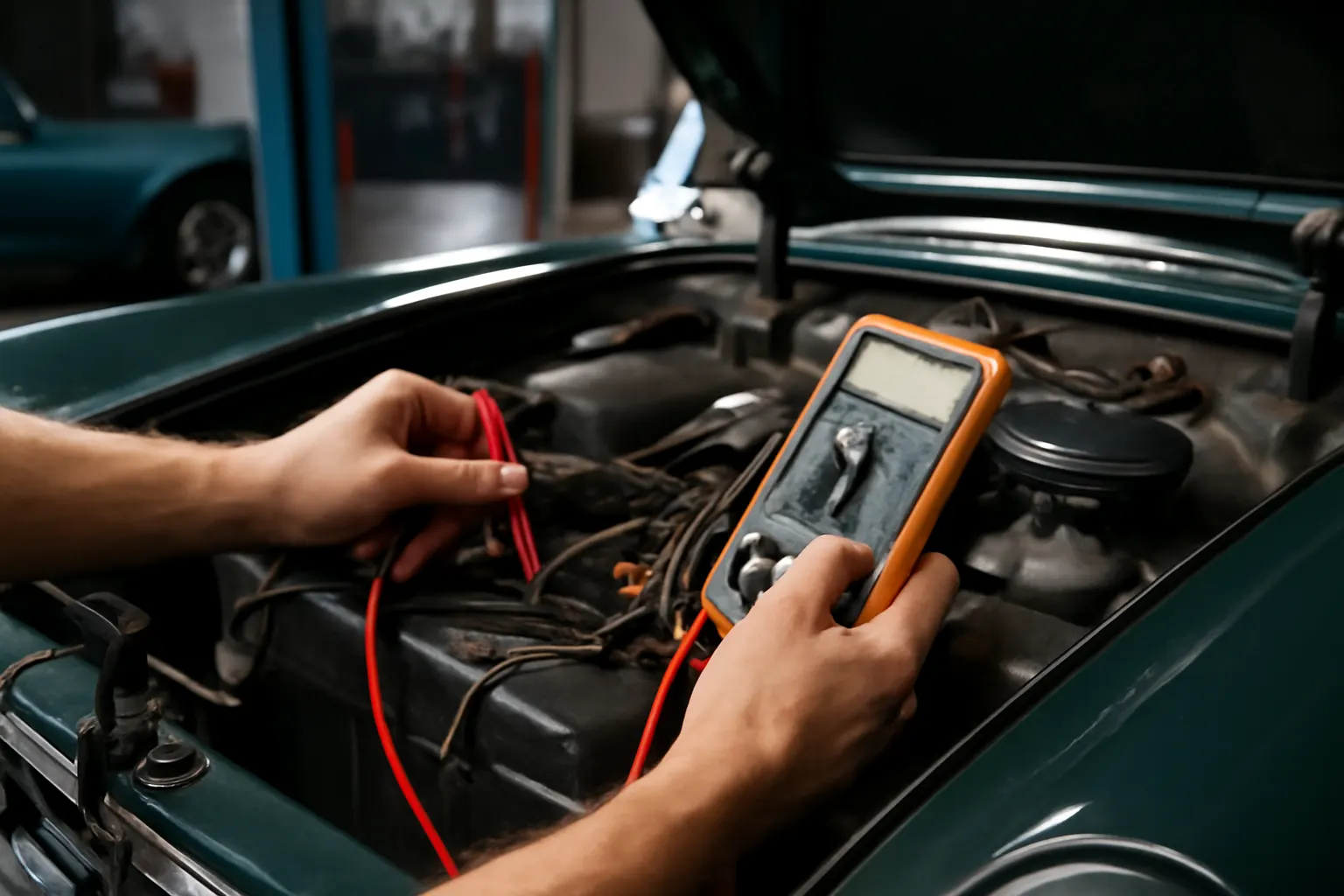
- Use a test light or multimeter to verify fuse continuity.
- Swap relays with known-good units for testing.
3. Scan for Diagnostic Trouble Codes
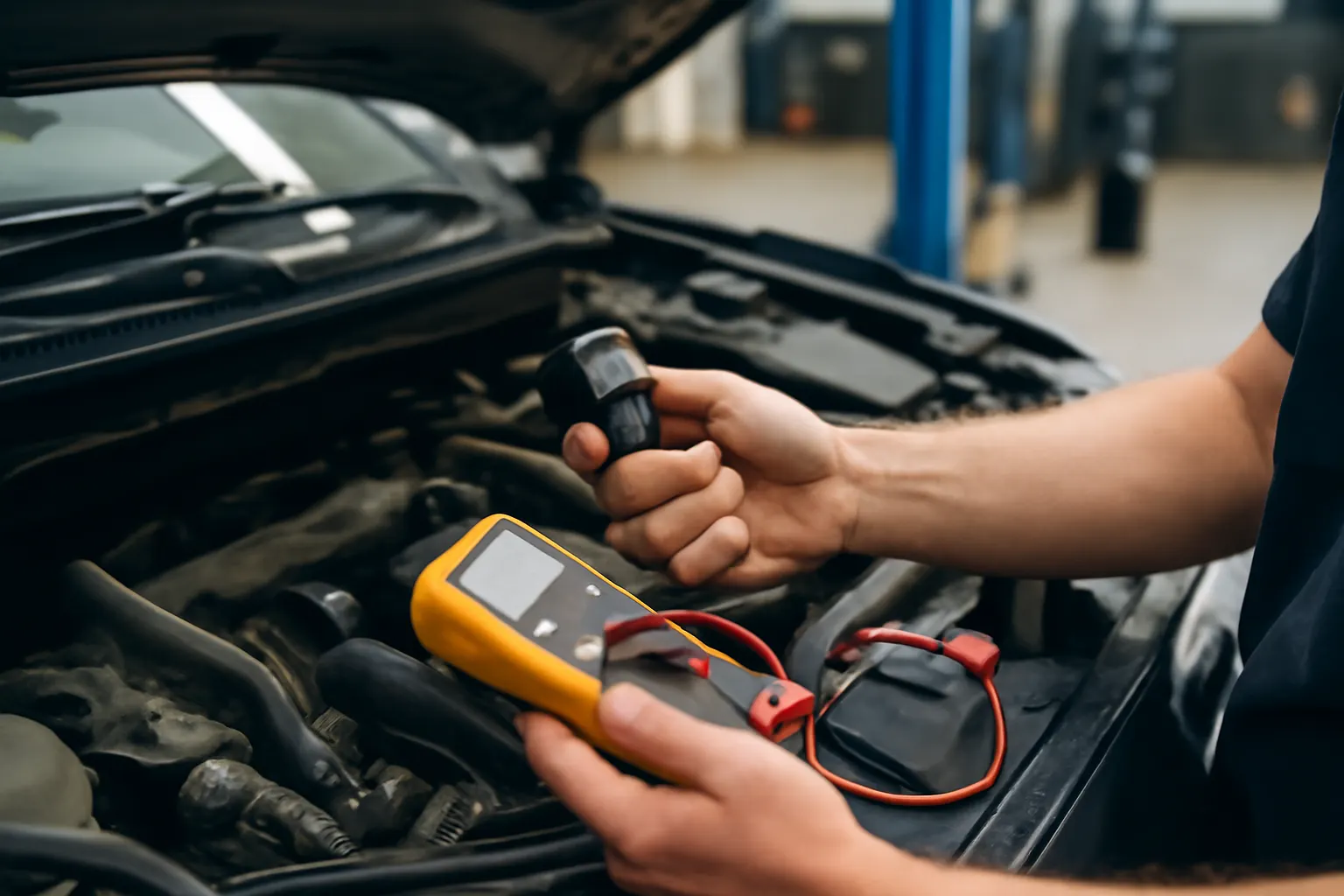
- Use an OBD-II scanner to retrieve codes.
- Note any “U” codes (communication errors), which may indicate connector or network issues.
4. Check Grounds and Power Feeds
- Inspect and clean all ground points.
- Measure voltage drops across suspect connections.
5. Functional Testing
- Activate switches and controls to check for intermittent operation.
- Wiggle test: gently move connectors/wires while monitoring system function.
For a step-by-step guide, see our Diagnosing Automotive Electrical Issues: Step-by-Step.
Preventing Problems: Maintenance and Best Practices
Preventing big problems from small parts is all about proactive maintenance and attention to detail.
Regular Inspections
- Inspect fuse boxes, relays, and connectors for corrosion or overheating during routine service.
- Check for moisture or debris in underhood and interior fuse panels.
Clean and Protect
- Use dielectric grease on electrical connectors to prevent corrosion.
- Ensure all seals and grommets are intact to keep moisture out.
Address Warning Signs Early
- Don’t ignore intermittent faults or warning lights.
- Investigate and repair minor electrical issues before they escalate.
Use Quality Parts
- Choose high-quality, OEM-specification parts for replacements.
- Avoid cheap, low-quality electrical components that may fail prematurely. For guidance, see OEM vs Aftermarket Electrical Parts: What Matters Most?.
Advertisement
Installation and Sourcing: Getting the Right Electrical Parts
When replacing minor electrical parts, precision matters:
Sourcing Tips
- Use your vehicle’s VIN to ensure correct part fitment.
- Reference manufacturer diagrams or trusted online catalogs.
- For classic or rare vehicles, consult specialty suppliers or AMC, Acura, or other manufacturer-specific resources.
Installation Tips
- Always disconnect the battery before servicing electrical parts.
- Use appropriate tools to avoid damaging connectors or terminals.
- Verify function after installation—don’t assume a new part is good out of the box.
Common Pitfalls
- Mixing up relay locations—always check the relay diagram.
- Over-tightening or under-tightening ground points.
- Installing fuses of incorrect amperage.
The Cost Factor: How Small Parts Cause Expensive Repairs
Minor electrical faults can lead to major expenses by:
- Causing repeated misdiagnoses and unnecessary replacement of major components.
- Stranding vehicles, resulting in towing and roadside assistance costs.
- Creating safety hazards that lead to accidents or regulatory fines.
For example, replacing an entire ECU due to a misdiagnosed sensor fault can cost over $1,000, when a $30 sensor was the true culprit. Routine maintenance and accurate diagnostics prevent these costly mistakes.
The Safety Angle: Why Small Electrical Parts Matter More Than Ever
Today’s vehicles rely on electronics for critical safety systems:
- Airbags: Sensors, clocksprings, and connectors must function perfectly.
- ABS and Stability Control: Wheel speed sensors and relays are essential.
- Lighting and Signals: Fuses and switches keep you visible and compliant.
The National Highway Traffic Safety Administration emphasizes that even minor electrical equipment failures can compromise vehicle safety. As vehicles become more advanced, the importance of these small parts grows.
Materials and Durability: How Environment Affects Small Parts
Automotive electrical parts must withstand harsh conditions: heat, vibration, moisture, and chemical exposure. Advances in Materials Technologies have improved reliability, but real-world issues remain:
- Engine bay heat can degrade plastic connectors.
- Road salt and moisture cause corrosion in underbody wiring.
- Vibration loosens terminals and grounds over time.
Selecting quality parts and protecting them from the environment is essential for long-term reliability.
Fuel Efficiency and Performance: The Hidden Link
Electrical faults can silently erode your vehicle’s performance and efficiency:
- Faulty sensors cause the ECU to run “open loop,” increasing fuel consumption.
- Malfunctioning relays or switches can disable fuel-saving features (like start/stop systems).
- Poor connections increase electrical resistance, reducing alternator and battery life.
The Department of Energy notes that maintaining a vehicle’s electrical system is key to optimal fuel economy and emissions.
When to Seek Professional Help: Advanced Diagnostics
Some electrical issues are beyond DIY troubleshooting. Seek an expert if:
- You encounter persistent, unexplained warning lights.
- Multiple systems fail simultaneously.
- CAN bus or network errors appear in diagnostics.
- You lack the specialized tools for module programming or re-coding.
Professional technicians use advanced diagnostic equipment and access to manufacturer data, reducing guesswork and ensuring accurate repairs.
AutoPartEx: Your Partner in Reliable Electrical Repairs
At AutoPartEx, we understand the critical role that small electrical parts play in your vehicle’s reliability, safety, and performance. Our catalog features only high-quality, vetted electrical components that meet or exceed OEM standards. Whether you’re a DIY enthusiast or a professional technician, our resources—including the Comprehensive Guide to Miscellaneous Electrical Parts in Vehicles—are designed to help you diagnose, source, and install the right parts the first time.
Our expert team is available to assist with fitment questions, troubleshooting, and sourcing hard-to-find components. Trust AutoPartEx for your next electrical repair and keep your vehicle running at its best.
References
Advertisement