
Electrical Part Misc
Understanding and Selecting Miscellaneous Electrical Parts
Many vehicle owners overlook the small, miscellaneous electrical parts that quietly keep their cars running. Yet, these components can be the hidden cause of persistent issues, from flickering lights to intermittent sensor failures. This page explores why these parts matter, how to identify potential problems, and what to consider when selecting replacements, so you can make informed decisions and keep your vehicle reliable.
Showing 1–8 of 519 products


More Electrical Part Misc options
Filtering for Electrical Part MiscBrowse nearby inventory for this category without leaving the page. Use search to filter by price, part number, or city.
No Data Available
Please check back soon when more inventory is available for this part.
Understanding and Selecting Miscellaneous Electrical Parts
Why Small Electrical Parts Deserve Your Attention
When most drivers think about automotive reliability, their minds often jump to major components like the engine or transmission. Yet, beneath the surface, a host of small electrical parts quietly orchestrate essential functions. These miscellaneous electrical components—relays, connectors, sensors, and switches—may seem insignificant, but their failure can lead to frustrating, hard-to-diagnose issues. Ignoring them can result in intermittent problems that disrupt your driving experience and complicate even routine repairs.
The challenge with these parts is their invisibility. Tucked away under dashboards, inside fuse boxes, or behind panels, they rarely receive attention until something goes wrong. A single faulty relay can disable your headlights, a worn connector can cause a no-start condition, and a corroded sensor may trigger warning lights without clear cause. Because these issues often mimic larger problems, owners and technicians sometimes overlook the root cause, leading to unnecessary repairs or part replacements.
Recognizing the importance of these small parts is the first step to maintaining a reliable vehicle. Whether you drive a classic car or a modern model packed with electronics, understanding how miscellaneous electrical parts contribute to overall performance can save time, money, and frustration. By learning to spot early warning signs and knowing how to approach selection and diagnosis, you can prevent minor issues from becoming major headaches.

Hidden Issues: When Miscellaneous Electrical Parts Fail
Electrical problems in vehicles are notorious for their complexity. Unlike mechanical failures, which often produce obvious symptoms, electrical issues can be intermittent and elusive. A single malfunctioning relay or corroded connector may cause sporadic stalling, flickering lights, or malfunctioning accessories. These symptoms can be misleading, sometimes pointing to unrelated systems and making diagnosis a challenge even for experienced technicians.
One of the most overlooked aspects of automotive maintenance is the condition of miscellaneous electrical parts. Over time, exposure to heat, vibration, and moisture can degrade these components. Electrical contacts may corrode, insulation can crack, and plastic housings may become brittle. Such degradation is not always visible during routine inspections, especially since these parts are often hidden from view. As a result, minor electrical faults can persist for months before being traced to their source.
The consequences of neglecting these small parts can be significant. For example, a failing ignition relay might intermittently prevent a vehicle from starting, leading owners to suspect battery or starter issues. Similarly, a faulty sensor connector could cause erratic engine performance or trigger warning lights, prompting unnecessary replacements of expensive components. These scenarios highlight the importance of considering miscellaneous electrical parts during troubleshooting.
Compounding the issue is the vast variety of electrical components used across different makes, models, and years. Even within a single vehicle, multiple types of relays, connectors, and sensors may be present, each with specific functions and compatibility requirements. This complexity makes it essential for both owners and technicians to have a systematic approach when diagnosing electrical issues, ensuring that all potential culprits are considered.
Many owners are unaware that small electrical parts can be subject to recalls or manufacturer service campaigns. While high-profile recalls often focus on major systems, less-publicized campaigns may address issues with wiring harnesses, connectors, or control modules. Failing to check for such recalls can mean missing out on free repairs or important safety updates. Regularly reviewing recall databases and manufacturer communications is a key part of responsible vehicle ownership.
Finally, the lack of standardization in the aftermarket parts industry can introduce further complications. Not all replacement parts are created equal; differences in quality, fit, and electrical characteristics can lead to new problems if the wrong component is installed. Understanding the importance of sourcing the correct part, and verifying its compatibility, is crucial to achieving a lasting repair and maintaining vehicle safety.
How to Diagnose and Select the Right Miscellaneous Electrical Part
Diagnosing electrical issues starts with a structured approach. Begin by observing the symptoms—are they intermittent, persistent, or related to specific conditions like temperature or humidity? Documenting when and how problems occur can provide valuable clues. For example, if a problem only appears after rain, moisture intrusion into connectors or relays may be the culprit. Systematic observation helps narrow down the list of potential faulty components.
Next, consult your vehicle’s service manual or a reputable repair guide to identify all electrical components involved in the affected system. Many modern vehicles have complex wiring diagrams that show the relationships between switches, sensors, relays, and control modules. Understanding these connections is essential for effective troubleshooting. If you’re unfamiliar with reading wiring diagrams, consider seeking help from a technician or using online resources, such as step-by-step guides for diagnosing automotive electrical issues.
Testing suspected components is the next step. Use a multimeter to check for continuity, voltage, and resistance at relevant connectors and terminals. Pay attention to signs of corrosion, loose pins, or damaged insulation. For relays and switches, bench testing outside the vehicle can confirm whether they function as intended. Always compare your test results to specifications provided in the service manual to ensure accuracy.
When a faulty part is identified, selecting the correct replacement is critical. Start by matching the part number, electrical rating, and physical connector type. Many vehicles use manufacturer-specific connectors or relays, so generic replacements may not always be suitable. If possible, bring the old part to the store or use detailed photographs to verify compatibility. Online catalogues can help, but always double-check fitment using your vehicle’s VIN or a trusted database.
Consider the source of your replacement part. New parts typically offer the best reliability, but remanufactured or salvage components can be cost-effective alternatives if sourced from reputable suppliers. Be cautious with used parts, as their history and remaining lifespan are often unknown. Always inspect for signs of wear, corrosion, or previous repairs before installation. For critical systems like safety devices, prioritize new or OEM-quality replacements whenever possible.
Installation should follow the manufacturer’s guidelines precisely. Clean all contact surfaces, use dielectric grease where appropriate, and ensure connectors are fully seated and secured. After installation, test the system thoroughly to confirm the issue is resolved. If problems persist, recheck your diagnosis and consider whether multiple components may be contributing to the fault. Document all work performed, including part numbers and test results, for future reference.
For complex or persistent issues, consider seeking a second opinion. The Federal Trade Commission recommends getting a written repair estimate and asking whether the technician has experience with your specific make and model. Comparing recommendations from multiple shops can help avoid unnecessary repairs and ensure that the true cause of the problem is addressed. Always request a completed repair order listing the work performed, parts used, and associated costs for your records.
Finally, stay proactive by regularly inspecting electrical connectors, relays, and wiring for signs of wear or damage. Preventive maintenance, such as cleaning terminals and applying protective coatings, can extend the life of these components and reduce the risk of future failures. By taking a systematic approach to diagnosis and replacement, you can keep your vehicle’s electrical systems reliable and avoid the frustration of recurring problems. For more detailed guidance, refer to resources like "Diagnosing Automotive Electrical Issues: Step-by-Step" and "Why Small Electrical Parts Cause Big Problems."
What the Evidence and Published Guidance Reveal
The National Highway Traffic Safety Administration (NHTSA) provides an authoritative process for identifying and addressing safety-related defects in vehicles, including those involving miscellaneous electrical parts. According to NHTSA, owners can use their vehicle identification number (VIN) to search for open recalls affecting their specific vehicle. This process is essential because some electrical issues—such as faulty wiring harnesses, connectors, or control modules—may be subject to manufacturer recalls or service campaigns. However, it’s important to note that a recall lookup by year, make, and model only provides general results and does not confirm that a particular vehicle or part is affected. Owners should use their VIN for the most accurate information and follow up with the manufacturer or dealer as needed. This approach ensures that any known safety-related defects are addressed promptly and at no cost to the owner, as manufacturers are required to provide a remedy for recalled parts. NHTSA: Vehicle Recalls
NHTSA’s recall process also highlights the importance of owner involvement in vehicle safety. When a safety recall is issued, manufacturers notify registered owners by mail and provide instructions for obtaining a free repair. The agency encourages owners to register their vehicles and check for recalls at least twice a year. This proactive approach is especially relevant for miscellaneous electrical parts, which may not receive as much attention as high-profile components but can still pose significant safety risks if defective. NHTSA’s guidance does not guarantee that every vehicle or part will be recalled, nor does it confirm the quality or compatibility of aftermarket replacements. Instead, it provides a framework for staying informed and taking action when necessary. NHTSA: Vehicle Recalls
The Federal Trade Commission (FTC) offers additional consumer guidance for auto repairs, emphasizing the importance of written estimates, clear communication, and documentation. According to the FTC, owners should request a written repair estimate that identifies the condition to be repaired, the parts needed, and anticipated labor charges. For expensive or complicated repairs—such as those involving electrical diagnostics—seeking a second opinion is recommended. The FTC also advises asking whether the technician has experience with your specific make or model, as familiarity with the vehicle can improve the accuracy of diagnosis and repair. These recommendations are general consumer protections and do not establish technical specifications or failure rates for specific electrical parts. FTC: Auto Repair Basics
The FTC further distinguishes between new, remanufactured, and salvage parts, noting that each has distinct advantages and potential drawbacks. New parts typically offer the highest reliability, while remanufactured or rebuilt components can provide cost savings if sourced from reputable suppliers. Salvage parts, which come from other vehicles without alteration, may be suitable for non-critical applications but carry greater uncertainty regarding their condition and remaining lifespan. The FTC does not mandate warranties for repairs or parts, so it’s important for consumers to understand the coverage offered by the seller and get it in writing. These guidelines help buyers make informed decisions but do not guarantee fitment or performance for any specific vehicle or component. FTC: Auto Repair Basics
While neither NHTSA nor the FTC provides vehicle-specific technical specifications, their published guidance underscores the importance of thorough research and documentation when dealing with miscellaneous electrical parts. Owners are encouraged to compare shop recommendations with the manufacturer’s maintenance schedule and to question any extra services proposed. This approach helps ensure that repairs are necessary and appropriate, reducing the risk of unnecessary part replacements or incomplete fixes. By following these best practices, consumers can protect themselves from misdiagnosis and ensure that their vehicle’s electrical systems are properly maintained. FTC: Auto Repair Basics
It’s also important to recognize the limitations of recall and repair databases. NHTSA cautions that some recalls may not appear immediately, especially for recently announced campaigns or vehicles from small manufacturers. Additionally, recall databases do not cover international vehicles or non-safety-related manufacturer campaigns. This means that owners should not rely solely on recall lookups to assess the condition or compatibility of miscellaneous electrical parts. Instead, they should combine recall checks with hands-on inspection, professional diagnosis, and careful part selection to ensure a comprehensive approach to vehicle maintenance. NHTSA: Vehicle Recalls
In summary, the evidence from NHTSA and the FTC establishes a clear framework for addressing issues with miscellaneous electrical parts: use your VIN to check for recalls, obtain written repair estimates, verify technician expertise, and document all repairs. While these sources do not provide specific technical data or guarantee the performance of aftermarket parts, they offer practical steps for consumers to follow. By combining these best practices with systematic diagnosis and careful part selection, owners can minimize the risk of electrical problems and maintain the reliability of their vehicles. For further reading, explore resources like "Diagnosing Automotive Electrical Issues: Step-by-Step" and "OEM vs Aftermarket Electrical Parts: What Matters Most?"
Take the Next Step Toward Reliable Electrical Repairs
Maintaining your vehicle’s electrical reliability starts with awareness and informed action. Begin by inspecting your electrical connectors, relays, and wiring for signs of wear, and use your VIN to check for any open recalls. When repairs are needed, follow best practices: obtain written estimates, verify technician experience, and document all work performed. Explore our "Electrical Part Misc" catalog to compare available components, and consult trusted guides for diagnostic tips. Taking these steps today can help you avoid future headaches and keep your vehicle running smoothly.
References
- NHTSA: Vehicle Recalls
- FTC: Auto Repair Basics
References
- NHTSA: Vehicle Recalls - NHTSA, accessed 2026-11-01
- FTC: Auto Repair Basics - FTC, accessed 2026-11-01
Related Guides & Articles

Diagnosing Automotive Electrical Issues: Step-by-Step
Electrical problems are among the most persistent and perplexing issues in modern vehicles, often leading to frustrating breakdowns and costly repairs. This comprehensive guide delivers a clear, step-by-step process for diagnosing and resolving automotive electrical issues using professional tools and proven techniques. Whether you're a seasoned technician or a knowledgeable DIYer, this resource empowers you to identify, trace, and fix electrical faults with confidence, helping ensure your vehicle remains safe, efficient, and reliable.
View Guide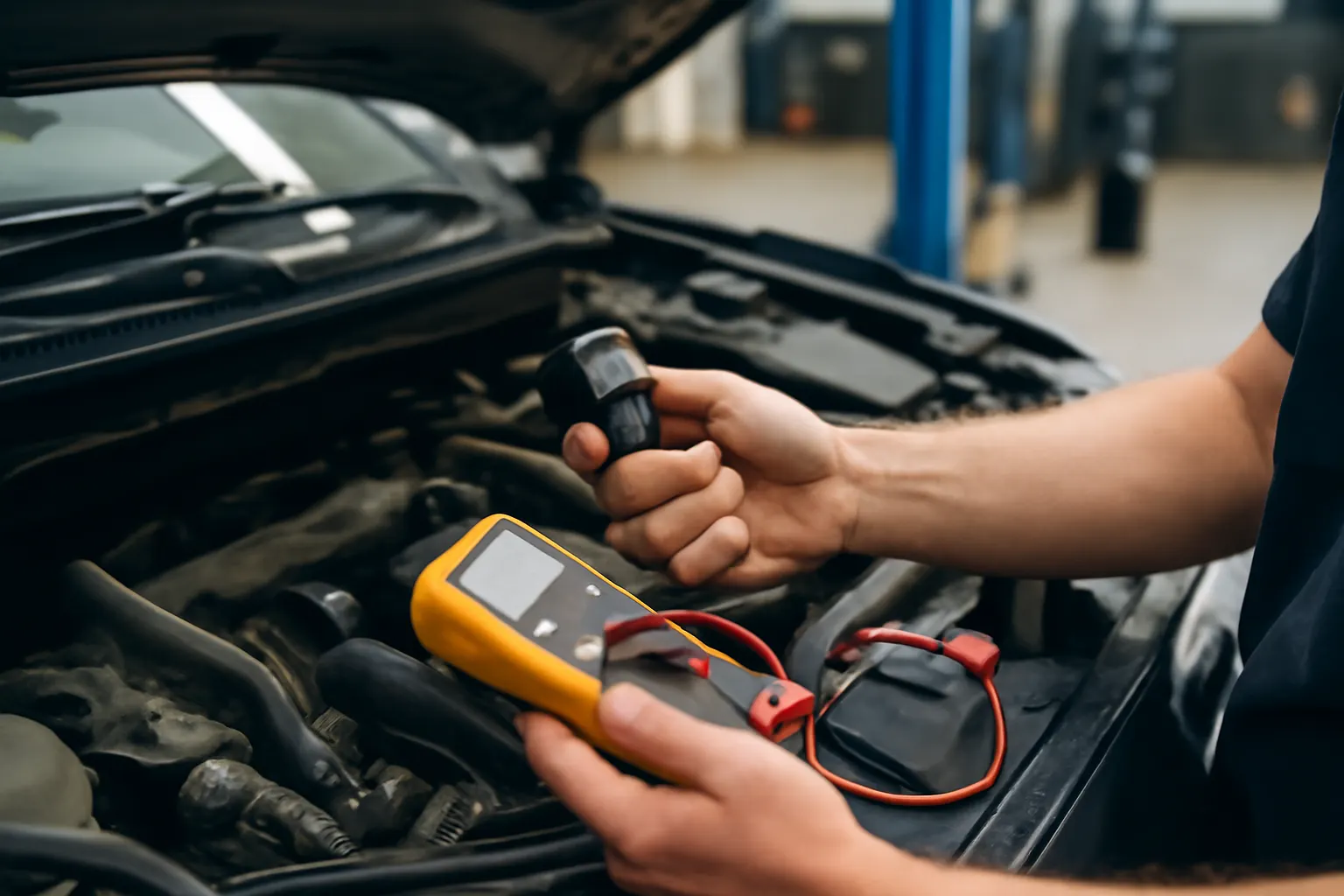
Why Small Electrical Parts Cause Big Problems
Modern vehicles rely on hundreds of small electrical parts—relays, fuses, sensors, switches, connectors, and more. While they may seem insignificant compared to major components like engines or transmissions, a single faulty electrical part can cause major vehicle failures, safety risks, and costly repairs. Understanding how these minor components create outsized problems—and how to prevent them—can save you money, time, and frustration. In this guide, we’ll explore real-world examples, technical explanations, and actionable steps to keep your vehicle’s electrical system reliable.
Read More
OEM vs Aftermarket Electrical Parts: What Matters Most?
When it comes to replacing miscellaneous electrical parts in your vehicle, choosing between OEM (Original Equipment Manufacturer) and aftermarket options is a decision that impacts your car’s safety, performance, and long-term reliability. The right choice can mean seamless operation, while the wrong one may lead to compatibility headaches, premature failures, or even safety risks. This guide from AutoPartEx delivers an in-depth, practical comparison of OEM and aftermarket miscellaneous electrical parts—highlighting what truly matters for modern drivers, enthusiasts, and professional technicians.
View Guide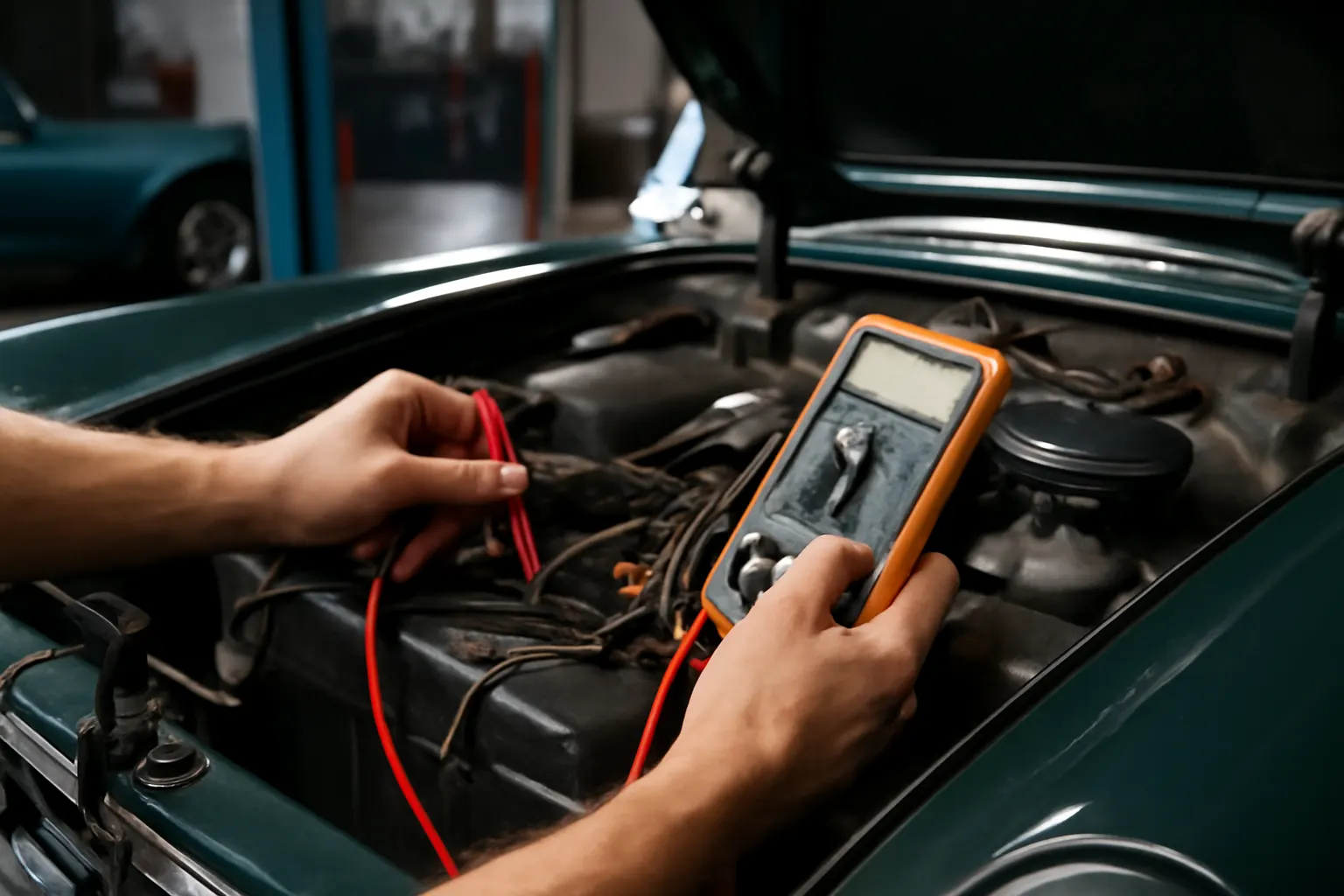
Top 5 Electrical Issues in Classic Cars and How to Fix Them
Classic cars have an enduring appeal, but their electrical systems often pose persistent challenges for owners and restorers. If your vintage ride is plagued by flickering headlights, hard starts, or mysterious electrical gremlins, you’re not alone. This in-depth guide reveals the top five electrical issues in classic cars—and, crucially, how experienced enthusiasts and professionals address them for safe, reliable performance.
Read More