Top 5 Signs Your Engine Fuse Box Needs Attention
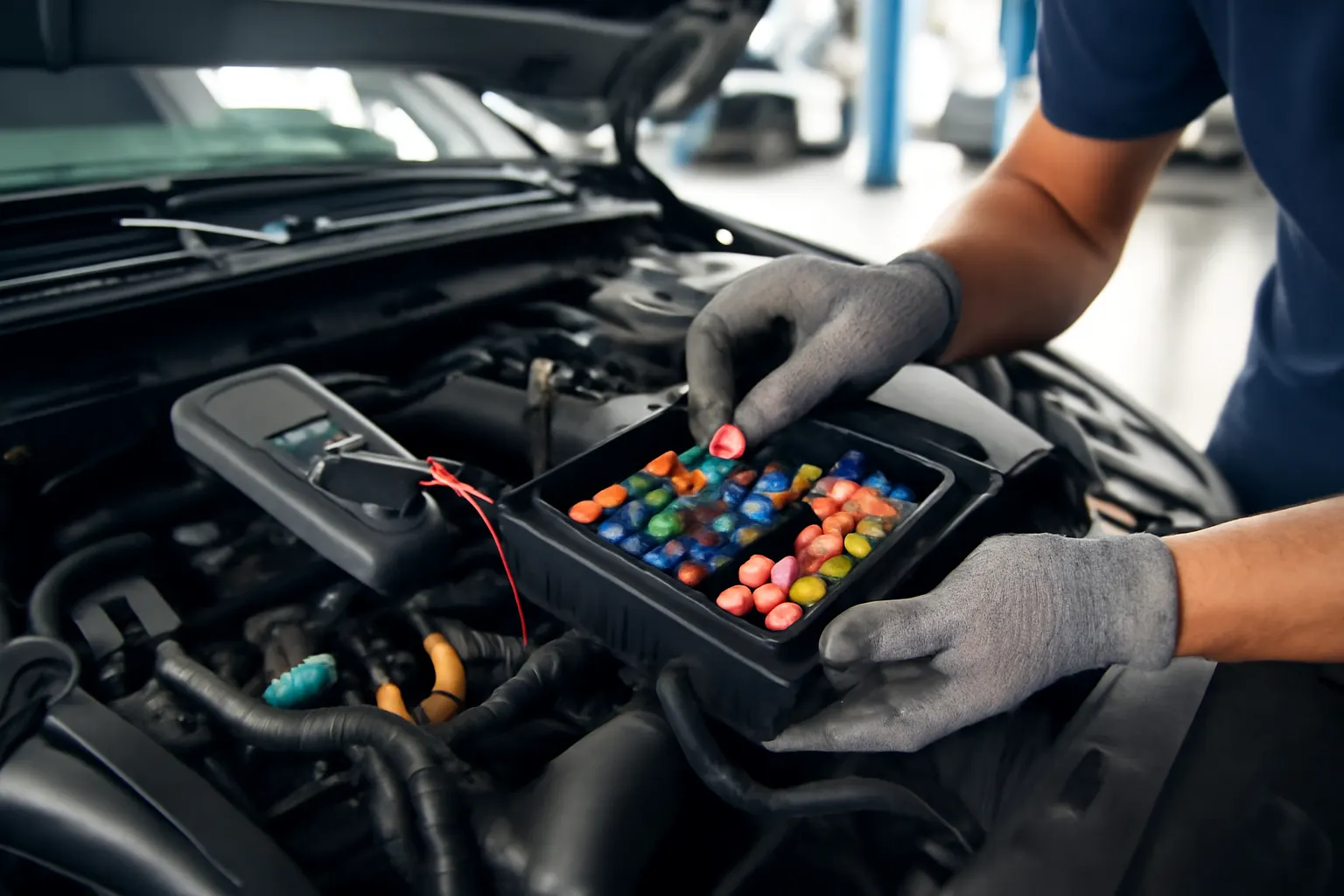
If your vehicle is experiencing unexplained electrical issues, stalling, or intermittent failures of critical systems, your engine fuse box may be signaling for help. The engine fuse box acts as the nerve center of your vehicle’s electrical system, distributing and protecting power to everything from the ignition to advanced safety modules. Recognizing the early warning signs of a failing fuse box can save you from costly repairs, unsafe driving conditions, and unexpected breakdowns. In this detailed guide, we’ll walk you through the top five signs your engine fuse box needs immediate attention and outline what you should do next to keep your vehicle safe and reliable.
For an in-depth look at the role of the engine fuse box in modern vehicles, visit our Engine Fuse Box: The Nerve Center of Modern Vehicle Electrical Systems category page.
Why Recognizing Engine Fuse Box Issues Matters
The engine fuse box is more than just a cluster of fuses—it is a critical safeguard for your entire vehicle’s electrical system. Modern cars rely on increasingly complex electronics for everything from fuel injection to safety sensors. A failing fuse box can compromise these systems, affecting not just drivability but also fuel efficiency, emissions, and your vehicle’s ability to protect you in an emergency. According to the National Highway Traffic Safety Administration (NHTSA), electrical faults are a leading cause of vehicle recalls and equipment failures that can impact safety, performance, and reliability[^1].
The Hidden Problem: Electrical Issues Are Often Misdiagnosed
Many drivers and even seasoned technicians misattribute engine or electrical issues to failing sensors, batteries, or alternators, overlooking the fuse box as the root cause. This misdiagnosis can lead to unnecessary part replacements, wasted time, and unresolved problems. Because the symptoms of a failing fuse box often mimic other issues—such as rough idling, starting problems, or random warning lights—it’s easy to ignore the fuse box until a complete failure occurs. Understanding the unique warning signs specific to the engine fuse box is crucial for accurate diagnostics and timely intervention.
The Top 5 Warning Signs Your Engine Fuse Box Needs Attention
Let’s break down the five most common and definitive signs that your engine fuse box is in trouble. If you notice any of these symptoms, it’s time to take action:
1. Frequent Blown Fuses
If you find yourself replacing the same fuse repeatedly, this is a red flag. Fuses are designed to blow when there’s an overload or short circuit, but a healthy system shouldn’t require frequent replacements. Recurrent blown fuses can indicate:
- Internal corrosion or moisture intrusion in the fuse box
- Loose, damaged, or burnt fuse terminals
- Faulty wiring or connectors inside the fuse box
2. Intermittent Electrical Failures
Do your headlights, dashboard lights, or critical engine components cut out at random? Intermittent failures of electrical systems—especially those connected to the engine bay—often point to a compromised fuse box. Common symptoms include:
- Sudden engine stalling
- Flickering or non-functioning lights
- Unreliable operation of fans, fuel pumps, or ignition modules
3. Burning Smells or Visible Melting
A burning plastic odor or visible signs of melting around the fuse box are urgent warnings. Overheating can result from:
- Overloaded circuits
- Poor contact between fuses and terminals
- Internal arcing or short circuits
Immediate action is required to prevent electrical fires or total system failure.
4. Difficulty Starting or No Start Conditions
If your vehicle cranks but refuses to start—or starts only after multiple attempts—the culprit could be a failing fuse box. Critical relays and circuits for the fuel and ignition systems are protected by the fuse box. When these circuits are compromised, you may experience:
- No response from the starter
- Engine cranks but does not fire
- Starting only after jiggling or tapping near the fuse box
5. Multiple Unrelated Warning Lights
Modern vehicles use the engine fuse box to distribute power to various sensors and control modules. If you see several unrelated warning lights (ABS, airbag, check engine) illuminate simultaneously, suspect the fuse box. This is often due to:
- Poor connections or voltage drops inside the fuse box
- Broken or corroded internal busbars
- Water ingress affecting multiple circuits
The Technical Explanation: How Fuse Box Failures Develop
Understanding how and why engine fuse boxes fail can help you prevent future issues and diagnose current ones more effectively. Let’s examine the most common technical failure modes:
Corrosion and Moisture Intrusion
Engine bays are harsh environments, exposed to heat, humidity, and road salts. Over time, these conditions can lead to:
- Corrosion of fuse terminals and internal busbars
- Increased electrical resistance, causing overheating
- Intermittent or permanent loss of circuit continuity
Thermal Stress and Overload
Repeated high current draw—especially from aftermarket accessories or failing components—puts extra strain on fuse box circuits. This thermal stress can cause:
- Warping or melting of plastic housings
- Burnt or discolored terminals
- Failure of internal solder joints
Vibration and Physical Damage
Constant engine vibration, improper mounting, or accidental impacts can loosen connectors and fuses, leading to:
- Intermittent connections
- Cracked or broken fuse box housings
- Exposed wiring and increased risk of shorts
Diagnostic Checklist: Is Your Engine Fuse Box the Culprit?
Before replacing expensive sensors or control modules, use this step-by-step checklist to diagnose potential fuse box issues:
| Step | Action | What to Look For |
|---|---|---|
| 1 | Inspect fuses visually | Look for blown, discolored, or melted fuses |
| 2 | Check for corrosion | Examine terminals for green/white powder or rust |
| 3 | Smell for burning | Any plastic or electrical burning odor is a warning |
| 4 | Wiggle test | Gently move wires and fuses; watch for intermittent faults |
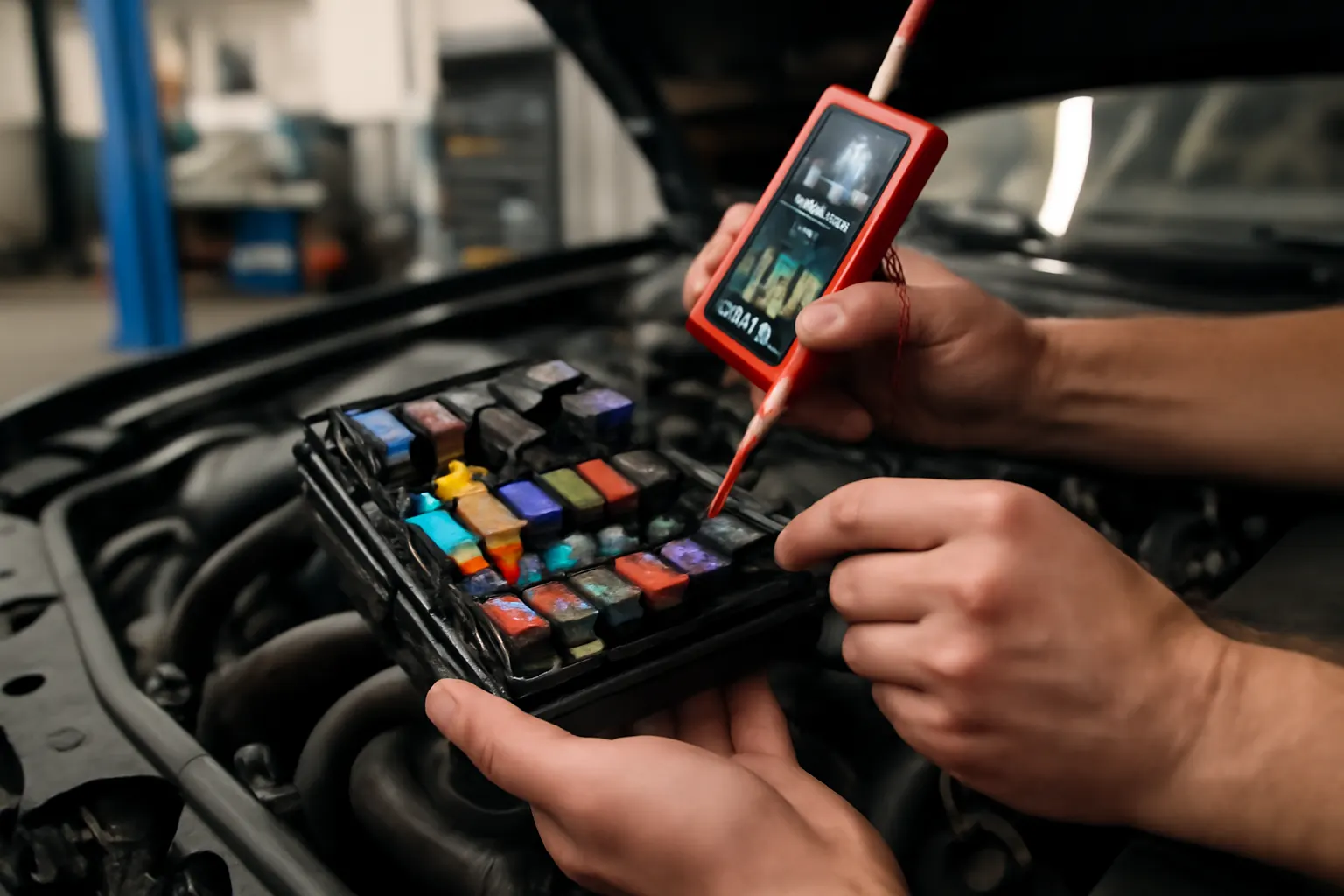
| 5 | Test circuits with a multimeter | Check for voltage drops or open circuits |
| 6 | Inspect for water intrusion | Look for moisture, water stains, or condensation inside the housing |
| 7 | Scan for error codes | Use an OBD-II scanner to identify affected systems |
If you identify any issues in steps 2–6, the fuse box is a likely suspect.
Related Electrical Issues: What Else Can Go Wrong?
A failing engine fuse box rarely acts alone. Because it serves as a hub for so many circuits, other issues may develop in parallel, including:
- Shorted or damaged wiring harnesses
- Failing relays or control modules
- Battery drain or alternator charging issues
For a comprehensive diagnostic approach, see our guide on Diagnosing Electrical Issues in the Engine Bay.
When to Repair vs. Replace Your Engine Fuse Box
Not every fuse box issue requires full replacement. Here’s how to decide:
- Repair: Minor corrosion, loose fuses, or a single burnt terminal may be addressed by cleaning and tightening connections. Use electrical contact cleaner and dielectric grease to protect terminals.
- Replace: If you find melted plastic, widespread corrosion, multiple burnt terminals, or evidence of water intrusion, replacement is the safest and most reliable option. Modern fuse boxes are not designed for extensive field repair due to their complex internal busbars and integrated relays.
For step-by-step instructions on safe replacement, see How to Replace an Engine Fuse Box Safely.
Sourcing the Right Engine Fuse Box: Fitment and Compatibility
Engine fuse boxes are vehicle-specific and must match your car’s year, make, model, and engine configuration. When sourcing a replacement:
- Use your VIN or OEM part number to verify compatibility.
- Consider the presence of optional features (e.g., fog lights, heated seats) that may require additional circuits.
- Avoid used fuse boxes with signs of previous overheating or corrosion.
AutoPartEx offers a comprehensive inventory of engine fuse boxes for all major manufacturers, including Acura, AMC, and more.
Preventive Maintenance: Extending the Life of Your Fuse Box
Proactive maintenance can significantly extend the lifespan of your engine fuse box and prevent costly failures. Follow these best practices:
- Regular Inspection: Check the fuse box during routine oil changes for signs of corrosion, overheating, or loose connections.
- Seal and Protect: Ensure the fuse box cover is always securely fastened and gaskets are intact to prevent moisture ingress.
- Avoid Overloading: Do not add aftermarket electrical accessories without ensuring the fuse box can handle the extra load.
- Clean Contacts: Use electrical contact cleaner annually, especially if you drive in humid or salty environments.
Safety Considerations: Why Fuse Box Health Impacts Vehicle Safety
A compromised engine fuse box is not just an inconvenience—it’s a safety hazard. Faulty fuse boxes can:
- Disable critical safety systems like ABS, airbags, and traction control
- Cause sudden engine stalls, increasing accident risk
- Lead to electrical fires due to overheating or short circuits
The NHTSA emphasizes the importance of maintaining all vehicle safety equipment and replacing faulty parts promptly1. Always address fuse box issues at the first sign of trouble.
How a Faulty Fuse Box Affects Fuel Efficiency and Performance
An overlooked aspect of fuse box health is its impact on your vehicle’s performance and fuel economy. According to the U.S. Department of Energy, electrical system efficiency directly influences fuel consumption in modern vehicles2. A failing fuse box can cause:
- Erratic operation of fuel pumps and injectors, leading to poor combustion
- Unreliable engine management, resulting in reduced power and increased emissions
- Disruption of start-stop systems, hybrid modules, or electric power steering
Timely diagnosis and repair help maintain optimal fuel efficiency and performance.
Advanced Troubleshooting: Using Diagnostic Tools
Modern engine fuse boxes often incorporate integrated relays and electronic modules. For advanced troubleshooting:
- Use an OBD-II scanner to read trouble codes and identify affected circuits.
- A multimeter or test light can verify voltage at each fuse and relay.
- For vehicles with CAN bus or multiplexed wiring, consult factory wiring diagrams to trace faults.
If you’re not comfortable with electrical diagnostics, enlist a qualified technician or use professional diagnostic services available through AutoPartEx partners.
When to Seek Professional Help
While many minor fuse box issues can be addressed by DIY enthusiasts, certain conditions require professional intervention:
- Persistent electrical faults after fuse replacement
- Evidence of melting, arcing, or widespread corrosion
- Unexplained battery drain or multiple system failures
A professional technician can perform load testing, pinpoint hidden wiring faults, and ensure a safe, lasting repair.
The AutoPartEx Advantage: Your Partner in Reliable Electrical Solutions
At AutoPartEx, we understand the critical role the engine fuse box plays in your vehicle’s safety and performance. Our expert team sources only high-quality, OEM-compatible fuse boxes and provides detailed fitment guidance for every order. With robust diagnostic resources and a comprehensive inventory for all major makes and models, we help you get back on the road faster and with confidence.
For more insights on why fuse box upgrades matter in today’s vehicles, see Why Fuse Box Upgrades Matter for Modern Vehicles.
Take Action: Don’t Ignore the Warning Signs
If you’ve experienced any of the warning signs outlined above, don’t wait for a complete breakdown. Early detection and prompt repair of engine fuse box issues can save you from expensive repairs, unsafe driving conditions, and inconvenient roadside failures. Use our diagnostic checklist, follow preventive maintenance tips, and trust AutoPartEx for all your replacement and upgrade needs.
For additional technical support, sourcing guidance, or to find the exact fuse box for your vehicle, visit our Engine Fuse Box page or contact the AutoPartEx technical team today.
References
- Vehicle Safety and Equipment – National Highway Traffic Safety Administration
- SAE Standards – SAE International
- Fuel Efficiency – United States Department of Energy