Why Fuse Box Upgrades Matter for Modern Vehicles
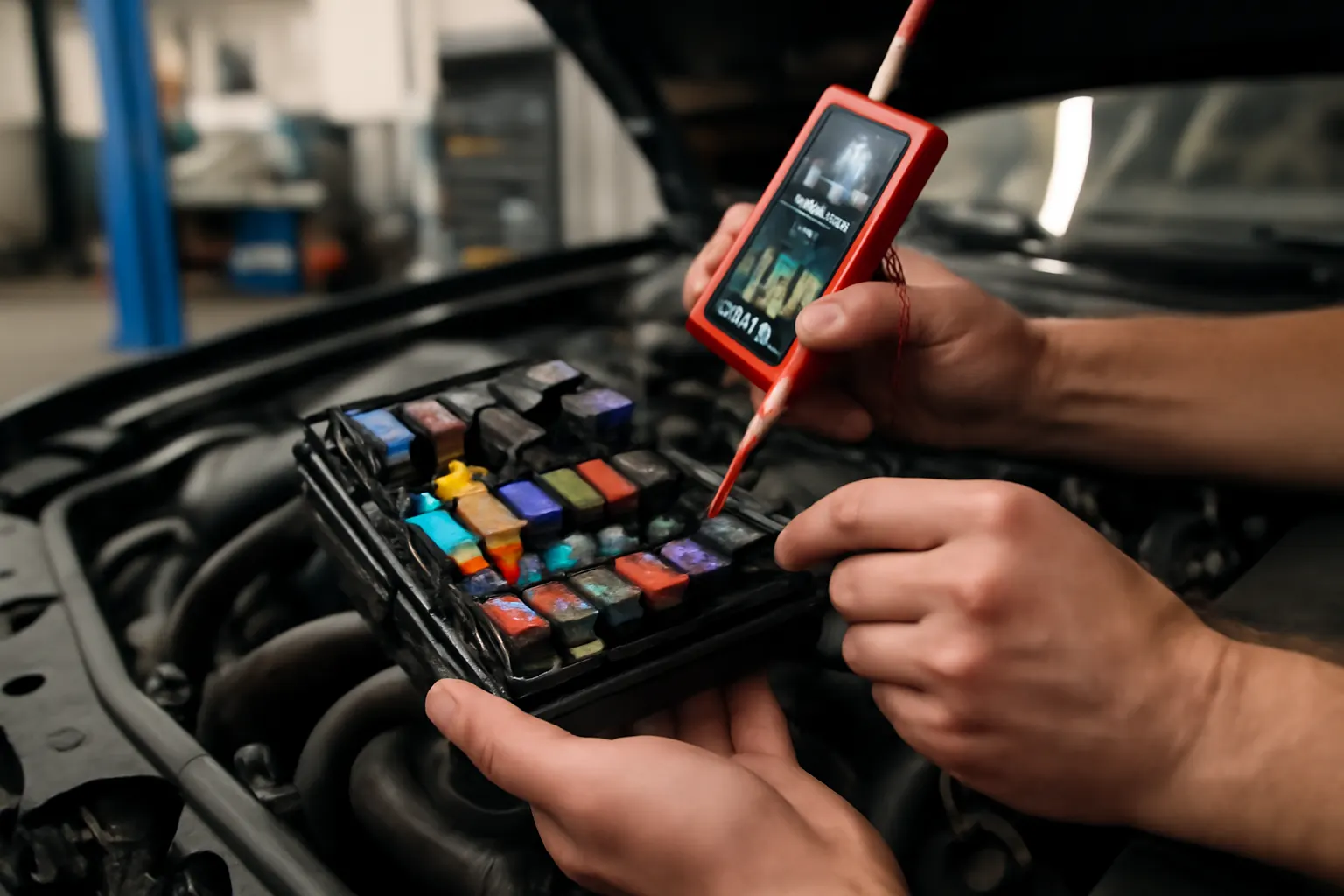
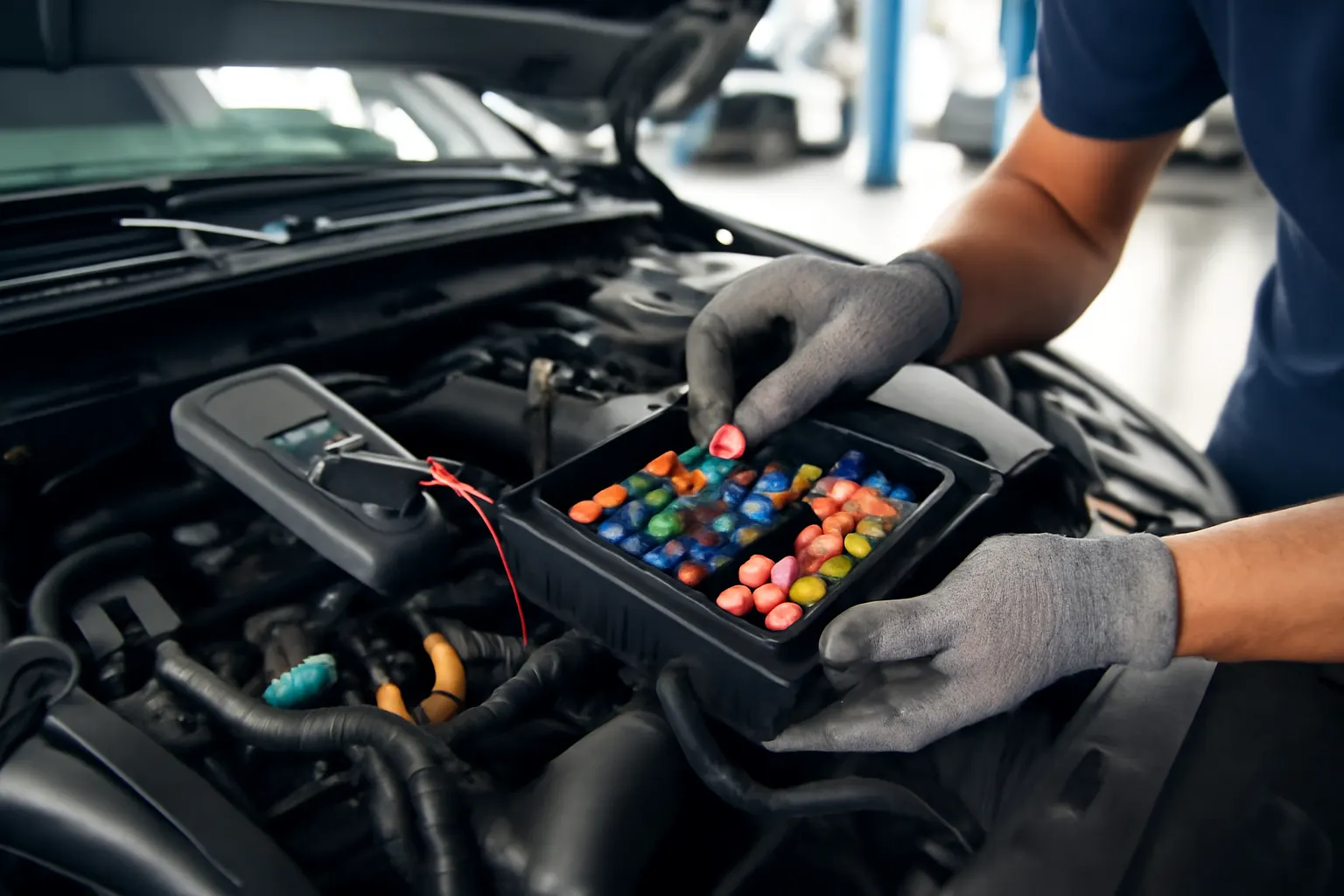
Modern vehicles are more reliant on complex electrical systems than ever before, making the engine fuse box a critical component for both reliability and safety. Upgrading your fuse box is not just a matter of convenience—it can directly impact your vehicle's performance, reduce the risk of electrical failures, and enhance overall safety. In this detailed guide, we’ll break down why fuse box upgrades matter, the hidden risks of outdated units, how modern technology changes the game, and practical steps for a successful upgrade. For an in-depth look at the function and importance of this component, visit our Engine Fuse Box: The Nerve Center of Modern Vehicle Electrical Systems page.
The Immediate Answer: Fuse Box Upgrades Are a Safety and Reliability Imperative
Upgrading your engine fuse box is one of the most effective ways to future-proof your vehicle’s electrical system. With the proliferation of advanced driver assistance systems (ADAS), infotainment, and electrically driven components, the demands on your fuse box have increased exponentially. A modern, high-quality fuse box:
- Reduces the risk of electrical fires and shorts.
- Improves system reliability by handling increased circuit loads.
- Supports the integration of new technology and aftermarket accessories.
- Enhances diagnostic capabilities for quicker troubleshooting.
Ignoring fuse box upgrades can leave your vehicle vulnerable to electrical failures that may compromise both safety and performance.
The Hidden Problem: Outdated Fuse Boxes Can Undermine Your Vehicle’s Safety
Many drivers overlook the fuse box, assuming it’s a “fit and forget” component. However, older fuse boxes—especially those in vehicles manufactured before the mid-2000s—often lack the capacity, materials, and circuit protection needed for today’s electrical loads. The risks include:
- Overheating and Melting: Older fuse boxes may not dissipate heat effectively, leading to melted connectors and potential fire hazards.
- Circuit Overload: As more devices draw power, outdated boxes can’t keep up, leading to blown fuses or, worse, unprotected circuits.
- Corrosion and Poor Contacts: Age and moisture ingress cause corrosion, increasing resistance and the likelihood of intermittent failures.
- Limited Diagnostic Support: Older units rarely support modern diagnostic tools, making troubleshooting time-consuming and expensive.
These issues are often invisible until a critical failure occurs—potentially leaving you stranded or jeopardizing your safety.
Why Modern Vehicles Demand More from the Engine Fuse Box
Today’s vehicles are rolling computers, loaded with electronic control units (ECUs), sensors, and actuators. The engine fuse box must now handle:
- Higher Circuit Counts: Modern vehicles routinely exceed 40–60 independent circuits.
- Sensitive Electronics: Sophisticated ECUs require stable, interference-free power.
- Aftermarket Upgrades: Owners frequently add high-draw accessories (e.g., LED lighting, upgraded audio, dash cams).
- Safety-Critical Loads: ABS, ESC, airbags, and ADAS all rely on protected, reliable power sources.
An outdated fuse box can become a single point of failure for these critical systems. As the National Highway Traffic Safety Administration (NHTSA) notes, equipment failures are a significant contributor to vehicle safety recalls and on-road incidents.
Technical Deep Dive: How Fuse Box Technology Has Evolved
To appreciate the importance of an upgrade, it’s useful to understand how fuse box technology has progressed:
Materials and Construction
- Old Designs: Early fuse boxes used basic phenolic or plastic housings with simple blade or glass fuses. Internal bus bars were often exposed, increasing the risk of shorts.
- Modern Designs: Today’s units use high-temperature, flame-retardant plastics, sealed connectors, and integrated circuit protection (mini, micro, and cartridge fuses). Internal layouts are optimized for heat dissipation and minimal voltage drop.
Diagnostic Integration
- Legacy Units: Minimal support for diagnostics—troubleshooting required manual testing of each circuit.
- Modern Units: Many fuse boxes now include integrated relays, current sensing, and CAN-bus communication, allowing for real-time status monitoring and easier fault isolation.
Circuit Protection
- Old Style: Limited to basic fuses, often with poor labeling and little room for expansion.
- Current Style: Modular designs support additional circuits, advanced relays, and even solid-state protection modules for critical loads.
Standards Compliance
Modern fuse boxes are often designed in accordance with SAE International standards, ensuring compatibility, safety, and reliability across a broad range of vehicles and aftermarket parts.
Common Symptoms of an Overdue Fuse Box Upgrade
How do you know if your vehicle’s fuse box is overdue for an upgrade? Watch for these warning signs:
- Frequent Blown Fuses: Repeated failures indicate overloaded or failing circuits.
- Melted or Discolored Fuse Holders: Signs of overheating or poor contact.
- Intermittent Electrical Issues: Flickering lights, dead accessories, or random warning lights.
- Corrosion or Moisture: White or green residue on terminals, or visible water inside the box.
- Burning Smell: Overheating insulation or connectors.
- Limited or No Expansion Capacity: No open slots for new circuits or accessories.
If you’re experiencing any of these symptoms, see our Top 5 Signs Your Engine Fuse Box Needs Attention for more details.
The Impact of a Modern Fuse Box on Reliability
Upgrading to a modern fuse box directly translates to improved reliability across several vectors:
- Stable Power Delivery: Modern units maintain consistent voltage and current delivery, reducing glitches and extending component life.
- Reduced Downtime: Enhanced diagnostics and modular design make troubleshooting and repairs faster and more effective.
- Lower Risk of Catastrophic Failure: Improved materials and circuit protection minimize the chances of a single fault disabling multiple systems.
- Future-Proofing: Modern boxes accommodate new accessories and technology, extending the useful life of your vehicle as your needs evolve.
With the growing complexity of vehicle electronics, a robust fuse box is no longer optional—it’s a cornerstone of reliable operation.
Safety Implications: Protecting Occupants and Equipment
The fuse box is more than just a junction point—it’s an active safety device. Its role in preventing electrical fires, protecting sensitive electronics, and ensuring the correct operation of safety-critical systems cannot be overstated. According to the NHTSA, electrical system failures are a leading cause of vehicle recalls and can directly impact systems such as:
- Airbags and seatbelt pretensioners
- Anti-lock braking systems (ABS)
- Electronic stability control (ESC)
- Engine management and emissions systems
A modern, well-maintained fuse box ensures that these systems remain operational when you need them most.
How Fuse Box Upgrades Support Fuel Efficiency
While often overlooked, the quality of your fuse box can indirectly affect fuel efficiency. The U.S. Department of Energy highlights that efficient electrical systems reduce parasitic losses and ensure optimal engine management. A modern fuse box:
- Reduces voltage drops that can lead to inefficient fuel injection or ignition timing.
- Supports advanced start-stop and hybrid systems by reliably managing power distribution.
- Minimizes wasted energy from poor connections or overheating.
In short, a healthy electrical system—anchored by a robust fuse box—supports the technologies that maximize your vehicle’s fuel economy.
Upgrading Your Fuse Box: A Practical Checklist
Before you proceed with an upgrade, review this practical checklist to ensure a smooth transition:
| Step | Task | Details |
|---|---|---|
| 1 | Assess Current System | Inspect for corrosion, overheating, or capacity issues. |
| 2 | Identify Electrical Loads | List all factory and aftermarket accessories requiring protection. |
| 3 | Select Compatible Upgrade | Choose a box rated for your vehicle’s voltage, amperage, and circuit count. |
| 4 | Verify Standards Compliance | Ensure the new unit meets SAE and OEM specifications. |
| 5 | Plan for Expansion | Select a box with spare slots for future accessories. |
| 6 | Gather Tools and Materials | Include fuses, relays, connectors, and wire as needed. |
| 7 | Disconnect Battery | Prevent shorts or accidental deployment of airbags. |
| 8 | Remove Old Unit | Label and document all connections for reference. |
| 9 | Install New Fuse Box | Securely mount and connect all circuits, checking for tightness and fit. |
| 10 | Test All Systems | Verify operation of every circuit and accessory. |
| 11 | Recheck After 1 Week | Inspect for loose connections or heating under load. |
For a detailed step-by-step guide, see our How to Replace an Engine Fuse Box Safely.
Diagnosing Electrical Issues Related to the Fuse Box
If you suspect your engine fuse box is the source of electrical problems, a systematic diagnostic approach can save time and money:
- Visual Inspection: Look for signs of overheating, corrosion, or physical damage.
- Fuse Testing: Use a multimeter to check for continuity across all fuses.
- Voltage Drop Testing: Measure voltage at key circuits to identify poor connections or resistance.
- Load Testing: Simulate maximum expected load and monitor for excessive heating or voltage sag.
- Scan Diagnostics: On modern vehicles, use a scan tool to check for stored fault codes related to power distribution.
If you need more help, our Diagnosing Electrical Issues in the Engine Bay guide offers a comprehensive troubleshooting workflow.
Sourcing the Right Fuse Box for Your Vehicle
Not all fuse boxes are created equal. When sourcing a replacement or upgrade, consider the following:
- OEM vs. Aftermarket: OEM units guarantee fitment and compliance, but quality aftermarket options may offer more features or expansion.
- Compatibility: Match voltage (usually 12V), maximum amperage, and mounting style.
- Circuit Count: Ensure sufficient slots for all existing and planned accessories.
- Build Quality: Look for high-temperature plastics, sealed connectors, and robust bus bars.
- Supplier Reputation: Choose reputable suppliers with solid warranties and technical support.
AutoPartEx offers a curated selection of engine fuse boxes for a wide range of makes and models, ensuring you can find an upgrade that fits your vehicle and your needs.
Installation Best Practices: Ensuring a Safe and Effective Upgrade
Proper installation is as important as the fuse box itself. Follow these best practices:
- Disconnect the Battery: Always isolate the electrical system before beginning work.
- Label All Wires: Use tags or photos to record original connections.
- Use Correct Tools: Crimpers, torque drivers, and dielectric grease are essential for reliable connections.
- Secure Mounting: Ensure the fuse box is firmly attached and protected from moisture, vibration, and heat.
- Check All Circuits: After installation, test every circuit under load to verify proper function.
- Document the Upgrade: Update your vehicle’s maintenance records with details of the new fuse box.
If you’re not comfortable with complex wiring, consider professional installation—especially in newer vehicles with integrated diagnostic systems.
Maintenance Tips to Maximize Fuse Box Longevity
Routine maintenance can extend the life of your fuse box and prevent future issues:
- Inspect Regularly: Check for signs of corrosion, discoloration, or loose connectors every 6–12 months.
- Clean Contacts: Use electrical contact cleaner and a soft brush to remove debris.
- Replace Fuses Proactively: Swap out old or worn fuses, even if they haven’t failed.
- Protect from Moisture: Ensure covers and seals are intact to prevent water ingress.
- Monitor Loads: If adding accessories, verify that the total load doesn’t exceed fuse or box ratings.
Consistent maintenance is especially critical in harsh environments or older vehicles.
When to Upgrade: Timing and Triggers
Not sure if it’s time for a fuse box upgrade? Consider these triggers:
- Major Electrical Upgrades: Adding high-powered accessories (e.g., winches, amplifiers, lighting).
- Recurring Electrical Problems: Persistent fuse failures, shorts, or diagnostic codes.
- Safety Recalls: Check the NHTSA recall database for known issues affecting your vehicle.
- Age and Condition: Vehicles over 10 years old, especially those with visible wear or corrosion, are prime candidates.
- Planned Vehicle Longevity: If you intend to keep your vehicle for the long haul, a proactive upgrade can prevent future headaches.
Future-Proofing: Supporting New Technologies and Accessories
A modern engine fuse box isn’t just about today’s needs—it’s about tomorrow’s technology. Upgrading provides:
- Capacity for Advanced Safety Systems: As ADAS and electrification become standard, your fuse box must keep pace.
- Support for Aftermarket Innovation: From high-output lighting to telematics and charging ports, a modular fuse box enables easy expansion.
- Improved Diagnostics: Integrated current sensing and communication streamline future troubleshooting and upgrades.
By investing in a quality fuse box now, you’re setting your vehicle up for a safer, more reliable future.
AutoPartEx: Your Partner in Fuse Box Upgrades
At AutoPartEx, we understand the critical role of the engine fuse box in your vehicle’s performance and safety. Our expert-curated inventory covers a wide range of engine fuse boxes, from OEM replacements to advanced upgrade kits. We also provide detailed installation guides, technical support, and a commitment to quality that ensures your upgrade is a lasting investment. Whether you drive an Acura, Alfa, AMC, or another make, our resources and product selection help you make informed, confident choices.
Conclusion: Don’t Overlook the Heart of Your Vehicle’s Electrical System
In summary, upgrading your engine fuse box is a proactive step that delivers tangible benefits in reliability, safety, efficiency, and future readiness. In the evolving landscape of modern vehicles, the fuse box is no longer a passive component—it’s an active safeguard for everything from basic lighting to the most advanced safety systems. Take the time to assess, upgrade, and maintain this critical part, and you’ll enjoy peace of mind on every drive.