
Engine Fuse Box
Engine Fuse Box: Key Considerations for Reliable Performance
Engine fuse boxes are often out of sight and out of mind—until a sudden electrical issue brings your vehicle to a halt. Many drivers overlook the importance of this component, but understanding its role and potential problems can prevent unexpected breakdowns. This guide helps you recognize overlooked considerations, diagnose issues, and make informed choices when selecting or replacing an engine fuse box.
Showing 1–8 of 1306 products


More Engine Fuse Box options
Filtering for Engine Fuse BoxBrowse nearby inventory for this category without leaving the page. Use search to filter by price, part number, or city.
No Data Available
Please check back soon when more inventory is available for this part.
Engine Fuse Box: Key Considerations for Reliable Performance
Why the Engine Fuse Box Deserves More Attention
Many vehicle owners rarely think about their engine fuse box until something goes wrong. This component, tucked away in the engine bay, quietly manages the distribution and protection of electrical circuits critical to your car’s operation. While it may seem like a simple part, the fuse box’s health can have far-reaching impacts on everything from starting the engine to powering essential accessories. Overlooking its maintenance or replacement can lead to inconvenient or even hazardous failures.
A common misconception is that electrical issues are always rooted in wiring or battery problems, but the fuse box itself can be a source of trouble. Corroded terminals, blown fuses, or internal faults can disrupt multiple systems at once, sometimes without obvious warning signs. This makes the engine fuse box a crucial checkpoint in any electrical troubleshooting process, especially in vehicles with complex electronics.
Understanding the subtle warning signs and the underlying importance of the engine fuse box can save you time, money, and frustration. By becoming more aware of its role and the potential for overlooked issues, you put yourself in a better position to maintain your vehicle’s reliability and safety. Let’s explore what can go wrong, how to spot it, and the best ways to address engine fuse box concerns.

Recognizing the Real Issues with Engine Fuse Boxes
Electrical problems in the engine bay often present as intermittent failures, unexplained warning lights, or non-functioning accessories. While these symptoms can point to many possible culprits, the engine fuse box is a central hub that deserves early attention. Its function is to protect circuits and manage power distribution, so any compromise can cascade into multiple system failures. The challenge is that the fuse box’s internal faults are not always visible or easy to diagnose without a careful inspection.
Modern vehicles rely on sophisticated electrical systems, making the engine fuse box more complex than ever. In older cars, a blown fuse might be the extent of the issue, but newer models often integrate relays, control modules, and even diagnostic interfaces within the fuse box. This integration means that a single fault can affect several unrelated systems, leading to confusing or misleading symptoms. Owners may spend time and money chasing down wiring or sensor issues, when the root cause lies within the fuse box itself.
Environmental factors such as moisture, heat, and vibration can accelerate wear and corrosion inside the fuse box. Water intrusion—whether from a leaking windshield, hood seal, or engine wash—can corrode terminals and compromise connections. Over time, this can lead to increased resistance, heat buildup, and eventual failure of protected circuits. Even in dry climates, dust and debris can infiltrate the box, creating intermittent contact or shorts.
Another overlooked issue is the use of incorrect or low-quality replacement fuses and relays. These may not match the original specifications, leading to inadequate protection or premature failure. In some cases, previous owners or mechanics may have bypassed blown fuses or used makeshift repairs, creating hidden hazards. This makes a thorough inspection and proper documentation essential when diagnosing electrical issues in the engine bay.
Vehicle recalls and manufacturer communications sometimes address fuse box defects, but not all problems are covered by these campaigns. According to the National Highway Traffic Safety Administration (NHTSA), recall databases can be searched by VIN or license plate to identify open recalls for a specific vehicle. However, not every issue leads to a recall, and some defects may only surface through owner complaints or after-market investigations. This underscores the importance of proactive inspection and maintenance, rather than waiting for an official notice NHTSA: Vehicle Recalls.
Ultimately, the real issue is that engine fuse box problems are easy to overlook until they cause significant inconvenience or safety risks. By understanding the potential failure modes and the limitations of recall systems, owners can take a more active role in maintaining their vehicle’s electrical health. This proactive approach is especially important for vehicles out of warranty or those with a history of electrical issues.
Practical Steps for Diagnosing and Replacing Your Engine Fuse Box
When faced with electrical issues in your vehicle, start with a systematic approach to diagnosis. Begin by reviewing the symptoms: are multiple systems affected, or is the problem isolated to one circuit? If several unrelated functions are failing, the engine fuse box should be among the first components you inspect. Remove the fuse box cover and visually check for blown fuses, melted plastic, corrosion, or signs of water intrusion. Use a flashlight to inspect less visible areas and look for evidence of overheating or burnt smells.
If you find blown fuses, replace them with new ones of the correct amperage rating. Avoid the temptation to use higher-rated fuses or makeshift repairs, as these can compromise circuit protection and lead to further damage. If a fuse blows repeatedly, this suggests an underlying problem—possibly within the fuse box itself, such as a shorted terminal or internal fault. Document the affected circuits and consult your vehicle’s wiring diagram to trace connections. If you’re unsure, consider seeking a second opinion from a qualified technician, as recommended by the Federal Trade Commission (FTC) FTC: Auto Repair Basics.
For more complex issues, such as intermittent failures or multiple system outages, use a multimeter to check for voltage at the fuse terminals and relays. Compare readings with the specifications in your vehicle’s service manual. If you detect voltage drops, poor continuity, or unexplained resistance, this may indicate internal corrosion or a failed component within the fuse box. Some vehicles allow for partial disassembly of the fuse box to inspect internal bus bars and connections, but this should be done with caution to avoid further damage.
If inspection confirms that the fuse box is at fault, identify the correct replacement part. Engine fuse boxes are often specific to the vehicle’s year, make, model, and engine configuration. Salvage parts may be an option, but ensure they match your original unit in both layout and part number. The FTC advises comparing new, remanufactured, and salvage options, and to get a written estimate for parts and labor before authorizing repairs FTC: Auto Repair Basics.
Before installation, disconnect the vehicle’s battery to prevent accidental shorts or damage to sensitive electronics. Carefully remove the old fuse box, noting the routing and labeling of all wires and connectors. Take photographs or label connections to aid in reassembly. Install the replacement unit, ensuring all connections are secure and properly seated. Reconnect the battery and test all affected systems to confirm proper operation. If issues persist, recheck your work and consult a professional if needed.
After replacement, keep a record of the repair, including the part number, source, and date of installation. This documentation can be invaluable for future troubleshooting and for maintaining your vehicle’s resale value. If you purchased a salvage part, note its origin and any warranty or return policy offered by the seller. While there is no standard warranty on repairs, understanding your coverage and getting it in writing is essential, as highlighted by the FTC FTC: Auto Repair Basics.
Regular inspection of the engine fuse box can help prevent future issues. Check for signs of moisture, corrosion, or loose connections during routine maintenance. If your vehicle is subject to a recall or manufacturer service campaign, follow up promptly to ensure any necessary repairs are completed. Register your vehicle with the manufacturer and check recall databases at least twice a year for updates NHTSA: Vehicle Recalls.
For more detailed guides on diagnosing electrical issues and safe replacement procedures, refer to resources such as "Diagnosing Electrical Issues in the Engine Bay" and "How to Replace an Engine Fuse Box Safely". These step-by-step instructions can help you avoid common pitfalls and ensure a successful repair. Staying informed and methodical in your approach will help you maintain a reliable and safe electrical system in your vehicle.
What the Evidence Says About Engine Fuse Box Issues and Solutions
The National Highway Traffic Safety Administration (NHTSA) provides a comprehensive overview of how vehicle recalls and safety defect investigations are managed in the United States. Their recall database allows owners to search by VIN or license plate to determine if a specific vehicle has any open recalls, including those related to engine fuse boxes. However, the NHTSA explicitly states that not all defects result in recalls, and some issues may only come to light through owner complaints or after-market investigations. This means that while recall lookups are valuable, they do not guarantee that every potential fuse box problem will be identified or addressed by the manufacturer NHTSA: Vehicle Recalls.
NHTSA also outlines the steps involved in addressing safety defects: from owner complaints to investigations, and ultimately, to recalls and remedies. Manufacturers are required to notify owners and offer a free repair, replacement, or refund if a recall is issued. However, this process depends on the identification of a safety-related defect and may not cover all types of engine fuse box failures. For example, non-safety-related issues or problems in vehicles more than 15 years old may not be included in recall campaigns. Owners are therefore encouraged to remain vigilant and proactive in monitoring their vehicle’s electrical health NHTSA: Vehicle Recalls.
The Federal Trade Commission (FTC) offers practical advice for consumers facing auto repairs, emphasizing the importance of getting a written estimate, understanding the difference between new, remanufactured, and salvage parts, and seeking a second opinion for complicated repairs. The FTC does not provide vehicle-specific technical specifications or endorse particular parts, but its guidance is especially relevant when selecting a replacement engine fuse box. By comparing options and verifying technician experience, owners can increase the likelihood of a successful repair FTC: Auto Repair Basics.
The FTC further advises that there is no standard warranty on repairs, and consumers should understand any coverage offered by the seller or repair shop. This is particularly important when purchasing salvage or used engine fuse boxes, as warranty terms may vary widely. Keeping detailed records of the repair, including parts used and work performed, is recommended for future reference and potential warranty claims. This approach helps protect consumers from unexpected costs or disputes down the line FTC: Auto Repair Basics.
While neither NHTSA nor FTC sources provide specific statistics or case studies on engine fuse box failure rates, their published guidance supports a methodical approach to diagnosis and repair. For example, NHTSA’s recall process relies on owner reports and trend analysis to identify potential defects, while the FTC’s consumer advice encourages careful comparison and documentation. Together, these sources establish that proactive inspection and informed decision-making are the best defenses against unexpected electrical failures.
It is important to distinguish between general consumer advice and vehicle-specific evidence. The NHTSA recall database can identify known safety defects for particular models, but a clean recall record does not rule out the possibility of engine fuse box problems. Similarly, the FTC’s recommendations help guide the repair process but do not substitute for technical expertise or manufacturer documentation. Owners should use these resources as starting points and supplement them with vehicle-specific service manuals and professional diagnostics when needed.
In summary, the available evidence underscores the need for vigilance, documentation, and informed comparison when dealing with engine fuse box issues. By leveraging recall databases, following consumer protection advice, and consulting reputable repair guides, owners can navigate the complexities of electrical repairs with greater confidence. While the sources do not provide detailed technical procedures or failure statistics, they offer a solid foundation for making responsible repair and replacement decisions.
Take the Next Step Toward Reliable Electrical Performance
If you suspect an issue with your engine fuse box or want to ensure your vehicle’s electrical system is in top shape, start by inspecting the component and reviewing your vehicle’s recall status. Consult trusted guides and compare replacement options, keeping thorough records of your findings and repairs. By staying proactive and informed, you can prevent costly breakdowns and maintain the reliability of your car’s electrical system. Explore our resources for more detailed instructions and expert advice.
References
- NHTSA: Vehicle Recalls
- FTC: Auto Repair Basics
References
- NHTSA: Vehicle Recalls - NHTSA, accessed 2026-11-01
- FTC: Auto Repair Basics - FTC, accessed 2026-11-01
Related Guides & Articles

Diagnosing Electrical Issues in the Engine Bay
Electrical issues in the engine bay can quickly transform a reliable vehicle into a source of frustration and potential safety risks. The engine fuse box, often called the nerve center of your vehicle’s electrical system, plays a pivotal role in distributing power and protecting circuits. When problems arise—whether it’s a no-start condition, flickering headlights, or erratic sensor behavior—knowing how to systematically diagnose and resolve electrical issues related to the engine fuse box is essential for any vehicle owner or technician.
View Guide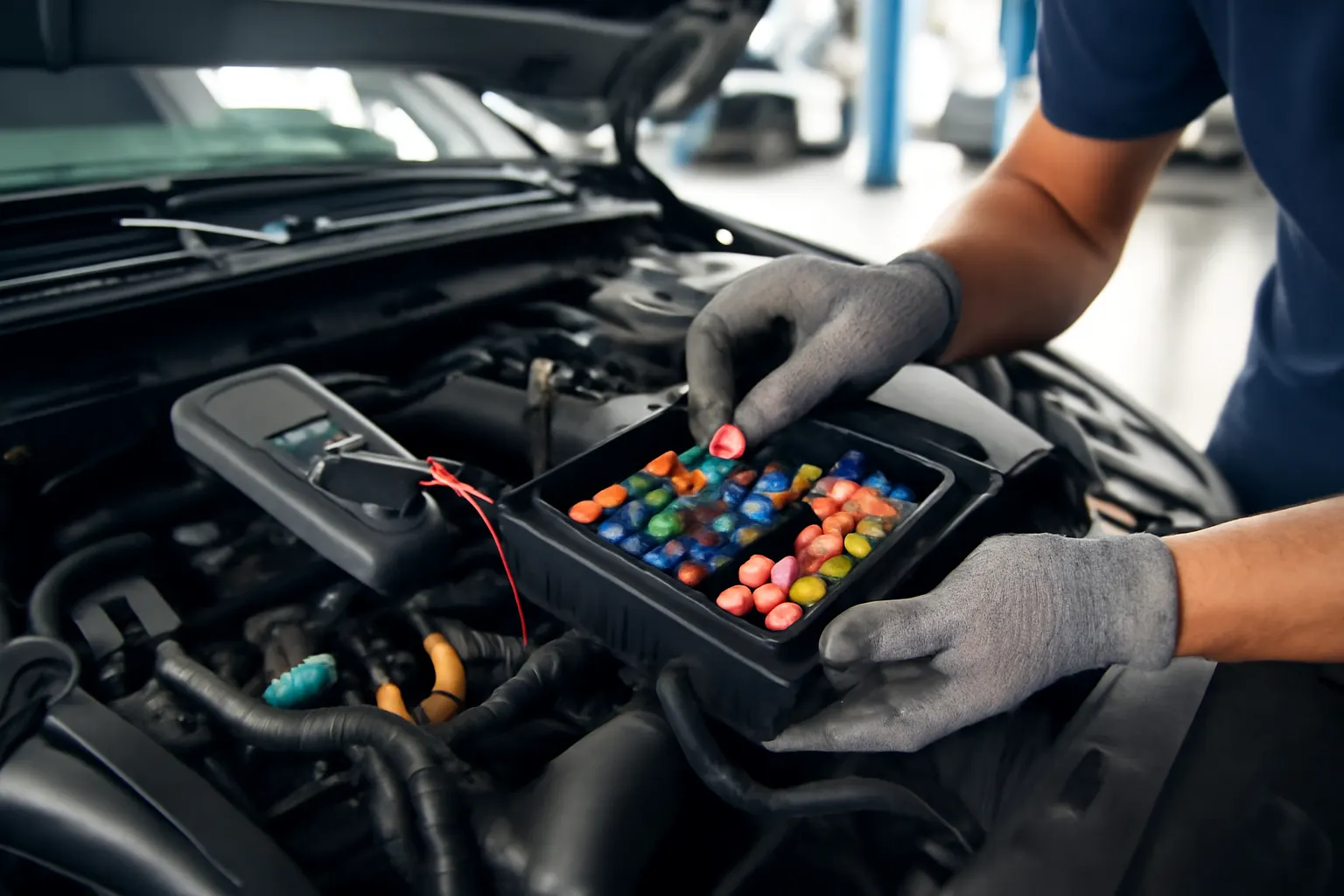
Why Fuse Box Upgrades Matter for Modern Vehicles
Modern vehicles are more reliant on complex electrical systems than ever before, making the engine fuse box a critical component for both reliability and safety. Upgrading your fuse box is not just a matter of convenience—it can directly impact your vehicle's performance, reduce the risk of electrical failures, and enhance overall safety.
Read More
How to Replace an Engine Fuse Box Safely
Replacing an engine fuse box is a task that many skilled DIYers and professional technicians may encounter as a vehicle ages or develops electrical issues. Done correctly, it restores electrical reliability and protects critical components. Done incorrectly, it can introduce new electrical problems, compromise safety systems, or even cause vehicle damage. This comprehensive guide from AutoPartEx delivers step-by-step instructions and practical insights for safely removing and installing a new engine fuse box.
View Guide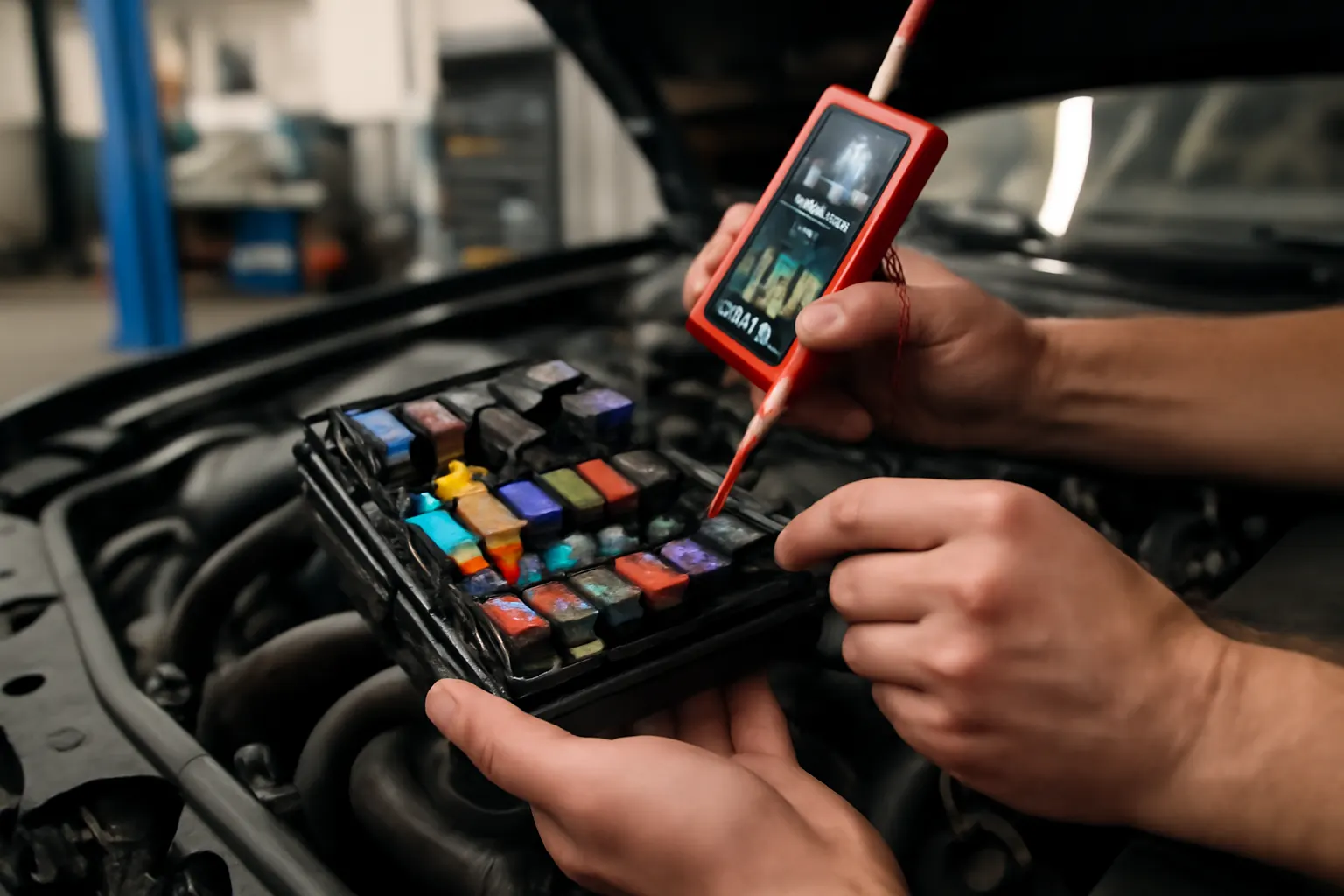
Top 5 Signs Your Engine Fuse Box Needs Attention
If your vehicle is experiencing unexplained electrical issues, stalling, or intermittent failures of critical systems, your engine fuse box may be signaling for help. The engine fuse box acts as the nerve center of your vehicle’s electrical system, distributing and protecting power to everything from the ignition to advanced safety modules. Recognizing the early warning signs of a failing fuse box can save you from costly repairs, unsafe driving conditions, and unexpected breakdowns.
Read More