Advertisement
Saturn S-Series: Long-Term Maintenance Patterns
The Saturn S-Series has earned its reputation as a dependable, economical, and uniquely engineered compact car line. Owners and technicians alike recognize that with thoughtful maintenance, S-Series models—SL, SC, SW from 1991–2002—can deliver robust longevity and surprising reliability. This guide distills real-world maintenance cycles, recurring wear points, and expert-backed service strategies to help Saturn S-Series owners extend vehicle life, minimize costs, and avoid common pitfalls.
If you’re seeking Saturn S-Series OEM fitment, compatibility data, or deeper engineering references, the Saturn Auto Parts: OEM Fitment, Compatibility & Engineering Reference | AutoPartEx page is your primary technical resource.
The Immediate Answer: Proven Maintenance Cycles for Saturn S-Series Longevity
To maximize the lifespan and reliability of any Saturn S-Series, adhere to a rigorous maintenance schedule focused on the platform’s unique blend of polymer body panels, aluminum engine blocks, and cost-effective GM-sourced components. The most successful S-Series owners and Saturn-specialist shops follow these core maintenance cycles:
- Engine Oil & Filter: Change every 3,000–5,000 miles, regardless of oil type. Saturn’s 1.9L engines are prone to oil consumption and benefit from frequent oil changes.
- Transmission Fluid: For automatics, replace fluid and filter every 30,000 miles. For manuals, change fluid every 60,000 miles.
- Coolant Flush: Replace every 4 years or 60,000 miles to prevent head gasket and radiator issues.
- Spark Plugs & Wires: Inspect annually, replace every 60,000 miles.
- Timing Chain (Not Belt): Inspect for noise every 100,000 miles; chains typically last the engine’s life if oil changes are maintained.
- Brakes, Suspension, and Steering Components: Inspect at every service, replace as needed.
- Polymer Body Panels: Regularly inspect for mounting hardware corrosion and address promptly.
This baseline schedule addresses the S-Series’ most common failure points and ensures core systems remain in optimal working order.
The Hidden Problem: Unique Saturn S-Series Wear Patterns
While the S-Series is famous for its corrosion-resistant polymer panels, owners often overlook other, less obvious vulnerabilities:
- Engine Oil Consumption: Both SOHC and DOHC engines develop oil burning due to stuck oil control rings and valve guide wear.
- Radiator End Tank Cracks: The plastic end tanks on OE radiators commonly fail near 100,000 miles.
- Upper Engine Mount Failure: The torque axis mount deteriorates, causing vibration and alignment issues.
- Shifter Bushing Degradation (Manuals): The plastic bushing at the base of the shifter is a known weak spot.
- Subframe Rust: Despite polymer panels, the steel subframe is susceptible to corrosion, especially in northern climates.
- Instrument Cluster and Electrical Gremlins: Age-related solder joint failures and connector corrosion are increasingly common.
These failures rarely lead to catastrophic breakdowns if caught early, but they can cascade into more expensive repairs if ignored.
Expanding the Problem: Saturn S-Series Engineering and Design Impacts
Understanding Saturn’s engineering philosophy provides context for the S-Series’ maintenance needs:
- Polymer Body Panels: While immune to rust, these panels can hide underlying steel structure rust, especially around rocker panels and door sills.
- Aluminum Engine Block: Lightweight for efficiency, but sensitive to coolant neglect, leading to head gasket and timing chain issues.
- Simplified Suspension: MacPherson struts up front and a torsion beam rear make for easy maintenance, but bushings and mounts age rapidly.
- GM Parts Sourcing: Many mechanical components are shared with other GM small cars, aiding availability but sometimes causing compatibility confusion.
The S-Series’ blend of innovative and conventional engineering means some parts outlast expectations, while others require more frequent attention.
The Solution Path: Saturn S-Series Maintenance Checklist
A disciplined, model-specific checklist is the best defense against premature wear. Use this targeted Saturn S-Series long-term maintenance checklist:
Advertisement
Saturn S-Series Long-Term Maintenance Checklist
| Item | Interval | Notes & Critical Issues |
|---|---|---|
| Engine Oil & Filter | 3,000–5,000 miles | Watch for oil consumption; top off as needed |
| Transmission Fluid/Filter | 30,000 miles (auto) | Use Dexron III or compatible; manual: 60,000 miles |
| Spark Plugs & Wires | 60,000 miles | Use NGK or AC Delco copper plugs; avoid platinum |
| Coolant Flush | 60,000 miles/4 years | Use silicate-free coolant; critical for aluminum block |
| Timing Chain | Inspect @ 100,000 miles | Listen for rattle, especially on cold start |
| Engine Mounts | 60,000–100,000 miles | Replace upper mount at first sign of vibration |
| Radiator | 100,000 miles | Inspect for end tank cracks; replace proactively |
| Water Pump | 100,000 miles | Inspect or replace with radiator service |
| Serpentine Belt | 60,000 miles | Inspect for cracks/fraying; replace as needed |
| Brakes (Pads/Rotors) | Inspect every service | Watch for rotor rust and caliper sticking |
| Suspension Bushings | 60,000 miles | Replace if cracked/compressed |
| Subframe/Steel Rust | Annually | Inspect especially at front cradle and rear trailing arms |
| Shifter Bushing (Manual) | 100,000 miles | Replace with upgraded aftermarket or OEM part |
| PCV Valve | 30,000 miles | Use OEM or high-quality aftermarket |
| Fuel Filter | 60,000 miles | Clogged filters cause hard starting and hesitation |
Diagnosing the Saturn S-Series: Early Warning Signs
Timely diagnosis is crucial for preventing minor issues from escalating. Watch for these S-Series-specific symptoms:
- Blue Exhaust Smoke: Indicates oil burning; check oil control rings and valve seals.
- Harsh or Delayed Shifts (Automatic): Often caused by old fluid or valve body wear.
- Vibration at Idle: Usually from failed upper engine mount or transmission mount.
- Coolant Leaks: Look for pink residue around radiator end tanks and water pump.
- Loose Shifter (Manual): Worn shifter bushing; can lead to shift failure.
- Clunking Over Bumps: Suspension bushing or strut mount wear.
- Soft Brake Pedal: Master cylinder or brake line corrosion.
Addressing these issues early can prevent expensive repairs and preserve vehicle safety.
Saturn S-Series Engine Maintenance: The Oil Consumption Challenge
One of the most persistent issues with S-Series engines is oil consumption, especially in higher-mileage examples. The root causes are:
- Stuck Oil Control Rings: Carbon buildup reduces ring mobility.
- Valve Guide Wear: Allows oil seepage into combustion chambers.
- PCV System Degradation: Fails to regulate crankcase pressure, exacerbating oil leaks.
Mitigation Strategies:
- Use high-quality detergent oils and change oil frequently.
- Install an OEM or improved PCV valve.
- Periodically perform piston soak procedures with approved solvents.
- Monitor oil level every fuel fill-up and top off as needed.
Neglecting oil consumption issues not only risks engine damage but can also degrade fuel efficiency and emissions performance, as outlined by the U.S. Department of Energy’s fuel efficiency guidelines.
Transmission Longevity: Fluid, Filter, and Valve Body
Saturn S-Series automatics (MP6/MP7) are robust when maintained, but fluid neglect or valve body wear can cause costly failures. Manuals (MP2/MP3) are generally trouble-free but require periodic fluid changes.
Critical Steps:
- Always use Dexron III or a compatible ATF for automatics; incorrect fluids can cause harsh shifting.
- Replace the transmission filter at every fluid change.
- For shifting issues, consider a valve body rebuild or replacement before assuming total transmission failure.
- For manuals, use the specified gear oil and inspect the shifter bushing at every clutch service.
Following these steps aligns with SAE International standards for transmission service and testing.
Cooling System: Preventing Overheating and Head Gasket Failure
The S-Series’ aluminum engine block and plastic radiator end tanks are sensitive to coolant neglect and overheating:
- Flush coolant every 60,000 miles or 4 years—using only silicate-free, aluminum-safe coolant.
- Inspect radiator and water pump for leaks, especially after 100,000 miles.
- Replace the thermostat and radiator cap as preventative maintenance.
- Check for crusty residue on the passenger side of the radiator—a sign of impending end tank failure.
Advertisement
Overheating is the fastest way to destroy an S-Series engine; vigilant cooling system maintenance is non-negotiable.
Suspension, Steering, and Brakes: Keeping Ride and Safety Tight
The S-Series’ simple MacPherson strut and torsion beam suspension is inexpensive to maintain, but components wear relatively quickly:
- Struts and mounts typically last 60,000–100,000 miles.
- Control arm bushings and sway bar links are common failure points.
- Rear drum brakes require periodic adjustment and cleaning.
- Inspect brake lines and master cylinder for corrosion, especially in salted environments.
Follow NHTSA safety equipment guidelines when selecting replacement parts to ensure compliance and reliability.
Body, Structure, and Rust: Beyond Polymer Panels
Saturn’s signature polymer panels resist dents and rust, but the underlying steel subframe and suspension components are vulnerable:
- Front subframe (“cradle”) rust is the leading structural failure, especially near engine mount points.
- Rear trailing arms and rocker panels also corrode, sometimes hidden by intact polymer panels.
- Annual underbody inspections and application of rust inhibitors are strongly recommended in northern climates.
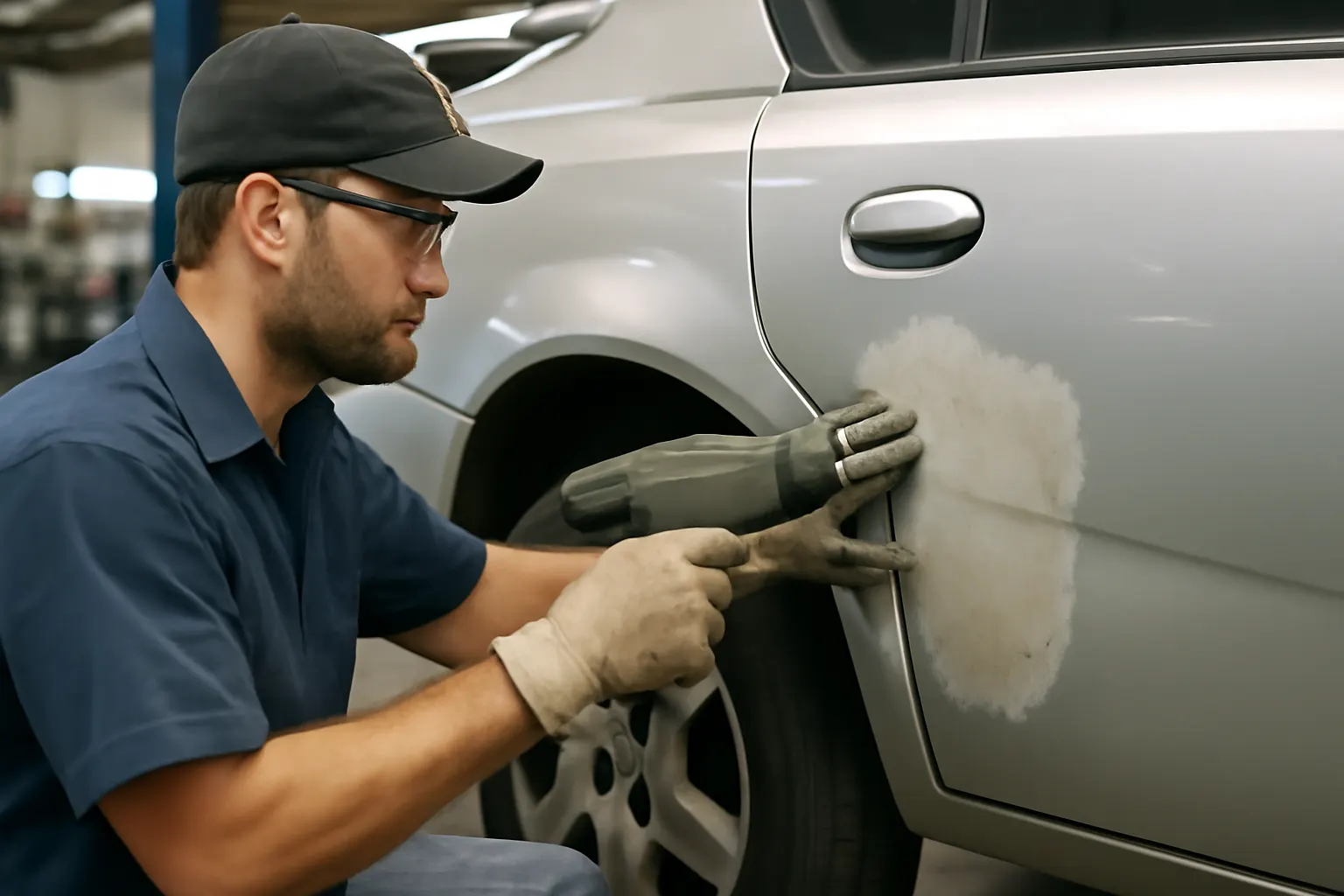
- Polymer panel repair is possible for cosmetic issues; see our Polymer Panel Repair on Saturns guide for tips.
Ignoring underbody rust can render an otherwise healthy S-Series unroadworthy.
Electrical and Interior: Diagnosing Age-Related Gremlins
As S-Series vehicles age, electrical issues become more frequent:
- Instrument cluster failures: Often caused by cracked solder joints; repairable with reflow techniques.
- Power window and lock malfunctions: Usually due to worn switches or corroded connectors.
- Headlight wiring and DRL modules: Prone to corrosion and connector failure.
- Blower motor resistors: Fail and cause loss of lower fan speeds.
Regularly inspect and clean electrical connectors, and use dielectric grease to prevent future corrosion.
Sourcing Saturn S-Series Parts: OEM vs Aftermarket
With Saturn discontinued since 2010, sourcing quality parts is a growing concern:
- Mechanical parts (engine, transmission, brakes): Widely available, often shared with other GM models.
- Body and trim pieces: Increasingly scarce; salvage yards and specialty suppliers are primary sources.
- Electrical modules and sensors: Prioritize OEM or high-quality aftermarket to avoid compatibility issues.
- Polymer body panels: Seek out reputable used parts; see Buying Used Saturn Parts: Risks & Checks for sourcing guidance.
For the most accurate fitment and compatibility data, consult Saturn Parts Compatibility Guide.
Real-World Owner Strategies: Extending S-Series Vehicle Life
Long-term S-Series owners and Saturn specialists recommend these practical strategies:
- Monitor oil and coolant levels religiously.
- Address minor problems immediately to prevent escalation.
- Keep detailed maintenance records for tracking and resale.
- Join Saturn owner forums for up-to-date tips and troubleshooting.
- Use anti-corrosion sprays on underbody and subframe annually.
- Replace wear items proactively—engine mounts, bushings, and sensors—rather than waiting for failure.
Proactive maintenance, not just reactive repair, is the key to S-Series longevity.
Fitment and Compatibility: Navigating GM Parts Interchange
Many S-Series mechanical components interchange with other GM small cars, but body, interior, and some electrical parts are Saturn-specific:
- Engine and transmission parts often cross-reference with Chevrolet Cavalier and Pontiac Sunfire.
- Suspension and brake components are widely shared, but verify part numbers for S-Series-specific bushings and mounts.
- Body panels, lighting, and dash components are unique to Saturn and require careful sourcing.
- Always consult the Saturn Auto Parts: OEM Fitment, Compatibility & Engineering Reference | AutoPartEx for authoritative interchange data.
Using the wrong part can cause fitment issues, safety risks, and additional expense.
AutoPartEx: Your Saturn S-Series Engineering and Sourcing Resource
AutoPartEx is dedicated to providing Saturn S-Series owners, enthusiasts, and technicians with the most accurate, engineering-based fitment, compatibility, and maintenance reference material available. Whether you are planning a high-mileage rebuild or simply want to keep your S-Series running strong, our platform delivers:
- Verified OEM and aftermarket part compatibility
- Model-specific service interval guidance
- Diagnostic procedures tailored to Saturn engineering
- Internal links to Saturn fitment and compatibility resources
Explore our Saturn S-Series category for the latest updates, technical guides, and sourcing options. Our editorial team consolidates SAE standards, NHTSA safety recommendations, and owner-proven maintenance strategies for your benefit.
References
Advertisement