Advertisement
How to Spot Counterfeit Saturn Parts
Counterfeit Saturn parts are a persistent threat to vehicle safety, performance, and your wallet. To avoid costly mistakes and potential hazards, it’s essential to recognize the telltale signs of fake auto parts—especially now that Saturn OEM components are increasingly rare. This comprehensive guide will walk you through the most reliable methods for identifying counterfeit Saturn parts, from packaging and markings to supplier red flags and technical fitment issues. Whether you’re a Saturn owner, a DIY mechanic, or a professional technician, mastering these detection techniques will help ensure your repairs and maintenance are safe, reliable, and cost-effective.
If you’re searching for genuine Saturn components, begin by consulting the Saturn Parts Catalog or our Saturn Auto Parts: OEM Quality, Fitment, and Sourcing | AutoPartEx page for trusted sources and verified fitment.
Why Counterfeit Saturn Parts Are a Serious Risk
Counterfeit auto parts aren’t just a nuisance—they’re a direct threat to your Saturn’s safety, reliability, and value. The National Highway Traffic Safety Administration (NHTSA) has documented that counterfeit components often fail to meet critical safety and performance standards, increasing the risk of accidents, breakdowns, and costly secondary damage to your vehicle’s systems. Unlike authentic Saturn parts, which are engineered and tested to manufacturer and SAE standards, counterfeit versions may use inferior materials, lack proper quality control, and fail under stress or in emergency situations [^1].
With the discontinuation of Saturn as a GM brand, the market for Saturn replacement parts has become fragmented, making it easier for counterfeiters to insert fake items into supply chains. This makes vigilance even more important for Saturn owners, who must rely on a mix of new old stock (NOS), OEM surplus, and aftermarket suppliers.
The Hidden Problem: Counterfeits Often Look Convincingly Real
One of the most challenging aspects of detecting counterfeit Saturn parts is that many fakes are visually convincing. Counterfeiters have become adept at mimicking packaging, part numbers, and even Saturn’s distinctive branding. In some cases, fake parts are even sold as “OEM equivalent” or “direct fit,” making it difficult for the average consumer or even experienced mechanics to distinguish them from genuine components without close inspection.
However, despite their outward appearance, counterfeit parts often lack the precise engineering, material quality, and safety features of the originals. This hidden problem can lead to subtle but significant performance issues, premature wear, and catastrophic failures—especially for safety-critical components such as brake pads, airbags, or suspension parts.
Understanding the Stakes: Safety, Efficiency, and Cost
The consequences of installing counterfeit Saturn parts go far beyond mere inconvenience. Here’s what’s at risk:
- Safety: Fake parts like airbags, brake rotors, or control arms may fail in critical moments, putting drivers and passengers in danger. The NHTSA has issued multiple recalls and safety alerts regarding counterfeit safety equipment [^1].
- Fuel Efficiency: Parts such as sensors, fuel injectors, or engine management components that do not meet Saturn’s original specifications can reduce fuel economy and increase emissions [^2].
- Longevity and Value: Using substandard parts can accelerate wear on related systems, leading to more frequent repairs and reduced vehicle resale value.
- Legal and Insurance Issues: Some insurance companies may deny claims if a failure is traced to counterfeit parts, and using non-compliant components can void certain vehicle certifications.
Key Visual Signs: Packaging, Labeling, and Markings
The first line of defense against counterfeit Saturn parts is a careful inspection of packaging and labeling. Here’s what to look for:
Packaging Checklist
- Box Quality: Genuine Saturn parts typically come in sturdy, well-printed boxes with crisp graphics and accurate logos. Counterfeit packaging may appear flimsy, have blurry printing, or slight color mismatches.
- Holograms and Security Seals: Many OEM Saturn parts feature holographic stickers or tamper-evident seals. Fakes often omit these or use poor imitations.
- Part Numbers and Barcodes: Check that the part number matches Saturn’s official format. Use the Saturn Parts Catalog for cross-reference. Barcodes should be clear and scannable.
- Instruction Sheets: Authentic parts usually include detailed, Saturn-branded instructions. Counterfeits may have generic or poorly translated paperwork.
Advertisement
Markings on the Part
- Casting Numbers and Logos: Genuine parts often have clean, deeply stamped or laser-etched markings. Counterfeits may have shallow, uneven, or misspelled logos.
- Country of Origin: Saturn OEM parts indicate their country of manufacture. If this is missing, or doesn’t match known Saturn supplier locations, be suspicious.
- Material Quality: Inspect for inconsistent surface finishes, rough edges, or odd smells—signs of substandard materials.
Supplier Red Flags: How to Evaluate Sellers
Where you buy your Saturn parts is just as important as what you buy. Use this checklist to screen suppliers:
Supplier Red Flags Checklist
- Unusually Low Prices: If the price is dramatically lower than other reputable sources, it’s a warning sign.
- No Physical Address or Contact Info: Legitimate suppliers list verifiable business addresses and customer service contacts.
- Limited Return Policy: Counterfeiters often avoid returns or offer only vague guarantees.
- Lack of OEM Certification: Trust suppliers who can provide documentation or proof of OEM or authorized distributor status.
- Negative or Mixed Reviews: Search for customer feedback on independent forums and review sites before purchasing.
For a list of vetted Saturn suppliers and sourcing tips, consult the Saturn Auto Parts: OEM Quality, Fitment, and Sourcing | AutoPartEx page.
Technical Fitment and Performance Issues
Even if a counterfeit Saturn part looks right, it may not fit or function as intended. Technicians and DIYers should be alert for these technical red flags:
- Fitment Problems: Bolt holes, mounting tabs, or connector shapes may be slightly off, requiring force or modification to install.
- Electrical Compatibility: Sensors and modules may trigger dashboard errors, fail to communicate with the vehicle’s ECU, or cause intermittent problems.
- Unusual Noises: Bearings, pulleys, or suspension parts that are counterfeit often cause squeaks, rattles, or vibrations after installation.
- Premature Wear: Substandard materials wear out quickly, sometimes within weeks or months.
If you encounter any of these issues after installing a new part, stop using the vehicle and consult a trusted Saturn specialist.
Diagnostic Strategies: How Professionals Spot Fakes
Experienced technicians use a combination of visual inspection, fitment tests, and diagnostic tools to identify counterfeit Saturn parts. Here are proven methods:
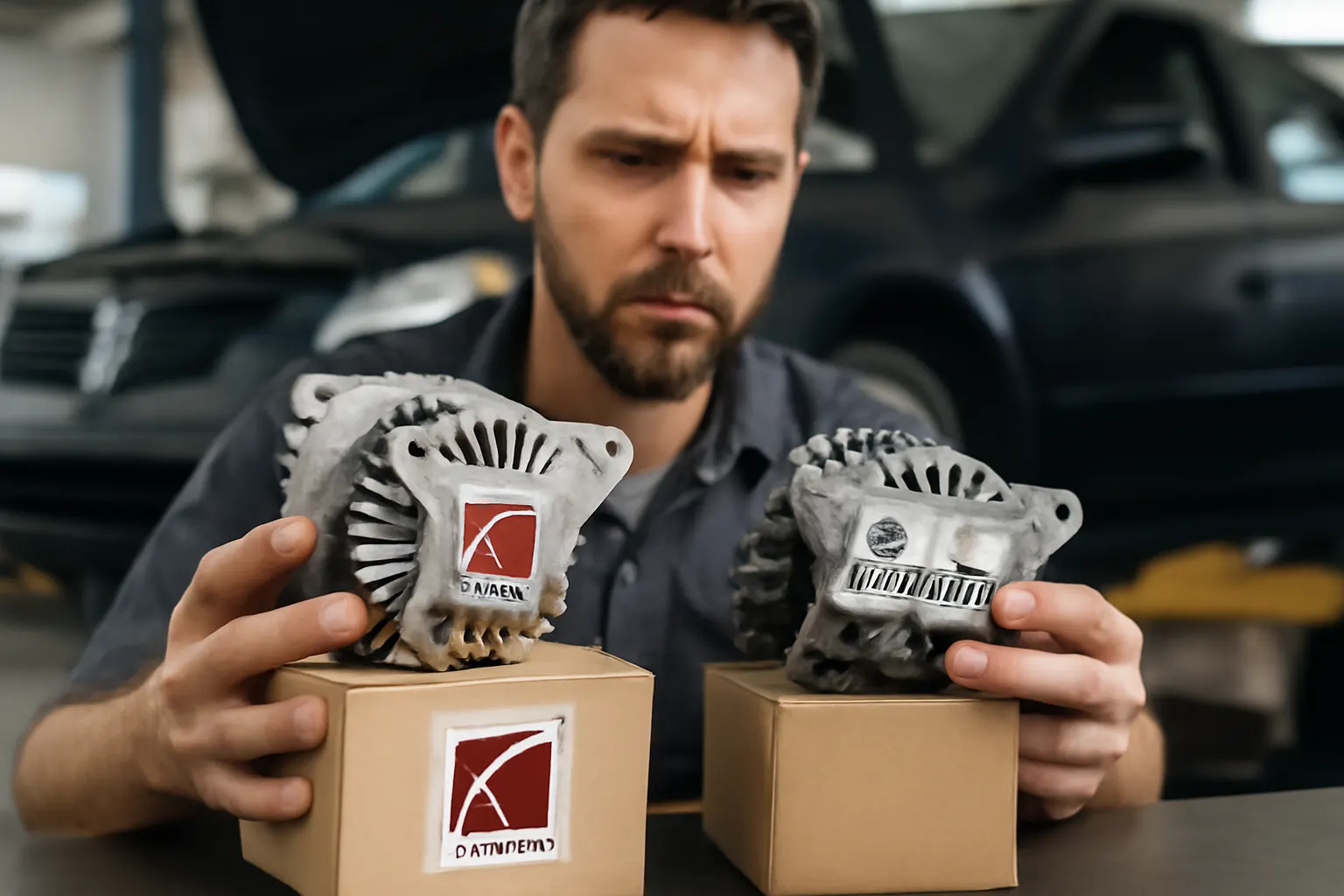
- Compare to OEM Reference Parts: Whenever possible, compare the suspect part directly to a known-genuine Saturn component.
- Check with Saturn Parts Compatibility Chart: Use the Saturn Parts Compatibility Chart to verify part numbers, fitment, and interchangeability.
- Scan for Diagnostic Trouble Codes (DTCs): Faulty sensors or modules often trigger DTCs immediately after installation.
- Material Testing: For critical parts, some shops perform hardness, weight, or material composition tests to confirm authenticity [^3].
- Consult Manufacturer Databases: Use official Saturn or GM databases to verify part numbers and supplier authenticity.
Commonly Counterfeited Saturn Parts
Certain Saturn components are targeted more frequently by counterfeiters due to high demand and limited OEM supply. These include:
- Ignition Coils and Sensors: Engine management components are critical and often counterfeited.
- Brake Pads and Rotors: Safety-critical and high-turnover parts are prime targets.
- Exterior Lighting: Headlights, taillights, and bulbs are easy to fake and often sold as “OEM style.”
- Suspension Components: Control arms, bushings, and struts are commonly counterfeited.
- Body Panels and Badging: Emblems and polymer panels, unique to Saturn, are frequently faked.
Whenever sourcing these parts, extra vigilance is warranted. For more on Saturn’s unique body materials, see Saturn Polymer Panels: Care & Replacement.
What to Do If You Suspect a Counterfeit Part
If you believe you’ve received a counterfeit Saturn part, take the following steps immediately:
Advertisement
- Do Not Install or Use the Part: If already installed, remove it as soon as it’s safe to do so.
- Contact the Seller: Request a return and refund, and document all correspondence.
- Report to Authorities: Notify the NHTSA and the original manufacturer. The NHTSA’s online portal accepts reports of suspected counterfeit auto parts 1.
- Retain All Packaging and Documentation: This helps authorities investigate and trace the source.
- Replace with Verified OEM or Trusted Aftermarket Parts: Use only reputable suppliers for critical components.
Sourcing Genuine Saturn Parts: Best Practices
Given the challenges of Saturn parts availability, here’s how to maximize your chances of getting genuine components:
- Use Trusted Catalogs and Dealers: Start with the Saturn Parts Catalog and prefer suppliers listed on reputable platforms.
- Request Documentation: Ask for proof of OEM status, invoices, or certification from the supplier.
- Verify Part Numbers: Cross-check part numbers with Saturn/GM official references or the Saturn Parts Compatibility Chart.
- Inspect Upon Delivery: Before installation, inspect the part using the checklists above.
- Keep Records: Maintain receipts, photos, and correspondence for future reference.
Maintenance and Longevity: Why Genuine Parts Matter
Using authentic Saturn parts isn’t just about initial fitment—it’s about long-term reliability and vehicle value. Genuine components are engineered to meet Saturn’s original specifications for durability, material composition, and performance. This means:
- Longer Service Intervals: OEM-quality parts typically last longer and require less frequent replacement.
- Consistent Performance: Proper materials and engineering ensure optimal fuel efficiency, emissions compliance, and handling 23.
- Resale Value: Vehicles with documented, genuine parts history retain higher value in the used car market.
For ongoing care, refer to our Saturn Maintenance Guide: Service Intervals & Tips.
The Role of Materials and Engineering Standards
Saturn’s engineering legacy includes the use of advanced materials—like polymer body panels and lightweight alloys—to enhance efficiency and durability. Counterfeit parts rarely match these standards. According to the Department of Energy, material selection directly impacts vehicle safety, weight, and performance 3. Counterfeiters often substitute cheaper, heavier, or less durable materials, undermining the benefits of Saturn’s original design.
Always verify that critical parts meet SAE and OEM standards for materials, weight, and structure. If in doubt, consult a professional or use material testing services.
Fitment Verification: Avoiding Installation Pitfalls
Incorrect fitment is a common sign of counterfeit or low-quality parts. Here’s how to avoid installation headaches:
- Test Fit Before Final Installation: Temporarily position the part to check alignment of bolt holes, connectors, and mounting points.
- Compare Dimensions: Use calipers or measuring tools to compare the new part to the original.
- Check for Interference: Ensure there’s no contact with adjacent components during movement.
- Consult Fitment Guides: Use the Saturn Parts Compatibility Chart or supplier-provided fitment tools.
If a part doesn’t fit precisely, do not force installation—return it and source a verified replacement.
The AutoPartEx Advantage: Your Trusted Saturn Parts Resource
At AutoPartEx, we’re committed to helping Saturn owners and professionals source genuine, high-quality parts with confidence. Our Saturn Auto Parts: OEM Quality, Fitment, and Sourcing | AutoPartEx page consolidates trusted suppliers, verified fitment charts, and in-depth technical guidance to streamline your search and reduce the risk of counterfeit purchases. Our editorial team continuously monitors industry sources, NHTSA alerts, and user feedback to keep our Saturn parts database accurate and up-to-date.
Whether you’re restoring a classic Saturn or maintaining a daily driver, count on AutoPartEx for the latest diagnostic tips, maintenance guides, and sourcing solutions.
Expert Call to Action: Protect Your Saturn—Inspect, Verify, and Source Smart
Counterfeit Saturn parts are more than a nuisance—they’re a safety and financial hazard. Protect your vehicle by:
- Inspecting all parts for visual, technical, and supplier red flags
- Using only trusted catalogs and verified suppliers
- Consulting official fitment and compatibility guides
- Reporting suspected counterfeits to authorities and the NHTSA
For ongoing support, bookmark the Saturn Parts Catalog and check our editorial guides for the latest updates. Stay vigilant, and keep your Saturn running strong with genuine, certified components.
References
- Vehicle Safety and Equipment – National Highway Traffic Safety Administration
- Fuel Efficiency – United States Department of Energy
- Materials Technologies – United States Department of Energy
Footnotes
Advertisement