Advertisement
Restoring a classic vehicle's interior is a rewarding process, but sourcing rare or discontinued rear door trim panels can be one of the most challenging aspects. Whether you’re working on an AMC Javelin, a first-generation Acura Legend, or a vintage Alfa Romeo, the scarcity of original parts and the nuances of fitment, materials, and safety requirements make this task uniquely demanding. This guide provides actionable tips, vetted resources, and expert insights so you can confidently bring your classic’s rear door panels back to their factory glory.
If you’re looking for a comprehensive overview of rear door trim panel types, materials, or step-by-step replacement procedures, start with our Interior Trim Panel, Door (Back): Technical Guide & Replacement Insights category page. For those focused on rare and vintage restoration, read on for a deep dive into sourcing, restoring, and installing hard-to-find rear door panels.
Why Rear Door Trim Panels Matter in Classic Restorations
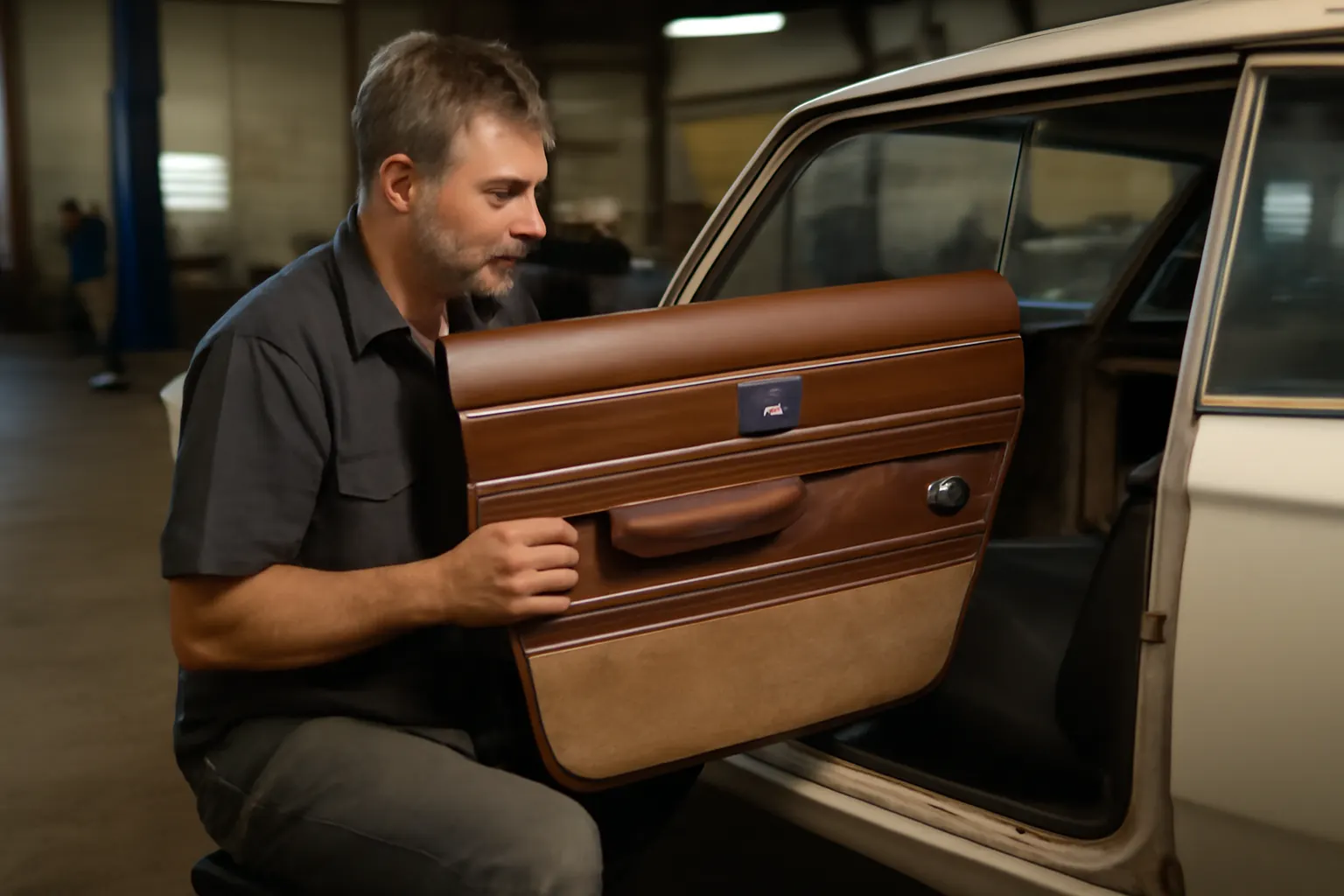
Rear door trim panels are more than cosmetic elements—they are critical to the structural integrity, comfort, and safety of the vehicle’s interior. In classics, these panels often feature unique grain patterns, period-correct colors, and materials that define the car’s era. Missing, cracked, or warped panels not only diminish value but can also compromise safety by exposing sharp edges, wiring, or insulation.
Additionally, original rear door trim panels are integral to maintaining the authenticity needed for concours-level restorations or investment-grade vehicles. As outlined by the National Highway Traffic Safety Administration (NHTSA), interior equipment must meet certain safety standards—something that’s easy to overlook when improvising or retrofitting parts.
The Hidden Challenge: Scarcity and Complexity
The main hurdle with classic rear door trim panels is their scarcity. Unlike mechanical components, interior trim was seldom reproduced in large quantities. Many automakers, especially those with smaller production runs like AMC, Alfa Romeo, or early Acura models, ceased manufacturing these parts decades ago. Even when panels are found, they often suffer from UV fading, warping, or brittle mounting tabs.
Compounding the problem, trim panel designs change with model years, body styles, and even trim levels. For example, a 1969 AMC Javelin rear door panel may differ significantly from a 1970 model due to design refreshes or mid-year updates. This makes sourcing the correct part number and configuration essential.
Understanding the Technical Demands of Rear Door Panel Restoration
Restoring or replacing a rear door trim panel is not a simple swap. The process involves several technical considerations:
- Material Integrity: Older panels may use materials such as Masonite, ABS plastic, or pressed fiberboard that degrade over time. According to the U.S. Department of Energy’s Materials Technologies division, material selection affects not only durability but also weight and performance.
- Safety Compliance: Panels must not interfere with side-impact airbags (if retrofitted) or expose sharp edges. The NHTSA emphasizes the importance of maintaining or restoring safety equipment, even in classics.
- Fitment Precision: Mounting hole locations, clip types, and contouring must match exactly to avoid rattles, water leaks, or misalignment.
- Aesthetic Authenticity: Matching original grain, color, and stitching patterns is often necessary for high-value restorations.
Sourcing Rare Rear Door Trim Panels: Where to Begin
Finding the correct rear door trim panel for a classic vehicle requires a multi-pronged approach. Here’s a detailed checklist to guide your search:
Advertisement
Sourcing Checklist
- Identify Exact Part Number and Trim Code
- Use factory service manuals, parts catalogs, or VIN decoders to determine the correct part number and trim code for your model and year.
- Consult Specialist Forums and Owner Clubs
- Many classic car forums (e.g., AMC Forums, Alfa Bulletin Board) have classified sections and knowledgeable members who can assist in identifying and sourcing panels.
- Contact OEM and NOS Suppliers
- Some suppliers specialize in New Old Stock (NOS) parts. These are original, unused parts from closed dealerships or warehouse finds.
- Search Reputable Online Marketplaces
- eBay, Hemmings, and Bring a Trailer often list rare trim panels, but verify seller reputation and part authenticity.
- Check with Restoration Shops
- High-end restoration shops may have surplus panels from previous projects or access to reproduction resources.
- Explore Reproduction and Custom Fabricators
- Companies specializing in classic interiors may offer reproduction panels or can custom-fabricate panels using modern materials while retaining original appearance.
- Visit Automotive Swap Meets and Salvage Yards
- Regional swap meets and specialty salvage yards are goldmines for rare parts, but require patience and persistence.
Assessing Condition and Authenticity
Once you locate a potential panel, it’s critical to assess its condition and verify authenticity before purchase:
- Structural Integrity: Check for cracks, warping, missing mounting points, or water damage.
- Surface Wear: Inspect for fading, stains, or delamination of vinyl and fabric.
- Color and Grain Match: Compare with your existing panels to ensure period-correct appearance.
- OEM Markings: Look for part numbers, mold stamps, or manufacturer logos on the reverse side.
- Previous Repairs: Watch for signs of filler, glue, or non-factory modifications.
For high-value vehicles, request detailed photos or arrange a video call to inspect the part remotely before committing.
When to Restore Versus Replace
Not every rare panel you find will be in usable condition. In some cases, restoration is possible and preferable to replacement, especially if originality is paramount. Consider restoration when:
- The panel is structurally sound but cosmetically worn.
- Replacement panels are unavailable or prohibitively expensive.
- The vehicle is a low-production or highly collectible model.
Restoration can involve re-dyeing vinyl, re-gluing fabric, filling cracks, or even re-casting plastic components. However, panels with severe warping, rot, or missing sections may require replacement or custom fabrication.
Restoration Techniques for Classic Rear Door Panels
If you opt to restore an original panel, follow these technical steps:
Cleaning and Preparation
- Remove old adhesives, dirt, and debris using a plastic-safe cleaner.
- Gently sand rough or uneven areas to prepare for refinishing.
Repairing Surface Damage
- Use flexible plastic or vinyl fillers for cracks and gouges.
- For fiberboard panels, reinforce weak areas with thin fiberglass mat and resin.
Re-dyeing and Refinishing
- Select a high-quality vinyl or leather dye that matches the original color.
- Apply multiple light coats, allowing proper drying time between applications.
Reattaching Hardware
- Replace missing or rusted mounting clips with OEM-style fasteners.
- Reinstall armrests, window cranks, or trim pieces using factory methods.
Final Inspection
- Test fit the panel to ensure all mounting points align and there are no new interferences.
- Check for rattles or gaps that could indicate improper fitment.
Custom Fabrication: When No Panel Exists
For some vehicles, especially limited-production classics or heavily modified customs, a replacement panel may simply not exist. In these cases, custom fabrication is the solution:
- Pattern Making: Use the damaged original as a template, or create a mockup from cardboard or foam board.
- Material Selection: Modern ABS, PVC, or composite panels can be cut and shaped to match the original profile, as recommended by the Department of Energy’s Materials Technologies division.
- Upholstery Matching: Source period-correct vinyl, cloth, or leather. Specialty suppliers can often match grain and color.
- Hardware Transfer: Salvage and transfer original handles, bezels, and trim rings whenever possible.
Custom fabrication requires precision and patience, but yields a panel that fits perfectly and maintains the spirit of the original.
Ensuring Safety and Compliance
While aesthetics are important, never overlook safety. According to the NHTSA, interior panels must not obstruct side-impact protection or expose sharp edges. For classic vehicles, this means:
Advertisement
- Avoiding brittle or cracked panels that could break in a collision.
- Ensuring all mounting clips and fasteners are secure to prevent panels from detaching.
- If retrofitting modern safety systems (like airbags), consult with a qualified technician to ensure compatibility.
Installation Tips for Vintage Rear Door Panels
Proper installation of a rare or restored panel is as critical as sourcing the right part. Follow these guidelines:
- Test Fit Before Final Assembly: Dry-fit the panel with all hardware installed to confirm alignment.
- Use Correct Fasteners: Substitute only with OEM-style clips or screws to avoid rattles or damage.
- Seal Against Water Intrusion: Replace vapor barriers and check that the panel seats tightly against the door frame.
- Torque Hardware Properly: Over-tightening can crack vintage plastics or fiberboard.
- Inspect for Interference: Ensure windows, locks, and latches operate freely after installation.
For a stepwise approach, see our How to Replace Rear Door Trim Panels: Step-by-Step Guide.
Maintenance Strategies for Preserved Interiors
Once your rare rear door panel is installed, ongoing maintenance is essential to preserve its condition:
- UV Protection: Use sunshades or UV-blocking window film to reduce fading.
- Humidity Control: Store the vehicle in a climate-controlled garage to prevent warping or mildew.
- Gentle Cleaning: Use pH-neutral cleaners and soft cloths to avoid scratching delicate surfaces.
- Periodic Inspection: Check for loosening hardware, developing cracks, or water leaks (see Diagnosing Rattles and Water Leaks in Rear Doors for troubleshooting).
Routine maintenance extends the lifespan of both original and restored panels, protecting your investment.
Evaluating OEM vs Aftermarket and Reproduction Panels
In some cases, reproduction or high-quality aftermarket panels may be available. When considering these options:
- OEM Panels: Offer the best fit and authenticity but are rare and expensive.
- Aftermarket/Reproduction Panels: May use improved materials (e.g., ABS instead of fiberboard), but grain, color, or fit can differ. Always compare samples or request swatches before purchase.
- Custom Panels: Best for modified vehicles or when period-correct appearance is less critical.
For a detailed comparison, review our OEM vs Aftermarket: Choosing the Right Door Trim Panel.
Common Pitfalls and How to Avoid Them
Restorers frequently encounter these issues:
- Mismatched Panels: Buying a panel from a similar model year or trim level that doesn’t fit.
- Overpaying: Paying premium prices for panels in poor condition due to desperation.
- Improper Storage: Storing panels in damp environments, leading to warping or mold.
- Incorrect Installation: Damaging rare panels during install by using wrong fasteners or tools.
Avoid these pitfalls by double-checking part numbers, thoroughly inspecting parts, and following best practices for storage and installation.
AutoPartEx: Your Partner in Classic Interior Restoration
At AutoPartEx, we understand the unique challenges of sourcing and restoring rare rear door trim panels. Our Interior Trim Panel, Door (Back): Technical Guide & Replacement Insights category connects enthusiasts and professionals to the latest technical resources, trusted suppliers, and expert restoration guidance. Whether you’re hunting for an elusive AMC panel or need advice on period-correct Alfa trim, our technical editorial team and network of partners are here to help you achieve a factory-quality restoration.
Expert Action: Steps to Begin Your Rear Door Panel Restoration
Ready to tackle your classic’s rear door trim panel? Here’s how to get started:
- Document Your Vehicle: Photograph existing panels, note trim codes, and gather factory documentation.
- Network with Experts: Join online forums or local clubs specific to your vehicle make and model.
- Leverage Professional Resources: Consult the AutoPartEx technical library and connect with restoration shops specializing in your marque.
- Source Carefully: Prioritize condition and authenticity; don’t rush into purchases without due diligence.
- Plan for Restoration or Fabrication: If no panels exist, research reputable fabricators or consider DIY restoration with modern materials.
- Install Methodically: Follow installation best practices to avoid damaging rare components.
- Maintain Proactively: Protect your investment with regular cleaning and climate control.
By following these steps and leveraging the right resources, you can confidently restore your classic’s rear door panels and preserve automotive history for the next generation.
References
Advertisement