Advertisement
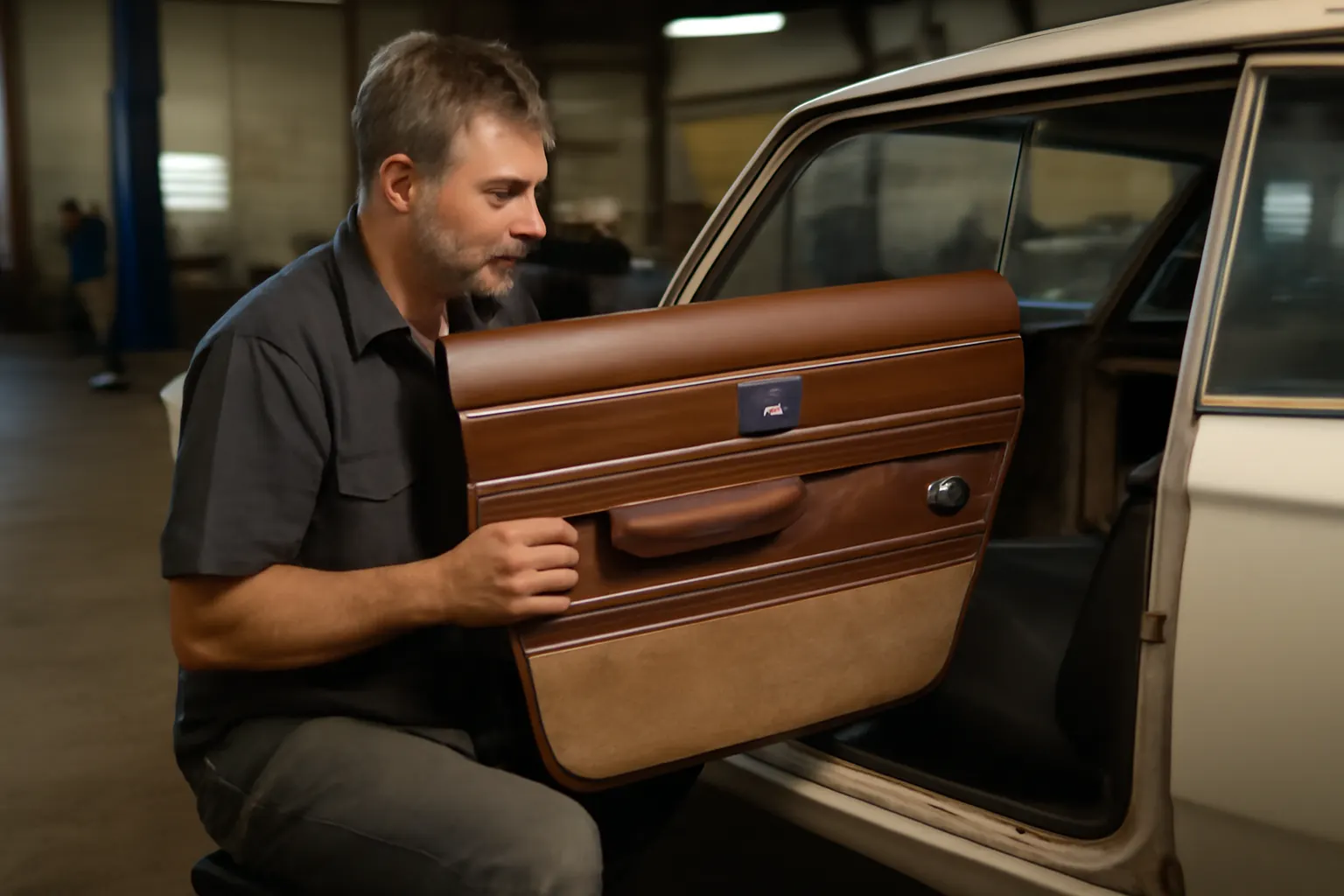
Restoring the distinctive interior of a classic or vintage vehicle is more than a labor of love—it’s a quest for authenticity and enduring value. When it comes to the rear door trim panels, owners and restorers face a unique challenge: these parts are often discontinued, rare, or difficult to find in usable condition. This guide delivers proven strategies, trusted resources, and practical steps for sourcing and restoring elusive rear door panels, ensuring your classic’s interior remains both beautiful and true to its heritage. For more in-depth technical details on rear door trim panels, visit our Interior Trim Panel, Door (Back): Technical Guide & Replacement Insights category page.
Why Rear Door Panels Matter in Classic Restorations
Rear door trim panels are integral to both the visual appeal and structural integrity of your vehicle’s interior. They do more than cover the door frame—they provide mounting points for hardware, contribute to sound insulation, and influence passenger comfort. In many classic vehicles, these panels feature unique materials, patterns, and craftsmanship that define the model’s era and authenticity.
Restoring or replacing these panels with the correct parts is essential for:
- Preserving the vehicle’s value and originality.
- Meeting safety and fitment standards as outlined by the National Highway Traffic Safety Administration.
- Ensuring a visually coherent and comfortable cabin.
The Hidden Problem: Discontinued and Rare Parts
While the importance of rear door panels is clear, the real challenge lies in sourcing them. Unlike mechanical parts, interior trim—especially for rear doors—was often produced in smaller quantities and is less likely to be reproduced by aftermarket suppliers. Many original panels have suffered from decades of use, exposure to sunlight, moisture, and poor storage conditions.
This scarcity leads to several practical issues:
- Limited availability: Original panels are often missing, damaged, or only available in poor condition.
- Material degradation: Vinyl, leather, and plastics used in classic interiors can crack, warp, or fade.
- Color and pattern matching: Finding panels with the correct grain, stitching, or hue is especially challenging for rare models.
- Fitment: Substituting with “close enough” parts can lead to gaps, rattles, or incompatibility with door hardware.
Understanding these challenges is the first step toward a successful restoration.
Expanding the Challenge: Technical and Regulatory Considerations
Sourcing rare rear door panels involves more than just finding a physical match. Technical and regulatory factors must also be considered:
- Safety compliance: Door panels contribute to side impact protection and must not interfere with airbag deployment or other safety features (NHTSA Equipment).
- Material properties: Modern replacements may use different materials than originals, affecting weight, acoustics, and fire resistance (DOE Materials Technologies).
- Attachment methods: Fasteners, clips, and mounting points may have evolved or deteriorated, complicating installation.
- OEM vs. aftermarket: Choosing between original equipment manufacturer (OEM) parts and reproduction or custom panels involves trade-offs in fit, finish, and authenticity. See our guide on OEM vs Aftermarket: Choosing the Right Door Trim Panel for a deeper analysis.
Identifying Your Rear Door Panel Specifications
Before beginning your search, it’s crucial to precisely identify the panel you need. This includes:
- Year, make, and model: Even small changes between model years can affect fitment.
- Body style: Two-door and four-door variants often use different panels.
- Trim level and interior color: Luxury trims may have unique patterns, materials, or colors.
- Mounting features: Note the locations for window cranks, switches, pulls, and speaker grilles.
Consult the vehicle’s build sheet, owner’s manual, or factory service literature. If possible, compare with surviving original panels or reference photos from period brochures.
Advertisement
Where to Source Rare Rear Door Panels
Finding rare or discontinued rear door panels requires a multi-pronged approach. Here are the most effective strategies and resources:
1. Online Classic Parts Marketplaces
- eBay Motors: Frequent listings for NOS (new old stock) and used panels.
- Classic car forums and enthusiast groups: Many have classified sections for rare parts.
- Specialty sites: Vendors like Hemmings, Classic Industries, and YearOne cater to specific makes and eras.
2. Salvage Yards and Auto Recyclers
- Specialty yards: Some focus exclusively on vintage or classic vehicles.
- Self-service yards: May allow you to inspect and remove panels yourself, ensuring their condition.
3. Car Shows, Swap Meets, and Club Events
- Regional and national events: Excellent opportunities to network with other restorers and locate hard-to-find parts.
- Owner’s clubs: Many maintain inventories of rare components for members.
4. Professional Restoration Shops
- Interior specialists: Some shops maintain stockpiles of rare trim or can fabricate accurate reproductions.
5. Custom Fabrication and Reproduction
- Upholstery shops: Skilled craftsmen can recreate panels using original patterns, materials, and stitching techniques.
- 3D printing and CNC machining: Modern technologies allow reproduction of mounting hardware and plastic components.
Evaluating Panel Condition and Authenticity
Not all panels are created equal. When evaluating a potential find, consider:
- Physical integrity: Check for cracks, warping, deep scratches, or missing sections.
- Material condition: Inspect for fading, dry rot, mold, or chemical damage.
- Attachment points: Ensure that all mounting tabs, clips, and holes are intact.
- Color and pattern: Compare with original samples to avoid mismatched interiors.
- Authenticity: Look for OEM markings, part numbers, or manufacturer tags.
If possible, request detailed photographs and measurements before purchasing. For high-value or rare panels, consider in-person inspection or third-party verification.
Restoration Techniques for Classic Rear Door Panels
In cases where original panels are found but require refurbishment, several restoration methods can bring them back to life:
Cleaning and Surface Preparation
- Vacuum and dust removal: Use a soft brush to remove surface debris.
- Mild cleaning solutions: Test cleaners on an inconspicuous area to avoid discoloration.
- Stain removal: Use specialized vinyl or leather cleaners as appropriate.
Repairing Structural Damage
- Plastic welding or epoxy: Fill cracks or reinforce broken sections.
- Backing panels: Add new backing boards if the original is warped or weakened.
Surface Restoration
- Vinyl and leather repair kits: Patch small holes, tears, or abrasions.
- Re-dyeing: Color-matching dyes can restore faded or discolored surfaces.
- Re-foaming: Replace deteriorated foam padding for improved comfort and appearance.
Replacing Hardware
- Clips, fasteners, and trim: Source OEM or reproduction hardware for secure mounting.
Fitment and Installation Challenges
Even genuine panels can present installation challenges:
- Panel warping: Age and environmental exposure can cause panels to lose their shape.
- Fastener compatibility: Modern clips may not fit original holes, requiring adaptation.
- Interference with door hardware: Window regulators, locks, and switches must operate freely.
- Noise and vibration: Improperly installed panels can cause rattles or squeaks.
For a detailed step-by-step installation process, consult our How to Replace Rear Door Trim Panels: Step-by-Step Guide.
Diagnostic Checklist: Assessing Rear Door Panel Issues
Before sourcing a replacement, use this checklist to diagnose whether your existing panel can be restored or requires replacement:
Advertisement
| Symptom | Possible Cause | Recommended Action |
|---|---|---|
| Cracked or broken sections | Age, impact, poor storage | Repair with plastic welding or replace panel |
| Loose or rattling panel | Broken clips or fasteners | Replace clips, check alignment |
| Faded or stained surface | UV exposure, spills | Clean, re-dye, or recover surface |
| Warped or misshapen panel | Moisture, heat, age | Replace backing, reshape if possible |
| Mismatched color/pattern | Non-original panel | Source correct panel or reupholster |
| Mold or odor | Water intrusion, storage | Clean thoroughly, address leaks |
For related issues such as water leaks or persistent rattles, see our article on Diagnosing Rattles and Water Leaks in Rear Doors.
Ensuring Safety and Compliance
Restoring or replacing rear door panels isn’t just about looks. Panels must meet basic safety and equipment standards:
- Side impact protection: Panels should not compromise the structural integrity of the door.
- Airbag compatibility: In vehicles equipped with side airbags, panels must allow proper deployment.
- Attachment security: All hardware must be securely fastened to prevent detachment in a collision (NHTSA Equipment).
- Material safety: Avoid using flammable or off-gassing materials that don’t meet modern standards (DOE Materials Technologies).
Whenever possible, use original or certified reproduction panels to ensure compliance with current safety requirements.
Color Matching and Upholstery Considerations
Achieving a seamless look in your classic’s interior requires careful attention to color and material matching:
- Original materials: Source OEM fabric, vinyl, or leather for the closest match.
- Dyeing and re-coloring: Professional dyeing services can match faded panels to the rest of your interior.
- Custom upholstery: Skilled upholstery shops can recreate patterns, embossing, or stitching unique to your model.
- Test swatches: Always test color samples under natural light before committing to a full restoration.
Remember that even within the same model year, factory color variations can exist. Reference period-correct samples or consult marque experts for guidance.
Maintaining and Protecting Restored Panels
After sourcing and restoring your rear door panels, ongoing care will preserve their appearance and function:
- Regular cleaning: Use appropriate cleaners for vinyl, leather, or fabric.
- UV protection: Apply protectants and use window shades to prevent sun damage.
- Moisture control: Ensure door seals are intact to prevent water intrusion and mold.
- Periodic inspection: Check for loose hardware, warping, or signs of wear.
Routine maintenance not only extends the life of your restored panels but also helps maintain the overall value and safety of your vehicle.
Navigating Aftermarket and Custom Solutions
When OEM panels are truly unavailable, aftermarket or custom solutions may be required:
- Reproduction panels: Some suppliers offer high-quality reproductions using original molds or patterns.
- Universal panels: These can be trimmed and adapted but may require significant modification for proper fitment.
- Custom fabrication: Skilled shops can build panels from scratch, matching original contours and details.
Compare options based on:
- Fit and finish: How closely does the replacement match the original?
- Material quality: Does it meet or exceed OEM standards for durability and safety?
- Installation requirements: Will it use existing mounting points and hardware?
For more on choosing between OEM and aftermarket parts, see our OEM vs Aftermarket: Choosing the Right Door Trim Panel.
AutoPartEx: Your Partner in Classic Interior Restoration
At AutoPartEx, we understand the challenges and rewards of classic vehicle restoration. Our extensive network of suppliers, technical guides, and enthusiast resources are designed to help you find, evaluate, and install the right rear door trim panels for your project. Whether you’re restoring a rare AMC or a beloved Alfa, our Interior Trim Panel, Door (Back): Technical Guide & Replacement Insights category is your starting point for part numbers, fitment data, and expert advice.
AutoPartEx connects you with a community of restorers and professionals who share your dedication to authenticity, safety, and craftsmanship. Let us help you bring your classic’s interior back to its original glory—one panel at a time.
References
Advertisement