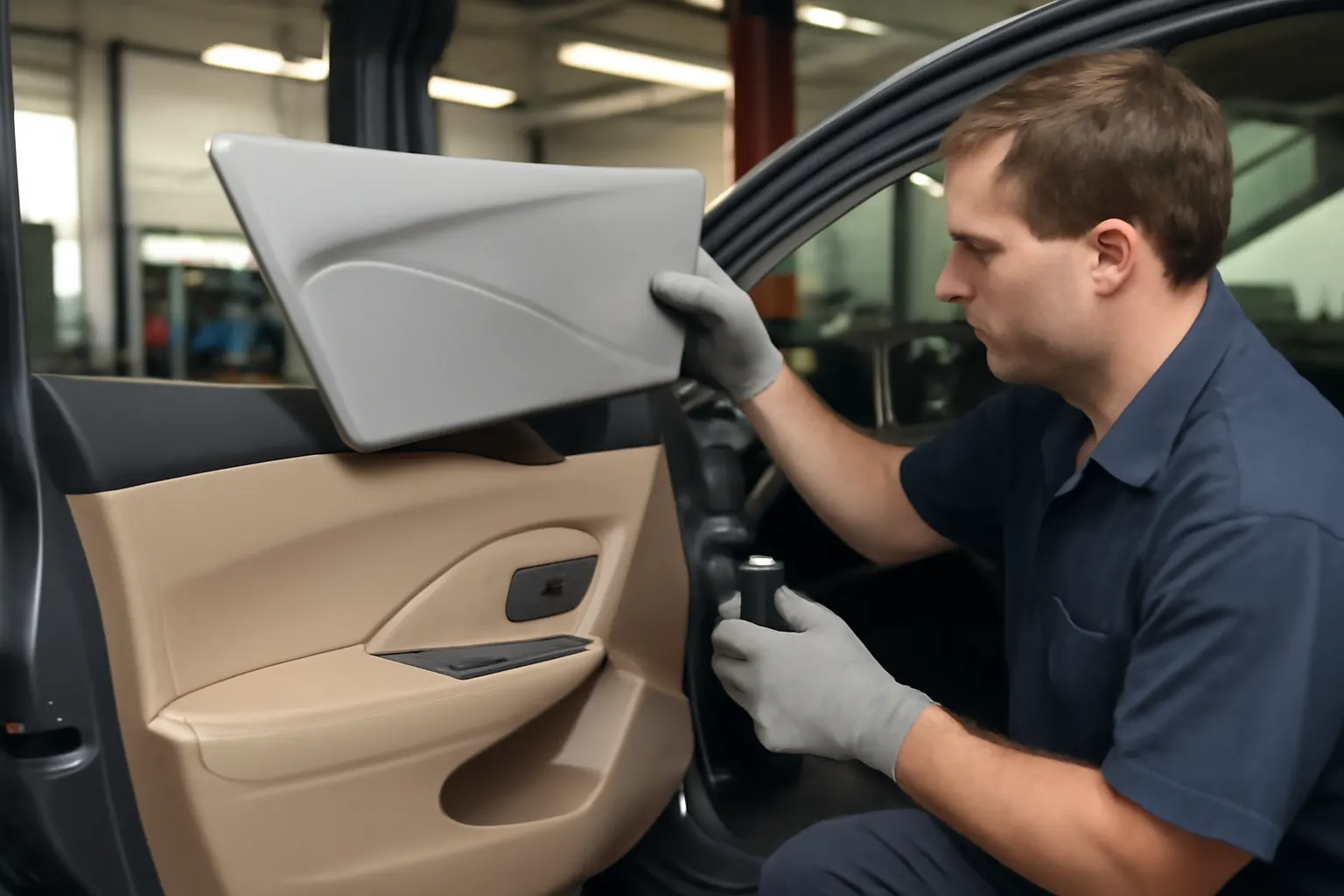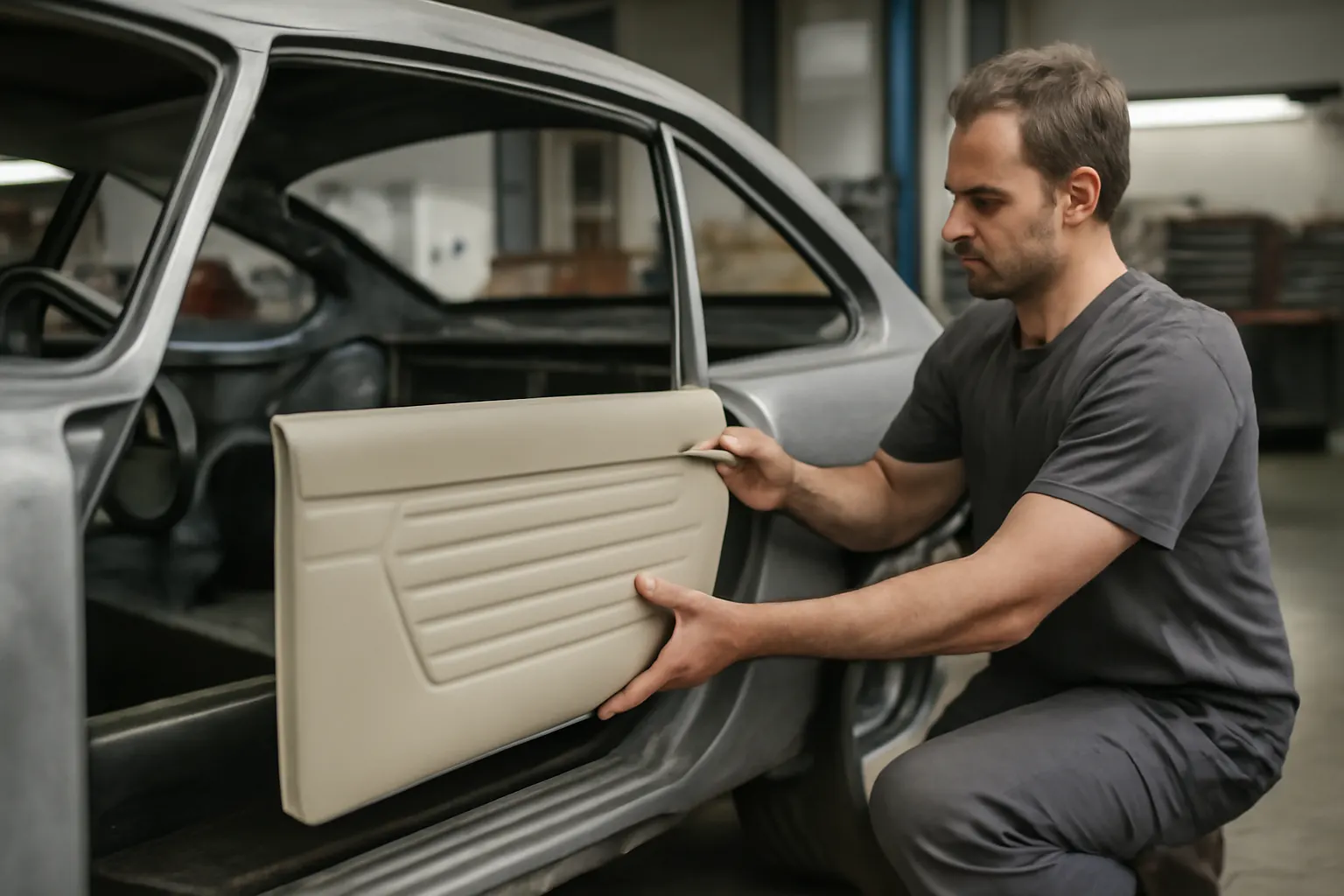
Restoring Classic Car Interiors: Sourcing Rare Trim Panels
Restoring a classic car’s interior is a journey of passion, precision, and patience—especially when it comes to sourcing rare quarter trim panels. These panels are often the unsung heroes of a vintage vehicle’s cabin, providing both structural integrity and aesthetic continuity. For restorers, collectors, and automotive enthusiasts, finding and restoring these elusive components can be the difference between a show-quality restoration and a project that falls short of its potential.
If you’re facing the daunting challenge of locating hard-to-find interior quarter trim panels, this comprehensive guide will walk you through proven sourcing strategies, restoration best practices, and technical considerations for fitment and safety. For a broader overview of quarter trim panel types and their roles, check out our Interior Trim Panel (Quarter): Technical Guide, Fitment, and Restoration Insights page.
The Immediate Answer: How to Source Rare Quarter Trim Panels
The fastest and most reliable way to source rare quarter trim panels for classic cars is to combine multiple approaches:
- Leverage specialized classic car parts suppliers and restoration shops
- Network within marque-specific and model-specific clubs
- Monitor reputable online marketplaces and auction sites
- Consider professional fabrication for panels that are truly unobtainable
- Utilize technical resources to verify fitment and material compatibility
However, while these strategies are effective, the process is rarely straightforward. Hidden challenges often arise—ranging from authenticity concerns to material degradation and safety compliance.
The Hidden Problem: Why Sourcing Quarter Trim Panels is So Challenging
Quarter trim panels, especially for vintage and classic vehicles, are among the most difficult interior components to find in restorable condition. Unlike more visible or mechanical parts, these panels were often model-specific, produced in low volumes, and subject to decades of wear, UV damage, or amateur repairs. Compounding the issue:
- Obsolete OEM part numbers: Many original manufacturers no longer support these interior components, making direct replacement impossible.
- Material evolution: Changes in automotive interior materials over the decades (from natural fibers to advanced composites) mean that even "NOS" (new old stock) panels may not match current safety or durability standards.
- Fitment complexity: Quarter trim panels are intricately shaped to fit the body shell, window frames, and seat geometry of a specific model and year.
- Safety and compliance: Modern restoration standards require attention to flammability, off-gassing, and crash safety—areas where original panels may fall short.
Understanding Quarter Trim Panels: Function and Restoration Importance
Quarter trim panels serve a dual purpose: protecting the structural quarter area from damage and moisture, and finishing the look of the interior. In many classic cars, they integrate with window surrounds, seatbelt mounts, and even rear speaker enclosures. Their restoration is critical for:
- Interior authenticity: Incorrect or missing panels are immediately noticeable to judges and enthusiasts.
- Structural preservation: Panels protect vulnerable sheet metal from moisture and abrasion.
- Sound and thermal insulation: Many panels incorporate padding or insulation layers.
- Safety: Properly fitted panels help prevent loose objects from entering the passenger compartment during a collision (see Vehicle Safety and Equipment).
Sourcing Strategies: Where and How to Find Rare Panels
1. Specialist Classic Car Parts Suppliers
Begin your search with suppliers who specialize in your vehicle’s make and model. These vendors often maintain inventories of salvaged or reproduction interior panels and can provide guidance on fitment nuances.
Checklist: Working with Specialist Suppliers
- Verify the supplier’s reputation through online forums or club recommendations.
- Request detailed photos and measurements before purchasing.
- Ask about return policies in case of fitment issues.
- Inquire about material authenticity (e.g., matching original grain, color, or substrate).
2. Marque-Specific Clubs and Forums
Owners’ clubs and online forums are invaluable for tracking down rare parts. Members often have access to private stashes of NOS or gently used panels, and can offer leads on upcoming parts swaps or estate sales.
Tips for Networking Effectively
- Join both national and local chapters for broader reach.
- Post detailed "wanted" ads with part numbers and photos.
- Attend club events or swap meets with sample panels for comparison.
3. Online Marketplaces and Auctions
eBay, Bring a Trailer, and other online platforms frequently list rare interior parts. Set up automated alerts for your specific model and year.
Best Practices for Online Sourcing
- Scrutinize seller ratings and return policies.
- Request high-resolution images of mounting tabs, attachment holes, and grain patterns.
- Beware of generic "fits all" claims—quarter trim panels are rarely universal.
4. Salvage Yards and "Parting Out" Vehicles
Traditional salvage yards and hobbyists parting out unrestorable cars can be goldmines for original panels. Many yards now offer searchable online inventories.
Salvage Yard Checklist
- Inspect for UV damage, cracks, and previous repairs.
- Check that mounting hardware and clips are intact.
- Measure all dimensions against your vehicle’s requirements.
5. Professional Fabrication and Custom Restoration
When original panels are simply unavailable, professional restoration shops can fabricate replacements using modern materials and techniques. This is especially relevant for rare, coachbuilt, or low-production classics.
Fabrication Considerations
- Provide original samples or detailed drawings if possible.
- Specify material, grain, and color preferences.
- Ensure compatibility with existing mounting points and hardware.
- Discuss safety upgrades (e.g., fire-retardant materials).
Diagnosing Panel Condition: What to Look for Before Buying
Not every "original" panel is worth restoring. Carefully assess each candidate for:
- Material Degradation: Look for brittleness, warping, or delamination.
- UV and Water Damage: Faded colors, chalky textures, or mold indicate exposure.
- Structural Integrity: Check for cracks, missing mounting tabs, or excessive repairs.
- Previous Modifications: Holes for aftermarket speakers or accessories may be difficult to conceal.
Quick Diagnostic Checklist
- Tap and flex the panel gently—listen for cracking or creaking.
- Inspect hidden areas for rust stains or water marks.
- Compare mounting holes and contours to your vehicle.
Restoration Techniques: Bringing Life Back to Old Panels
Cleaning and Preparing
Begin with a thorough cleaning using gentle, pH-neutral cleaners. Avoid harsh solvents that can damage plastics or vinyl.
Repairing Damage
- Small cracks: Use plastic welders or epoxy formulated for automotive interiors.
- Missing corners or tabs: Fabricate replacements with ABS sheet, then bond and sand to shape.
- Surface wear: Vinyl repair kits or professional re-dyeing can restore color and texture.
Refinishing and Re-Dyeing
Even if the structure is sound, faded or mismatched panels detract from the restoration. Modern automotive dyes and paint systems allow for color matching (see Color Matching Interior Panels: Tips for a Seamless Look).
Refinishing Steps
- Clean and degrease thoroughly.
- Sand lightly to promote adhesion.
- Apply plastic primer if needed.
- Use multiple light coats of dye or paint, allowing proper drying time.
Replacing Insulation and Backing Materials
Many quarter trim panels include jute, foam, or fiberboard insulation. Replace degraded materials with modern equivalents, ensuring they meet current safety and fire-resistance standards (Materials Technologies).
Ensuring Proper Fitment: Avoiding Installation Pitfalls
Improperly fitted quarter trim panels can cause rattles, interfere with seatbelts or windows, and even pose safety risks. Always:
- Test-fit panels before final installation.
- Confirm alignment with window frames, seatbacks, and adjacent trim.
- Use correct fasteners and clips—avoid improvising with hardware store alternatives.
- Check for clearance with moving parts (e.g., window mechanisms).
For a step-by-step installation guide, see How to Replace Interior Trim Panels: Step-by-Step Guide.
Safety and Compliance: Meeting Modern Standards
Classic car interiors must balance authenticity with safety. Original quarter trim panels may not meet current flammability, off-gassing, or crash safety standards. When restoring or fabricating panels:
- Use materials that comply with current automotive interior safety guidelines (Vehicle Safety and Equipment).
- Avoid materials that emit VOCs or degrade under heat.
- Secure panels firmly to prevent detachment in a collision.
Maintaining Restored Quarter Trim Panels
Once installed, maintain your restored panels to preserve their appearance and function:
- Clean regularly with non-abrasive, UV-protectant cleaners.
- Inspect for signs of loosening, warping, or new damage.
- Address moisture issues promptly—leaks can quickly destroy even the best restoration.
- Store the vehicle in a climate-controlled environment when possible.
Maintenance Checklist
- Monthly: Wipe down panels and inspect mounting points.
- Annually: Remove and inspect panels for hidden rust or moisture.
- After any water intrusion: Dry thoroughly and check insulation.
Common Mistakes to Avoid in Classic Interior Restoration
Even experienced restorers can stumble when it comes to quarter trim panels. Avoid these pitfalls:
- Mixing panel generations: Many models changed panel design mid-generation—always confirm compatibility by part number or physical measurement.
- Ignoring mounting hardware: Missing or incorrect clips can lead to rattles or panel loss.
- Skipping insulation: Bare panels transmit noise and heat, reducing comfort.
- Over-restoring: Excessive polishing or painting can erase original textures or details valued by concours judges.
When to Choose Reproduction vs. Original Panels
Reproduction panels have improved dramatically in recent years, offering better fit and durability than many worn originals. However, for high-value restorations or concours entries, original panels—when available—may be preferred.
Consider Reproduction When:
- Originals are unavailable or prohibitively expensive.
- The vehicle is intended for regular use, not just shows.
- Modern materials offer improved safety or comfort.
Choose Originals When:
- Authenticity is critical for judging or resale value.
- The vehicle is a rare or historically significant example.
- Minor flaws are acceptable in exchange for originality.
The Role of Materials Science in Modern Restoration
Advances in materials technology have revolutionized interior restoration. Modern plastics, composites, and adhesives offer superior durability, lighter weight, and improved safety (Materials Technologies). When sourcing or fabricating panels:
- Ask suppliers about material composition and testing.
- Prefer materials that resist UV, moisture, and thermal cycling.
- Consider eco-friendly or recycled materials when available.
Troubleshooting Fitment and Rattle Issues
After installation, rattles or misalignment can undermine your hard work. If issues arise:
- Double-check that all fasteners and clips are present and properly engaged.
- Add thin foam tape or felt between contact points to eliminate squeaks.
- Inspect adjacent panels—sometimes the source of a rattle is not immediately obvious (see Diagnosing Interior Rattles: The Role of Trim Panels).
- Confirm that all moving parts (windows, seatbacks) operate without interference.
AutoPartEx: Your Partner in Classic Interior Restoration
At AutoPartEx, we understand the unique challenges of classic car interior restoration. Our technical resources, curated parts inventory, and expert support can help you source, restore, and install even the rarest quarter trim panels with confidence. Whether you’re searching for original equipment, high-quality reproductions, or guidance on custom fabrication, our team is here to help you achieve a factory-fresh finish.
Explore our Interior Trim Panel (Quarter): Technical Guide, Fitment, and Restoration Insights for more technical details and to browse available parts by make, model, and year. For enthusiasts working on specific brands, our manufacturer pages—such as AMC and Acura—offer tailored support and inventory.
Conclusion: Restoring the Unrestorable
Successfully restoring classic car interiors—especially when sourcing rare quarter trim panels—requires a blend of detective work, technical know-how, and perseverance. By leveraging specialist suppliers, club networks, and modern materials science, you can overcome even the most stubborn sourcing challenges. Remember: attention to detail and a commitment to authenticity (balanced with safety) will ensure your classic car’s interior shines for years to come.