Advertisement
Quarter panel rust is one of the most common—and costly—issues facing vehicle owners, restoration professionals, and body shop technicians. Immediate action is essential: identifying rust early and applying proven prevention or repair strategies can save you thousands in restoration costs and help maintain the structural integrity, safety, and resale value of your vehicle. This comprehensive guide from the AutoPartEx Technical Editorial Team breaks down the causes, diagnostics, prevention, and repair of quarter panel rust, with actionable steps for long-term protection. For a broader look at quarter panel care, visit our Quarter Panel Replacement & Technical Guide.
Why Quarter Panel Rust Demands Immediate Attention
Quarter panels are critical structural and aesthetic components of your vehicle. Rust in this area isn’t just a cosmetic nuisance—it can compromise safety, reduce fuel efficiency, and lead to significant repair costs if left unaddressed. The National Highway Traffic Safety Administration underscores the importance of maintaining vehicle body panels, including quarter panels, to preserve crashworthiness and occupant protection [1].
Unchecked rust can spread quickly, especially in climates with high humidity, road salt, or frequent rain. Early detection and intervention prevent minor surface corrosion from escalating into severe structural damage.
The Hidden Problem: Why Quarter Panel Rust Is So Pervasive
While rust is visually obvious in its advanced stages, the underlying conditions that enable it are often hidden. Moisture intrusion, trapped debris, and micro-abrasions in the paint or undercoating can all initiate the corrosion process long before bubbling or flaking paint appears.
Quarter panels are particularly susceptible because they are exposed to wheel spray, road debris, and, in many designs, have internal cavities that can trap water. Vehicles in northern climates or coastal areas are at even greater risk due to road salt and salty air, which accelerate the oxidation of steel and other ferrous metals.
Technical Deep Dive: How Quarter Panel Rust Develops
Understanding the science of corrosion is critical for effective prevention and repair. Quarter panels are typically constructed from stamped steel or, in some modern vehicles, a combination of steel and lightweight alloys [3]. Here’s how rust forms:
- Exposure to Moisture and Oxygen: When bare metal is exposed, even at a microscopic level, it reacts with oxygen and water, forming iron oxide (rust).
- Salt as a Catalyst: Road salt lowers the freezing point of water and enables electrolytic reactions that speed up corrosion.
- Paint and Undercoating Failures: Stone chips, scratches, or manufacturing defects can breach protective coatings, allowing moisture to reach the metal.
- Trapped Debris: Mud, leaves, or road grime in wheel wells or panel seams retain moisture, sustaining the rusting process.
The result? Rust that starts beneath the surface and eventually bubbles up, flaking paint and weakening the metal.
Recognizing the Early Signs of Quarter Panel Rust
Early detection is your strongest defense. Here’s what to look for during routine inspections:
- Bubbling or Blistering Paint: Indicates rust forming beneath the surface.
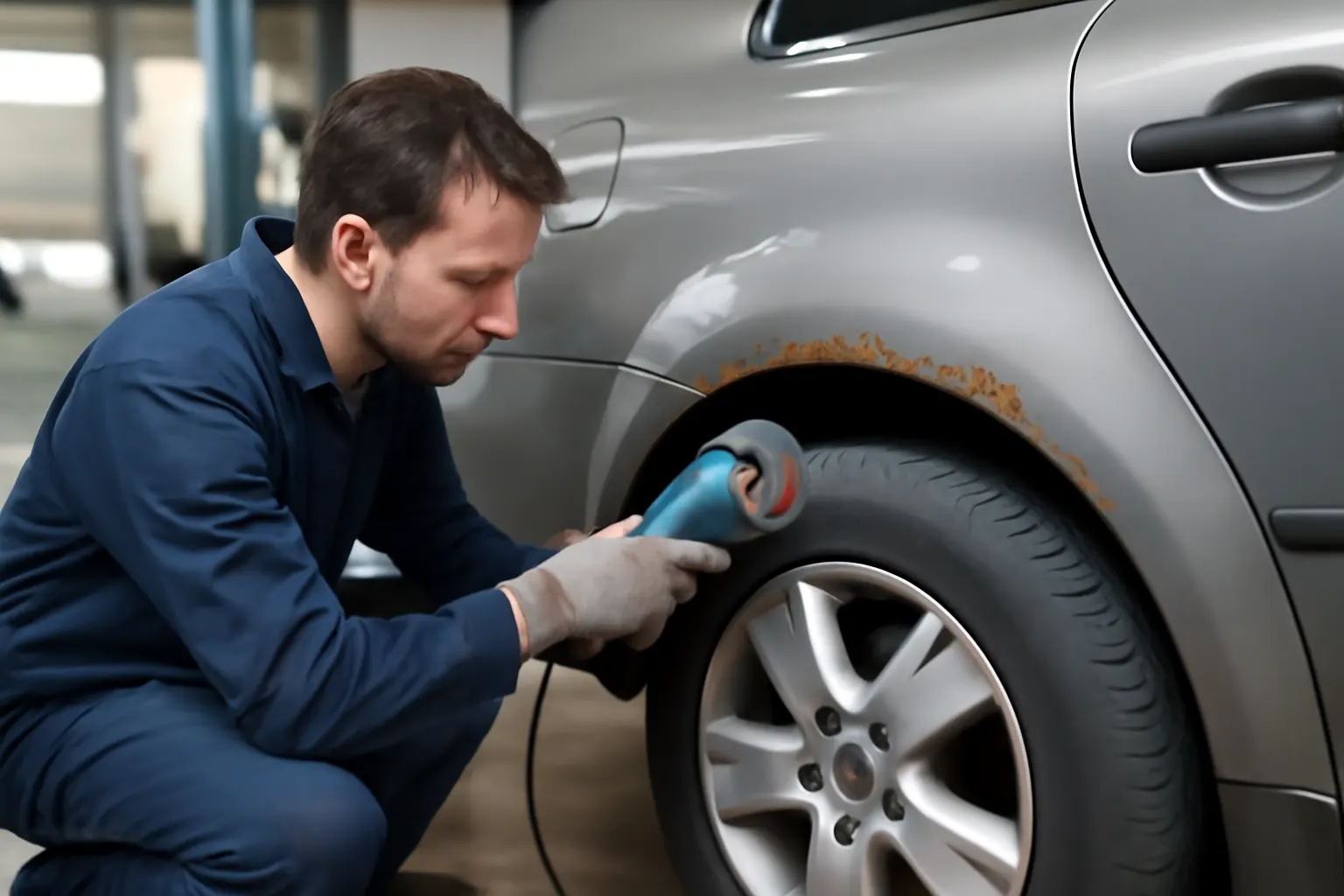
- Discoloration or Staining: Brown or orange streaks, especially near seams or wheel arches.
- Rough or Raised Patches: Feel for roughness or swelling under the paint.
- Visible Holes or Flaking: Advanced rust may cause perforations or flakes.
- Moisture in the Trunk or Rear Wheel Wells: Check for dampness, which can signal leaks and hidden rust.
A thorough inspection should include the inside of the trunk, wheel wells, and the lower edges of quarter panels—areas most prone to hidden corrosion.
Diagnostic Checklist: Assessing Quarter Panel Rust
Before deciding on a prevention or repair strategy, use this practical checklist to evaluate the extent of rust:
Advertisement
Quarter Panel Rust Assessment Checklist:
| Inspection Point | What to Look For | Action Needed |
|---|---|---|
| Wheel Well Lip | Bubbling, flaking, or roughness | Note area and severity |
| Lower Quarter Panel Edge | Discoloration, dampness | Probe with pick or screwdriver |
| Panel Seams | Rust streaks, swelling | Inspect inside and out |
| Trunk Interior | Moisture, rust stains | Check under carpet/liner |
| Rear Bumper Attachment | Corrosion around fasteners | Remove bumper if needed |
| Drain Holes | Blockages, rust around holes | Clear debris, inspect edges |
| Paint Surface | Chips, scratches, bare metal | Mark for touch-up or repair |
If rust penetrates more than surface level or is present in structural areas, professional intervention is strongly recommended.
Prevention Strategies: Long-Term Protection for Quarter Panels
Preventing rust is always easier—and more cost-effective—than repairing it. The following strategies are proven to extend the life of your quarter panels:
1. Regular Cleaning and Inspection
- Wash the wheel wells and lower panels frequently, especially after driving on salted roads or gravel.
- Inspect for chips and scratches every oil change or at least quarterly.
2. Prompt Paint Repair
- Use automotive touch-up paint to seal chips and scratches immediately.
- For larger surface damage, sand the area, apply primer, and repaint.
3. Undercoating and Rustproofing
- Apply a rubberized undercoating or wax-based rust inhibitor to the inner and outer surfaces of the quarter panel.
- Reapply annually, especially in high-salt environments.
4. Drainage Maintenance
- Keep drain holes in the quarter panel and trunk clear of debris.
- Remove mud, leaves, and road grime from wheel wells and seams.
5. Garaging and Covering
- Whenever possible, park in a garage or use a high-quality car cover to limit exposure to moisture.
Repair Strategies: Addressing Quarter Panel Rust
When rust is already present, the repair approach depends on the severity:
Minor Surface Rust
- Sand the area down to bare metal.
- Apply a rust converter or inhibitor.
- Prime and repaint with automotive-grade products.
Moderate Rust (Pitting, Small Holes)
- Cut out affected metal if necessary.
- Weld in a patch panel or use fiberglass repair kits for non-structural areas.
- Finish with primer, paint, and undercoating.
Severe or Structural Rust
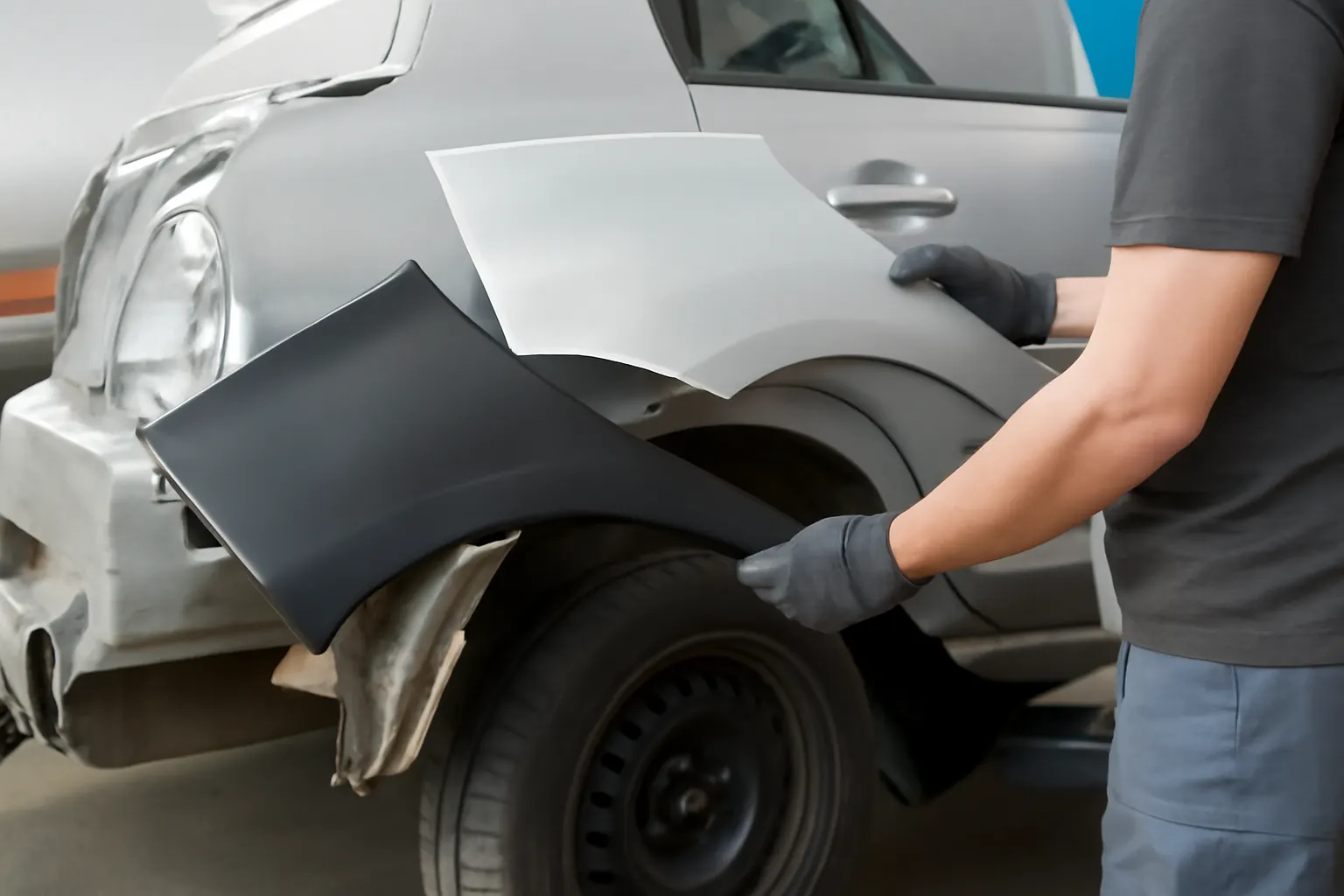
- Replace the entire quarter panel or a large section.
- Ensure proper panel alignment and weld quality—refer to our How to Replace a Quarter Panel: Step-by-Step Guide for detailed instructions.
- Coat all seams and welds with seam sealer and rust inhibitor.
Note: Structural repairs should meet or exceed OEM and safety standards as outlined by the National Highway Traffic Safety Administration [1] and SAE International [5].
Materials and Tools for Effective Rust Repair
Choosing the right materials is crucial for long-term results. Modern automotive panels may use advanced high-strength steels or lightweight alloys, so always check for compatibility:
- Abrasives: Sandpaper (80-320 grit), wire wheels, or abrasive pads.
- Rust Converters: Phosphoric acid-based or tannic acid-based products.
- Weld-Through Primer: For areas to be welded.
- Body Filler: For smoothing minor imperfections.
- Patch Panels: OEM or high-quality aftermarket steel, matched to your vehicle.
- Seam Sealer: For all joints and welds.
- Automotive Paint System: Primer, basecoat, and clearcoat.
- Protective Equipment: Gloves, goggles, respirator.
- Welding Tools: MIG welder for patch or panel replacement.
Always consult your vehicle’s service manual or a trusted supplier for material specifications. For more on panel fitment and bodywork, see Panel Alignment and Bodywork Precision.
Sourcing Quality Replacement Panels
When replacement is necessary, the choice between OEM and aftermarket quarter panels matters. OEM panels guarantee fitment and material compatibility, while high-quality aftermarket panels can offer cost savings. Review our detailed guide on OEM vs Aftermarket Quarter Panels: What You Need to Know to make an informed decision.
Key sourcing tips:
Advertisement
- Match the panel to your vehicle’s make, model, and year.
- Verify material thickness and corrosion resistance.
- Inspect for shipping damage before installation.
- Confirm that weld flanges and mounting points align with factory specifications.
For hard-to-find panels, AutoPartEx’s category pages, like Quarter Panel Replacement & Technical Guide, are a trusted resource for both OEM and vetted aftermarket options.
Installation: Best Practices for Quarter Panel Replacement
Proper installation is as important as the quality of the panel itself. Key steps include:
- Panel Fitment: Test-fit the panel before final welding. Check alignment with adjacent panels and body lines.
- Welding: Use plug welds or spot welds to replicate factory attachment points. Avoid excessive heat to prevent warping.
- Seam Sealing: Apply seam sealer to all joints, overlaps, and weld seams to block moisture intrusion.
- Corrosion Protection: Coat all bare metal with weld-through primer before welding, and apply rust inhibitor after repairs.
- Paint and Finish: Follow OEM paint procedures for blending and matching.
For a comprehensive walkthrough, refer to How to Replace a Quarter Panel: Step-by-Step Guide.
Maintenance Tips: Keeping Quarter Panel Rust at Bay
After repair or replacement, ongoing maintenance is vital:
- Wash regularly, focusing on lower panels and wheel wells.
- Inspect for new chips or scratches and touch up promptly.
- Reapply undercoating or rust inhibitor annually.
- Keep trunk and panel drain holes clear.
- Check for leaks after heavy rain or car washes.
Scheduled inspections—at least twice a year—help catch new issues before they escalate.
Impact of Quarter Panel Rust on Safety and Performance
Rust isn’t just about appearance. Structural rust in quarter panels can:
- Weaken Crash Protection: Compromised panels may deform unpredictably in a collision, reducing occupant safety [1].
- Affect Fuel Efficiency: Added weight from rust and patch repairs, or misaligned panels, can increase aerodynamic drag [2].
- Accelerate Wear on Adjacent Components: Water intrusion can damage trunk interiors, suspension mounts, or wiring.
Proper rust management ensures your vehicle remains safe, efficient, and reliable.
Advanced Materials: The Future of Rust Prevention
Automakers are increasingly using advanced high-strength steels, aluminum, and composite materials to combat rust and reduce weight [3]. These materials offer improved corrosion resistance but require specialized repair techniques:
- Aluminum Panels: Require non-ferrous abrasives and dedicated welding/bonding methods.
- Galvanized Steel: Offers better rust resistance but still needs proper sealing after repair.
- Composite Panels: May resist rust entirely but can suffer from cracking or delamination.
Always verify your vehicle’s construction before selecting repair methods.
When to Seek Professional Help
DIY rust prevention and minor repairs can be effective, but certain situations demand professional expertise:
- Structural Rust: If rust affects mounting points, frame rails, or safety-critical areas.
- Extensive Perforation: Large holes or widespread corrosion.
- Advanced Materials: Repairs involving aluminum, high-strength steel, or composites.
- Paint Matching: For seamless cosmetic restoration.
Professional shops have access to specialized tools, materials, and techniques to ensure repairs meet safety and appearance standards.
AutoPartEx: Your Partner in Quarter Panel Restoration
AutoPartEx is dedicated to supporting vehicle owners, restoration specialists, and DIYers with the latest technical guidance, quality parts, and proven repair strategies. Our Quarter Panel Replacement & Technical Guide and related resources ensure you have access to:
- OEM and premium aftermarket panels
- Step-by-step repair and installation guides
- Expert diagnostic checklists
- Trusted supplier networks
Whether you’re dealing with minor surface rust or planning a full quarter panel replacement, AutoPartEx is your go-to source for reliable information and parts.
Summary: Protecting Your Investment
Quarter panel rust is a persistent threat, but with the right knowledge and proactive care, you can prevent costly damage and extend your vehicle’s lifespan. Regular inspections, prompt repairs, and quality materials make all the difference. For more in-depth technical guidance, explore our related articles and category pages.
References
Advertisement