Advertisement
When it comes to replacing a quarter panel, you face a critical decision: Should you choose an OEM (Original Equipment Manufacturer) or an aftermarket part? The answer depends on your priorities—fitment precision, material quality, cost, and long-term durability all play a role. In this comprehensive guide, the AutoPartEx Technical Editorial Team delivers the essential facts, practical comparisons, and expert insights you need to make an informed choice for your vehicle. If you’re seeking a deeper look at all aspects of quarter panel work, our Quarter Panel Replacement & Technical Guide is a must-read companion.
Immediate Answer: Key Differences at a Glance
OEM quarter panels are produced by the original vehicle manufacturer or an authorized supplier, ensuring a factory match in terms of fit, finish, and material quality. Aftermarket quarter panels are made by third-party companies and vary widely in quality, fitment, and cost. In general:
- OEM panels guarantee precise alignment and original specifications, but often come at a higher price.
- Aftermarket panels can be significantly cheaper and more available, but may require extra work for proper fitment and might not use the same materials or coatings as OEM parts.
Choosing between them affects not only your repair bill, but also the longevity, safety, and appearance of your vehicle.
Hidden Problem: The Risks Behind the Wrong Choice
While it’s tempting to focus on upfront cost, the wrong quarter panel can introduce hidden headaches. Poor fitment leads to misaligned body lines, water leaks, and increased corrosion risk. Inadequate material quality can compromise crash safety and structural integrity. Even minor deviations from factory specs may affect resale value or trigger issues with insurance claims and future repairs. The stakes are higher than they first appear—quarter panels are a critical structural and aesthetic component of your car.
Problem Expansion: Why Quarter Panel Selection Matters
Quarter panels are not just cosmetic—they’re structural. They tie into the vehicle’s frame, support suspension mounting points, and are part of the crash energy management system. According to the National Highway Traffic Safety Administration (NHTSA), body panels, including quarter panels, must meet specific standards for fitment and safety. The materials used influence not only durability and corrosion resistance but also the overall weight and, consequently, the fuel efficiency of your vehicle (DOE Fuel Efficiency).
A poorly chosen quarter panel can:
- Compromise vehicle safety in a collision.
- Accelerate rust formation due to inferior coatings or improper sealing.
- Cause difficulty in aligning doors, trunk, and rear glass.
- Require costly rework or even replacement if inspection fails.
Understanding these deeper implications is crucial before making your decision.
Understanding OEM Quarter Panels
What Makes OEM Panels Unique?
OEM quarter panels are designed and manufactured to the exact specifications of your vehicle’s make and model. They use the same materials, thicknesses, corrosion-resistant coatings, and weld locations as the parts originally installed at the factory. This ensures:
- Perfect fitment: Bolt holes, curves, and mounting points align precisely.
- Consistent material quality: The same steel or aluminum grades as factory parts.
- Factory finish: Paint and primer compatibility matches the rest of the vehicle.
- Crashworthiness: Meets original safety standards (NHTSA Equipment).
Pros and Cons of OEM Quarter Panels
Pros:
- Guaranteed fit and finish.
- Maintains original structural integrity.
- Easier installation with fewer adjustments.
- Higher resale value and easier insurance claim approval.
Cons:
- Higher cost than aftermarket options.
- May require special ordering and longer lead times.
- Limited availability for older or discontinued models.
Understanding Aftermarket Quarter Panels
The Spectrum of Aftermarket Quality
Aftermarket quarter panels are produced by independent manufacturers. Quality varies dramatically—from reputable companies that match or exceed OEM standards, to budget suppliers cutting corners on materials, coatings, or tolerances. Key differences can include:
- Material thickness: Some aftermarket panels use thinner steel or cheaper alloys, affecting strength and durability.
- Coating quality: Inferior e-coat or galvanization increases rust risk.
- Fitment: Holes, bends, and contours may not perfectly match OEM specs, requiring extra bodywork.
Pros and Cons of Aftermarket Quarter Panels
Pros:
Advertisement
- Lower cost—sometimes half or less than OEM.
- Greater availability, especially for older vehicles.
- Shorter lead times and more supplier options.
Cons:
- Variable fitment; may require trimming or re-drilling.
- Potential for lower-quality materials and coatings.
- May not meet OEM safety or corrosion standards.
- Can complicate insurance claims or resale.
Materials and Manufacturing: The Technical Side
Material Quality and Its Impact
Quarter panels are typically made from stamped steel, high-strength steel, or aluminum. The Department of Energy’s Materials Technologies research highlights that material selection affects:
- Structural rigidity: Thicker, high-quality steel resists deformation.
- Corrosion resistance: Factory coatings and galvanization prevent rust.
- Weight: Lighter panels can improve fuel efficiency, but only if strength is maintained.
OEM panels are required to use materials matching the original engineering requirements. Aftermarket panels may substitute cheaper or thinner materials, which can reduce weight but also compromise safety and longevity.
Manufacturing Tolerances and Standards
OEM panels are stamped using precise dies and undergo strict quality control. Aftermarket panels may have wider tolerances, leading to:
- Warped or uneven panel surfaces.
- Misaligned mounting points.
- Variations in edge contours, affecting adjacent panels and trim.
Some high-end aftermarket brands adhere to SAE Standards, but many budget options do not.
Fitment: The Crucial Test
Why Fitment Matters
Quarter panels must align with doors, trunk lids, tail lights, and rear glass. Even a few millimeters of misalignment can cause:
- Visible gaps or overlaps.
- Water leaks into the trunk or cabin.
- Wind noise and vibration.
- Difficulty installing trim or weather seals.
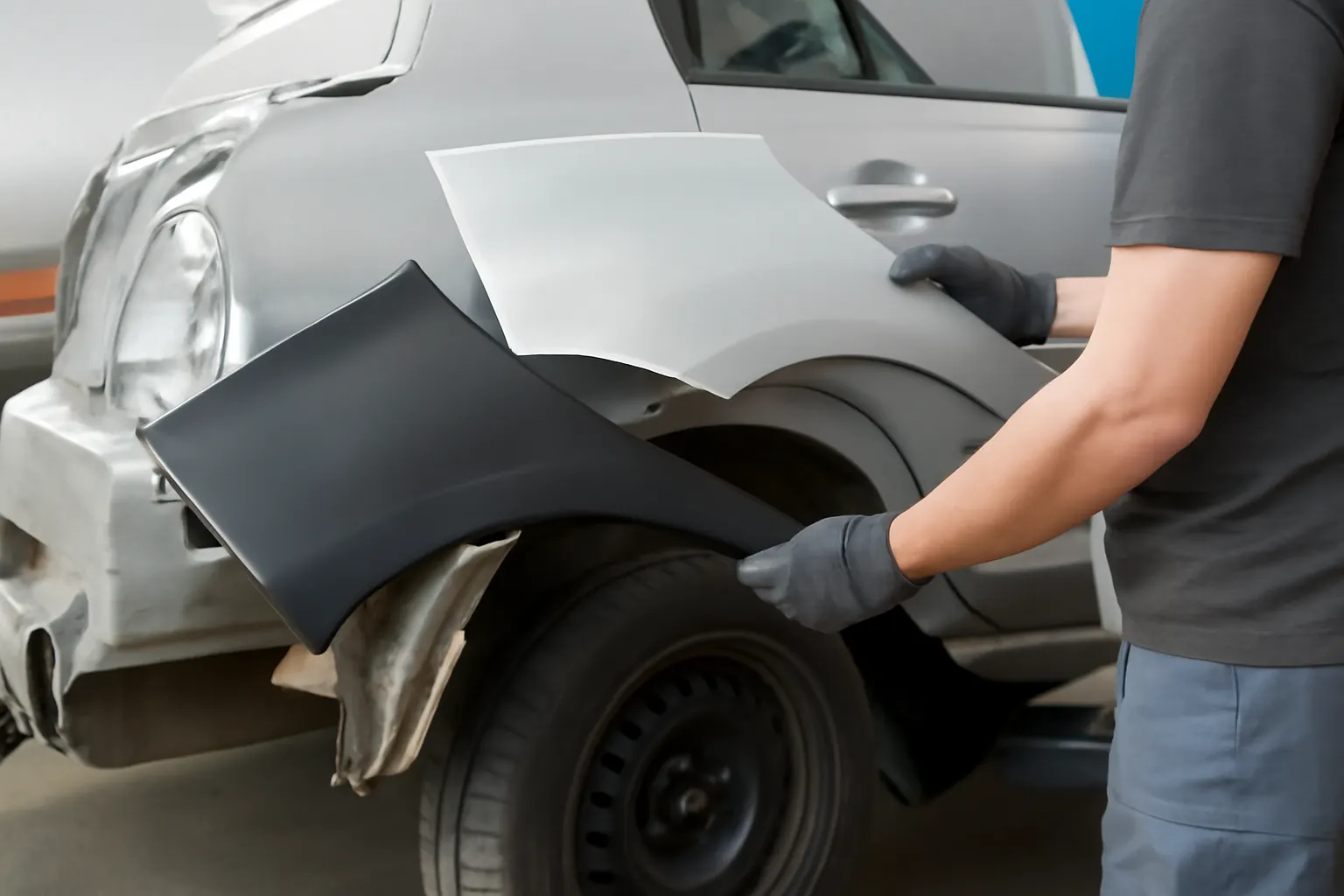
OEM panels are engineered for perfect fitment. Aftermarket panels may require significant adjustment—sometimes even cutting, welding, or reshaping.
Fitment Checklist
Before purchasing or installing any quarter panel, use this checklist to ensure proper fitment:
- Verify part number matches your vehicle’s year, make, and model.
- Inspect all mounting points and edges for alignment.
- Test-fit panel before final welding or bolting.
- Check alignment with adjacent doors, trunk, and glass.
- Ensure all trim, lights, and seals fit without modification.
- Inspect for uniform coating and absence of shipping damage.
Cost Considerations: Upfront and Long-Term
Comparing Initial Costs
- OEM panels: Typically range from $400–$1,500 or more, depending on vehicle and finish.
- Aftermarket panels: Range from $100–$600, with wide quality variation.
Hidden Costs
A cheaper panel may cost more in the long run if it requires extra labor for fitment, additional rustproofing, or causes issues down the road. Consider:
- Labor hours for adjustment or repair.
- Additional materials (seam sealer, rustproofing).
- Potential for rework or replacement if fitment fails.
Insurance and Resale Impact
Many insurance companies prefer OEM parts for newer vehicles or lease returns, as they maintain vehicle value and safety standards. Using aftermarket panels may affect claim approval or reduce payout in the event of a future loss.
Safety and Compliance
Crashworthiness
Quarter panels are part of the vehicle’s structural shell. In a collision, their strength and attachment affect how crash energy is absorbed and directed. According to the NHTSA, any replacement body panel should maintain original safety performance. Inferior aftermarket panels may deform more easily or fail at weld points.
Regulatory Compliance
OEM panels are always compliant with federal safety and corrosion standards. Some aftermarket panels meet these requirements, but not all do. Look for parts that specify compliance with applicable SAE Standards and NHTSA guidelines.
Installation: Practical Challenges
OEM Installation Experience
OEM panels are designed for straightforward installation, following factory repair procedures. They:
- Line up with existing spot welds and mounting points.
- Require minimal trimming or adjustment.
- Accept factory trim, moldings, and seals without modification.
Aftermarket Installation Challenges
With aftermarket panels, installers may encounter:
- Misaligned holes or weld points.
- Excess metal that must be trimmed for proper fit.
- Uneven edges requiring additional bodywork.
- Variations in panel curvature, causing mismatched body lines.
Professional body shops often charge more to install aftermarket panels due to these extra steps.
Installation Best Practices
- Always test-fit the panel before final welding or bolting.
- Use corrosion-resistant seam sealers and coatings, especially with aftermarket panels.
- Align all adjacent panels before finalizing installation.
- Refer to our How to Replace a Quarter Panel: Step-by-Step Guide for detailed installation procedures.
Advertisement
Longevity and Corrosion Resistance
OEM Coatings and Rustproofing
OEM quarter panels are coated with factory primers, e-coats, and sealants designed to resist corrosion for the vehicle’s lifespan. Properly installed, they should last as long as the rest of the body.
Aftermarket Vulnerabilities
Aftermarket panels may have:
- Thinner or inconsistent coatings.
- Bare metal edges that require additional sealing.
- Increased risk of rust at weld seams and mounting points.
Applying extra rustproofing and seam sealer is essential when installing aftermarket panels, especially in rust-prone climates. For more on keeping your panels rust-free, visit our Quarter Panel Rust: Prevention and Repair Strategies.
Availability and Sourcing
OEM Sourcing
OEM panels are available through dealerships and authorized parts distributors. For late-model vehicles, supply is usually good, but older or discontinued models may be challenging to source and require longer wait times.
Aftermarket Sourcing
Aftermarket panels are widely available from online retailers, local parts stores, and salvage yards. Quality varies, so it’s important to research the manufacturer and read reviews.
Sourcing Checklist
- Confirm supplier reputation and return policy.
- Request information on material thickness and coating type.
- Ask about compliance with NHTSA or SAE standards.
- Inspect the panel upon delivery for damage or defects.
Diagnostic Guidance: When Is Panel Replacement Necessary?
Signs You Need a New Quarter Panel
- Collision damage with creasing or tearing.
- Advanced rust or perforation, especially near structural seams.
- Poor prior repair with excessive filler or misalignment.
- Water leaks or wind noise due to panel distortion.
Pre-Installation Diagnostics
- Measure all body gaps and alignment before removing the old panel.
- Check for hidden frame or structural damage.
- Assess adjacent components (tail lights, trunk, doors) for fitment issues.
- Document all findings for insurance or resale purposes.
Maintenance After Replacement
Post-Installation Care
- Inspect seam sealer and coatings annually for cracking or peeling.
- Wash and wax regularly to protect paint and prevent corrosion.
- Touch up chips or scratches immediately.
- Check panel alignment after any minor impact or accident.
Long-Term Considerations
OEM panels require minimal extra attention if properly installed. Aftermarket panels, especially those with thinner coatings, benefit from additional rustproofing and more frequent inspections.
Making the Right Choice: Decision Path
Factors to Weigh
- Vehicle Age and Value: For late-model or high-value vehicles, OEM is often best. For older daily drivers, a quality aftermarket panel may suffice.
- Insurance Requirements: Check if your insurer mandates OEM parts for coverage.
- Budget: Factor in not just the part cost, but also installation labor and potential rework.
- Availability: For rare models, aftermarket may be the only practical option.
- Long-Term Ownership: If you plan to keep the vehicle, invest in quality for fewer headaches down the road.
Expert Checklist: Choosing Your Quarter Panel
- Confirm your vehicle’s exact year, make, and model.
- Research OEM and reputable aftermarket part numbers.
- Compare material specifications and coating details.
- Read installer reviews and ask about fitment experience.
- Factor in both part cost and estimated labor hours.
- Ask your insurance company about preferred parts.
- Inspect the panel thoroughly before installation.
- Document the replacement for future resale or claims.
The AutoPartEx Advantage
At AutoPartEx, our mission is to help you make informed, confident decisions about every auto part purchase. We provide technical resources, expert guides, and a curated selection of both OEM and high-quality aftermarket quarter panels. Our team prioritizes safety, fitment, and value—so you can trust that your repair will stand the test of time. For more technical detail and step-by-step procedures, explore our Quarter Panel Replacement & Technical Guide and related resources.
Conclusion: Choose Wisely for Safety, Value, and Peace of Mind
The decision between OEM and aftermarket quarter panels is more than a matter of price—it’s about balancing fitment, safety, longevity, and total ownership cost. By understanding the technical differences and weighing your vehicle’s needs, you ensure a repair that looks right, lasts long, and keeps you safe on the road. Always prioritize quality, and don’t hesitate to consult with professional installers or trusted suppliers. When in doubt, turn to AutoPartEx for unbiased technical advice and parts you can trust.
References
Advertisement