
Quarter Panel
Quarter Panel Selection and Service: What Every Buyer Should Know
Quarter panels are often overlooked until damage or rust becomes impossible to ignore. Yet, understanding the nuances of quarter panel selection and repair can save you time, money, and future headaches. Whether restoring a classic or addressing collision damage, knowing what to look for—and what questions to ask—ensures you get the right fit and finish for your vehicle. Let’s delve into the specifics every buyer should consider before making a decision.
Showing 1–8 of 656 products


More Quarter Panel options
Filtering for Quarter PanelBrowse nearby inventory for this category without leaving the page. Use search to filter by price, part number, or city.
No Data Available
Please check back soon when more inventory is available for this part.
Quarter Panel Selection and Service: What Every Buyer Should Know
Why Quarter Panel Choices Deserve a Closer Look
Many vehicle owners only think about quarter panels after a collision or when rust becomes visible, but the importance of this body component extends well beyond aesthetics. The quarter panel, forming the rear side of a vehicle between the rear door and trunk, is integral to structural integrity and overall value. Overlooking subtle signs of wear or damage can lead to more extensive—and expensive—issues down the line. That’s why it’s crucial to understand what makes a quarter panel replacement or repair successful.
One often-missed consideration is how the choice of quarter panel—whether OEM, aftermarket, or salvage—affects not just the look, but also the long-term durability and fit of your vehicle. Buyers may focus on price alone, but a poorly fitting panel can compromise alignment, lead to water leaks, or even affect safety in a subsequent collision. Taking the time to evaluate your options and gather the right information can make a significant difference in the outcome of your repair or restoration project.
Additionally, the process of selecting and installing a quarter panel involves more than simply matching part numbers. Factors like panel alignment, welding or bonding methods, and paint matching all play a role in the final result. Ignoring these details can result in a repair that’s obvious to the eye or, worse, one that fails to protect your vehicle from future damage. By starting with a comprehensive understanding, you set yourself up for a smoother, more reliable repair experience.

Understanding Quarter Panel Issues and Their Impact
Quarter panels are susceptible to a range of problems, from minor dents and scratches to significant rust or collision damage. Because they’re part of the vehicle’s exterior shell, they’re exposed to environmental hazards like road salt, moisture, and debris. Over time, even small chips in the paint can allow rust to take hold, spreading beneath the surface and weakening the metal. This gradual deterioration can go unnoticed until it becomes a serious structural concern, impacting not only appearance but also safety.
Collision damage is another common issue affecting quarter panels. Even a low-speed impact can distort the panel, affecting the alignment of doors, trunk lids, or taillights. In some cases, the damage may extend to underlying support structures, making a simple cosmetic repair insufficient. For vehicles with unibody construction, the quarter panel’s role in overall rigidity means that improper repairs can compromise crashworthiness. Recognizing the full extent of damage is critical before deciding on a repair or replacement strategy.
Rust is a particularly insidious problem for quarter panels, especially in older vehicles or those exposed to harsh climates. Once rust penetrates the metal, it can spread quickly, undermining welds and seams. Surface rust may be repairable, but advanced corrosion often necessitates complete panel replacement. Owners who ignore early signs of rust may find themselves facing much larger repairs, including adjacent components like wheel wells or rocker panels. Prevention and early intervention are key to minimizing costs and preserving vehicle value.
Another overlooked factor is the impact of previous repairs. Vehicles that have undergone prior bodywork may have hidden issues, such as poorly aligned panels, mismatched paint, or substandard welding. These problems can resurface when a new quarter panel is installed, complicating the repair process and potentially reducing resale value. It’s important to assess the quality of any previous repairs before proceeding with new work, as correcting old mistakes can add time and expense to the project.
Fitment challenges are also common when replacing quarter panels, especially when using aftermarket or salvage parts. Even panels listed as compatible may require adjustment to achieve proper alignment and gaps. Differences in stamping, thickness, or mounting points can lead to headaches during installation. Without careful test-fitting and alignment, the final result may look uneven or cause functional issues, such as water leaks or rattling. Understanding these potential pitfalls helps set realistic expectations for the repair process.
Finally, the regulatory and safety context should not be ignored. While quarter panels themselves are not typically subject to recalls, their installation can affect the performance of safety features like crumple zones or side-impact protection. Ensuring that repairs are performed to manufacturer standards is essential for maintaining the safety and integrity of your vehicle. Consulting reliable resources and verifying that your vehicle has no outstanding recalls related to body structure is a prudent step before undertaking major bodywork. For more on this, see NHTSA: Vehicle Recalls.
Practical Steps for Selecting and Replacing a Quarter Panel
Selecting the right quarter panel starts with accurate identification of your vehicle’s make, model, and year. This information ensures you’re searching for parts that are designed to fit your specific vehicle. It’s also wise to check for any sub-model distinctions or production changes within a model year that could affect compatibility. When in doubt, consult your vehicle’s VIN or refer to manufacturer documentation. This foundational step helps avoid costly ordering mistakes and installation delays.
Once you’ve identified the correct part, consider the source: OEM, aftermarket, or salvage. OEM panels are manufactured to the original specifications and typically guarantee the best fit and finish, but they often come at a premium price. Aftermarket panels can offer cost savings, but may require more adjustment during installation. Salvage panels, taken from donor vehicles, can be a budget-friendly option, especially for older or rare models, but may have hidden wear or previous repairs. For a detailed comparison, see OEM vs Aftermarket Quarter Panels: What You Need to Know.
Before committing to a purchase, request detailed photographs and, if possible, inspect the panel in person. Look for signs of previous repairs, rust, or damage that could complicate installation. Ask the seller for measurements and compare them to your vehicle’s existing panel to ensure alignment. If you’re working with a body shop, involve them early in the process—they can provide valuable input on fitment and potential challenges based on their experience with your vehicle type.
Obtaining a written repair estimate is a critical step, as recommended by the Federal Trade Commission (FTC). The estimate should clearly identify the condition to be repaired, the parts needed, and anticipated labor charges. For complex or expensive repairs, consider seeking a second opinion to ensure you’re getting a fair assessment. Ask whether the technician has experience with your vehicle make and model, as this can impact the quality of the finished repair. See FTC: Auto Repair Basics for more guidance.
When it’s time for installation, precision is key. Proper alignment of the new quarter panel ensures that body lines, gaps, and mounting points match the rest of the vehicle. This may require test-fitting, minor adjustments, or even specialized tools. Welding or bonding methods must be chosen based on the panel material and manufacturer recommendations. Attention to detail during this stage prevents issues like misaligned doors, trunk lids, or taillights, which can detract from the quality of the repair. For more on alignment, see Panel Alignment and Bodywork Precision.
Paint matching is another crucial consideration. Even a perfectly installed panel can stand out if the paint color or finish doesn’t match the rest of the vehicle. Professional shops use blending techniques to achieve a seamless appearance, but this requires skill and the right equipment. Discuss paint options with your repair provider and request examples of their previous work to gauge their expertise. In some cases, repainting adjacent panels may be necessary for the best result.
After installation, inspect the completed work carefully. Review the repair order to ensure all agreed-upon tasks were completed and that the correct parts were used. Check for proper alignment, consistent gaps, and a smooth paint finish. Test the function of doors, trunk, and lights to confirm that everything operates as expected. If you notice any issues, address them with the repair provider before finalizing payment. Retain all documentation for future reference, especially if you plan to sell the vehicle.
Finally, take preventive measures to protect your new quarter panel from future damage. Regular washing and waxing help guard against rust and environmental wear. Address chips or scratches promptly to prevent corrosion from taking hold. If you live in an area prone to road salt or harsh weather, consider additional protective coatings. For more strategies, see Quarter Panel Rust: Prevention and Repair Strategies. These steps help maximize the life and appearance of your investment.
What the Evidence Says About Quarter Panel Selection and Repair
The Federal Trade Commission’s guidance on auto repair emphasizes the importance of getting a written repair estimate that identifies the condition to be repaired, the parts needed, and anticipated labor charges. This advice is not specific to quarter panels, but it establishes a best practice for any significant bodywork, including quarter panel replacement. The FTC further recommends seeking a second opinion for expensive or complicated repairs and verifying the technician’s experience with your vehicle make and model. While this does not guarantee a successful outcome, it helps consumers make informed decisions and avoid unexpected costs. See FTC: Auto Repair Basics.
The FTC also distinguishes between new, remanufactured, and salvage parts, noting that salvage parts come from another vehicle without alteration. This is particularly relevant for quarter panels, as buyers may encounter a range of options when sourcing replacement panels. Understanding the origin and condition of the part is essential for setting expectations about fitment, longevity, and appearance. The FTC’s guidance underscores the importance of asking detailed questions about the part’s history and inspecting it carefully before purchase. This approach helps mitigate the risks associated with using non-new components.
According to the National Highway Traffic Safety Administration (NHTSA), recalls are typically issued when a manufacturer or NHTSA determines that a vehicle, equipment, or component creates an unreasonable safety risk or fails to meet minimum safety standards. While quarter panels themselves are not commonly the subject of recalls, their installation can impact the performance of safety features, particularly in vehicles with unibody construction. The NHTSA recommends checking for open recalls using your vehicle’s VIN and following manufacturer guidance for any related repairs. This process ensures that bodywork does not inadvertently compromise safety. See NHTSA: Vehicle Recalls.
The NHTSA further explains that complaints from vehicle owners can lead to investigations and, if warranted, recalls. This highlights the importance of reporting any issues with replacement panels or bodywork that affect vehicle safety. While there is no evidence of widespread quarter panel defects leading to recalls, the NHTSA’s process provides a mechanism for addressing potential safety concerns. Owners should remain vigilant and proactive in monitoring the quality of repairs and reporting any problems to the appropriate authorities.
Neither the FTC nor the NHTSA provides specific technical specifications or service intervals for quarter panel replacement. Instead, both agencies emphasize the importance of informed consumer decision-making, clear communication with repair providers, and adherence to manufacturer recommendations. This means that buyers should not rely solely on catalog listings or seller claims of compatibility. Instead, they should gather evidence—such as measurements, photographs, and repair histories—to verify that the selected panel will meet their needs and expectations.
The FTC’s guidance also notes that there is no standard warranty on repairs, and consumers should understand the coverage offered by their repair provider. This is particularly relevant for quarter panel work, which can be expensive and complex. Buyers should request written documentation of any warranties or guarantees and clarify what is covered in the event of a problem. This approach helps protect against future disputes and ensures that any issues are addressed promptly and fairly. See FTC: Auto Repair Basics.
Finally, the NHTSA and FTC both recommend keeping thorough records of all repairs, including parts used, labor performed, and costs incurred. This documentation is valuable not only for warranty purposes but also for maintaining the vehicle’s resale value. A well-documented repair history demonstrates that the vehicle has been properly maintained and can provide peace of mind to future buyers. By following these evidence-based recommendations, owners can navigate the quarter panel replacement process with greater confidence and achieve a high-quality result.
Take the Next Step Toward a Confident Quarter Panel Repair
Whether you’re replacing a damaged quarter panel or restoring a classic vehicle, taking a methodical, evidence-based approach is the best way to ensure a successful outcome. Start by gathering detailed information about your vehicle and the available replacement options. Consult reputable resources, request written estimates, and involve experienced professionals in the process. By following the practical steps and evidence-backed recommendations outlined here, you’ll be well-equipped to make informed decisions and achieve a repair that meets your standards for fit, finish, and safety. For more guidance, explore our Quarter Panel catalog or connect with trusted local body shops.
References
- NHTSA: Vehicle Recalls
- FTC: Auto Repair Basics
References
- NHTSA: Vehicle Recalls - NHTSA, accessed 2026-11-01
- FTC: Auto Repair Basics - FTC, accessed 2026-11-01
Related Guides & Articles

How to Replace a Quarter Panel: Step-by-Step Guide
Replacing a quarter panel is one of the most advanced and rewarding body repairs you can perform on a vehicle. Whether you’re a seasoned automotive professional or a determined DIYer, this comprehensive guide will walk you through every phase of quarter panel replacement—from safe removal and precise alignment to expert welding and seamless finishing. For anyone seeking additional technical depth or related part fitment, visit our Quarter Panel Replacement & Technical Guide for expanded resources.
View Guide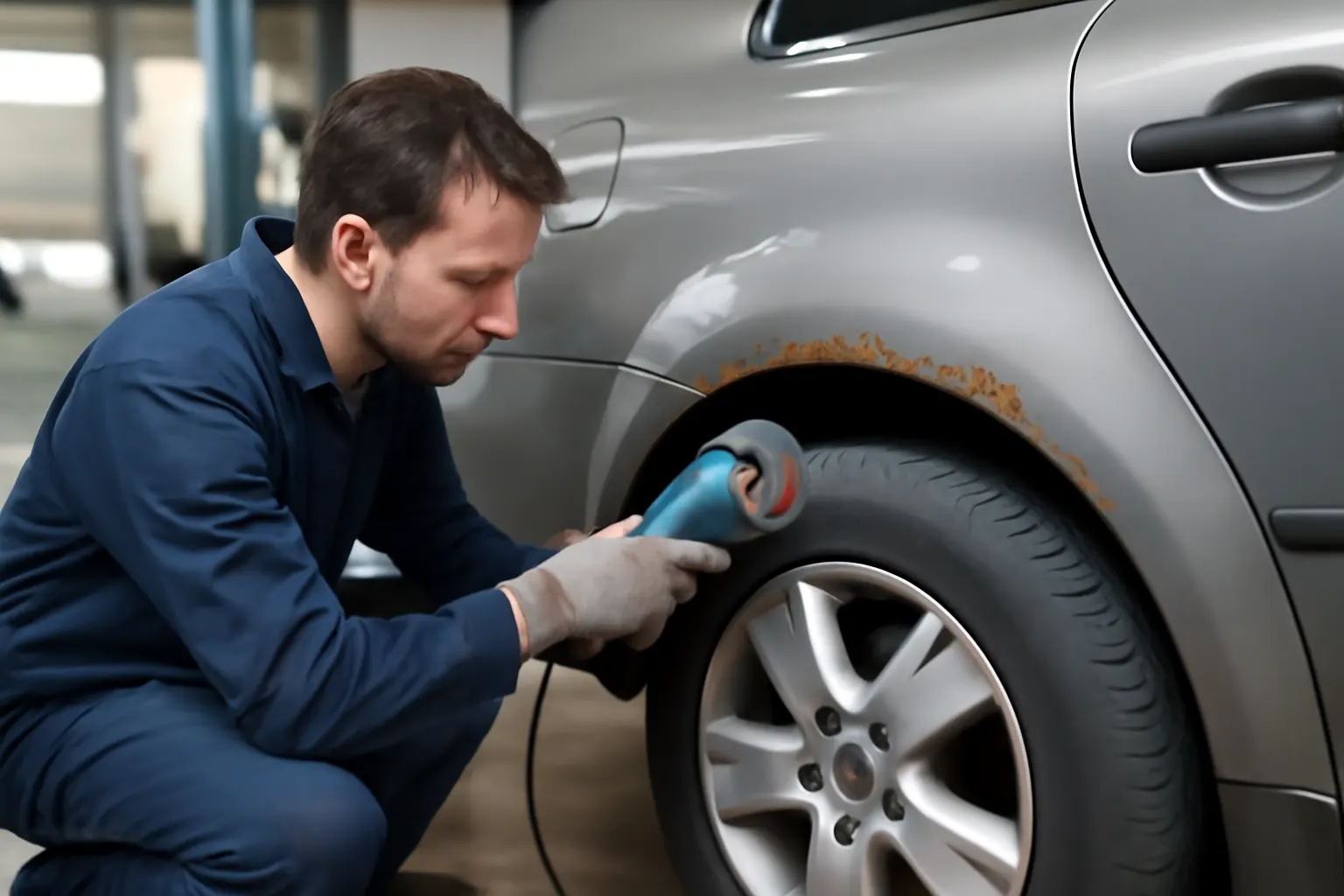
Quarter Panel Rust: Prevention and Repair Strategies
Quarter panels are critical structural and aesthetic components of your vehicle. Rust in this area isn’t just a cosmetic nuisance—it can compromise safety, reduce fuel efficiency, and lead to significant repair costs if left unaddressed. The National Highway Traffic Safety Administration underscores the importance of maintaining vehicle body panels, including quarter panels, to preserve crashworthiness and occupant protection [[1]]( ). While rust is visually obvious in its advanced stages, the underlying conditions that enable it are often hidden.
Read More
Panel Alignment and Bodywork Precision
Many DIYers and even some professionals underestimate the complexity involved in aligning replacement panels. Small deviations in panel gaps—sometimes less than a millimeter—can lead to cumulative issues: Water leaks and corrosion due to improper sealing Increased cabin noise from wind intrusion Binding or improper operation of doors, trunk, or hatch Reduced crashworthiness by altering the crumple zone geometry Negative impact on resale value and customer satisfaction Automakers design vehicle bodies with strict gap specifications—typically 2.5mm to 4.5mm for most panel interfaces.
View Guide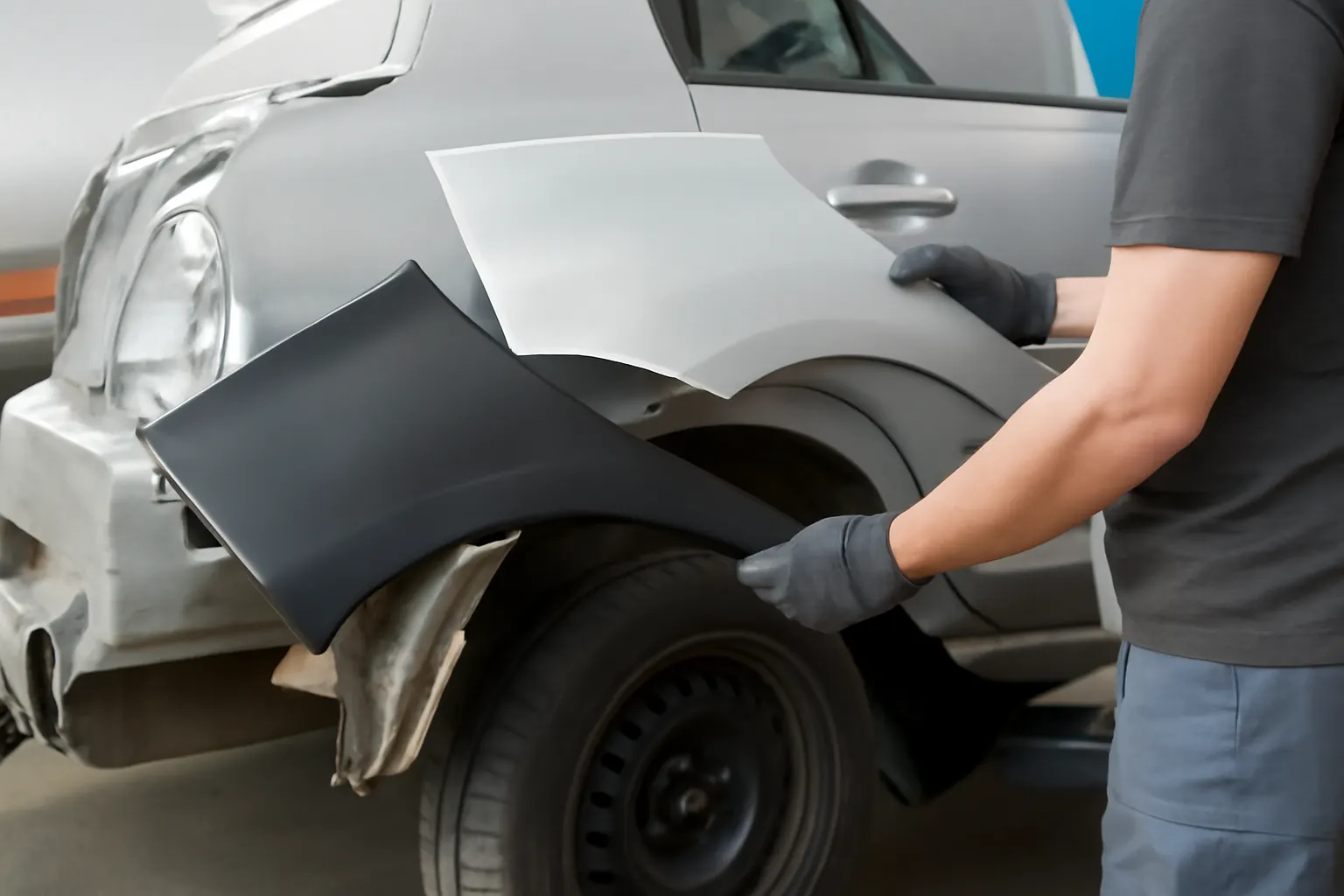
OEM vs Aftermarket Quarter Panels: What You Need to Know
When it comes to replacing a quarter panel, you face a critical decision: Should you choose an OEM (Original Equipment Manufacturer) or an aftermarket part? The answer depends on your priorities—fitment precision, material quality, cost, and long-term durability all play a role. In this comprehensive guide, the AutoPartEx Technical Editorial Team delivers the essential facts, practical comparisons, and expert insights you need to make an informed choice for your vehicle.
Read More