Advertisement
Preventing Wiring Harness Failures: Tips for Longevity
The engine wiring harness is the unsung hero of modern automotive engineering, acting as the nerve center that connects sensors, actuators, and control modules to ensure your engine operates at peak performance. Preventing wiring harness failures is essential for maintaining vehicle reliability, safety, and efficiency. This comprehensive guide delivers actionable best practices for protecting your engine wiring harness from heat, moisture, and mechanical damage—ensuring your vehicle remains dependable for years to come.
If you want a deeper dive into the anatomy and importance of these critical components, visit our Engine Wiring Harness: The Nerve Center of Modern Engines page for foundational knowledge.
Why Wiring Harness Longevity Matters—Immediate Answers
Wiring harness failures can leave you stranded, trigger the check engine light, or cause subtle performance issues that are difficult to diagnose. With the increasing complexity of automotive electrical systems, a single wiring issue can impact everything from ignition timing to fuel injection, emissions control, and even advanced driver-assistance features. Proactively protecting your engine wiring harness is not just about avoiding inconvenience—it's a critical step in ensuring engine safety, optimizing fuel efficiency, and extending the life of your vehicle.
Quick Tips for Harness Longevity:
- Routinely inspect for signs of wear, heat damage, or corrosion.
- Keep harnesses clean and dry.
- Use high-quality heat shielding and protective conduit.
- Secure harnesses to prevent vibration and abrasion.
- Address minor issues before they escalate into major failures.
The Hidden Problem: Why Wiring Harnesses Fail Prematurely
Despite their robust design, engine wiring harnesses are exposed to some of the harshest conditions in the vehicle. Under-hood temperatures can exceed 200°F (93°C), moisture is ever-present, and constant vibration or shifting components can cause chafing. Compounding these issues, modern vehicles pack more electronics into tighter spaces, increasing the risk of damage.
Common Hidden Threats:
- Thermal Stress: Proximity to exhaust manifolds or turbochargers can cause insulation to become brittle.
- Moisture Ingress: Leaks or poor sealing allow water to corrode connectors and wires.
- Mechanical Damage: Rubbing against metal brackets, pinching during repairs, or rodent attacks.
- Chemical Exposure: Oil, coolant, and cleaning agents degrade wire insulation over time.
Unnoticed, these threats can silently degrade your wiring harness, leading to intermittent faults that are notoriously hard to trace.
The Cost of Wiring Harness Failure: More Than Just Inconvenience
A failed wiring harness can manifest as anything from a no-start condition to erratic sensor readings, misfires, or even catastrophic engine damage if critical signals are lost. Diagnosing electrical issues is labor-intensive and often requires specialized tools. In many cases, harness replacement is the only viable repair—an operation that can cost hundreds or even thousands of dollars depending on the vehicle.
Broader Impacts:
- Safety Risks: Faulty wiring can disable safety-critical systems or cause shorts that lead to fires (NHTSA Equipment).
- Fuel Efficiency Loss: Engine control systems rely on accurate sensor data; electrical faults can cause poor fuel economy (DOE Fuel Efficiency).
- Emissions Non-Compliance: Malfunctioning wiring can trigger emissions failures, risking regulatory issues.
Understanding the Anatomy of an Engine Wiring Harness
To protect your harness, it helps to know what you’re safeguarding. An engine wiring harness is a bundled assembly of electrical wires, terminals, connectors, and protective sheathing. It routes power and data between the engine control unit (ECU), sensors (oxygen, temperature, knock, etc.), actuators (fuel injectors, ignition coils), and other under-hood components.
Key Components:
- Conductors: Usually copper or aluminum wires, chosen for conductivity and flexibility.
- Insulation: Thermoplastic or thermoset materials rated for high heat and chemical resistance.
- Connectors: Sealed or unsealed, often with weatherproof gaskets.
- Sheathing: Corrugated conduit, tape, or braided sleeving to protect against abrasion and heat.
- Mounting Clips and Grommets: Secure harnesses and prevent vibration-induced wear.
Advertisement
For an in-depth breakdown of automotive connectors and terminals, see our Understanding Automotive Connectors and Terminals guide.
Heat: The Silent Wiring Harness Killer
The engine bay is a hostile environment. Heat is one of the most destructive forces acting on wiring harnesses, gradually degrading insulation and accelerating conductor corrosion.
How Heat Causes Failure:
- Insulation Breakdown: Prolonged exposure to temperatures above the insulation’s rating causes embrittlement and cracking.
- Accelerated Corrosion: Heat, combined with moisture, speeds up electrochemical reactions.
- Connector Deformation: High temperatures can warp plastic connectors, leading to poor contact or open circuits.
High-Risk Zones:
- Areas near exhaust manifolds, turbochargers, or catalytic converters.
- Locations where harnesses are routed over or near hot engine components.
Best Practices for Heat Protection:
- Use heat shields or reflective sleeving in high-temperature zones.
- Reroute harnesses away from direct heat sources when possible.
- Replace any sections showing signs of heat damage immediately.
Moisture and Corrosion: The Hidden Enemy
Water is inevitable in the engine bay—rain, puddles, coolant leaks, and even condensation can introduce moisture into the harness. Once inside, water can corrode copper wires, degrade insulation, and cause short circuits.
Typical Moisture Intrusion Points:
- Poorly sealed connectors or grommets.
- Cracked insulation or conduit.
- Leaking windshield or cowl panel seals.
Corrosion Symptoms:
- Green or white powdery deposits on connectors.
- Intermittent sensor or actuator faults.
- Increased electrical resistance, causing voltage drops.
Moisture Protection Strategies:
- Use dielectric grease on connector pins.
- Ensure all connectors are fully seated and locked.
- Replace damaged grommets and seals promptly.
- Regularly inspect for signs of moisture or corrosion.
Mechanical Damage: Chafing, Pinching, and Vibration
Mechanical stresses—often overlooked—are a leading cause of wiring harness failure. Vibration from the engine and road, sharp edges, and improper routing can wear through insulation, eventually exposing conductors.
Common Mechanical Hazards:
- Harnesses rubbing against brackets, engine blocks, or moving parts.
- Pinching during reassembly or aftermarket accessory installation.
- Inadequate support, causing the harness to sag and flex.
Prevention Checklist:
- Ensure harnesses are secured with OEM-style clips and ties.
- Route wiring away from sharp edges and moving parts.
- Use additional conduit or abrasion-resistant sleeving in high-risk areas.
- Avoid overtightening zip ties, which can pinch wires.
Chemical Exposure: Oils, Coolants, and Cleaners
Automotive chemicals are essential for engine operation and cleaning but can destroy harness insulation if leaks go unchecked.
Key Chemical Risks:
- Engine Oil: Penetrates insulation, causing swelling or softening.
- Coolant: Accelerates corrosion and can damage insulation.
- Solvents/Cleaners: Harsh chemicals dissolve insulation or degrade connector seals.
Protection Tips:
- Repair fluid leaks promptly.
- Use chemical-resistant conduit and insulation in areas prone to exposure.
- Avoid spraying degreasers or cleaners directly onto harnesses.
The Role of Materials and Construction Quality
Not all wiring harnesses are created equal. OEM harnesses are engineered to meet rigorous standards for temperature, chemical resistance, and mechanical durability (DOE Materials Technologies). However, aftermarket or low-quality harnesses may cut corners on materials or construction, leading to premature failure.
What to Look For:
- Material Ratings: Ensure wire insulation and connectors are rated for automotive temperatures and chemicals.
- Quality Assurance: Harnesses should meet SAE or equivalent standards (SAE Standards).
- Fitment: Harnesses designed specifically for your make/model will have proper routing, length, and mounting points.
For guidance on selecting and installing new harnesses, see our How to Replace an Engine Wiring Harness: Step-by-Step tutorial.
Routine Inspection and Maintenance: Your First Line of Defense
Regular inspection is key to catching issues before they become failures. Proactive maintenance can extend harness life by years.
Inspection Checklist:
- Check for cracked, brittle, or melted insulation.
- Look for exposed wires or damaged conduit.
- Inspect connectors for corrosion, bent pins, or loose locking tabs.
- Ensure all harness mounting points are secure.
- Verify that harnesses are routed away from hot or moving components.
Advertisement
Maintenance Actions:
- Clean connectors with contact cleaner if needed.
- Reapply dielectric grease periodically.
- Replace worn clips and grommets.
- Address minor damage with proper splicing and sealing techniques.
Diagnosing Wiring Harness Issues: Step-by-Step Process
When electrical symptoms arise, a systematic diagnostic approach is essential.
Diagnostic Steps:
- Visual Inspection: Look for obvious signs of damage, corrosion, or disconnection.
- Wiggle Test: Gently move the harness while monitoring for changes in engine behavior or error codes.
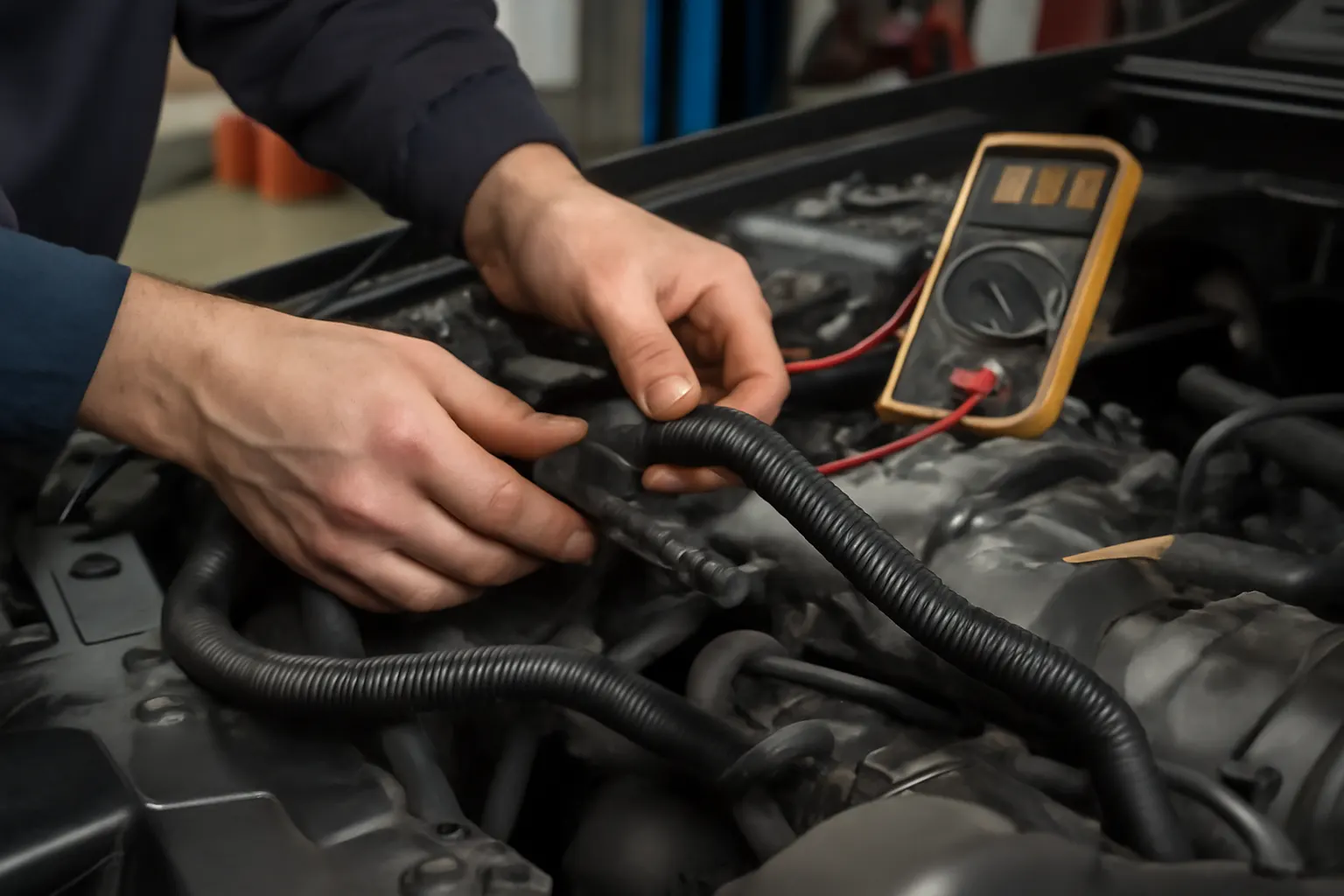
- Continuity Testing: Use a multimeter to check for open circuits or shorts.
- Connector Inspection: Examine for bent, broken, or corroded pins.
- Resistance Measurement: Check for increased resistance in suspect wires, indicating corrosion or partial breaks.
If you suspect an electrical issue, our Diagnosing Engine Electrical Issues guide provides a detailed troubleshooting workflow.
Installation and Routing Best Practices
Proper installation of a replacement or repaired harness is as critical as the harness itself.
Installation Guidelines:
- Follow OEM Routing: Use factory diagrams to ensure harnesses are routed as designed.
- Secure Properly: Use all original clips, brackets, and grommets.
- Protect from Heat: Install additional heat shielding if routing near hot components.
- Avoid Tension: Leave a slight slack to accommodate engine movement but avoid excessive sagging.
- Double-Check Connections: Ensure all connectors are fully seated and locked.
Common Installation Mistakes:
- Reusing damaged clips or grommets.
- Allowing harnesses to rest on sharp edges.
- Forgetting to reinstall heat shields or protective covers.
When to Replace vs. Repair: Making the Right Call
Not every harness issue requires a full replacement. Minor insulation damage can often be repaired, but widespread corrosion, multiple broken wires, or compromised connectors usually warrant a complete replacement.
Repair vs. Replace Decision Table:
| Symptom | Repairable? | Recommended Action |
|---|---|---|
| Single wire, minor insulation | Yes | Splice, seal, and protect |
| Localized connector corrosion | Yes | Clean or replace connector |
| Multiple broken wires | No | Replace harness |
| Extensive corrosion | No | Replace harness |
| Melted or brittle insulation | No | Replace harness |
If in doubt, consult with a professional or refer to vehicle-specific service manuals.
Sourcing High-Quality Replacement Harnesses
When replacement is necessary, sourcing the right harness is crucial for long-term reliability.
Key Sourcing Tips:
- Purchase from reputable suppliers with proven quality.
- Match the harness to your vehicle’s year, make, model, and engine configuration.
- Look for harnesses that meet or exceed OEM specifications.
- Verify the inclusion of all required connectors, grommets, and mounting hardware.
AutoPartEx offers a curated selection of harnesses and related components, ensuring you receive parts that meet the highest standards for fit and durability. Explore our Engine Wiring Harness: The Nerve Center of Modern Engines category for direct-fit solutions across a wide range of vehicles.
The AutoPartEx Advantage: Expertise You Can Trust
At AutoPartEx, we understand the critical role that wiring harnesses play in modern vehicles. Our team of automotive experts rigorously evaluates every component for quality, fitment, and durability. We provide detailed installation guides, technical support, and a comprehensive parts catalog to make your repair process seamless and successful.
Whether you’re a DIY enthusiast or a professional technician, you can count on AutoPartEx for:
-
OEM-quality and performance-tested harnesses.
-
Expert guidance on diagnosis, repair, and installation.
-
Fast shipping and responsive customer support.
-
In-depth technical resources for every step of your project.
Your vehicle’s reliability starts with a healthy wiring harness—trust AutoPartEx to help you keep it that way.
Take Action: Protect Your Wiring Harness Today
Don’t wait for an inconvenient breakdown or costly repair bill. Proactive inspection, proper maintenance, and high-quality components are your best defense against wiring harness failures. Review your vehicle’s harness condition at every service interval, address minor issues immediately, and invest in quality parts when replacement is necessary.
For more technical insights and step-by-step repair guides, browse our comprehensive engine wiring harness resources and related editorial content. Your engine—and your peace of mind—will thank you.
References
Advertisement