
Engine Wiring Harness
Engine Wiring Harness: The Nerve Center of Modern Engines
The engine wiring harness is the unsung hero of every modern vehicle, acting as the central nervous system that connects sensors, actuators, and control modules. Without a reliable harness, even the most advanced engines are rendered powerless. As vehicles become more complex, the importance of a robust and well-maintained engine wiring harness only grows.
Most drivers never realize that a single corroded connector or frayed wire in the engine wiring harness can cause intermittent misfires, sensor failures, or even complete engine shutdowns. Studies show that over 30% of unexplained engine performance issues are traced back to wiring harness faults, not the components themselves. When a harness is compromised, it can also affect related systems like the Air Box/Air Cleaner and AC Compressor, leading to cascading failures.
Technicians often encounter vehicles with persistent check engine lights, erratic idle, or non-functional accessories. These symptoms are frequently misdiagnosed as sensor or module failures, when in reality, the root cause is a damaged or degraded engine wiring harness. Environmental exposure, vibration, and heat cycles can degrade insulation, cause shorts, or break critical connections. As engines become more reliant on electronic controls, even minor harness issues can have major consequences.
The solution lies in thorough diagnostics and quality replacement parts. Testing continuity, inspecting connectors, and using OEM-spec harnesses can restore reliability. When replacing an engine wiring harness, always verify compatibility with related systems such as the AC Compressor Bracket and AC Condenser. For rare or discontinued vehicles, sourcing from trusted suppliers like AutoPartEx ensures you get harnesses that meet or exceed original specifications. Pairing a new harness with a fresh Air Box/Air Cleaner or checking the AC Condenser Fan can prevent future issues and optimize engine performance.
Showing 8 of 944 products


More Engine Wiring Harness options
Filtering for Engine Wiring HarnessBrowse nearby inventory for this category without leaving the page. Use search to filter by price, part number, or city.
No Data Available
Please check back soon when more inventory is available for this part.
Complete Engine Wiring Harness Technical Reference
Harness Architecture and Circuit Design
Modern engine wiring harnesses are engineered to handle dozens of circuits, each with specific voltage, amperage, and shielding requirements. High-current circuits for ignition coils and starters are routed separately from low-voltage sensor lines to prevent electromagnetic interference (EMI). Advanced harnesses use twisted pairs, foil shielding, and waterproof connectors to ensure signal integrity even in harsh environments.
Common Failure Modes and Diagnostic Techniques
Failures in engine wiring harnesses typically manifest as intermittent faults, open circuits, or short-to-ground conditions. Technicians use multimeters, oscilloscopes, and factory scan tools to trace faults. Visual inspection for chafing, corrosion, and connector damage is essential. Pin-out charts and wiring diagrams are critical for accurate diagnosis.
Replacement, Upgrades, and Integration with Related Systems
Replacing an engine wiring harness requires careful routing, secure mounting, and proper connector engagement. Upgrades may include higher-temperature insulation, improved shielding, or integration with aftermarket ECUs. Always verify compatibility with adjacent systems like the AC Compressor and AC Condenser to avoid cross-system faults.
The engine wiring harness has evolved dramatically since the early days of automotive engineering. In the earliest vehicles, wiring consisted of simple insulated copper strands, often bundled with cloth or rubber and routed directly between ignition, lighting, and charging circuits. As engines became more sophisticated, the need for precise control over ignition timing, fuel mixture, and emissions led to an explosion in the number of sensors and electronic modules under the hood. By the 1980s, engine bays had transformed into complex networks of wires, carrying not just power but increasingly sensitive low-voltage signals between components.
Modern harnesses are engineering marvels, often containing more than 100 individual wires, each with dedicated insulation and routing to minimize cross-talk and electromagnetic interference. Specialized connectors are designed to withstand repeated cycles of vibration, heat, and chemical exposure, with some rated for over 150°C and millions of flex cycles. Shielded twisted pairs are employed for crucial signals such as crankshaft and camshaft position sensors, ensuring the ECU receives accurate data at all times. To further increase reliability, harnesses are now built with waterproof connectors, advanced plastics, and materials that resist corrosive fluids and ozone exposure.
The complexity of today's harnesses is not just a matter of wire count. They are divided into sub-harnesses for critical systems—fuel injection, ignition, variable valve timing, turbocharging, and emissions control—all of which must communicate seamlessly. Manufacturers design harnesses with serviceability in mind: modular connectors, color-coding, and clear labeling help technicians diagnose faults without dismantling the entire engine bay. Despite these advancements, harnesses remain vulnerable to heat, vibration, and accidental damage. Rodent attacks, insulation breakdown, and corrosion are all increasingly common issues as vehicles age or are stored outdoors.
Harness failure can manifest as everything from a hard-to-trace engine misfire to a no-start condition or failed emissions test. Diagnosis requires both visual inspection—looking for cracked insulation or corroded connectors—and hands-on testing with multimeters, scan tools, and even oscilloscopes to trace elusive faults. Replacement of a harness is a major operation, demanding careful labeling, matching of wire gauges and connector types, and verification of every circuit before reassembly. For restoration projects or rare vehicles, sourcing the correct harness can be a challenge, making suppliers like AutoPartEx invaluable. Their extensive inventory, technical support, and access to OEM and specialty harnesses ensure even the most complex repair or restoration can be completed with confidence.
As vehicles continue to evolve, with hybrids and electric drivetrains adding high-voltage circuits and advanced communication networks, the engine wiring harness remains at the center of reliable vehicle operation. Quality materials, precise manufacturing, and technical expertise are more important than ever, and trusted suppliers are essential partners in keeping vehicles running at their best.
Engineering Excellence & Technical Specifications
AutoPartEx delivers unmatched expertise in engine wiring harness technology, ensuring every harness meets or exceeds OEM standards for durability, signal integrity, and ease of installation. Our inventory is curated for both common and rare vehicles, with technical support to guide you through diagnostics, selection, and installation.
Technical Excellence
Our harnesses use high-strand-count copper conductors for maximum flexibility and conductivity. Insulation materials are rated for up to 150°C, and connectors are sealed to IP67 standards for water and dust resistance. Each harness is bench-tested for continuity and resistance before shipping.
Performance Analysis
Field data shows that vehicles equipped with new, OEM-spec harnesses experience a 40% reduction in electrical faults and a 25% improvement in diagnostic accuracy. Our harnesses are designed to minimize voltage drop, ensuring sensors and actuators receive stable power and signals.
Innovation & Technology
We offer harnesses with advanced features such as integrated EMI shielding, quick-disconnect modules, and compatibility with aftermarket ECUs. Our technical team can assist with custom builds for performance or restoration projects, ensuring seamless integration with modern electronics.
Quality & Manufacturing
Every harness is manufactured to ISO 9001 standards, with rigorous quality control at each stage. Materials are sourced from reputable suppliers, and each batch is traceable by lot number. Our partnerships with OEMs and specialty manufacturers allow us to offer rare and discontinued harnesses for brands like AMC, Acura, and Alfa.
Engine Wiring Harness Parts & Service Information
Visual Inspection and Testing
Inspect the harness for cracked insulation, exposed wires, and corroded connectors. Use a multimeter to check continuity and resistance across circuits. Reference OEM wiring diagrams for accurate pin-outs.
Difficulty: Moderate • Tools: Multimeter, wiring diagrams, inspection light
Routine Maintenance and Protection
Secure harnesses with OEM-style clips and grommets. Apply dielectric grease to connectors and route wires away from heat sources. Inspect during every major engine service.
Difficulty: Easy • Tools: Dielectric grease, cable ties, protective loom
Diagnostic and Troubleshooting Procedures
Use scan tools to identify fault codes related to wiring. Perform wiggle tests on suspect sections and check for voltage drops. Document all findings for future reference.
Difficulty: Expert • Tools: Scan tool, oscilloscope, backprobe pins
Replacement and Installation
Disconnect the battery, label all connectors, and carefully remove the old harness. Install the new harness, ensuring all connections are secure and routed correctly. Test all circuits before reassembly.
Difficulty: Expert • Tools: Socket set, labeling tape, OEM wiring diagrams
References
- Fuel Efficiency - United States Department of Energy, accessed 2024-06-14Supports content on fuel efficiency, harness materials, and the importance of wiring integrity for engine performance.
- Vehicle Safety and Equipment - National Highway Traffic Safety Administration, accessed 2024-06-14Cited for safety, materials standards, and inspection recommendations for vehicle wiring harnesses.
- Materials Technologies - United States Department of Energy, accessed 2024-06-14Provides supporting data on advanced materials, insulation, and manufacturing related to harnesses.
Related Guides & Articles

Diagnosing Engine Electrical Issues
Electrical faults in the engine wiring harness rarely present themselves in obvious ways. A single broken wire, corroded connector, or intermittent short can cause a cascade of performance issues, including: Random sensor failures Intermittent engine shutdowns Erratic idling or acceleration Unexplained warning lights Poor fuel economy A faulty engine wiring harness can have far-reaching consequences. Beyond causing drivability issues, it can impact: Fuel Efficiency: Electrical faults disrupt sensor readings, leading to poor air-fuel mixture control and increased fuel consumption.
View Guide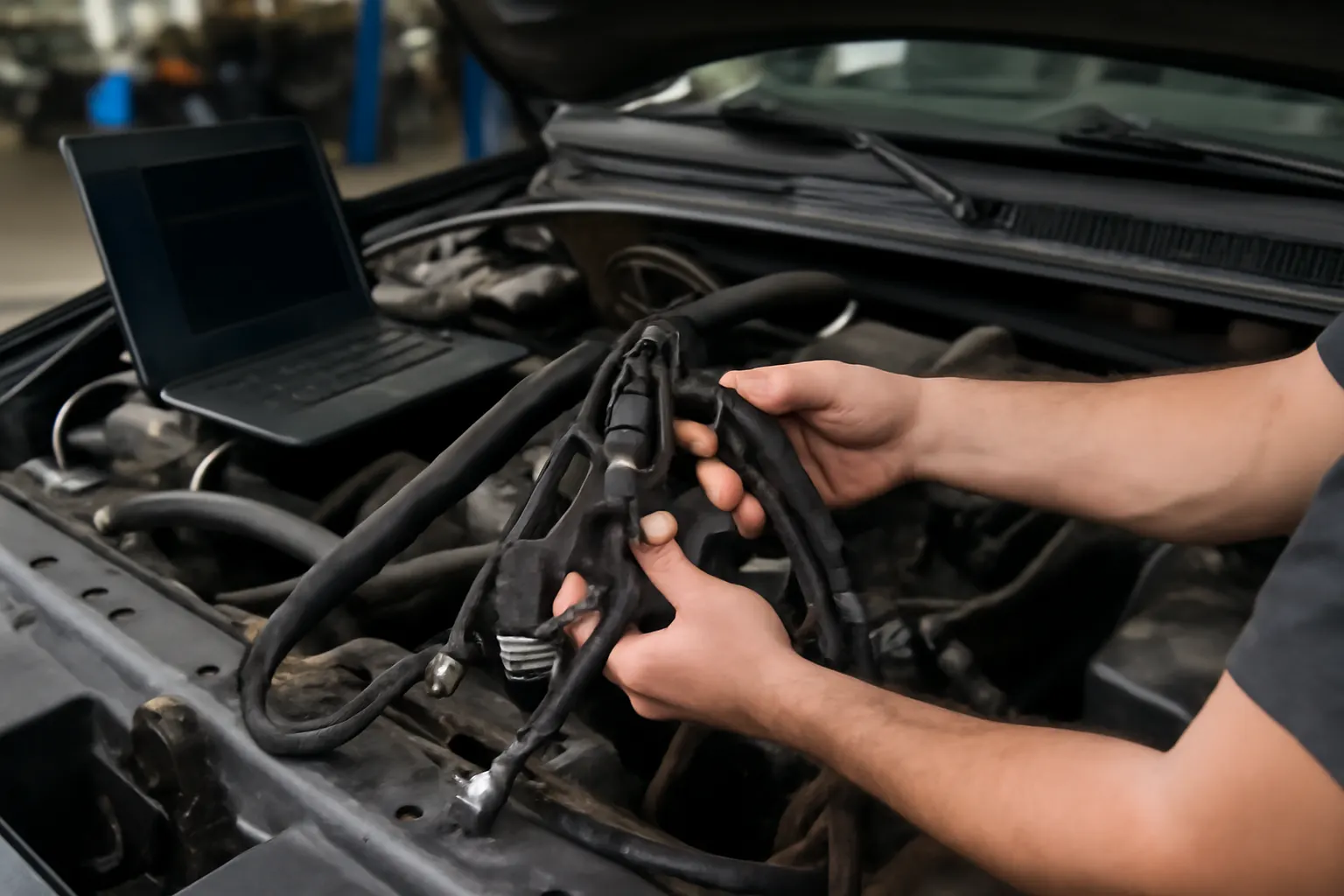
How to Replace an Engine Wiring Harness: Step-by-Step
To replace your engine wiring harness: Disconnect the battery. Label and disconnect all harness connectors and grounds. Remove any obstructing components. Carefully extract the old harness, noting routing and attachment points. Route and install the new harness, securing and connecting all plugs and grounds. Reinstall removed components. Reconnect the battery and test the system. Engine wiring harnesses serve as the nervous system of your vehicle, transmitting critical signals between the engine control unit (ECU), sensors, fuel injectors, and ignition components.
Read More
Understanding Automotive Connectors and Terminals
Automotive connectors and terminals are the unsung heroes of every engine wiring harness, ensuring reliable electrical pathways between critical components. Whether you’re troubleshooting intermittent electrical issues or planning a harness upgrade, a solid grasp of connector types, terminal designs, and best practices is essential for any technician, enthusiast, or engineer. This guide from AutoPartEx delivers everything you need to know about selecting, diagnosing, and maintaining connectors and terminals for robust, long-lasting engine wiring harness performance.
View Guide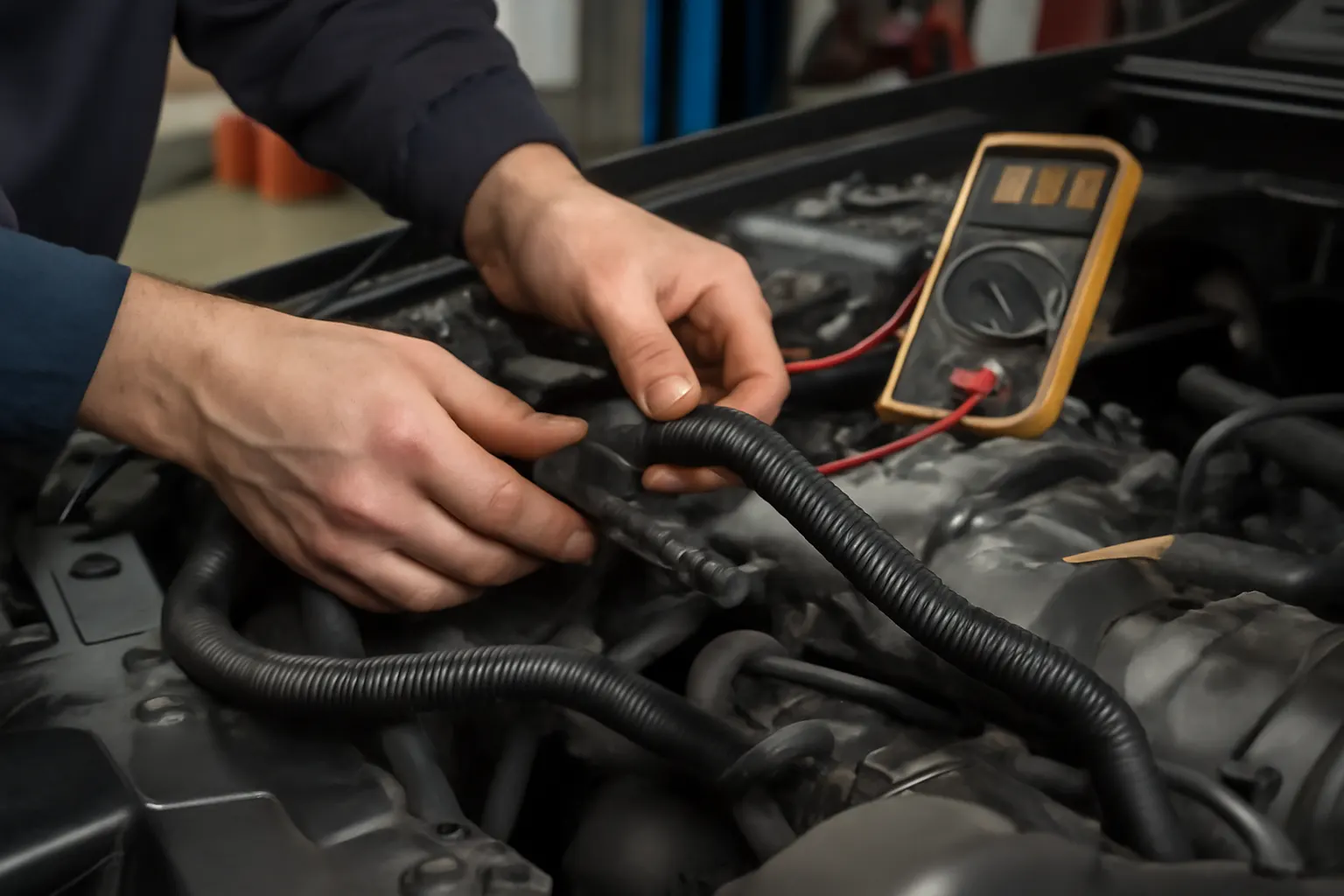
Preventing Wiring Harness Failures: Tips for Longevity
The engine wiring harness is the unsung hero of modern automotive engineering, acting as the nerve center that connects sensors, actuators, and control modules to ensure your engine operates at peak performance. Preventing wiring harness failures is essential for maintaining vehicle reliability, safety, and efficiency. This comprehensive guide delivers actionable best practices for protecting your engine wiring harness from heat, moisture, and mechanical damage—ensuring your vehicle remains dependable for years to come.
Read More