Advertisement
Preventing Rust and Corrosion in Your Truck Bed
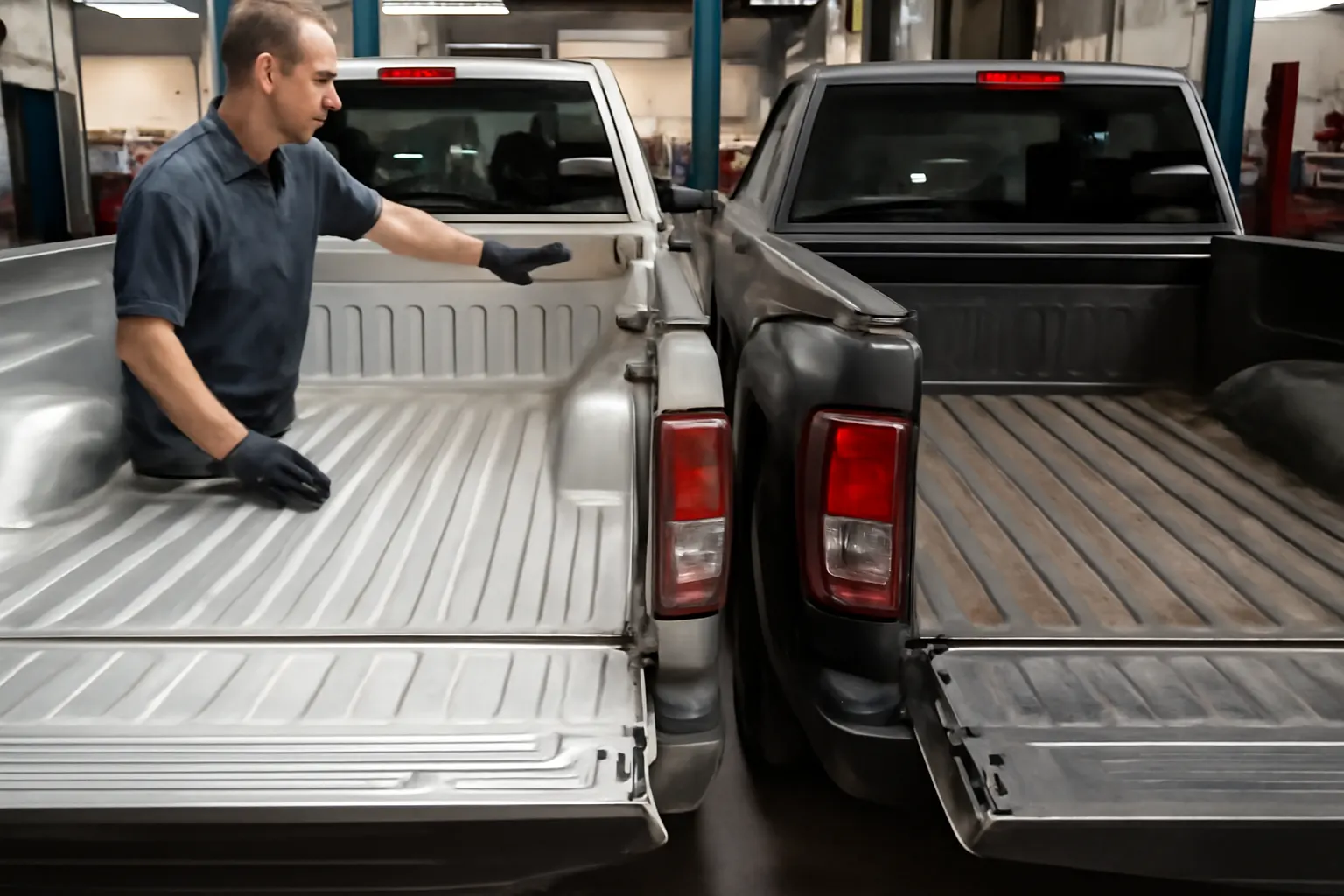
Keeping your pickup bed free from rust and corrosion is essential to maintain its structural integrity, appearance, and resale value. The fastest way to prevent rust in your truck bed is through regular cleaning, immediate repair of chips and scratches, and the application of protective coatings or liners. For high-traffic or work trucks, combining a quality bed liner with routine inspections offers the best long-term defense. If you’re looking for a step-by-step approach, this guide delivers expert-backed tips, product recommendations, and proven DIY solutions.
For more in-depth details on choosing and maintaining your truck bed, see our Pickup Bed Systems: Technical Guide to Truck Bed Selection, Maintenance, and Upgrades, which covers everything from material selection to advanced maintenance.
Why Rust in Truck Beds Is a Hidden Threat
At first glance, a little surface rust might seem harmless. However, even minor corrosion can quickly escalate—compromising your truck’s load-bearing capacity, reducing safety, and leading to expensive repairs. Rust doesn’t just affect aesthetics; it can eat through steel, weaken welds, and create holes that expose sensitive components to the elements. Over time, untreated corrosion can even impact other systems, including electrical harnesses and safety equipment routed through or beneath the bed floor.
The Real Cost of Bed Corrosion
Unchecked rust can reduce your vehicle’s resale value by thousands of dollars, void protective coatings, and, in extreme cases, compromise the structural safety of the entire vehicle. According to the National Highway Traffic Safety Administration, corrosion of vehicle components is a known safety hazard, potentially affecting the attachment of seats, belts, and even fuel system components[^1].
Understanding the Causes: How Rust and Corrosion Start
To fight rust, you need to understand how it starts. Pickup beds are particularly vulnerable due to their exposure to the environment and the types of loads they carry. Here are the main factors:
- Moisture: Water is the primary catalyst for rust. Rain, snow, and humidity can all penetrate scratches or bare metal.
- Road Salts and Chemicals: In snowy climates, salt accelerates corrosion by breaking down protective oxide layers on steel and aluminum.
- Physical Damage: Scratches, dents, and chips expose unprotected metal, creating entry points for moisture and corrosive agents.
- Organic Debris: Leaves, dirt, and mulch trap moisture against the bed floor, creating a perfect environment for rust to form.
Material Matters: Steel vs. Aluminum Beds
The material of your pickup bed plays a significant role in how rust and corrosion develop—and how you should protect it.
Steel Beds
Traditional pickup beds are made from high-strength steel, which is durable but highly susceptible to rust if unprotected. Once the factory coating is breached, oxidation can start in less than a week, especially in humid or salty environments.
Aluminum Beds
Aluminum beds, now common in many late-model trucks, resist traditional rust but are not immune to corrosion. Aluminum oxidizes differently, forming a white powdery surface corrosion rather than red rust. While less destructive, it can still weaken the metal over time, particularly if road salts are present.
To learn more about the pros and cons of each material, see our detailed guide: Aluminum vs. Steel Pickup Beds: Pros, Cons, and Maintenance.
The Science Behind Rust and Corrosion in Truck Beds
Rust is the result of an electrochemical reaction between iron, oxygen, and moisture. In steel beds, this forms iron oxide (rust), which expands as it forms, causing paint to blister and flake. The process accelerates when salts or acids are present, as these act as electrolytes, speeding up the oxidation process.
Aluminum, while resistant to red rust, can suffer from galvanic corrosion if it comes into contact with other metals (e.g., steel fasteners) in the presence of moisture. This is especially problematic in modern trucks that mix materials for weight savings[^2].
Advertisement
Diagnosing Early Signs of Rust and Corrosion
Early detection is critical. Here’s how to spot problems before they become costly:
- Visual Inspection: Look for bubbling, discoloration, or flaking paint—these are classic signs of rust forming underneath.
- Touch Test: Run your hand along the surface. Rough or gritty textures often indicate corrosion beneath the paint.
- Check Seams and Welds: Rust often starts at seams, welds, or where bed accessories are mounted.
- Underside Inspection: Don’t forget to check the underside of the bed, especially around mounting points and tie-downs.
Early Warning Checklist
| Symptom | Likely Cause | Immediate Action |
|---|---|---|
| Bubbling Paint | Moisture trapped under coating | Sand and repaint area |
| Reddish/Orange Spots | Surface rust starting | Clean and apply rust converter |
| White Powder (Aluminum) | Aluminum oxidation | Clean, neutralize, and seal |
| Loose Bed Bolts | Corrosion at mounting points | Inspect, clean, and retighten |
| Water Pooling | Blocked drains or poor bed liner fit | Clear drains, check liner edges |
Cleaning and Preparation: The Foundation of Rust Prevention
The first—and most critical—step in rust prevention is keeping your truck bed clean and dry. Here’s how to do it right:
- Remove All Debris: Sweep out dirt, leaves, and any organic matter. These trap moisture and accelerate corrosion.
- Wash Regularly: Use a high-pressure washer with automotive soap to remove road salts, mud, and chemicals.
- Dry Thoroughly: After washing, dry the bed completely. Pay special attention to seams and corners where water can hide.
- Inspect for Damage: Look for new scratches, dents, or chips that expose bare metal.
Pro Tip
If you use your truck for hauling landscaping materials, mulch, or construction debris, clean the bed after every load. Organic material is a major rust accelerant.
Protective Coatings: Bed Liners, Paints, and Sprays
Applying a protective layer is one of the best ways to prevent direct contact between metal and corrosive elements.
Bed Liners
- Drop-In Liners: Offer impact protection but can trap moisture underneath if not fitted perfectly.
- Spray-On Liners: Provide a seamless, water-tight barrier that conforms to every contour of the bed. These are ideal for long-term rust prevention.
- Bed Mats: Simple rubber mats can protect against scratches but should be lifted and cleaned underneath regularly.
For guidance on choosing the right liner for your needs, see How to Choose the Right Pickup Bed Liner.
Paints and Protective Sprays
- Rust-Inhibiting Primers: Apply to bare metal before painting to seal out moisture.
- Topcoat Paints: Automotive-grade paints provide UV and weather resistance.
- DIY Rust Converters: These chemical treatments turn surface rust into a stable, paintable surface.
Product Recommendations
- POR-15: Popular for stopping existing rust and sealing metal.
- Rust-Oleum Truck Bed Coating: An affordable DIY option for touch-ups and full-bed coverage.
Sealing and Protecting Seams, Welds, and Fasteners
Seams, welds, and mounting points are the most vulnerable areas in any pickup bed. Here’s how to protect them:
- Seam Sealers: Use automotive seam sealer after any repair or at visible gaps to prevent moisture intrusion.
- Rubberized Undercoating: Apply to the underside of the bed, focusing on welds and mounting brackets.
- Corrosion-Resistant Fasteners: Replace rust-prone bolts with stainless steel or zinc-coated hardware.
DIY Tip
After installing a new accessory (like a bed tie-down or toolbox), always touch up holes or scratches with primer and paint.
Addressing Existing Rust: Repair Techniques
If you’ve already spotted rust, act fast. Here’s a step-by-step process for DIY repair:
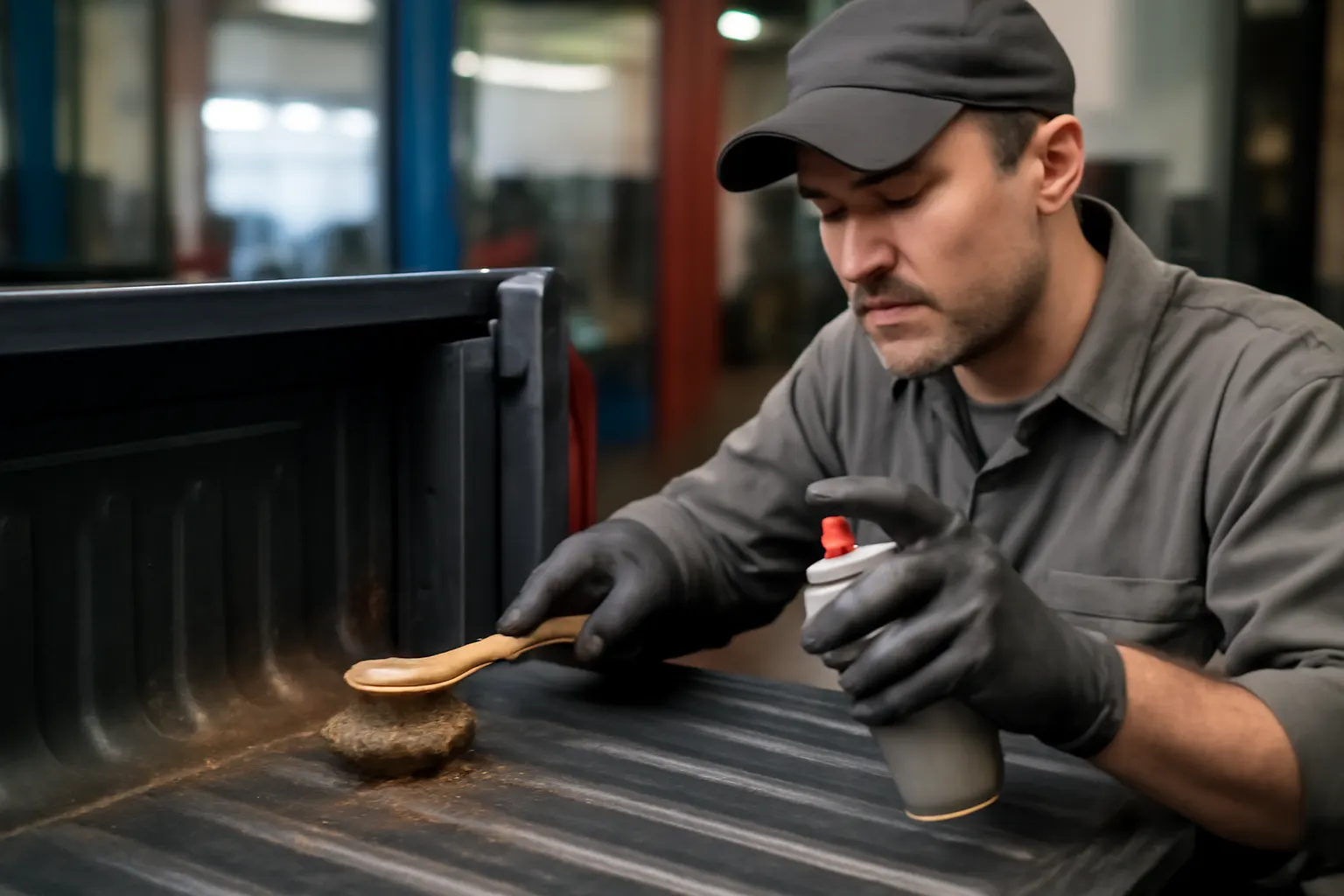
- Sand the Area: Use a wire brush or sandpaper to remove all loose rust and paint.
- Apply Rust Converter: Neutralize any remaining rust with a quality converter.
- Prime and Paint: Use a rust-inhibiting primer, then topcoat with matching paint.
- Seal the Edges: Apply seam sealer to prevent moisture from penetrating the repair.
For larger holes or advanced corrosion, professional welding and panel replacement may be necessary. Always inspect the bed’s structural integrity after major repairs.
Advertisement
Seasonal Maintenance: Adapting to Climate and Use
Your rust prevention strategy should change with the seasons:
- Winter: Rinse the bed frequently to remove road salts. Inspect for new chips after hauling snow removal equipment or de-icing materials.
- Spring: Deep clean to remove winter grime. Touch up any exposed metal.
- Summer: UV exposure can degrade some coatings—inspect and reapply as needed.
- Fall: Clear leaves and debris regularly. Moisture from organic material is a leading cause of fall rust.
Special Considerations for Work Trucks
If your truck is used for commercial purposes or sees heavy-duty use, increase inspection frequency and consider professional-grade spray-on liners.
Advanced Protective Measures: Beyond the Basics
For those who demand maximum protection, consider these advanced options:
- Ceramic Coatings: These provide a hydrophobic layer that repels water and dirt. While more expensive, they offer long-lasting protection.
- Electronic Rust Inhibitors: Some aftermarket systems claim to slow corrosion using low-voltage currents. While results are mixed, they can be used in conjunction with traditional methods.
Fleet and Commercial Applications
For fleet vehicles, establish a maintenance log and schedule regular professional inspections. Document all repairs and coatings for warranty and resale purposes.
Mistakes to Avoid: Common Rust Prevention Pitfalls
Many owners unintentionally accelerate corrosion through well-meaning but misguided actions:
- Improper Liner Installation: Drop-in liners that trap water can cause more harm than good.
- Neglecting Underside Maintenance: Focusing only on the visible surface ignores where rust often starts.
- Skipping Touch-Ups: Small chips and scratches quickly become major problems if not addressed immediately.
- Using the Wrong Products: Household paints or generic sprays rarely offer the durability needed for automotive applications.
Sourcing the Right Parts and Products
Choosing the correct rust prevention products and replacement parts is critical:
- OEM vs. Aftermarket: For replacement bed panels or hardware, OEM parts offer guaranteed fitment, but high-quality aftermarket options may feature improved coatings or materials.
- Material Compatibility: Always use products (primers, paints, fasteners) rated for your bed’s material—steel or aluminum.
- Safety Standards: Ensure any parts or coatings meet SAE and NHTSA standards for safety and durability1.
AutoPartEx: Your Partner in Pickup Bed Protection
At AutoPartEx, we specialize in helping truck owners protect, maintain, and upgrade their pickup beds. Whether you need OEM bed panels, professional-grade liners, or expert advice, our technical team is here to help. Our Pickup Bed Systems: Technical Guide to Truck Bed Selection, Maintenance, and Upgrades offers a comprehensive resource for every aspect of bed care.
We also recommend reviewing Maximizing Payload: Safe Loading Practices for Pickup Beds to ensure your bed remains safe and functional, especially when carrying heavy or corrosive loads.
Expert Checklist: Ongoing Rust Prevention Action Plan
Use this checklist to stay ahead of rust and corrosion:
| Task | Frequency | Notes |
|---|---|---|
| Clean bed and remove debris | Weekly | More often after hauling dirty loads |
| Inspect for chips, scratches, or dents | Bi-weekly | Focus on seams and mounting points |
| Wash with soap and water | Monthly | Rinse thoroughly to remove salts |
| Touch up exposed metal with primer/paint | As needed | Address immediately after any damage |
| Inspect and clean under bed mats/liners | Monthly | Prevent trapped moisture |
| Apply protective spray or liner | Annually | Reapply as needed based on use |
| Check and clear bed drain holes | Monthly | Especially after heavy rain |
| Inspect underside and mounting hardware | Quarterly | Use jack stands for safe access |
| Schedule professional inspection (work trucks) | Annually | Document findings for warranty/resale |
Conclusion: Take Control of Your Truck Bed’s Longevity
Rust and corrosion are silent enemies that can undermine your pickup’s performance, safety, and value. With the right combination of cleaning, inspection, and protection, you can keep your truck bed in top condition for years—even in the harshest climates or toughest work environments. Stay proactive, choose quality products, and don’t hesitate to consult experts when tackling advanced repairs or upgrades. AutoPartEx is your trusted resource for technical guidance, premium parts, and the latest in pickup bed protection technology.
References
- Vehicle Safety and Equipment – National Highway Traffic Safety Administration
- Materials Technologies – United States Department of Energy
- SAE Standards – SAE International
Footnotes
Advertisement