
Pickup Bed
Pickup Bed Systems: Technical Guide to Truck Bed Selection, Maintenance, and Upgrades
The pickup bed is the backbone of utility for any truck owner, transforming a vehicle from simple transportation into a versatile workhorse. Whether hauling construction materials, landscaping equipment, or recreational gear, the pickup bed’s design, durability, and configuration directly impact performance and value. Yet, many drivers overlook the technical complexity and engineering that goes into modern pickup beds, from corrosion-resistant coatings to modular tie-down systems.
Most truck owners don’t realize how much the pickup bed’s construction and features affect payload capacity, corrosion resistance, and long-term durability. For example, a poorly maintained bed can lose up to 30% of its structural integrity within five years due to rust and impact damage. Many are unaware that upgrades like bed liners, tonneau covers, and reinforced tie-downs can extend lifespan and improve resale value. Neglecting the pickup bed can also compromise the performance of related systems such as the Air Box/Air Cleaner and even the AC Compressor if debris or water intrusion occurs.
Industry analysis shows that pickup beds face a unique set of challenges: exposure to harsh weather, heavy loads, chemical spills, and physical impacts. Technical issues such as spot weld fatigue, seam corrosion, and compromised mounting points are common, especially in older or heavily used trucks. Market conditions have driven innovation in materials—aluminum, high-strength steel, and composite beds each offer different trade-offs in weight, cost, and repairability. Owners and fleet managers must also navigate compatibility with accessories and the risk of improper installation affecting safety or warranty coverage.
Smart solutions for pickup bed longevity and performance include regular inspection for corrosion, using protective coatings or bed liners, and selecting OEM or high-quality aftermarket parts for repairs. Upgrading to modular bed systems or reinforced mounting hardware can address specific needs, whether for commercial use or off-road adventure. For related upgrades, consider reviewing the AC Compressor Bracket for mounting solutions, or explore AC Condenser and AC Condenser Fan for cooling and accessory integration. Always match parts to manufacturer specifications, and consult trusted sources like AMC, Acura, or Alfa for model-specific guidance.
Showing 8 of 19 products


More Pickup Bed options
Filtering for Pickup BedBrowse nearby inventory for this category without leaving the page. Use search to filter by price, part number, or city.
No Data Available
Please check back soon when more inventory is available for this part.
Complete Pickup Bed Technical Reference
Material Science and Structural Engineering
Modern pickup beds are engineered from a variety of materials, each with distinct technical properties. High-strength steel beds offer superior impact resistance but are prone to corrosion if coatings are compromised. Aluminum beds reduce weight by up to 40%, improving fuel efficiency, but require specialized repair techniques due to galvanic corrosion risks. Composite beds, increasingly popular in newer models, provide excellent dent resistance and are immune to rust, though they may have lower load ratings. Structural integrity is maintained through spot welds, seam sealers, and crossmember reinforcements, all of which must be inspected during repairs.
Load Management and Payload Optimization
The pickup bed’s payload capacity is determined by its design, material, and mounting system. Overloading can lead to frame distortion, weld fatigue, and compromised safety. OEM specifications detail maximum distributed and point loads, which should never be exceeded. Accessories such as tie-downs, bed extenders, and racks must be installed using reinforced mounting points to prevent stress concentrations. Advanced models may include integrated load sensors and modular rail systems for flexible cargo management.
Corrosion Protection and Maintenance Strategies
Corrosion is the primary enemy of pickup bed longevity. Technical best practices include applying spray-in or drop-in bed liners, using zinc-rich primers on exposed metal, and sealing seams with automotive-grade urethanes. Regular cleaning to remove debris and moisture, especially from drain holes and seams, is critical. Inspection should focus on welds, mounting points, and areas where accessories penetrate the bed surface. Professional repairs require matching OEM coatings and fasteners to maintain warranty and safety standards.
Engineering Excellence & Technical Specifications
AutoPartEx sets the standard for technical expertise in pickup bed systems, offering in-depth knowledge on material selection, structural engineering, and advanced accessory integration. Our platform provides detailed specifications, compatibility data, and professional insights to ensure every upgrade or repair meets OEM standards.
Technical Excellence Section
Pickup beds are engineered with precise tolerances for welds, fastener torque, and material thickness. For example, high-strength steel beds typically use 1.2–1.6mm gauge panels, while aluminum beds may use 1.5–2.0mm for equivalent strength. Crossmember spacing, seam sealant application, and corrosion-resistant coatings are all specified by OEMs to maximize durability and safety.
Performance Analysis Section
Performance metrics include payload capacity (typically 1,500–3,500 lbs), impact resistance (measured in joules), and corrosion resistance (salt spray test hours). Comparative analysis shows that composite beds outperform steel in dent resistance by up to 50%, while aluminum beds offer a 20–40% weight reduction, improving fuel efficiency by 1–2 MPG.
Innovation & Technology Section
Recent innovations include modular rail systems, integrated LED lighting, and smart tie-downs with load sensors. Advanced coatings such as polyurea spray-in liners provide up to 10 years of rust protection. Some OEMs now offer power outlets and compressed air systems built into the bed for worksite convenience.
Quality & Manufacturing Section
Quality control involves robotic welding, automated seam sealing, and multi-stage corrosion testing. Manufacturing standards require precise alignment of mounting points and consistent application of protective coatings. AutoPartEx partners with certified suppliers to ensure every bed and accessory meets or exceeds OEM requirements.
Pickup Bed Parts & Service Information
Inspecting and Maintaining Pickup Beds
Perform a thorough inspection every three months. Check for rust, cracks, loose fasteners, and damage to coatings. Clean the bed after hauling corrosive materials and apply touch-up paint as needed.
Difficulty: Easy • Tools: Flashlight, wire brush, touch-up paint, torque wrench
Applying Bed Liners and Protective Coatings
Choose between spray-in and drop-in liners based on usage. Clean and prep the surface, mask off surrounding areas, and apply liner according to manufacturer instructions for maximum durability.
Difficulty: Moderate • Tools: Degreaser, masking tape, spray gun or liner kit, safety gear
Diagnosing Structural Issues
Look for signs of weld fatigue, frame distortion, or mounting point failure. Use a straightedge and torque wrench to check alignment and fastener tightness. Address issues promptly to prevent further damage.
Difficulty: Expert • Tools: Straightedge, torque wrench, inspection mirror, OEM repair manual
Service and Warranty Guidance
Consult your OEM warranty for coverage on corrosion and structural failures. Use only approved parts and coatings for repairs to maintain warranty. Keep records of all maintenance and upgrades.
Difficulty: Easy • Tools: OEM warranty booklet, service records, approved parts list
Related Guides & Articles

How to Choose the Right Pickup Bed Liner
Choosing the right pickup bed liner is one of the most effective ways to protect your truck bed from scratches, dents, corrosion, and cargo movement. The best bed liner for your needs depends on your truck’s usage, the materials you prefer, installation methods, and your maintenance expectations. This guide delivers a step-by-step approach to evaluating, selecting, and installing pickup bed liners, so you can maximize your investment, preserve your truck’s value, and avoid common pitfalls.
View Guide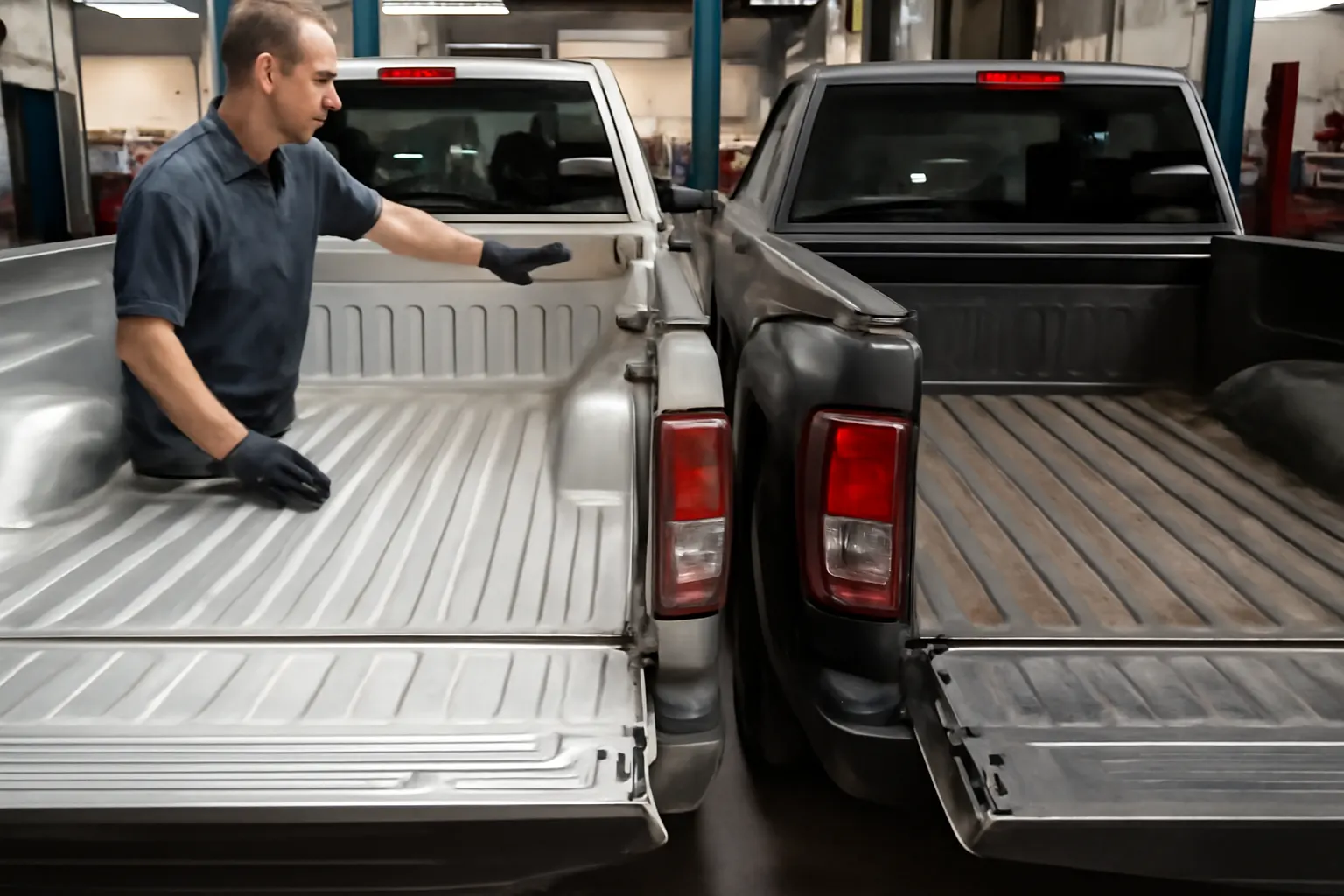
Aluminum vs. Steel Pickup Beds: Pros, Cons, and Maintenance
Choosing between aluminum and steel pickup beds is a decision that affects durability, repairability, long-term costs, and even fuel efficiency. For truck owners and fleet managers, the right material can mean the difference between years of reliable service and unexpected downtime or expense. In this comprehensive guide, the AutoPartEx Technical Editorial Team breaks down the real-world pros, cons, and maintenance requirements of both materials—so you can make a confident, informed choice for your next pickup bed upgrade or replacement.
Read More
Maximizing Payload: Safe Loading Practices for Pickup Beds
To maximize payload and maintain safety: Know your truck’s payload rating (found in the owner’s manual or door jamb placard). Distribute weight evenly—heaviest items low and centered between the wheel wells. Secure all cargo with appropriate tie-downs or nets. Never exceed the Gross Vehicle Weight Rating (GVWR) or axle weight limits. Check tire pressure and suspension before and after loading. Use bed liners or mats to protect surfaces and prevent load shifting.
View Guide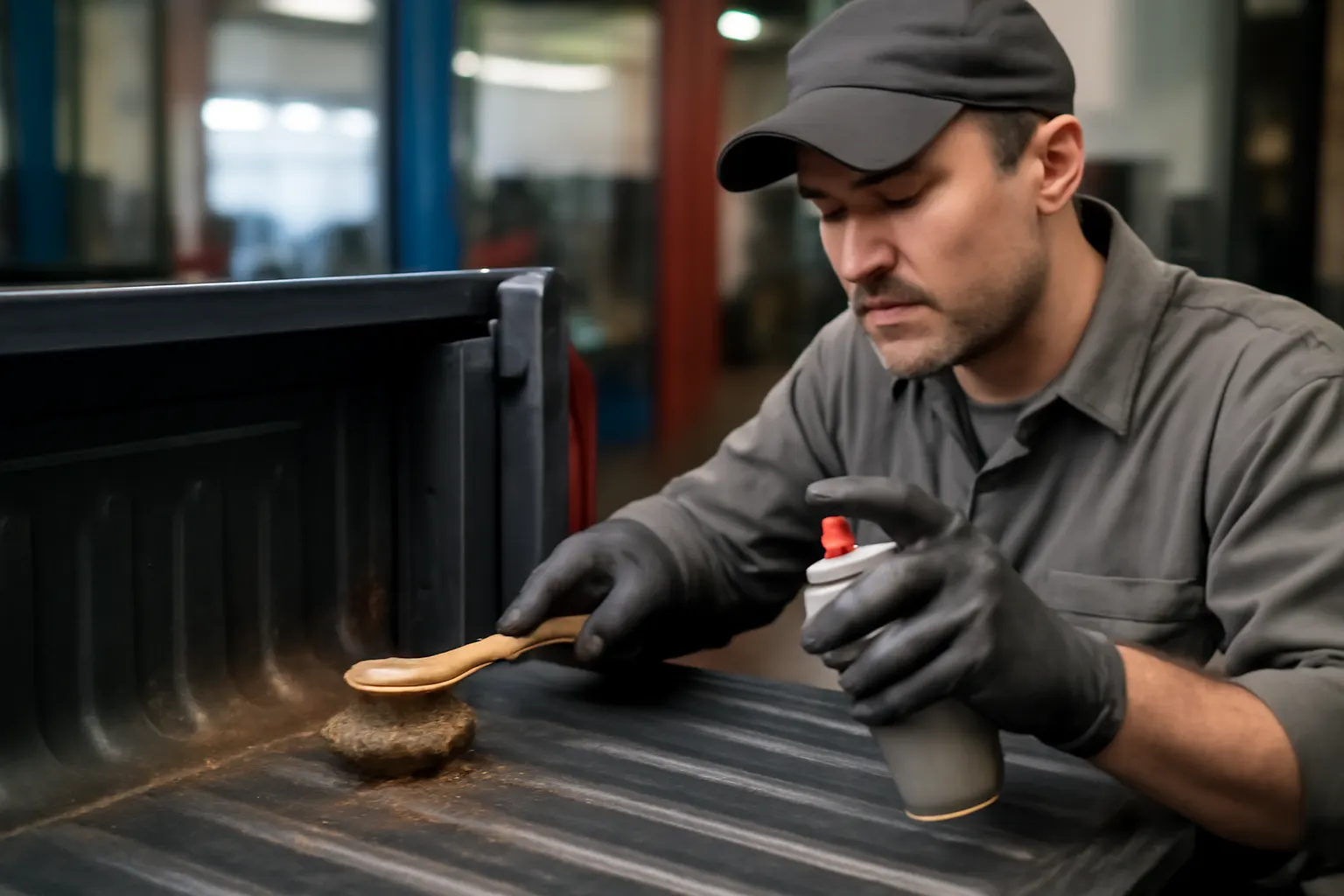
Preventing Rust and Corrosion in Your Truck Bed
Keeping your pickup bed free from rust and corrosion is essential to maintain its structural integrity, appearance, and resale value. The fastest way to prevent rust in your truck bed is through regular cleaning, immediate repair of chips and scratches, and the application of protective coatings or liners. For high-traffic or work trucks, combining a quality bed liner with routine inspections offers the best long-term defense.
Read More