Advertisement
Aluminum vs. Steel Pickup Beds: Pros, Cons, and Maintenance
Choosing between aluminum and steel pickup beds is a decision that affects durability, repairability, long-term costs, and even fuel efficiency. For truck owners and fleet managers, the right material can mean the difference between years of reliable service and unexpected downtime or expense. In this comprehensive guide, the AutoPartEx Technical Editorial Team breaks down the real-world pros, cons, and maintenance requirements of both materials—so you can make a confident, informed choice for your next pickup bed upgrade or replacement.
If you’re exploring options for your truck’s bed system, don’t miss our Pickup Bed Systems: Technical Guide to Truck Bed Selection, Maintenance, and Upgrades for a broader look at truck bed technology and fitment.
Immediate Answer: Aluminum vs. Steel Pickup Beds—Which Is Right for You?
- Aluminum pickup beds offer significant weight savings, improved corrosion resistance, and potential fuel efficiency gains.
- Steel pickup beds deliver superior impact resistance, are typically easier to repair after heavy damage, and often cost less upfront.
However, the “best” choice depends on your usage profile, climate, payload requirements, and long-term maintenance strategy. Below, we’ll break down the main differences and guide you through the technical and practical factors to consider.
The Hidden Problem: Material Choice Impacts More Than You Think
On the surface, aluminum and steel seem like straightforward material options. But beneath the obvious differences lie several hidden factors:
- Weight and payload capacity affect not just what you can haul, but your truck’s handling and efficiency.
- Corrosion and rust resistance determine how well your bed stands up to water, chemicals, and road salts.
- Repairability influences downtime and costs after accidents or heavy use.
- Long-term costs can outweigh initial price differences, especially when factoring in repairs and resale value.
Many truck owners don’t realize how these variables interact until they encounter a costly repair, premature rust-through, or unexpected bed failure.
Deeper Technical Explanation: Understanding the Science Behind the Materials
Material Properties: Strength, Weight, and Durability
Aluminum
- Density: Aluminum is about one-third the weight of steel, making it much lighter for the same volume.
- Corrosion Resistance: Aluminum forms a natural oxide layer that resists rust, even after scratches.
- Yield Strength: Modern aluminum alloys used in automotive beds (typically 5000- or 6000-series) offer impressive strength-to-weight ratios, but are still generally less impact-resistant than steel.
- Flexibility: Aluminum is less likely to deform permanently under minor impacts, but can crack under severe stress.
Steel
- Density: Heavier than aluminum, contributing to a higher overall vehicle weight.
- Corrosion: Steel is prone to rust if not properly coated or maintained, especially in harsh climates or with exposure to road salts.
- Impact Resistance: Steel can absorb heavy impacts and is less likely to crack but will dent more easily.
- Repairability: Steel is easier and less expensive to weld and repair, especially in field conditions.
Manufacturing and Safety Standards
Both materials must meet SAE standards and NHTSA equipment safety requirements for crashworthiness, load ratings, and structural integrity. However, manufacturers use different engineering approaches to compensate for each material’s weaknesses, such as reinforced crossmembers in aluminum beds or advanced coatings for steel.
Solution Path: Comparing the Pros and Cons in Real-World Use
Aluminum Pickup Beds: Pros and Cons
Pros
- Weight Savings: Lighter beds can reduce the truck’s curb weight by 40–200 pounds, depending on size, which can improve acceleration, braking, and handling.
- Fuel Efficiency: According to the U.S. Department of Energy, every 10% reduction in vehicle weight can improve fuel economy by 6–8%. Aluminum beds contribute to these savings, especially in city driving.
- Corrosion Resistance: Aluminum’s natural oxide layer protects against rust, making it ideal for humid, coastal, or salted-road environments.
- Aesthetics: Aluminum beds tend to maintain their appearance longer, with fewer visible rust spots or paint bubbles.
Cons
- Upfront Cost: Aluminum beds are generally more expensive to manufacture and purchase, although this gap is closing as technology advances.
- Repair Complexity: Aluminum is harder to weld and requires specialized repair equipment and skills. Improper repairs can compromise structural integrity.
- Lower Impact Resistance: While strong for their weight, aluminum beds can crack or puncture under sharp, high-force impacts that steel might simply dent.
- Limited Aftermarket Modifications: Fewer aftermarket accessories are designed specifically for aluminum beds, although this is changing rapidly.
Advertisement
Steel Pickup Beds: Pros and Cons
Pros
- Impact Toughness: Steel beds are more forgiving of heavy impacts and can often be pounded out or welded back after damage.
- Repairability: Most body shops are equipped and trained to repair steel. Field repairs are easier and less expensive.
- Lower Upfront Cost: Steel is less expensive to source and manufacture, leading to lower purchase prices for new beds or replacement panels.
- Accessory Compatibility: The vast majority of aftermarket bed accessories are designed with steel beds in mind.
Cons
- Weight Penalty: Steel beds add significant weight, reducing payload capacity and increasing fuel consumption.
- Corrosion Risk: Steel is highly susceptible to rust, particularly if paint or coatings are scratched or chipped. This can lead to structural failure over time.
- Aesthetics Over Time: Rust and corrosion can quickly degrade appearance, especially in harsh climates or with poor maintenance.
Maintenance Differences: What Each Bed Material Requires
Aluminum Bed Maintenance
- Regular Cleaning: Wash regularly to remove road salt, mud, and chemicals that can cause galvanic corrosion if in contact with steel fasteners.
- Inspect for Cracks: Periodically check for cracks or punctures, especially after heavy impacts or hauling shifting loads.
- Use Compatible Fasteners: Avoid mixing steel and aluminum hardware without proper insulation to prevent galvanic corrosion.
- Protective Coatings: While not required for rust, protective coatings or bed liners can help prevent scratches that may lead to stress risers or cosmetic issues.
Steel Bed Maintenance
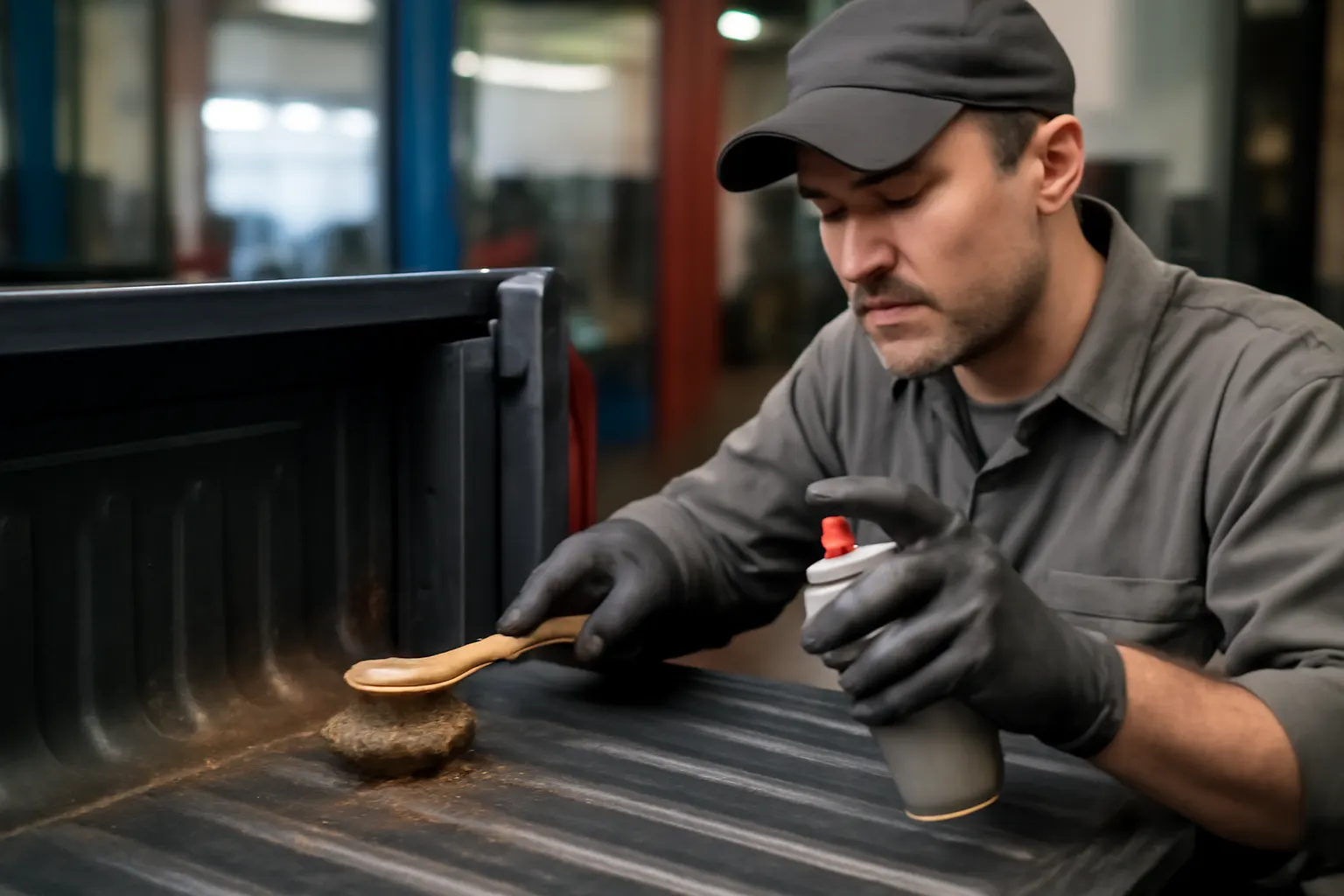
- Rust Prevention: Regularly inspect for scratches, chips, or bubbling paint. Touch up immediately to prevent rust from spreading.
- Clean and Dry: Keep the bed free of standing water and debris. Use drain holes and ensure they remain unclogged.
- Apply Protective Liners: Bed liners (spray-in or drop-in) can dramatically extend bed life by preventing direct exposure to water and chemicals. See our guide on How to Choose the Right Pickup Bed Liner.
- Periodic Undercoating: Especially in snowy or coastal regions, undercoating can help protect the underside of the bed from road salts.
Diagnostic Checklist: Assessing Pickup Bed Condition and Material Suitability
Before deciding on a replacement or upgrade, use this diagnostic checklist to evaluate your current pickup bed and determine the best material for your needs:
Pickup Bed Diagnostic Checklist
| Question | Aluminum Bed | Steel Bed | Notes |
|---|---|---|---|
| Is there visible rust or corrosion? | Rare | Common | Steel beds require more frequent rust inspections. |
| Are there cracks or punctures after heavy use? | Possible | Rare | Aluminum may crack; steel usually dents. |
| Is the bed significantly heavier than expected? | No | Yes | Steel adds weight; affects payload and fuel economy. |
| Does the bed require frequent repairs? | If cracked | If rusted | Steel is easier to repair; aluminum repairs are specialized. |
| Do you operate in a high-salt environment? | Preferred | Risk | Aluminum resists salt corrosion; steel is vulnerable. |
| Are you planning heavy-duty, high-impact use? | Caution | Preferred | Steel beds handle heavy, sharp impacts better. |
| Is resale value a concern for you? | Good | Variable | Aluminum beds often retain appearance better over time. |
Payload, Towing, and Fuel Efficiency: The Real-World Impact
The choice between aluminum and steel beds doesn’t just affect the truck bed itself—it can influence your entire vehicle’s operation:
- Payload Capacity: A lighter aluminum bed increases available payload for cargo. For fleets or owners who regularly max out their trucks, this can be a decisive factor.
- Towing Performance: Lower curb weight from an aluminum bed can improve acceleration and braking when towing.
- Fuel Efficiency: As noted by the U.S. Department of Energy, every pound saved contributes to better fuel economy, especially in stop-and-go or city driving.
- Handling and Ride Quality: Reduced unsprung weight (the weight not supported by the suspension) can lead to improved handling, especially in lighter-duty pickups.
Repairability and Insurance Considerations
Aluminum Bed Repairs
- Specialized Equipment Needed: Aluminum requires dedicated welding equipment and skilled technicians. Not all body shops are equipped for aluminum repairs.
- Higher Repair Costs: Aluminum bed repairs can be 30–60% more expensive than steel, depending on damage severity and regional labor rates.
- Insurance Premiums: Some insurers may charge higher premiums for trucks with aluminum beds due to increased repair costs, but this varies by provider and region.
Advertisement
Steel Bed Repairs
- Widespread Availability: Nearly all collision repair shops can handle steel welding and panel replacement.
- Lower Costs: Steel repairs are typically less expensive, both in parts and labor.
- DIY Possibility: Skilled owners may be able to perform basic steel repairs themselves, especially for minor dents or rust spots.
Corrosion and Environmental Resistance
Aluminum: The Winner in Corrosive Environments
Aluminum’s natural oxide layer resists rust, making it the material of choice for trucks used in coastal areas, regions with heavy road salt, or industries where chemical exposure is common. However, owners should be aware of galvanic corrosion—a reaction that occurs when aluminum comes in contact with steel or other metals in the presence of moisture. This can be mitigated with insulated fasteners and proper coatings.
Steel: Vulnerable but Manageable
Steel beds are highly vulnerable to rust, especially if paint is compromised. Regular inspection, prompt touch-up, and the use of bed liners or undercoatings are non-negotiable for long-term durability. For in-depth strategies, see our article on Preventing Rust and Corrosion in Your Truck Bed.
Long-Term Costs: Upfront vs. Lifetime Value
- Aluminum Beds: Higher initial cost but lower maintenance and better resistance to corrosion can mean lower total cost of ownership, especially in harsh environments.
- Steel Beds: Lower purchase price but higher risk of rust-related repairs and more frequent maintenance. If you plan to keep your truck for 10+ years, steel may require bed replacement or significant repair.
When calculating long-term costs, factor in:
- Maintenance intervals and costs
- Likelihood and cost of repairs after accidents
- Resale value (aluminum beds often show less visible aging)
- Fuel savings over the life of the vehicle
Accessory Compatibility and Aftermarket Upgrades
- Aluminum Beds: Fewer aftermarket accessories are specifically designed for aluminum, but the market is growing rapidly as more manufacturers adopt this material.
- Steel Beds: The majority of bed liners, racks, toolboxes, and tie-down systems are designed with steel beds in mind. Always confirm compatibility before purchasing accessories.
Advertisement
For those looking to maximize their truck’s utility, see our guide on Maximizing Payload: Safe Loading Practices for Pickup Beds.
Installation and Fitment: What to Know When Replacing Your Pickup Bed
Aluminum Bed Installation
- Requires Precise Fitment: Aluminum beds must be installed with care to avoid stress concentrations that can lead to cracks.
- Use Correct Fasteners: Always use insulated or compatible fasteners to prevent galvanic corrosion.
- Professional Installation Recommended: Due to the risk of improper mounting and the need for specialized tools, professional installation is strongly advised.
Steel Bed Installation
- More Forgiving: Steel beds can tolerate a wider range of mounting techniques and minor fitment issues without structural compromise.
- DIY Potential: Experienced owners can often replace a steel bed themselves, but proper alignment and torque specs are still critical.
Making the Choice: Which Bed Is Right for Your Truck?
Choose Aluminum if:
- You operate in a high-salt, humid, or coastal environment.
- You prioritize fuel efficiency and payload capacity.
- You plan to keep your truck for many years and want to minimize rust-related repairs.
- Your typical cargo is light to moderate and not likely to cause sharp, heavy impacts.
Choose Steel if:
- Your truck sees heavy-duty, high-impact use (construction, ranching, etc.).
- You need the lowest possible upfront cost.
- You want widespread repairability and compatibility with all aftermarket accessories.
- You are comfortable with regular rust prevention and maintenance.
AutoPartEx Positioning: Your Partner in Pickup Bed Solutions
At AutoPartEx, we understand that the right pickup bed is vital to your truck’s performance, durability, and value. Our expert team sources and tests both aluminum and steel bed systems, ensuring you get OEM-grade fitment, compatibility, and support. Whether you’re upgrading, replacing, or maintaining your pickup bed, our extensive Pickup Bed Systems: Technical Guide to Truck Bed Selection, Maintenance, and Upgrades is your go-to resource for technical advice, installation tips, and product recommendations.
Final Expert Tips: Maximizing Longevity and Performance
- Inspect your bed regularly—look for early signs of rust (steel) or cracks (aluminum).
- Invest in a quality bed liner to protect against scratches, dents, and chemical exposure.
- Use proper fasteners and avoid mixing metals to prevent galvanic corrosion.
- Follow manufacturer maintenance schedules for cleaning, inspection, and touch-up.
- Consider climate and usage profile before choosing a replacement bed material.
For tailored recommendations or to source high-quality replacement beds and accessories, consult the AutoPartEx team or explore our in-depth technical guides.
References
Advertisement