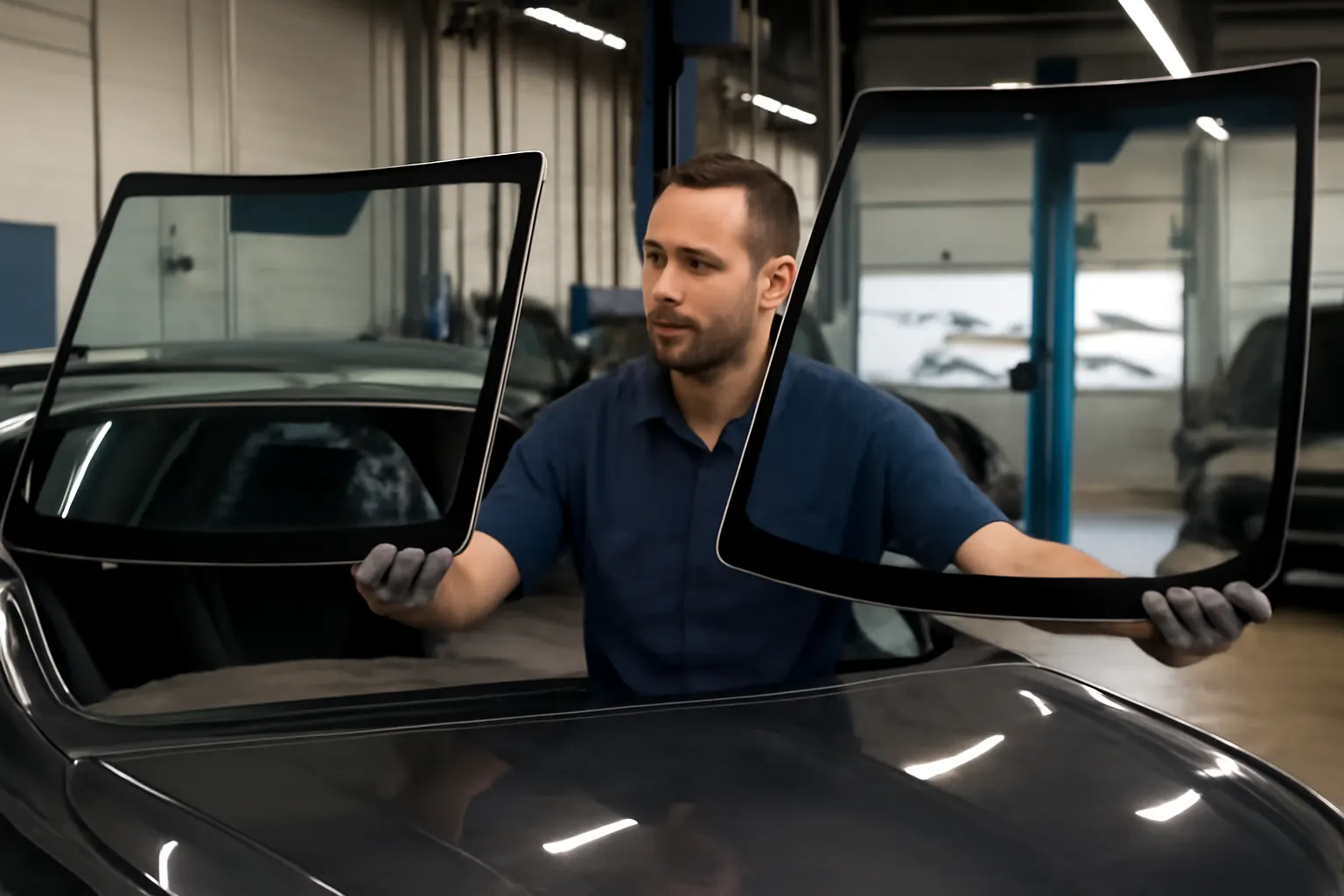
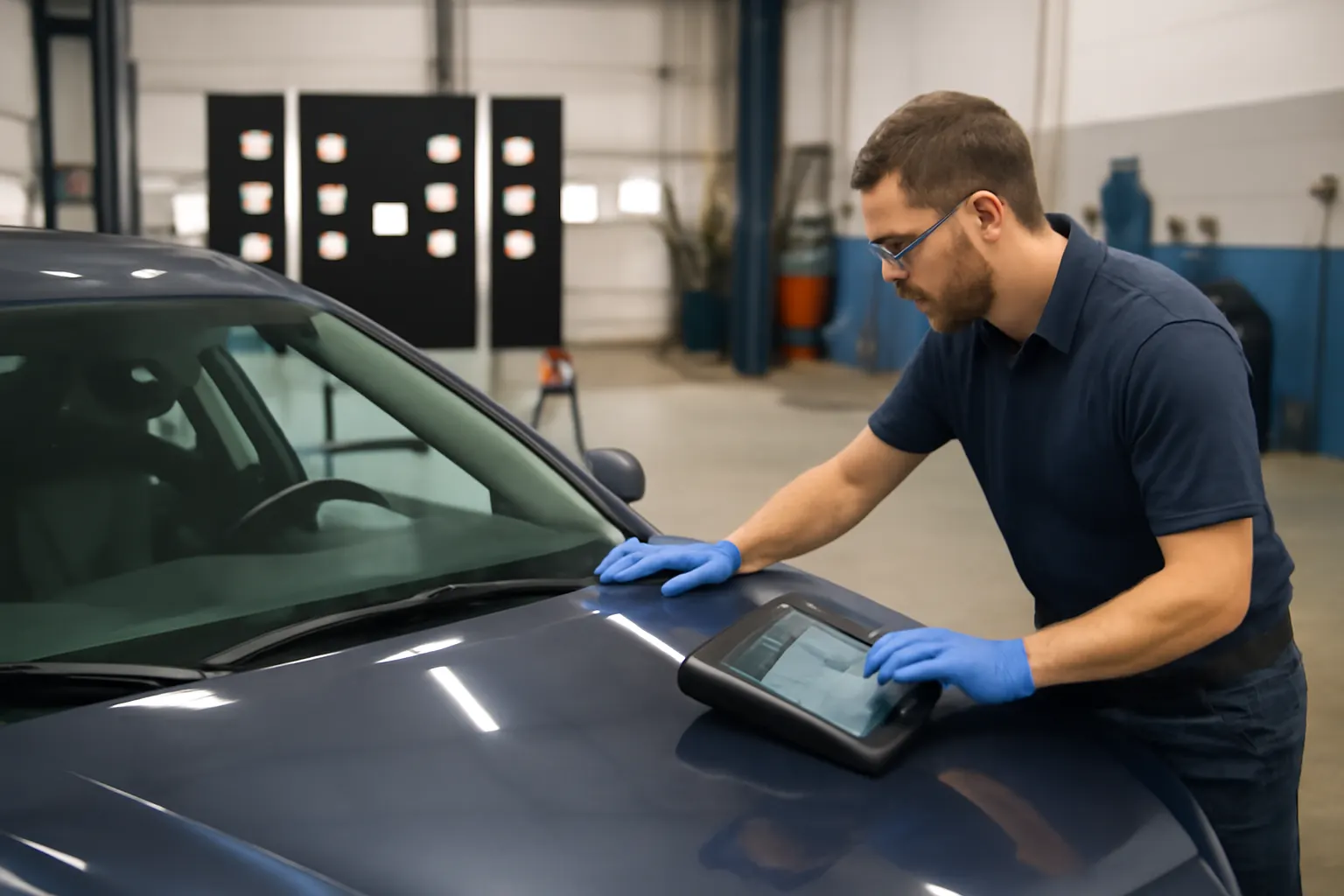
OEM vs Aftermarket Glass: What You Need to Know
When your vehicle’s windshield cracks or shatters, you’re faced with a critical decision: replace it with Original Equipment Manufacturer (OEM) glass or opt for an aftermarket alternative. The choice has far-reaching implications for safety, fitment, optical clarity, and even the function of advanced driver-assistance systems (ADAS). This comprehensive guide unpacks the technical differences, real-world performance, and regulatory standards that set OEM and aftermarket glass apart—empowering you to make the right decision for your vehicle, budget, and peace of mind.
If you’re seeking a deeper dive into replacement, installation, and maintenance, our Comprehensive Guide to Automotive Glass & Windshield Replacement is an essential resource.
Immediate Answer: The Critical Differences Between OEM and Aftermarket Windshields
OEM windshields are produced by the same manufacturer that supplied your vehicle’s original glass, built to the automaker’s precise specifications. Aftermarket windshields are manufactured by third-party companies, engineered to fit a wide range of vehicles but not always to the original automaker’s exacting standards.
The most significant differences between OEM and aftermarket glass include:
- Fit and Finish: OEM glass is designed for perfect fitment, matching the curvature, thickness, and edge profiles of your factory windshield. Aftermarket glass may have slight dimensional variations.
- Safety and Performance: Both must meet minimum federal safety standards (FMVSS 205), but OEM glass often exceeds these requirements, particularly in areas like structural integrity and ADAS compatibility.
- Optical Quality: OEM glass is less likely to introduce distortion, warping, or haze, which can be more common in lower-cost aftermarket options.
- Cost: Aftermarket glass is generally less expensive, but may compromise on certain performance or longevity characteristics.
The Hidden Problem: Safety and System Compatibility Risks
At first glance, a windshield might seem like a simple pane of glass. In reality, it’s a critical structural and safety component. Choosing the wrong replacement glass can have serious consequences:
- Improper Fitment: Even minor deviations in size or curvature can result in leaks, wind noise, or improper sealing.
- Compromised Safety: The windshield provides up to 45% of the cabin’s structural integrity during a front-end collision and is a key part of airbag deployment geometry.
- ADAS Malfunctions: Modern vehicles rely on windshield-mounted cameras, sensors, and heads-up displays. Aftermarket glass may not have the required mounting points or optical clarity, jeopardizing system function.
These risks are not always immediately apparent, but can lead to costly repairs, safety hazards, or failed inspections down the line.
Technical Overview: How OEM and Aftermarket Glass Are Made
OEM Glass Manufacturing
OEM windshields are manufactured by suppliers contracted by the automaker—often companies like Pilkington, Saint-Gobain, or AGC. The process involves:
- Automaker Specifications: OEM glass is built to the carmaker’s precise tolerances for thickness, curvature, and edge finish.
- Material Quality: Utilizes laminated safety glass, typically with advanced coatings for UV protection and acoustic dampening.
- Integrated Features: May include embedded antennas, rain sensors, heating elements, or ADAS calibration marks.
Aftermarket Glass Manufacturing
Aftermarket manufacturers reverse-engineer windshields to fit a range of models. Key differences include:
- Broader Tolerances: Designed to fit multiple vehicles, sometimes resulting in slight deviations from OEM specs.
- Material Variability: Quality can range from premium to budget, with varying degrees of optical clarity and acoustic performance.
- Feature Gaps: Not all aftermarket glass supports embedded sensors, antennas, or special coatings.
For a detailed technical breakdown of windshield replacement, see our Windshield Replacement: Step-by-Step Technical Guide.
Regulatory and Safety Standards: What the Law Requires
Both OEM and aftermarket windshields must comply with Federal Motor Vehicle Safety Standard (FMVSS) 205, which governs glazing materials for automotive use. Key requirements include:
- Impact Resistance: Minimum standards for stone impact and penetration.
- Optical Quality: Limits on allowable distortion, haze, and light transmission.
- Labeling: All compliant glass must bear a DOT number identifying the manufacturer.
The National Highway Traffic Safety Administration (NHTSA) oversees these regulations and routinely tests aftermarket and OEM glass for compliance. However, passing FMVSS 205 is only the baseline; OEM glass is often tested to higher internal standards, especially when advanced features or structural integrity are involved [NHTSA Equipment].
Fitment Precision: Why Millimeters Matter
A windshield’s fit is more than cosmetic—it’s a critical factor in safety, noise reduction, and weatherproofing. Even a 1–2 mm deviation from OEM specs can result in:
- Water Leaks: Poor sealing at the edges leads to interior water damage and potential electrical issues.
- Wind Noise: Gaps or misalignments create whistling or buffeting at highway speeds.
- Structural Weakness: Improperly fitted glass can pop out during a collision, compromising roof strength and airbag deployment.
Checklist: Diagnosing Fitment Issues After Replacement
- Inspect all edges for uniform gap and flushness with the body
- Check for wind noise at varying speeds
- Test for water leaks using a hose or during rain
- Confirm no visible distortion or stress cracks
- Ensure ADAS cameras/sensors are properly aligned
If you encounter these issues, immediate reinstallation or recalibration is essential. For more on leak and distortion diagnostics, consult our Diagnosing Windshield Leaks and Optical Distortion guide.
Optical Clarity and Distortion: Seeing the Road Clearly
The quality of the glass affects your vision and driving safety. OEM windshields are manufactured with strict standards for:
- Distortion-Free Viewing: Minimizing lensing or “wavy” effects, especially in the driver’s line of sight.
- Haze and Glare: Advanced coatings reduce glare from sunlight and headlights, improving night driving.
- Heads-Up Display (HUD) Compatibility: Specific PVB interlayers ensure clarity for projected displays.
Aftermarket glass may not always match this level of optical quality. Inexpensive options can introduce subtle distortions, which become fatiguing or dangerous over time—especially during long drives or in challenging visibility conditions.
Advanced Features: Embedded Technology and ADAS Compatibility
Modern windshields are more than glass; they’re a platform for advanced technologies:
- Rain Sensors: Require precise mounting locations and clarity.
- Heated Elements: Embedded wires for defrosting or de-icing.
- Acoustic Laminates: Reduce road and wind noise for a quieter cabin.
- ADAS Cameras and Sensors: Rely on exact glass thickness, curvature, and optical purity.
OEM glass is engineered to integrate these features seamlessly. Many aftermarket options either lack these integrations or offer limited support, which can result in:
- Non-functional sensors or warning lights
- ADAS calibration failures
- Reduced performance of rain-sensing wipers or HUDs
For vehicles equipped with ADAS, always verify that the replacement glass is explicitly rated for your system. Our article on How ADAS Technology Impacts Windshield Replacement covers this in depth.
Structural Integrity and Crash Safety: The Unseen Role of Your Windshield
Your windshield is a critical part of your vehicle’s safety cell. It:
- Supports Roof Strength: Prevents roof collapse in rollovers.
- Guides Airbag Deployment: The passenger airbag bounces off the windshield during inflation.
- Prevents Ejection: Keeps occupants inside the vehicle during severe collisions.
OEM glass is designed and tested as part of the vehicle’s crash structure. Aftermarket glass, while compliant with federal standards, may not have undergone the same rigorous crash simulations or integration testing.
Expert Tip: Always confirm that your replacement windshield is certified for your vehicle’s make, model, and year—not just a “universal fit.”
Cost Considerations: Upfront Savings vs. Long-Term Value
Aftermarket glass is typically 30–50% less expensive than OEM, making it attractive for out-of-pocket repairs or older vehicles. However, the lower price may come with trade-offs:
- Potential for Increased Wind Noise or Leaks: Resulting in future repair costs.
- Shorter Lifespan: Lower-grade materials may be more prone to chipping or delamination.
- Insurance Coverage: Some insurers will only cover aftermarket glass, while others may specify OEM for newer or leased vehicles.
When balancing cost and quality, consider the total cost of ownership—including potential rework, calibration, or safety risks.
Sourcing: How to Identify and Verify OEM vs. Aftermarket Glass
OEM Windshields:
- Will display the automaker’s logo and part number etched on the glass.
- Usually available through dealerships or authorized distributors.
- May be labeled with terms like “OEM,” “OE,” or “Genuine.”
Aftermarket Windshields:
- Labeled with a DOT number only, referencing the glass manufacturer.
- Sold through independent glass shops or online retailers.
- May have subtle differences in logo placement, tint, or edge finish.
How to Verify:
- Cross-reference the DOT number with the NHTSA’s online equipment database [NHTSA Equipment].
- Ask your installer to specify the brand and certification before installation.
- For ADAS-equipped vehicles, demand written confirmation of compatibility.
Installation: Why Professional Technique Matters
Even the best glass will underperform if improperly installed. Critical steps include:
- Removal of Old Glass and Adhesive: Avoids contamination and ensures a flush fit.
- Surface Preparation: Proper cleaning and priming of the pinch weld.
- Adhesive Application: Use of OEM-specified urethane for structural bonding.
- Alignment and Placement: Glass must be centered, level, and fully seated.
- Cure Time: Allowing adhesive to reach full strength before driving.
An experienced installer will also recalibrate ADAS systems and inspect for leaks or distortion. For a complete walkthrough, see our Windshield Replacement: Step-by-Step Technical Guide.
Maintenance and Longevity: Protecting Your Investment
Whether you choose OEM or aftermarket, proper care extends windshield life:
- Avoid Sudden Temperature Changes: Prevents stress cracks.
- Use Quality Wiper Blades: Reduces scratching and pitting.
- Park in Shade When Possible: Minimizes UV degradation.
- Promptly Repair Chips: Prevents small damage from spreading.
Regular inspection and proactive care are especially important for aftermarket glass, which may be more susceptible to wear and tear.
When to Choose OEM vs. Aftermarket: A Practical Decision Guide
Choose OEM Glass If:
- Your vehicle is less than five years old or under lease/warranty.
- It’s equipped with ADAS, HUD, or other advanced features.
- You want to maintain maximum resale value and original safety standards.
- Insurance will cover the full cost.
Choose Aftermarket Glass If:
- Your vehicle is older and out of warranty.
- Cost is a primary concern and you’re comfortable with potential minor trade-offs.
- The aftermarket glass is certified for your vehicle’s features and fitment.
- You’re working with a reputable installer who guarantees their work.
Decision Checklist:
| Factor | OEM Glass | Aftermarket Glass |
|---|---|---|
| Fitment | Exact match | May vary slightly |
| Safety Testing | Automaker’s standards | Federal minimum (FMVSS 205) |
| ADAS Support | Full compatibility | Varies by model |
| Cost | Higher | Lower |
| Insurance Approval | Often required for new cars | Sometimes required |
| Feature Integration | All OEM features present | Some features may be absent |
The Role of Recalls and Quality Assurance
Both OEM and aftermarket glass can be subject to recalls for defects in materials, manufacturing, or design. The NHTSA maintains a searchable database of recalls—including those affecting glass, adhesives, and installation practices [NHTSA Recalls].
What to Watch For:
- Delamination or bubbling between glass layers
- Spontaneous cracking or shattering
- Adhesive failures leading to leaks or detachment
Always register your vehicle and replacement parts with the manufacturer or installer to receive recall notifications.
Material Science: The Engineering Behind Modern Windshields
Automotive windshields are constructed from laminated glass—two layers of glass bonded with a polyvinyl butyral (PVB) interlayer. Advances in materials technology have led to:
- Thinner, Stronger Glass: Reduces vehicle weight while maintaining structural integrity [DOE Materials Technologies].
- Improved Acoustic Damping: Quieter cabins, especially in luxury vehicles.
- Enhanced UV Protection: Protects interiors and occupants.
OEM glass typically incorporates the latest advancements, while aftermarket options may lag behind in adopting new materials or coatings.
AutoPartEx Positioning: Your Source for Precision, Quality, and Expertise
At AutoPartEx, we understand that windshield replacement is more than a quick fix—it’s a safety-critical repair that demands technical expertise and the right parts. Our Comprehensive Guide to Automotive Glass & Windshield Replacement offers detailed resources for every make and model, while our curated inventory ensures you find the right OEM or certified aftermarket glass for your needs.
Our platform connects you with trusted installers and provides access to technical documentation, part verification, and expert support. Whether you drive an Acura, AMC, or any other brand, we’re committed to helping you make informed, confident decisions about your vehicle’s glass.
Expert Action: Steps to Take for a Safe, Effective Windshield Replacement
- Assess Your Vehicle’s Requirements: Consider age, features, and insurance policy.
- Research Part Options: Verify OEM and aftermarket availability for your exact make and model.
- Check for ADAS and Feature Compatibility: Ensure your chosen glass supports all necessary sensors and displays.
- Select a Qualified Installer: Look for certifications, experience, and calibration capability.
- Request Documentation: Ask for proof of part origin, DOT compliance, and warranty coverage.
- Inspect the Finished Installation: Use the checklist above to confirm fitment, clarity, and function.
- Register for Recalls: Keep documentation to stay informed of potential safety notices.
By following these steps and leveraging AutoPartEx’s technical resources, you’ll ensure a safe, lasting, and high-performance windshield replacement—no matter which type of glass you choose.