How ADAS Technology Impacts Windshield Replacement
Advanced Driver Assistance Systems (ADAS) have transformed the automotive landscape, making vehicles smarter and safer. But when it comes to something as routine as windshield replacement, ADAS introduces a new layer of complexity. If your vehicle is equipped with features like lane departure warning, adaptive cruise control, or automatic emergency braking, replacing the windshield is no longer a simple glass swap. Specialized procedures, recalibration, and precise component selection are now mandatory to preserve safety and system performance.
For drivers, repair shops, and fleet managers, understanding these challenges is crucial. This guide delivers actionable insights and technical know-how for replacing windshields on ADAS-equipped vehicles, ensuring you maintain both regulatory compliance and optimal vehicle safety. For a broader look at glass replacement fundamentals, visit our Comprehensive Guide to Automotive Glass & Windshield Replacement.
The Immediate Impact: Why ADAS Changes Windshield Replacement
ADAS relies on a network of sensors, cameras, and radar units—many of which are mounted directly on or behind the windshield. Unlike traditional windshields, the glass in ADAS-equipped vehicles is engineered with exacting optical clarity, mounting brackets, and sometimes embedded elements (like camera heaters or special coatings). Even a minor misalignment or the use of incorrect glass can impair system accuracy, leading to false readings or even system failures.
When replacing a windshield on an ADAS-equipped vehicle, the process must:
- Retain precise camera and sensor alignment.
- Use glass that matches OEM optical and physical specifications.
- Include post-installation recalibration to restore ADAS functionality.
Failure in any of these areas can compromise safety, violate manufacturer recommendations, and potentially expose drivers to increased accident risk[^1].
The Hidden Problem: Not All Windshields Are Created Equal
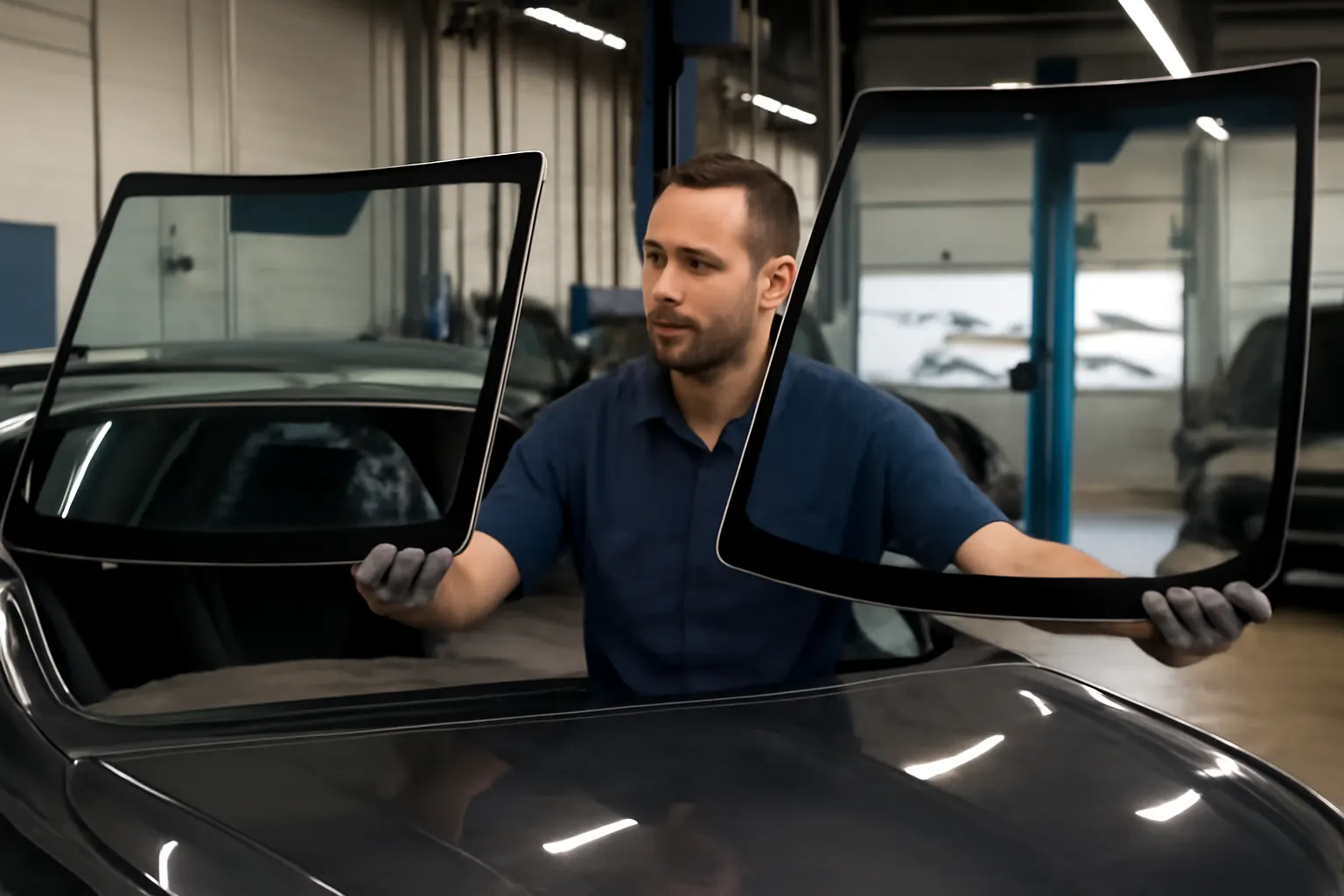
At first glance, a windshield might seem like a simple pane of glass. However, for ADAS-equipped vehicles, the windshield is a critical component of the system's sensor suite. The hidden problem is that aftermarket or incorrectly specified glass often lacks the required optical clarity, thickness, or mounting geometry, leading to:
- Distorted camera images.
- Incorrect sensor readings.
- Inability to recalibrate ADAS systems.
Many drivers and even some repair shops are unaware that using the wrong windshield—even if it fits—can render ADAS features unreliable or inoperative. This is particularly problematic given the proliferation of aftermarket glass that may not meet OEM standards. For more on the differences between OEM and aftermarket glass, see OEM vs Aftermarket Glass: What You Need to Know.
ADAS: What Systems Are Affected by Windshield Replacement?
Understanding which ADAS features depend on the windshield is essential for proper replacement. Key systems include:
- Lane Departure Warning (LDW): Relies on a forward-facing camera, typically mounted behind the windshield.
- Automatic Emergency Braking (AEB): Uses camera and sometimes radar data, often through the windshield.
- Adaptive Cruise Control (ACC): May combine camera and radar input; the camera is usually windshield-mounted.
- Traffic Sign Recognition: Requires a clear, undistorted camera view through the glass.
- Automatic High-Beam Control: Sensors detect ambient light through the windshield.
Each of these systems requires precise camera alignment and undistorted optical paths. Any deviation can affect their performance and reliability.
Technical Deep Dive: How Windshield Design Supports ADAS
Windshields for ADAS-equipped vehicles are more than just glass—they are engineered components:
- Optical Clarity: The glass must have minimal distortion so cameras can accurately "see" lane markings, vehicles, and signs.
- Mounting Brackets: Integrated or bonded brackets ensure cameras and sensors are positioned exactly as designed.
- Heated Zones: Some windshields have embedded heating elements to clear frost from the camera's field of view.
- Acoustic and Solar Coatings: These can affect both comfort and sensor performance.
The National Highway Traffic Safety Administration (NHTSA) emphasizes that vehicle equipment—including glass—must meet strict safety and performance standards[^1]. Using incorrect glass can compromise these standards and ADAS effectiveness.
The Calibration Imperative: Why ADAS Systems Must Be Recalibrated
After windshield replacement, recalibration is non-negotiable for ADAS-equipped vehicles. Even a millimeter of misalignment can cause cameras to misinterpret their environment, leading to:
- Delayed or false warnings.
- Failure to detect obstacles or lane markings.
- Reduced effectiveness of emergency systems.
Recalibration aligns the camera's digital "view" with the real-world road geometry. This process may be:
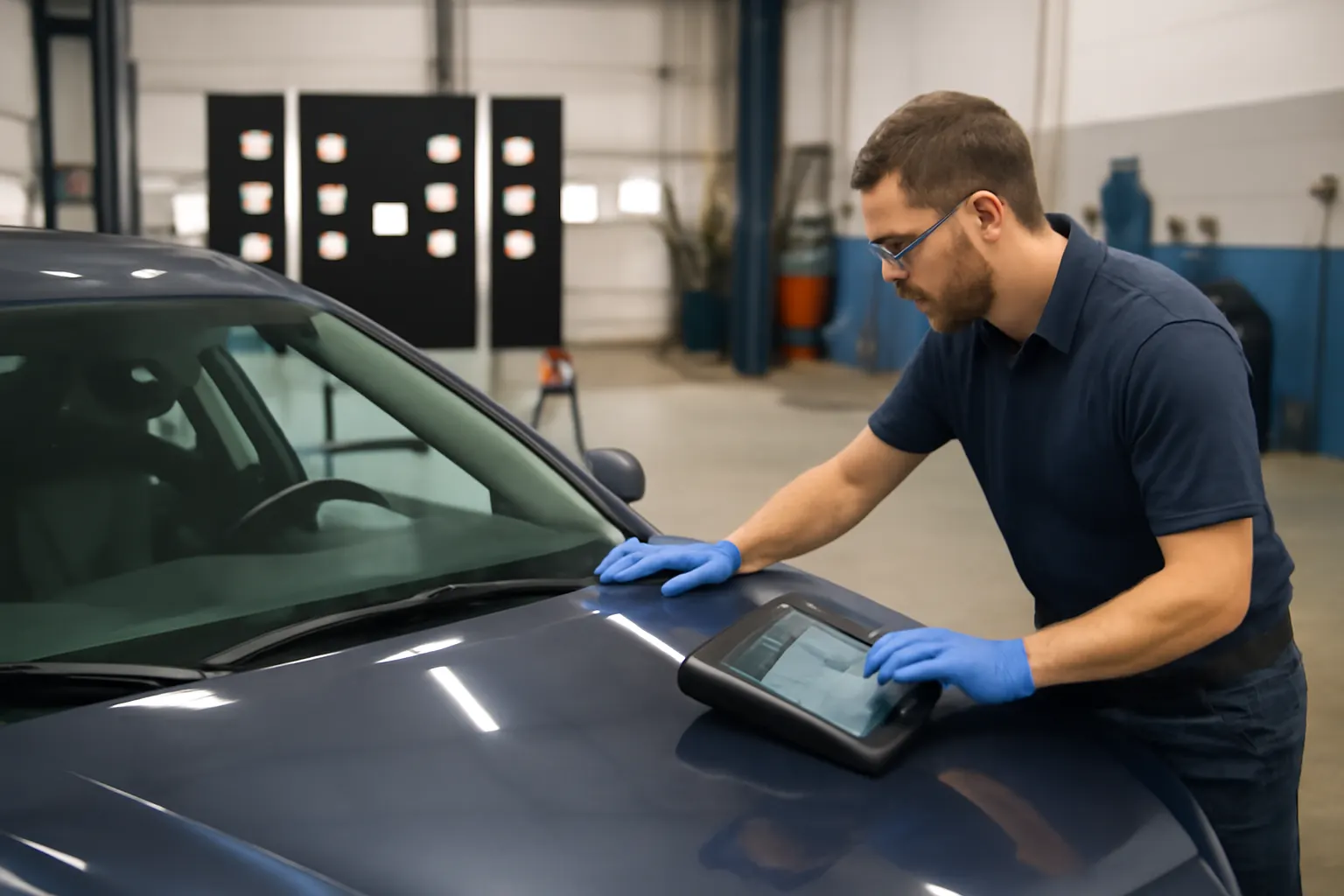
- Static: Performed in a workshop using special targets and alignment tools.
- Dynamic: Requires driving the vehicle under specific conditions to allow the system to self-calibrate.
Manufacturers specify precise procedures and tolerances. Skipping or improperly performing recalibration can create significant safety risks.
Step-by-Step: ADAS Windshield Replacement and Calibration Checklist
Here’s a comprehensive checklist for safe and effective ADAS windshield replacement:
Pre-Replacement
- Verify vehicle ADAS features and calibration requirements.
- Source OEM-equivalent (or approved aftermarket) glass with all necessary brackets and coatings.
- Confirm availability of calibration equipment and trained technicians.
During Replacement
- Remove old windshield with care to avoid damaging camera mounts or sensors.
- Clean and prepare mounting surfaces precisely.
- Install new windshield, ensuring correct position and fitment.
- Reinstall cameras and sensors per OEM specifications.
Post-Replacement
- Perform required static or dynamic recalibration.
- Verify system operation using diagnostic tools.
- Document calibration results and provide customer with a report.
Ongoing
- Advise customer on the importance of regular ADAS checks.
- Schedule follow-up if recalibration could not be completed due to environmental or equipment limitations.
For a detailed procedural breakdown, see our Windshield Replacement: Step-by-Step Technical Guide.
Diagnostic Guidance: Identifying ADAS Issues After Windshield Replacement
After replacement, it’s critical to verify that all ADAS features are functioning as intended. Common post-replacement symptoms of ADAS misalignment include:
- Warning lights or error messages on the dashboard.
- Lane departure or collision avoidance systems not engaging.
- Cameras failing to recognize lane markings or road signs.
- Inconsistent or erratic system behavior.
Diagnostic Steps:
- Scan for Diagnostic Trouble Codes (DTCs): Use a professional scan tool to read any ADAS-related codes.
- Visual Inspection: Check camera mounts and sensor positioning.
- Functional Test: Activate ADAS features in a controlled environment to confirm operation.
- Calibration Verification: Ensure calibration was completed and documented.
If any issues are detected, recalibration or further inspection is mandatory before returning the vehicle to service.
Sourcing the Right Glass: OEM vs Aftermarket for ADAS
Selecting the correct windshield is foundational for ADAS reliability. Here’s what to consider:
- OEM Glass: Manufactured to the same specifications as the original, including optical clarity, thickness, and bracket placement.
- Aftermarket Glass: May vary in quality. Only use aftermarket options that are specifically certified for ADAS compatibility.
Key Sourcing Tips:
- Cross-check part numbers and ensure compatibility with your vehicle’s ADAS package.
- Confirm the presence of required features (camera mounts, coatings, heaters).
- Request documentation from the supplier regarding ADAS compatibility.
Remember, using non-compliant glass can cause recalibration to fail or ADAS to malfunction, undermining both safety and regulatory compliance1.
The Role of Materials Technology in Modern Windshields
Advances in automotive materials have enabled the integration of ADAS sensors into windshields without compromising strength or clarity. According to the Department of Energy, modern materials technologies focus on reducing weight, improving structural performance, and supporting the integration of advanced electronics23.
Material Features:
- Laminated Safety Glass: Maintains integrity during impact, supports sensor mounting.
- Coatings: Filter UV and IR light, reduce glare, and improve camera performance.
- Embedded Elements: Allow for heaters and antennae without obstructing sensor function.
Choosing high-quality, specification-compliant glass is critical for both ADAS operation and overall vehicle safety.
Installation and Calibration: What Technicians Need to Know
Professional installation is essential for ADAS-equipped vehicles. Technicians must:
- Use manufacturer-approved procedures for both glass installation and ADAS recalibration.
- Employ precision tools and calibration targets.
- Maintain a controlled environment to prevent dust or debris from affecting sensors and cameras.
Common Pitfalls:
- Improper glass alignment or adhesive cure times.
- Failure to recalibrate, or use of outdated calibration procedures.
- Overlooking updates to ADAS software or hardware during replacement.
Shops should invest in ongoing training and certification to keep pace with evolving ADAS technologies and standards.
Maintenance and Post-Replacement Care for ADAS Windshields
Once the new windshield is installed and calibrated, ongoing care ensures long-term ADAS system reliability:
- Keep the Glass Clean: Dirt or smudges in the camera’s field of view can degrade system performance.
- Check for Chips or Cracks: Even minor damage near the camera area may require inspection or recalibration.
- Monitor System Alerts: Pay attention to any warnings or malfunctions related to ADAS features.
Regular diagnostic checks and prompt attention to any issues will help maintain both safety and feature functionality.
Regulatory and Safety Standards: Why Compliance Matters
NHTSA and other regulatory bodies require that all vehicle equipment—including glass and ADAS components—meet rigorous safety standards1. Non-compliant repairs can:
- Void manufacturer warranties.
- Cause vehicles to fail safety inspections.
- Increase liability in the event of an accident.
Always follow manufacturer and regulatory guidelines when replacing ADAS windshields. For more information on equipment standards, visit the NHTSA Vehicle Safety and Equipment resource.
AutoPartEx Guidance: Your Partner in ADAS Windshield Replacement
At AutoPartEx, we understand the critical intersection of advanced vehicle technology and practical repair solutions. Our extensive inventory includes OEM and certified aftermarket windshields designed for ADAS compatibility, along with calibration equipment and expert support.
Our resources, such as the Comprehensive Guide to Automotive Glass & Windshield Replacement, empower drivers, technicians, and fleet managers to make informed, safety-first decisions.
Key Takeaways and Next Steps
Replacing a windshield on an ADAS-equipped vehicle is a highly technical process that demands precision, compliance, and expertise. To ensure safety and system performance:
- Always use ADAS-compatible glass that meets OEM specifications.
- Perform required recalibration after every windshield replacement.
- Work with certified technicians using up-to-date tools and procedures.
- Maintain your windshield and ADAS system with regular inspections and prompt repairs.
For more technical guidance, explore our step-by-step Windshield Replacement: Technical Guide and diagnostic resources like Diagnosing Windshield Leaks and Optical Distortion.
Stay ahead of evolving automotive technology with AutoPartEx—your trusted source for expert parts, guidance, and support.
References
- Vehicle Safety and Equipment – National Highway Traffic Safety Administration
- Fuel Efficiency – United States Department of Energy
- Materials Technologies – United States Department of Energy