How ADAS Technology Impacts Windshield Replacement
Replacing a windshield on a modern vehicle is no longer a straightforward task. Advanced Driver Assistance Systems (ADAS)—including lane departure warning, adaptive cruise control, and automatic emergency braking—rely on sensors and cameras that are often mounted directly to the windshield. This integration means that windshield replacement not only involves glass installation but also precise calibration of these critical safety systems. If you're planning a windshield replacement for a car equipped with ADAS, understanding the unique challenges, required procedures, and best practices is essential for both safety and optimal system performance. For a foundational overview of automotive glass and windshield technology, visit our Comprehensive Guide to Automotive Glass & Windshield Replacement.
The Immediate Answer: Why ADAS Changes Windshield Replacement
ADAS technology fundamentally alters the process of windshield replacement. Unlike traditional windshields, ADAS-integrated glass must be paired with advanced calibration procedures to ensure system accuracy. When a windshield is replaced, the cameras and sensors attached to or embedded within the glass may lose their alignment, directly impacting the effectiveness of safety features like lane keeping assist or collision avoidance. This means that every ADAS-equipped vehicle requires both physical installation and subsequent electronic calibration—failure to do so can result in malfunctioning safety systems and compromised vehicle safety.
The Hidden Problem: Unseen Risks with ADAS-Equipped Glass
While the glass itself may appear identical, ADAS windshields are engineered with specific mounting points, clarity standards, and optical characteristics to support advanced camera and sensor operation. A poorly installed or incorrectly calibrated windshield can cause the ADAS to misinterpret road conditions, potentially leading to false alerts or, worse, system failures. Many vehicle owners and even some installers underestimate the complexity of this process, risking both driver safety and legal compliance. Additionally, insurance claims and repair shops are increasingly scrutinized for proper ADAS handling, as regulatory standards continue to evolve (NHTSA Equipment).
Understanding ADAS: Types, Sensors, and Windshield Integration
ADAS encompasses a wide range of features, each relying on sensors that may be integrated into the windshield:
- Forward-facing cameras: Typically mounted behind the rearview mirror to monitor lane markings, traffic signs, and vehicles ahead.
- Rain/light sensors: Embedded in the glass to automate wipers and headlights.
- Heads-up display (HUD) projectors: Require special optical qualities in the glass.
- Thermal and infrared sensors: Present in some premium vehicles.
These components demand precise alignment and clear optical paths. Even minor deviations in glass curvature or mounting position can affect ADAS accuracy. For a detailed breakdown of windshield sensor types and their functions, see the Windshield Replacement: Step-by-Step Technical Guide.
The Technical Challenge: Installation and Calibration
Physical Fitment
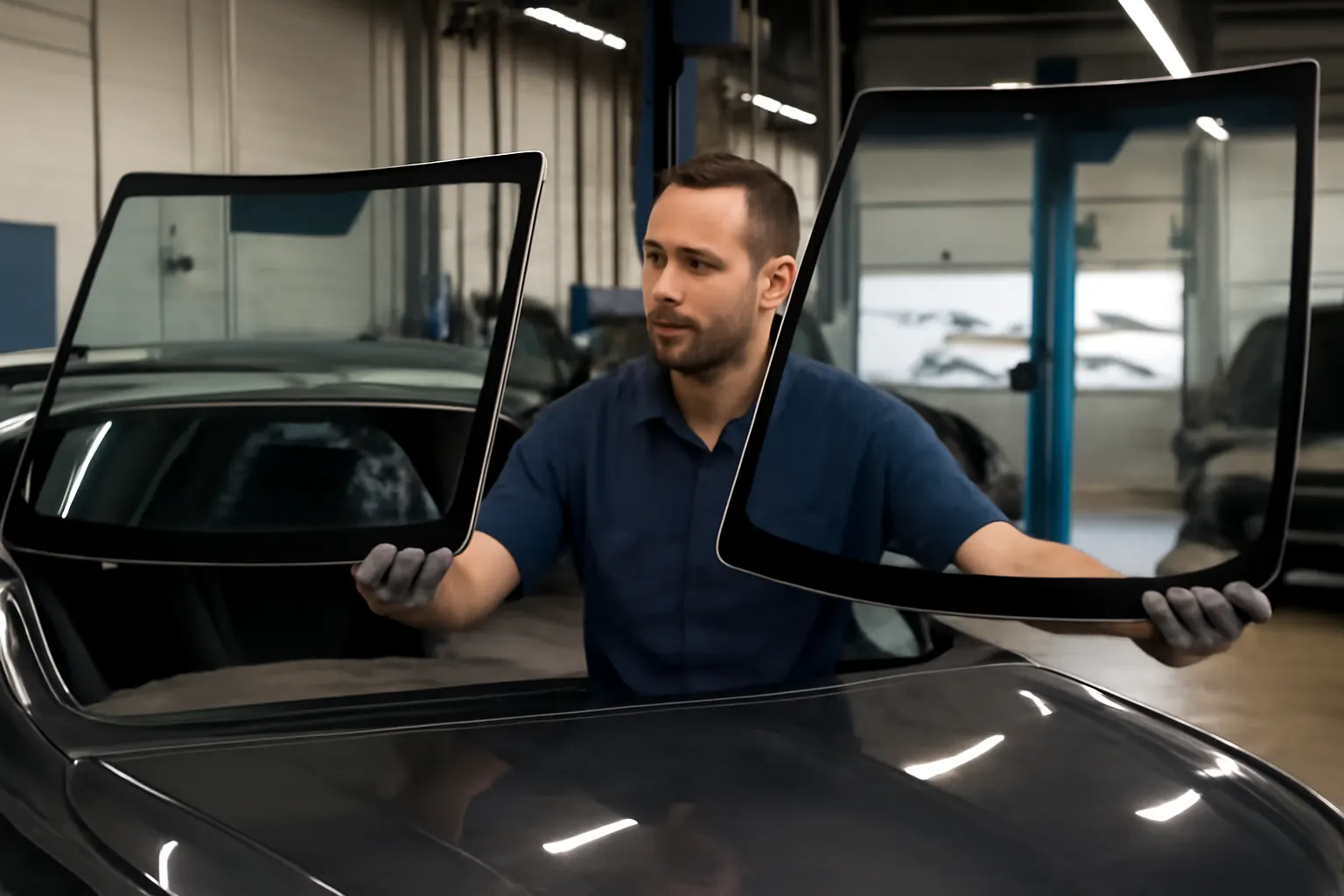
The first technical hurdle is ensuring the replacement windshield matches OEM specifications for thickness, curvature, and mounting hardware. ADAS sensors and cameras are engineered to operate within tight tolerances. Using an aftermarket glass that lacks the proper mounting brackets, frit patterns, or optical clarity can render ADAS features unreliable. This is why understanding the differences between OEM and aftermarket glass is crucial for ADAS-equipped vehicles.
Calibration Requirements
Once the glass is installed, the ADAS sensors and cameras must be recalibrated. There are two primary calibration methods:
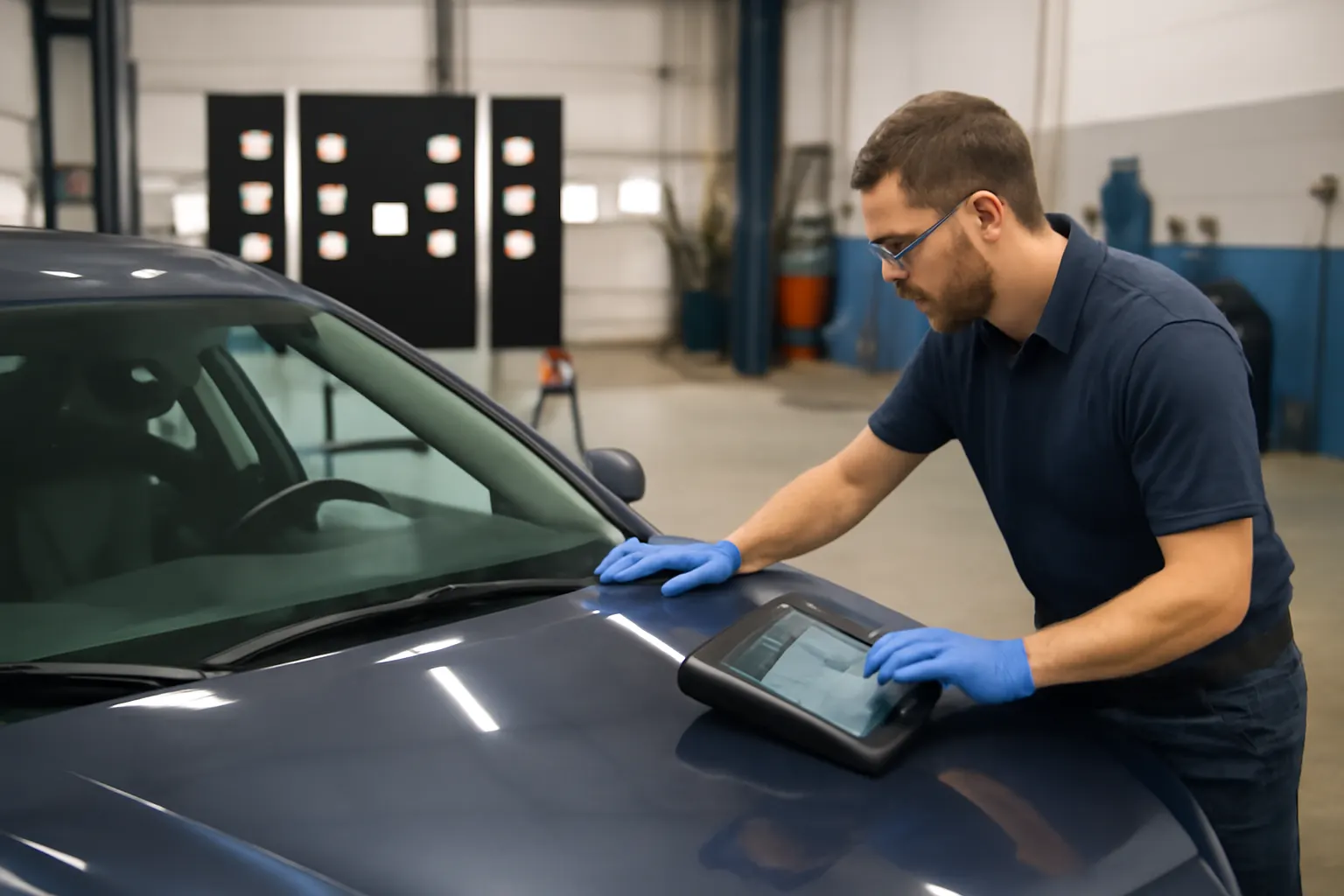
- Static Calibration: Performed in a controlled environment using targets and specific tools to align the sensors with reference points.
- Dynamic Calibration: Conducted on the road, where the system self-calibrates as the vehicle is driven under specified conditions.
Some vehicles require both methods, depending on manufacturer specifications. Failing to calibrate can result in dashboard warning lights, error codes, or non-functional ADAS features.
Checklist: ADAS Windshield Replacement Essentials
Before replacing a windshield on an ADAS-equipped vehicle, ensure the following steps are completed:
- Identify ADAS Features: Review the vehicle’s build sheet or owner’s manual for all installed ADAS options.
- Source Correct Glass: Order OEM or certified aftermarket glass with proper sensor/camera mounts.
- Prepare Calibration Tools: Verify access to manufacturer-approved calibration equipment and software.
- Perform Pre-Scan: Use a diagnostic tool to scan for existing ADAS-related trouble codes.
- Install Glass: Follow manufacturer procedures for adhesive application, curing time, and hardware transfer.
- Calibrate ADAS: Complete static and/or dynamic calibration as required.
- Post-Scan and Test: Clear codes, verify calibration, and road-test all ADAS features.
- Document the Process: Record calibration results and provide documentation for insurance or regulatory compliance.
For more on diagnosing post-installation issues such as leaks or distortion, review our Diagnosing Windshield Leaks and Optical Distortion guide.
Regulatory and Safety Standards
The National Highway Traffic Safety Administration (NHTSA) and SAE International set the standards for both windshield safety and ADAS equipment (NHTSA Equipment, SAE Standards). These standards ensure that replacement windshields and calibration procedures meet minimum safety and performance criteria. Shops and technicians are responsible for adhering to these standards, particularly as more vehicles on the road depend on ADAS for basic safety functions.
The Cost Factor: Why ADAS Windshield Replacement Is More Expensive
Replacing an ADAS-equipped windshield is significantly more expensive than a traditional replacement due to:
- Specialized glass: Higher manufacturing costs for glass with embedded sensor mounts or coatings.
- Calibration labor: Additional technician time and equipment required for proper calibration.
- Diagnostic procedures: Pre- and post-installation scans to ensure system integrity.
While some insurance policies now cover calibration, vehicle owners should confirm coverage and understand the full scope of required procedures.
Diagnosing Calibration Issues After Replacement
Even after a technically correct installation, calibration issues can arise if:
- The vehicle is not on a level surface during static calibration.
- The camera or sensor is not mounted at the exact OEM angle or distance.
- The glass has optical distortion not present in the original windshield.
Symptoms of poor calibration may include:
- Persistent ADAS warning lights on the dashboard.
- Lane departure or collision warning systems failing to activate.
- Inaccurate or erratic adaptive cruise control behavior.
- False alerts or missed objects.
A professional diagnostic scanner and calibration tool are required to identify and correct these issues. For more details on post-replacement diagnostics, refer to our Windshield Replacement: Step-by-Step Technical Guide.
Sourcing the Right Glass: OEM vs. Aftermarket for ADAS
Choosing the correct replacement glass is critical for ADAS function. OEM windshields are manufactured to exact specifications, ensuring proper fit, optical clarity, and sensor compatibility. Certified aftermarket glass can be used if it meets the same standards and is approved for ADAS use. However, not all aftermarket options maintain the required tolerances for camera mounts or frit patterns.
Key considerations when sourcing ADAS windshields:
- OEM part numbers: Match the original windshield’s part number for guaranteed fit and function.
- Sensor compatibility: Confirm the glass supports all factory-installed sensors and cameras.
- Manufacturer certification: Use glass certified by the vehicle manufacturer or trusted suppliers with ADAS validation.
For a deep dive into the differences between OEM and aftermarket glass, see our OEM vs Aftermarket Glass: What You Need to Know.
Installation Best Practices for ADAS Windshields
Successful ADAS windshield installation demands strict adherence to manufacturer guidelines:
- Surface preparation: Ensure all mounting surfaces are clean, dry, and free of contaminants.
- Adhesive selection: Use only approved urethane adhesives with specified cure times to maintain structural integrity.
- Hardware transfer: Carefully transfer all ADAS-related hardware (mounts, brackets, sensors) from the old glass to the new.
- Environmental controls: Perform installation in a dust-free, temperature-controlled environment to prevent sensor contamination.
Technicians must also be trained in ADAS-specific procedures and utilize up-to-date calibration equipment.
Calibration Procedures: Static vs. Dynamic
Static Calibration
- Performed indoors using calibration targets placed at precise distances and heights relative to the vehicle.
- Requires level floor and controlled lighting.
- Manufacturer-specific: Each automaker has unique target patterns and software protocols.
Dynamic Calibration
- Conducted on the road while driving at specified speeds.
- Relies on real-world lane markings and traffic conditions.
- Requires clear weather and unobstructed roadways.
Some vehicles require a combination of both methods. Always consult the manufacturer’s service information for the correct procedure.
Maintenance and Recalibration Triggers
ADAS calibration is not a one-time event. The system may require recalibration if:
- The windshield is replaced or repaired.
- The camera or sensor is disconnected, removed, or replaced.
- The vehicle receives a suspension or alignment adjustment.
- The vehicle is involved in a collision, even if the glass is not damaged.
Routine maintenance should include checks for ADAS warning lights and periodic inspection of camera/sensor mounts for debris or misalignment.
Avoiding Common Pitfalls: Technician and Shop Selection
Not all glass shops are equipped or trained to handle ADAS windshield replacement and calibration. When selecting a provider:
- Ask for ADAS certification: Choose shops with manufacturer-approved calibration tools and trained technicians.
- Request documentation: Insist on pre- and post-calibration reports for your records and insurance.
- Verify warranty coverage: Ensure the shop guarantees both the glass installation and calibration results.
Choosing an experienced, ADAS-capable installer minimizes the risk of system malfunction and ensures your vehicle’s safety features remain operational.
The Role of Materials and Vehicle Design
Modern vehicles utilize lightweight, high-strength materials to improve fuel efficiency and crash safety (DOE Materials Technologies). The windshield is now a structural component, contributing to body rigidity and airbag deployment. This makes proper installation and calibration even more critical, as even minor deviations can affect not just ADAS function but also overall vehicle safety and performance.
Insurance, Documentation, and Regulatory Compliance
As ADAS becomes ubiquitous, insurance companies and regulatory agencies are paying closer attention to windshield replacement practices. Detailed documentation of glass sourcing, installation procedures, and calibration results is increasingly required for claims approval and legal compliance (NHTSA Equipment). Failure to provide this documentation can delay repairs or invalidate insurance coverage.
AutoPartEx Advantage: Your Partner in Advanced Glass Solutions
At AutoPartEx, we recognize that modern windshield replacement is about more than just glass. Our curated inventory includes OEM and certified aftermarket ADAS windshields, and our technical resources guide you through every step of the replacement and calibration process. Whether you are a DIY enthusiast or a shop manager, our Comprehensive Guide to Automotive Glass & Windshield Replacement and related editorial content ensure you have the knowledge and parts to keep advanced safety systems operating as designed.
Expert Action Steps: Ensuring Safe and Compliant ADAS Windshield Replacement
- Research your vehicle’s ADAS features and calibration requirements before sourcing a replacement windshield.
- Use only OEM or certified aftermarket glass designed for ADAS compatibility—never substitute with generic glass.
- Partner with a qualified shop or technician equipped with the latest ADAS calibration tools and training.
- Demand full documentation of the installation and calibration process for your records and insurance.
- Stay informed about regulatory changes and evolving best practices by consulting trusted resources like AutoPartEx.
By following these expert steps, you ensure not only the integrity of your vehicle’s glass but also the continued reliability of its most advanced safety features.