Advertisement
Choosing the right exhaust cross pipe—H-pipe or X-pipe—can dramatically influence your vehicle’s sound, performance, and even drivability. While both designs serve the essential function of balancing exhaust pulses in dual-exhaust V-type engines, their differences go far beyond shape. The right choice depends on your build goals, engine characteristics, and driving preferences. This guide delivers a technical, practical comparison to help you select the optimal cross pipe for your project, backed by real-world engineering and industry standards.
If you’re looking to maximize exhaust flow, improve scavenging, or simply fine-tune the character of your vehicle's exhaust note, understanding the nuances between the H-pipe and X-pipe is critical. For foundational concepts, see our Exhaust Cross Pipe: Maximizing Flow and Performance in Modern Exhaust Systems category overview.
Immediate Answer: H-Pipe vs. X-Pipe at a Glance
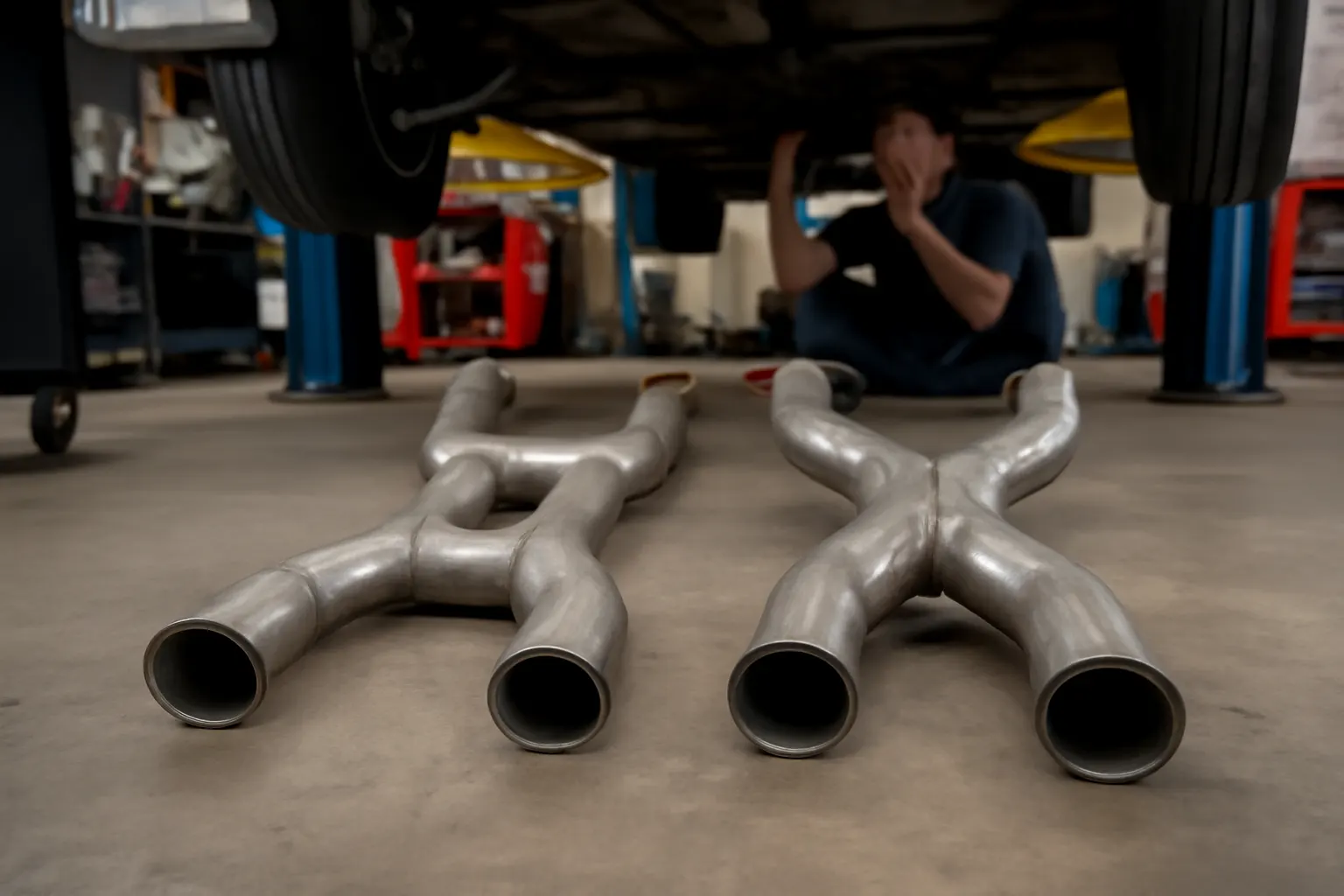
- H-Pipe: Best for classic muscle car sound, low-end torque, and smoother idle. The “H” shape connects the two exhaust pipes with a horizontal bridge, equalizing pressure and balancing pulses primarily at lower RPMs.
- X-Pipe: Ideal for high-RPM horsepower, aggressive modern sound, and maximum exhaust scavenging. The “X” merges the two pipes at an angle, encouraging more efficient exhaust flow and reducing backpressure, especially at higher engine speeds.
Quick Pick:
- For deep, rumbling traditional sound and street torque: Choose an H-pipe.
- For sharper, raspy tone and high-RPM performance: Choose an X-pipe.
The Hidden Problem: Not All Cross Pipes Are Created Equal
Many builders assume any crossover pipe will improve performance, but mismatched designs can actually reduce efficiency or create unwanted sound characteristics. The wrong cross pipe can:
-
Mute or distort the exhaust note you want.
-
Shift the torque curve away from your desired RPM range.
-
Cause fitment issues with other underbody components.
-
Create turbulence or backpressure, reducing overall engine efficiency.
Without a technical understanding of your engine's needs and the science behind exhaust flow, you risk leaving horsepower and drivability on the table—or worse, introducing new problems.
Exhaust Flow Science: Why Cross Pipes Matter
The primary purpose of a cross pipe is to balance exhaust pulses between the banks of a V-type engine. This balancing act influences scavenging (the process by which spent gases are pulled from the cylinder by the next exhaust pulse), backpressure, and, crucially, the sound signature.
- Scavenging: Proper scavenging improves cylinder emptying, allowing for a more complete fuel/air charge, which in turn boosts power and efficiency.
- Backpressure: Excessive backpressure can choke performance, while too little can hurt low-end torque.
- Sound: The way exhaust gases merge or cross over changes the harmonic resonance, which is why H-pipes and X-pipes sound so distinct.
The effectiveness of any cross pipe is determined by its material, diameter, placement, and the geometry of your exhaust system. The U.S. Department of Energy emphasizes the critical role of materials and engineering in optimizing exhaust flow and vehicle performance [^1].
H-Pipe: Traditional Muscle, Reliable Torque
Design and Function
An H-pipe features a straight horizontal tube connecting the two sides of a dual-exhaust system. This design allows pressure waves to equalize, smoothing out the exhaust pulses.
Key Features:
- Simple, robust construction.
- Tends to be placed closer to the engine for optimal effect.
- Balances pressure primarily at low to mid RPMs.
Performance Impact
H-pipes are renowned for boosting low-end torque and providing a steady powerband—attributes highly valued in street builds and classic muscle cars. The exhaust note is deeper and “throatier,” with less rasp and a more traditional V8 sound.
Sound Characteristics
- Deep, mellow tone.
- Reduced drone at cruising speeds.
- Smoother idle and transition through the rev range.
Advertisement
Best Applications: Street-driven vehicles, classic muscle builds, trucks, and any application where a traditional sound and torque-rich response are priorities.
X-Pipe: Modern Power, Aggressive Tone
Design and Function
The X-pipe merges the two exhaust banks at an angled “X,” allowing exhaust gases to cross over and continue down both sides. This creates a more streamlined flow path, reducing turbulence and improving scavenging at higher RPMs.
Key Features:
- More complex geometry, often requiring precise fabrication.
- Typically installed farther downstream than H-pipes.
- Maximizes flow and scavenging, especially as RPMs climb.
Performance Impact
X-pipes excel at increasing high-RPM horsepower and overall engine efficiency. The smoother flow path allows for greater exhaust velocity, which helps pull gases from the cylinders more effectively at speed.
Sound Characteristics
- Sharper, higher-pitched exhaust note.
- Noticeable “rasp” or exotic tone, especially with performance camshafts.
- May introduce a slight drone at certain RPMs, depending on muffler choice.
Best Applications: Modern performance builds, track cars, high-revving engines, and any project where maximum top-end power and a distinctive sound are desired.
Technical Comparison: H-Pipe vs. X-Pipe
| Feature | H-Pipe | X-Pipe |
|---|---|---|
| Sound | Deep, mellow, classic V8 | Raspy, exotic, high-pitched |
| Torque | Strong low-end, smooth powerband | Slightly less low-end, better top-end |
| Horsepower | Modest gains, especially down low | Greater gains at high RPM |
| Installation | Simpler, easier fitment | More precise, may require custom bends |
| Scavenging | Moderate improvement, mostly low RPM | Superior at high RPM, more efficient |
| Best For | Street, muscle, trucks | Track, high-revving, modern builds |
Choosing the Right Cross Pipe for Your Engine and Goals
Selecting between an H-pipe and X-pipe isn’t just about sound—it’s about matching your exhaust system to your engine’s characteristics and your driving style.
Engine Type and Displacement
- Large displacement, low-revving V8s: Tend to benefit most from H-pipes, which enhance low-end torque and deliver that iconic muscle sound.
- High-revving, small displacement V8s or V6s: X-pipes can unlock more horsepower and help the engine breathe freely at higher RPMs.
Camshaft and Header Selection
Aggressive cam profiles and long-tube headers often pair well with X-pipes, as they maximize the scavenging effect. Stock or mild cams, especially in heavier vehicles, may see more benefit from an H-pipe.
Intended Use
- Daily drivers and cruisers: H-pipe for comfort and classic sound.
- Track, autocross, or spirited driving: X-pipe for sharper response and power at speed.
For more on diagnosing exhaust flow and matching components, see Diagnosing Exhaust Flow Issues in V-Type Engines.
Installation Considerations: Fitment, Materials, and Placement
Fitment and Underbody Clearance
- H-pipes are generally easier to fit, with less need for precise angles or custom fabrication.
- X-pipes may require additional clearance and careful routing to avoid interference with driveshafts, heat shields, or suspension components.
Material Selection
The material of your cross pipe directly affects durability, weight, and thermal performance. The Department of Energy highlights the importance of advanced materials like stainless steel for longevity and corrosion resistance [^1].
- Mild Steel: Affordable, but prone to rust.
- Aluminized Steel: Better corrosion resistance, moderate cost.
- Stainless Steel: Superior longevity, resists rust, recommended for high-performance and longevity.
Placement
- H-pipe Placement: Closer to the headers increases the balancing effect at lower RPMs.
- X-pipe Placement: Slightly farther downstream optimizes scavenging at higher RPMs.
Installation Checklist
Before You Start:
- Confirm exhaust pipe diameter and compatibility.
- Check for underbody clearance and potential interference.
- Select appropriate material for climate and use.
- Gather necessary clamps, gaskets, and hangers.
- Plan for O2 sensor relocation if needed.
During Installation:
- Measure twice, cut once—precise alignment is critical.
- Weld or clamp securely for leak-free operation.
- Verify cross pipe angle and fitment.
- Test fit before final welding or clamping.
After Installation:
Advertisement
- Inspect for leaks or rattles.
- Check for adequate clearance from heat-sensitive components.
- Monitor exhaust tone and engine response.
For more detailed buying guidance, see Choosing the Right Exhaust Cross Pipe for Your Vehicle.
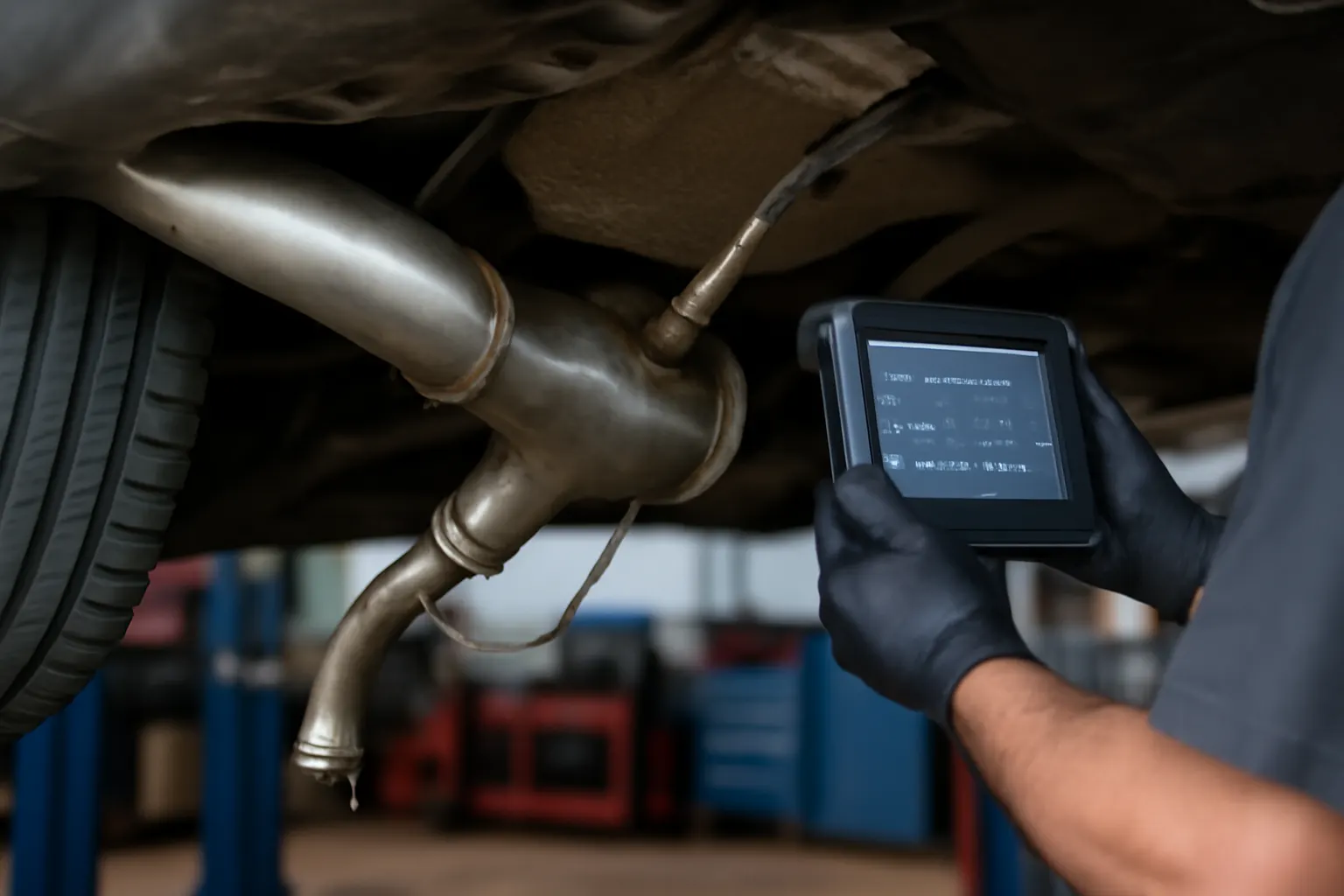
Diagnosing Performance After Installation
Signs of a Properly Functioning Cross Pipe
- Improved throttle response.
- More consistent idle and smoother acceleration.
- Desired exhaust note achieved.
- No new vibrations, rattles, or underbody interference.
Warning Signs of Issues
- Unexpected drone or resonance: May indicate improper placement or fitment.
- Loss of low-end torque (with X-pipe): Consider moving the cross pipe closer to the engine or switching to an H-pipe.
- Excessive backpressure or sluggish response: Check for blockages or excessive bends.
If problems persist, revisit your installation or consult with an experienced exhaust fabricator.
Maintenance and Longevity: Keeping Your Cross Pipe Performing
Regular Inspection
- Check for corrosion: Especially on mild or aluminized steel systems.
- Look for exhaust leaks: At joints and welds, which can affect performance and emissions.
- Monitor hangers and clamps: Replace any that show signs of fatigue or rust.
Cleaning and Protection
- Stainless steel pipes: Wipe down periodically to prevent buildup.
- Aluminized/mild steel: Consider high-temp paint or coatings for added protection.
Upgrading or Replacing
If your driving style or engine setup changes, don’t hesitate to re-evaluate your cross pipe choice. Both H-pipes and X-pipes are modular and can be swapped as your build evolves.
Sound Tuning: Achieving Your Ideal Exhaust Note
Muffler Pairing
- Chambered mufflers + H-pipe: Classic, deep muscle car rumble.
- Straight-through mufflers + X-pipe: Aggressive, high-pitched, race-inspired tone.
Resonator Choices
Adding or deleting resonators can further fine-tune your exhaust note. Experiment with different configurations to achieve the sound profile you desire.
Test and Tune
After installation, take time to listen to your exhaust at various RPMs, both inside and outside the vehicle. Small adjustments in cross pipe placement can have a noticeable impact on both sound and performance.
Emissions and Sensor Considerations
Modern vehicles rely on O2 sensors to maintain optimal fuel mixture and emissions compliance. When installing or relocating a cross pipe:
-
Ensure O2 sensors are placed in a location that accurately reflects the combined exhaust flow.
-
Avoid placing sensors too close to the cross pipe, which can cause false readings due to pulse interference.
-
After installation, monitor for check engine lights or diagnostic codes.
For a deeper dive into emissions and sensor health, see How Exhaust Upgrades Affect Emissions and Sensor Health.
Sourcing Quality Cross Pipes: What to Look For
Key Buying Factors
- Material Quality: Prioritize stainless steel for longevity.
- Fitment Accuracy: Look for application-specific kits or trusted universal builders.
- Weld Quality: TIG or MIG welded joints are preferable for durability.
- Diameter Match: Ensure the cross pipe matches your primary exhaust tubing for smooth flow.
- Brand Reputation: Choose manufacturers with a proven track record in performance exhaust systems.
Where to Buy
- Performance Parts Retailers: Offer a wide selection of branded and universal kits.
- Custom Exhaust Shops: Can fabricate a cross pipe tailored to your exact setup.
- OEM Suppliers: For factory-style fitment and sound.
Expert Action: Building Your Optimal Exhaust with AutoPartEx
At AutoPartEx, we’re committed to helping you achieve the perfect balance of power, sound, and reliability in your exhaust system. Whether you’re restoring a classic or building a modern track machine, our technical guides, expert support, and curated Exhaust Cross Pipe selection ensure you get the right part for your build.
Next Steps:
- Assess your build’s primary goal—sound, torque, or horsepower.
- Review your engine specs, camshaft, and intended use.
- Use our detailed guides and checklists to select, install, and maintain your cross pipe.
- Reach out to our technical team for personalized advice or troubleshooting.
By understanding the science and practicalities of H-pipes and X-pipes, you’ll unlock your vehicle’s full potential—on the street, strip, or track.
References
- Materials Technologies — United States Department of Energy
- Fuel Efficiency — United States Department of Energy
- Vehicle Safety and Equipment — National Highway Traffic Safety Administration
Advertisement