Advertisement
Exhaust upgrades—from cross pipes to high-flow cats and larger-diameter tubing—promise performance gains, but they can also impact emissions systems and oxygen sensor longevity in ways many enthusiasts overlook. If you’re considering modifying your exhaust system, it’s crucial to understand how these changes affect your vehicle’s compliance, diagnostics, and long-term reliability. This comprehensive guide will explain the technical relationship between exhaust modifications, emissions control, and sensor health, helping you make informed decisions for your build.
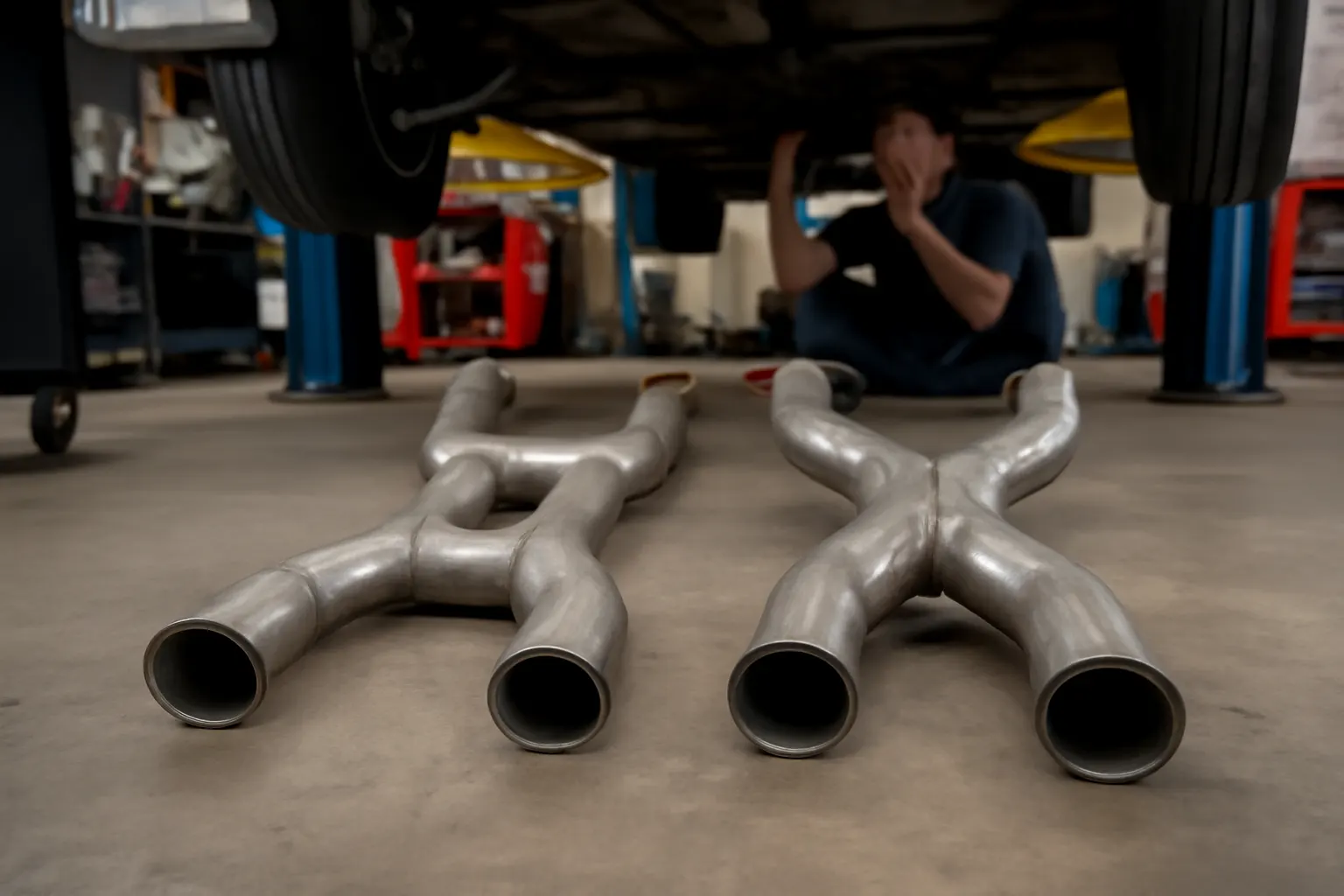
Whether you’re an experienced fabricator or a weekend DIYer, your exhaust system is more than just a path for spent gases: it’s a critical component in emissions management and engine feedback. Before you bolt on that new Exhaust Cross Pipe: Maximizing Flow and Performance in Modern Exhaust Systems, read on to ensure your upgrades don’t inadvertently trigger check engine lights, reduce oxygen sensor life, or compromise your vehicle’s emissions compliance.
The Immediate Impact: What Happens When You Upgrade Your Exhaust?
The first thing most drivers notice after an exhaust upgrade is a change in sound, throttle response, and sometimes fuel economy. But beneath the surface, your emissions system—especially the oxygen sensors (O2 sensors)—begins adapting to a new exhaust flow and composition. These sensors are the “eyes and ears” of your engine management system, providing real-time data that governs air-fuel ratios and emissions control.
Key Immediate Effects:
- Altered Exhaust Flow: Changes to backpressure and velocity can shift how gases reach the catalytic converter and O2 sensors.
- Sensor Exposure: Relocating or removing exhaust components can expose sensors to higher temperatures or contaminants, shortening their lifespan.
- ECU Response: The engine control unit may adjust fueling or trigger fault codes if it detects unexpected sensor readings.
It’s not just about horsepower; exhaust upgrades can have a direct and sometimes negative effect on emissions equipment and sensor health.
The Hidden Problem: Why Emissions and Sensor Issues Often Go Unnoticed
Most drivers and even some installers focus on the immediate gains from exhaust upgrades—sound, power, and aesthetics—while overlooking how these changes disrupt the carefully balanced emissions system. Modern vehicles rely on a network of sensors and catalytic converters that are precisely calibrated to the stock exhaust flow, temperature, and chemical composition.
Symptoms That Often Go Unnoticed:
- Slow Sensor Degradation: O2 sensors may gradually lose accuracy, leading to subtle fuel economy drops or increased emissions.
- Intermittent Check Engine Lights: Fault codes may appear sporadically, sometimes cleared by the ECU, masking underlying issues.
- Catalytic Converter Stress: High-flow exhausts can reduce the converter’s effectiveness, causing premature wear or failure.
Because these problems rarely result in immediate drivability issues, they’re often ignored—until a failed inspection, persistent warning light, or expensive repair brings them into focus.
How Exhaust Flow and Pressure Affect Sensor Function
Exhaust upgrades typically reduce backpressure, which can help performance but also changes the environment in which O2 sensors operate. These sensors, especially the primary (upstream) ones, are designed to function within specific flow and pressure ranges.
Technical Considerations:
- Reduced Backpressure: Lower backpressure can cool the exhaust stream, affecting the sensor’s ability to reach and maintain optimal operating temperature.
- Increased Flow Velocity: Faster-moving exhaust gases can carry more contaminants past the sensor, accelerating degradation.
- Sensor Placement: Moving sensors further from the engine (common in custom exhausts) can delay sensor warm-up, affecting closed-loop operation and emissions.
When exhaust flow characteristics deviate from factory specifications, sensor readings may become unreliable, leading to improper fuel metering and increased emissions.
Catalytic Converter Performance: The Heart of Emissions Control
The catalytic converter is the primary line of defense against harmful emissions. Its efficiency depends on precise exhaust flow and temperature, both of which are altered by most aftermarket upgrades.
Critical Points:
- High-Flow Catalytic Converters: These may reduce restriction but often provide less surface area for chemical reactions, decreasing conversion efficiency.
- Bypassing or Relocating Cats: Moving or removing catalytic converters can result in the ECU detecting insufficient catalyst activity, triggering diagnostic trouble codes (DTCs).
- Temperature Sensitivity: Cats require a minimum temperature to function. Exhaust upgrades that cool the exhaust stream may delay “light-off,” increasing cold-start emissions.
Advertisement
In short, even well-intentioned upgrades can inadvertently cause your vehicle to exceed regulated emissions limits or age your catalytic converter prematurely.
Oxygen Sensor Longevity: How Modifications Accelerate Wear
Oxygen sensors are consumable components, but their lifespan can be drastically shortened by exhaust modifications.
Common Causes of Premature Sensor Failure:
- Thermal Shock: Sensors exposed to higher-than-designed exhaust temperatures can suffer from rapid heating and cooling cycles, cracking the ceramic element.
- Contamination: Unburned fuel, oil, or coolant (common with aggressive tuning or engine wear) can coat the sensor, impeding its function.
- Improper Placement: If a sensor is moved from its factory location, it may not heat up quickly enough, resulting in prolonged “open loop” operation and increased emissions.
Signs of Sensor Wear:
- Increased fuel consumption
- Rough idle or hesitation
- Persistent or intermittent check engine lights
- Failed emissions tests
If you notice these symptoms after an exhaust upgrade, sensor health should be one of your first diagnostic checks.
The Role of Materials and Construction in Emissions Health
The materials and construction methods used in aftermarket exhaust components can have a significant impact on both emissions system performance and sensor health.
Material Considerations:
- Stainless Steel vs. Mild Steel: Stainless steel resists corrosion and contamination, which can extend sensor life and maintain exhaust purity.
- Weld Quality: Poor welds can introduce leaks, drawing in outside air and skewing O2 sensor readings.
- Gasket and Seal Integrity: Even small leaks upstream of the O2 sensors can cause the ECU to misinterpret exhaust composition, leading to improper fueling.
According to the United States Department of Energy’s Materials Technologies research, advanced materials not only improve durability but also maintain performance under thermal cycling, which is essential for emissions-critical components.
Diagnostic Checklist: Assessing Exhaust Upgrades’ Impact on Emissions and Sensors
Before and after any exhaust modification, follow this checklist to minimize the risk of emissions or sensor issues:
Exhaust Upgrade Emissions & Sensor Health Checklist
-
Pre-Upgrade Baseline:
- Scan for existing fault codes (OBD-II).
- Record O2 sensor voltage and response rates.
- Inspect for existing exhaust leaks or damage.
-
Component Selection:
- Choose high-quality, emissions-compliant parts (e.g., EPA- or CARB-approved catalytic converters).
- Ensure exhaust cross pipes and headers are compatible with factory sensor locations.
-
Installation Best Practices:
- Use new gaskets and hardware to prevent leaks.
- Maintain or replicate factory sensor placement and orientation.
- Avoid routing sensors in areas exposed to excess heat or contaminants.
-
Post-Installation Verification:
- Re-scan for new fault codes.
- Monitor O2 sensor data for normal switching activity.
- Check for exhaust leaks with a smoke test or soapy water.
-
Long-Term Monitoring:
- Periodically scan for codes and monitor fuel trims.
- Watch for changes in fuel economy or drivability.
- Replace O2 sensors at intervals recommended by your vehicle manufacturer or if degradation is detected.
By following these steps, you can catch potential issues early and protect both your emissions system and your investment in performance upgrades.
Understanding ECU Adaptation and Fault Code Triggers
Modern engine control units (ECUs) are highly adaptive, but they’re also designed to flag any deviation from expected emissions performance. When exhaust modifications alter system dynamics, the ECU may respond by:
- Setting Diagnostic Trouble Codes (DTCs): Codes such as P0420 (“Catalyst System Efficiency Below Threshold”) or P0133 (“O2 Sensor Circuit Slow Response”) are common after exhaust changes.
- Entering Limp Mode: In some cases, the ECU may restrict engine performance to protect emissions components.
- Adjusting Fuel Maps: The ECU may attempt to compensate for altered readings, which can increase fuel consumption or emissions.
Understanding these responses is critical for diagnosing post-upgrade issues and ensuring your vehicle remains emissions-compliant.
Legal and Compliance Considerations
While AutoPartEx focuses on technical guidance, it’s important to recognize that many regions have regulations governing exhaust modifications, especially those affecting emissions equipment. The National Highway Traffic Safety Administration (NHTSA) and state-level agencies may require:
- Retention of all factory emissions components
- Use of certified replacement parts
- Passing periodic emissions inspections
Advertisement
Ignoring these requirements can result in fines, failed inspections, or denied warranty claims. Always verify local laws before proceeding with any exhaust modification.
Sourcing Quality Exhaust Components: What to Look For
Choosing the right exhaust parts can make the difference between a trouble-free upgrade and chronic emissions or sensor headaches.
Key Sourcing Criteria:
- OEM-Style Fitment: Parts that replicate factory sensor bungs and catalytic converter locations minimize adaptation issues.
- Reputable Brands: Choose manufacturers with a track record of emissions compliance and quality control.
- Material Certification: Look for components made from high-grade stainless steel and featuring precision welds.
- Warranty and Support: Select suppliers who stand behind their products and provide technical support for installation and diagnostics.
For example, when selecting an Exhaust Cross Pipe, ensure it is engineered for your specific make and model, and that it supports all factory emissions sensors without modification.
Diagnosing Post-Upgrade Issues: A Step-by-Step Guide
If you experience drivability issues or check engine lights after an exhaust upgrade, use this diagnostic process:
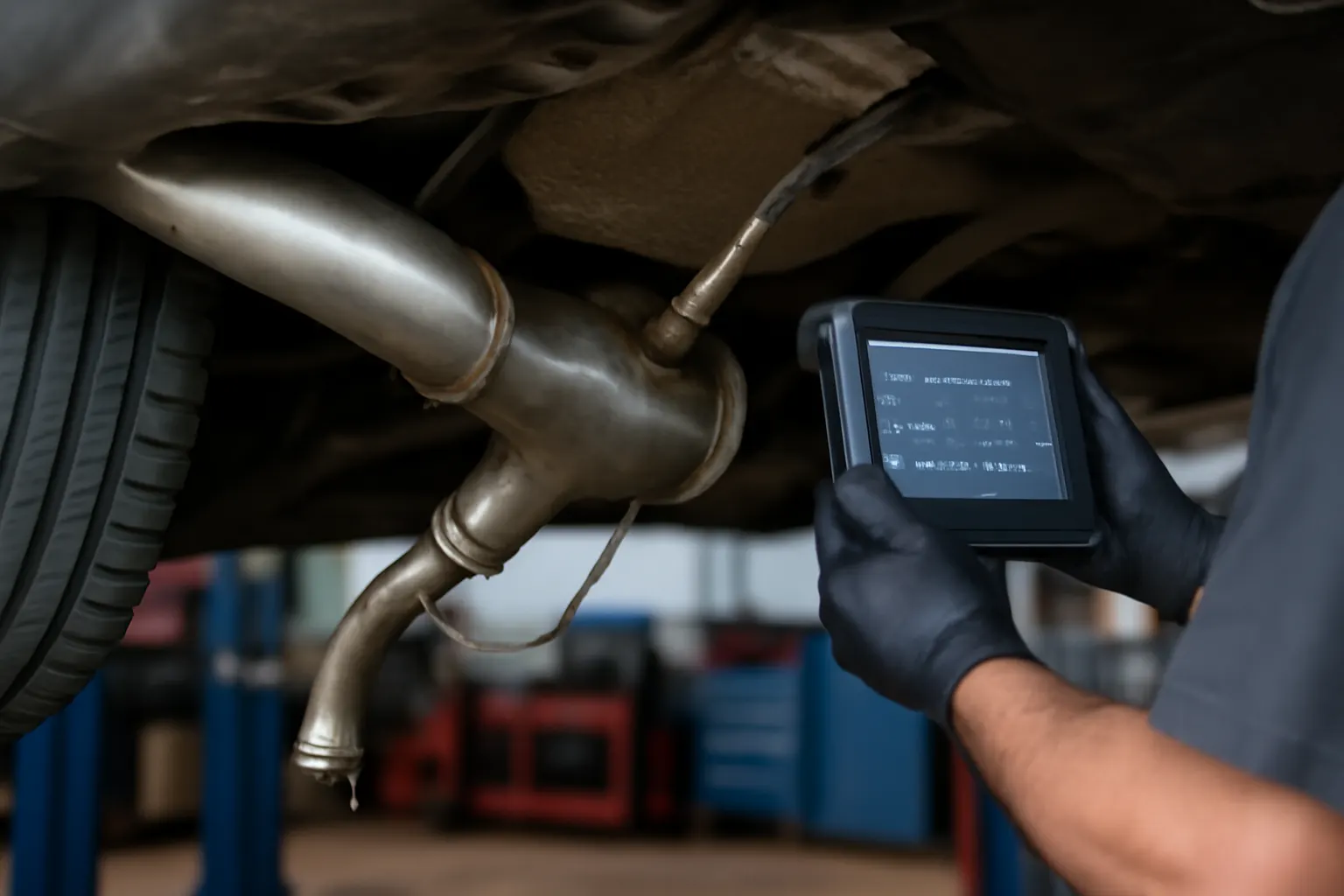
- Scan for DTCs: Use an OBD-II scanner to read fault codes.
- Inspect Sensor Wiring: Ensure O2 sensor connectors are secure and wires are not damaged or melted.
- Check for Exhaust Leaks: Leaks before the O2 sensors can introduce false air, skewing readings.
- Monitor Live Data: Use a scan tool to observe O2 sensor voltage and switching rates; slow or flat readings indicate sensor or wiring issues.
- Verify Catalytic Converter Efficiency: Look for codes like P0420 or P0430, which indicate converter inefficiency.
When diagnosing, always compare post-upgrade data to your pre-upgrade baseline to identify what has changed.
Maintenance Tips for Long-Term Sensor and Emissions Health
Regular maintenance is essential for maximizing the lifespan of your emissions system and protecting your investment in exhaust upgrades.
Best Practices:
- Replace O2 Sensors Proactively: Even if no codes are present, sensors typically degrade after 60,000–100,000 miles.
- Keep Up with Oil and Coolant Maintenance: Contaminants from engine wear can foul sensors and catalytic converters.
- Inspect Exhaust System Annually: Look for leaks, rust, or loose fittings, especially after winter driving or track use.
- Use Quality Fuel: Poor-quality fuel can increase deposits and accelerate sensor degradation.
Following these steps will help maintain peak emissions performance and minimize the risk of costly repairs.
Integrating Exhaust Upgrades with Other Performance Mods
Exhaust upgrades are often performed alongside intake, tuning, and other performance modifications. To ensure system harmony:
- Coordinate Sensor Placement: When adding headers, turbo kits, or intake upgrades, plan sensor locations to maintain factory-like response times.
- Consider Engine Management Solutions: After significant modifications, an aftermarket ECU or tuning solution may be required to recalibrate sensor feedback and emissions performance.
- Balance Flow and Compliance: High-flow systems can be paired with performance catalytic converters to balance power gains with emissions requirements.
For detailed guidance on optimizing exhaust flow in V-type engines, see Diagnosing Exhaust Flow Issues in V-Type Engines.
The AutoPartEx Approach: Expertise and Trusted Sourcing
At AutoPartEx, we understand that successful exhaust upgrades are about more than just bolting on new parts. Our technical team is dedicated to helping you maximize performance while maintaining emissions compliance and sensor health. We offer:
- Expert Product Guidance: Our catalog includes only thoroughly vetted, emissions-compatible exhaust components.
- Technical Support: Our team can assist with sensor placement, diagnostics, and troubleshooting.
- Comprehensive Resources: From Choosing the Right Exhaust Cross Pipe for Your Vehicle to in-depth diagnostic guides, we provide the information you need to make confident decisions.
When you’re ready to upgrade, trust AutoPartEx for the parts and expertise that keep your vehicle running clean and strong.
Conclusion: Making Informed Exhaust Upgrades
Exhaust modifications can deliver real performance benefits, but they also introduce new challenges for emissions systems and sensor health. By understanding the technical interplay between exhaust flow, catalytic converter efficiency, and oxygen sensor function, you can avoid common pitfalls and ensure your build remains reliable, efficient, and compliant.
Follow best practices for component selection, installation, and ongoing maintenance, and leverage the expertise and support of trusted suppliers like AutoPartEx. With the right approach, you’ll enjoy the benefits of your upgrades without sacrificing emissions performance or sensor longevity.
References
Advertisement